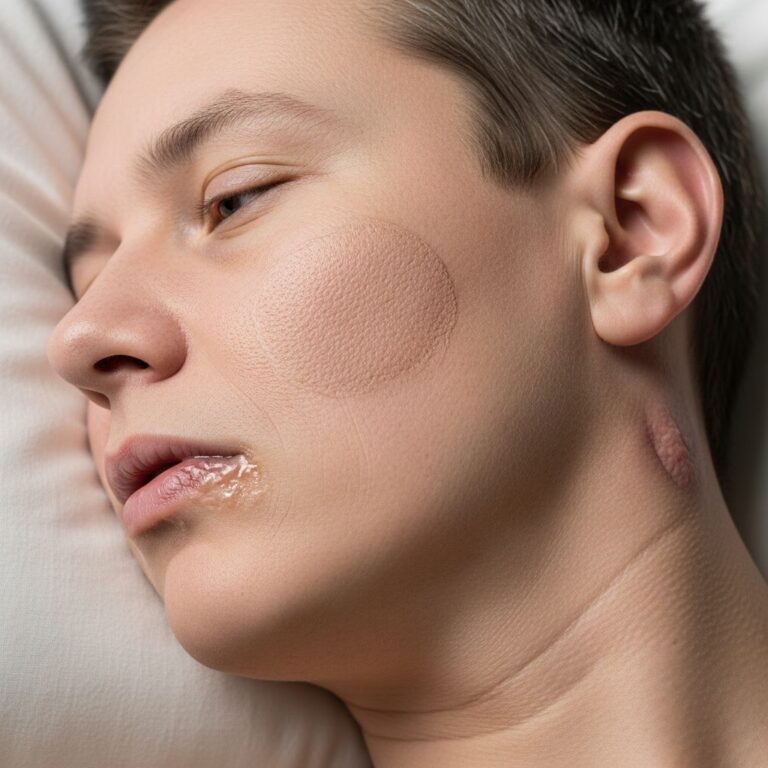
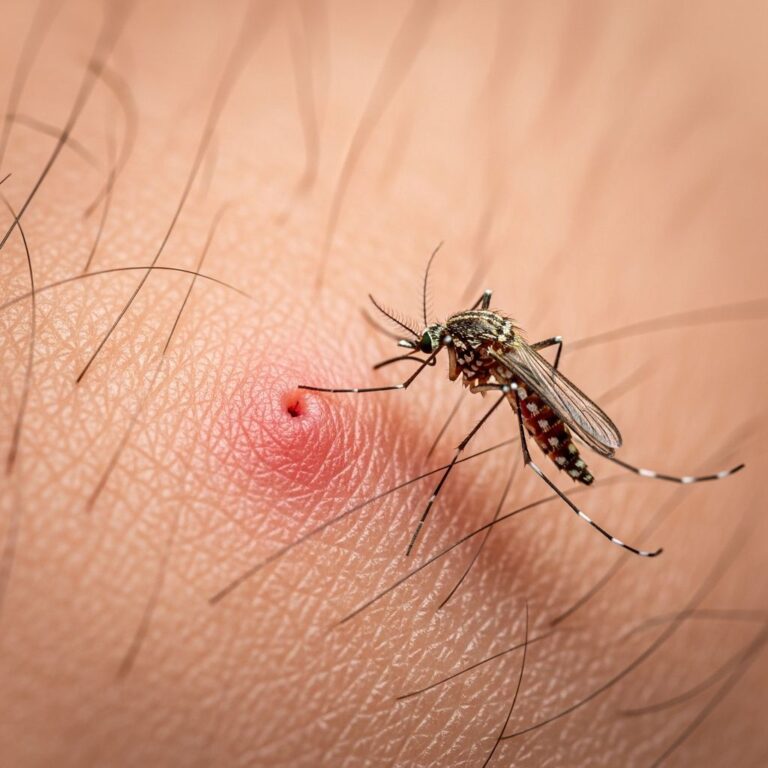
Benign Skin Lesions: 6 Common Types, Features, And Management
Comprehensive guide to common non-cancerous skin growths, their features, diagnosis, and management options.
A
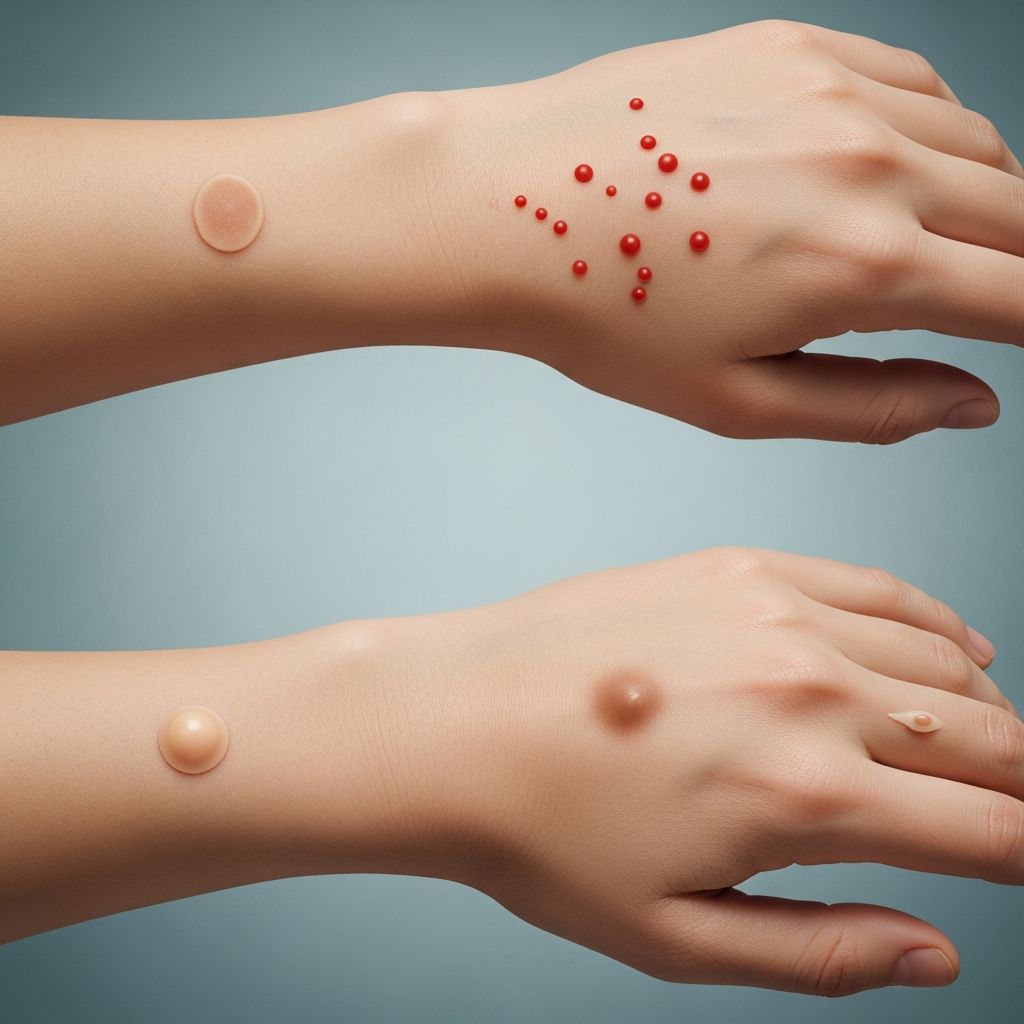
benign skin lesion
is a non-cancerous growth or abnormality on the skin that does not spread to other parts of the body and is generally harmless. These lesions are extremely common and can appear anywhere on the body, affecting individuals of all ages, skin types, and backgrounds. While most benign lesions require no treatment, understanding their characteristics helps distinguish them from potentially malignant ones, promoting timely medical evaluation when needed.Introduction
Benign skin lesions arise from various cellular origins, including melanocytes (pigment cells), keratinocytes (skin surface cells), vascular structures, fibrous tissue, and subcutaneous fat. They often present as macules (flat spots), papules (raised bumps), plaques (raised areas wider than 1 cm), nodules (larger solid lumps), or cysts (fluid-filled sacs). Common features include slow growth, uniform color and shape, well-defined borders, and lack of symptoms like pain, itching, or bleeding unless irritated.
These lesions can be congenital (present at birth) or acquired later in life due to factors like sun exposure, genetics, trauma, hormones, or aging. Most are asymptomatic but may cause cosmetic concerns or functional issues if located in high-friction areas.
Demographics
Benign skin lesions affect people across all demographics, but certain types predominate in specific groups:
- Age: Children often develop moles and hemangiomas; adults middle-aged and older frequently have seborrheic keratoses and skin tags; solar lentigines increase with age-related sun damage.
- Skin type: Darker skin types may have more pigmented variants like dermatofibromas on limbs; fair skin shows solar lentigines prominently.
- Sex: Skin tags are more common in women, especially those who are obese or have diabetes; pyogenic granulomas occur equally but may relate to pregnancy hormones.
- Risk factors: Sun exposure increases melanocytic lesions and lentigines; obesity correlates with skin tags; pregnancy can darken moles or trigger spider angiomas.
Globally, nearly everyone develops at least one benign lesion by adulthood, with prevalence rising with age.
Features
Benign lesions share symmetrical shape, even pigmentation, sharp borders, and stability over time. Unlike cancers, they rarely ulcerate, bleed spontaneously, or change rapidly. Key ABCDE rule contrasts help: benign lesions are typically
A
symmetrical? No—symmetrical;B
order irregular? No—regular;C
olor varied? No—uniform;D
iameter >6mm growing? Slow/stable;E
volving? No.| Feature | Benign Lesions | Malignant (for comparison) |
|---|---|---|
| Symmetry | Symmetrical | Asymmetrical |
| Border | Smooth, regular | Notched, irregular |
| Color | Uniform | Multi-colored |
| Diameter | Variable, stable | >6mm, enlarging |
| Evolution | Slow/no change | Rapid change |
Symptoms, if present, include itching, tenderness on pressure (e.g., dermatofibroma), or bleeding from trauma (e.g., pyogenic granuloma).
Common Melanocytic Lesions
Melanocytic lesions originate from pigment-producing melanocytes. Common types include freckles (ephelides), lentigo simplex, and melanocytic naevi (moles).
- Ephelis (freckle): Small, tan macules on sun-exposed areas, fade in winter, genetic predisposition.
- Lentigo simplex: Small brown macules, present from childhood, not sun-dependent.
- Melanocytic naevus (mole): Present as macules, papules, or nodules. Classified by location of naevus cells:
- Junctional naevus: Flat, naevus cells at epidermis-dermis junction.
- Compound naevus: Raised, cells at junction and dermis.
- Dermal naevus: Dome-shaped, intradermal cells, often hairy or skin-colored.
- Halo naevus: White ring around mole, common in teens, due to immune response; resolves over years.
- Spitz naevus: Red/pigmented dome papule in children, melanoma mimic; often excised.
- Dysplastic naevus: Atypical moles with irregular borders, family history risk for melanoma; monitor closely.
Related Stories



Most moles are harmless; sun protection prevents new ones. Removal for cosmetics, irritation, or suspicion.
Common Keratinocytic Lesions
Keratinocytic lesions derive from epidermis. Benign types include:
- Solar lentigo: Brown macules on sun-exposed areas (hands, face) in older adults; flat seborrheic keratosis variant.
- Seborrheic keratosis: ‘Stuck-on’ warty plaques, yellow-brown-black, greasy; multiple in elderly, eruptive form signals illness (Leser-Trélat sign). Irritated ones crusty, mimic cancer.
- Benign lichenoid keratosis: Single erythematous plaque, self-resolves.
- Sebaceous hyperplasia: Yellow papules on face (forehead, cheeks) in adults, enlarged oil glands.
Treatment: Cryotherapy, curettage, or topical retinoids for cosmetics.
Common Lesions of Vascular Origin
Vascular lesions from blood/lymphatic proliferation:
- Angioma (cherry angioma): Bright red papules, increase with age.
- Pyogenic granuloma: Rapid-growing red nodule post-trauma/infection, friable, bleeds easily; curettage needed.
- Spider angioma (hemangioma): Central arteriole with radiating legs, on face/upper body; hormonal (pregnancy, liver disease).
- Venous lake: Dark blue-purple papule on lips, ears in elderly.
Most resolve spontaneously or laser-treated.
Common Fibrous Lesions
Fibrous from dermal connective tissue:
- Dermatofibroma: Firm reddish-brown papule on legs/arms, ‘dimple sign’ on squeezing; post-insect bite/trauma, tender.
Benign, excise if symptomatic.
Common Subcutaneous Lesions
Under-skin lumps:
- Lipoma: Soft, mobile, dome-shaped fatty tumor; slow-growing, asymptomatic unless large.
- Epidermoid cyst (sebaceous cyst): Smooth nodule with central punctum, cheese-like contents; inflamed if ruptured.
Remove if painful/recurrent; large lipomas refer to rule out sarcoma.
Skin Tags
Skin tags (**acrochordon**) are soft, pedunculated flesh-colored/pigmented growths in flexures (neck, axillae, groin), common in obesity/diabetes. Snip or cryotherapy for removal.
Management
Most benign lesions need no treatment. Intervene for symptoms, cosmetics, trauma risk, or cancer doubt:
- Observation: Monitor changes.
- Primary care: Excision/cryotherapy for cysts, tags, lipomas <5cm.
- Referral: Suspicious, facial, large/recurrent to dermatology/plastics.
- Photos: Aid referrals.
Emphasize sun protection, reassure benign nature.
Frequently Asked Questions (FAQs)
Q: When should I worry about a skin lesion?
A: If asymmetrical, irregular borders, varied colors, >6mm enlarging, evolving (ABCDE), or bleeding/itching; see a doctor promptly.
Q: Do benign moles turn cancerous?
A: Rarely; atypical/dysplastic ones warrant monitoring. Sun avoidance key.
Q: Can skin tags be removed at home?
A: No; professional snip/cryo prevents infection/scarring.
Q: Are lipomas dangerous?
A: Usually not; >5cm or growing refer to exclude liposarcoma.
Q: How to treat seborrheic keratosis?
A: Cryotherapy, curettage; often left alone.
References
- Common benign skin lesions — DermNet NZ. 2023. https://dermnetnz.org/topics/benign-skin-lesions
- Benign Lesion (Lipoma, Cyst, Haemangiona, etc.) — NHS Lothian RefHelp. 2024-05-18. https://apps.nhslothian.scot/refhelp/guidelines/dermatology/benign-lesion-lipoma-cyst-haemangiona-xanthelasma-comedones-granuloma/
- Benign melanocytic lesions — DermNet NZ. 2023. https://dermnetnz.org/cme/lesions/benign-melanocytic-lesions
- Benign lesions — Right Decisions Scotland. 2023. https://rightdecisions.scot.nhs.uk/dermatology-pathways/benign-lesions/
- Benign keratinocytic and adnexal lesions — DermNet NZ. 2023. https://dermnetnz.org/cme/lesions/benign-keratinocytic-and-adnexal-lesions
- Clinical features of skin lesions — DermNet NZ. 2017 (authoritative ongoing reference). https://dermnetnz.org/cme/teledermatology-skin-cancer/clinical-features-of-skin-lesions
Similar Articles








Read full bio of Sneha Tete