Benign Tumors: Definition, Types & Symptoms
Understanding benign tumors: Learn about noncancerous growths, symptoms, diagnosis, and treatment options.
What Are Benign Tumors?
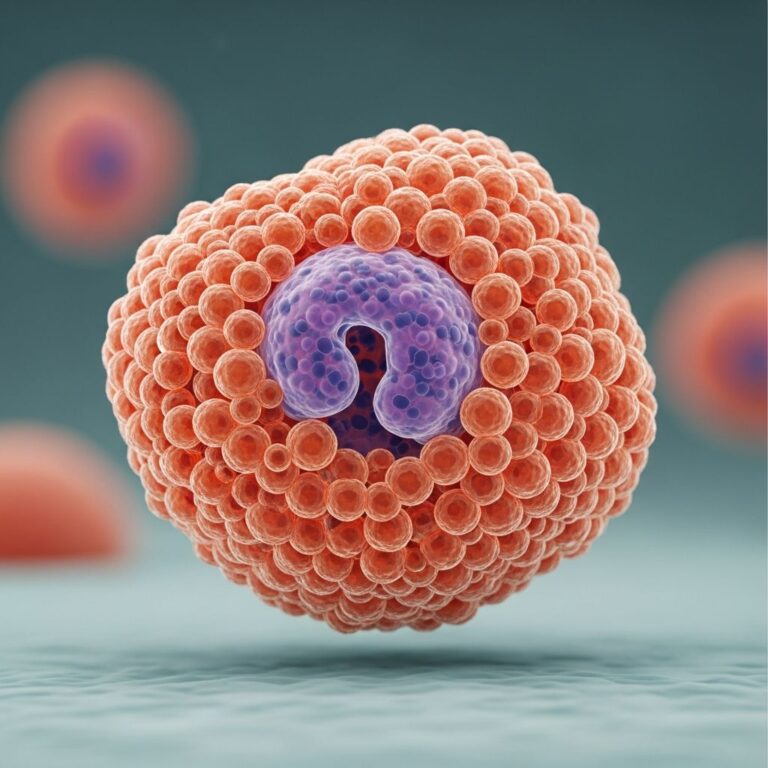
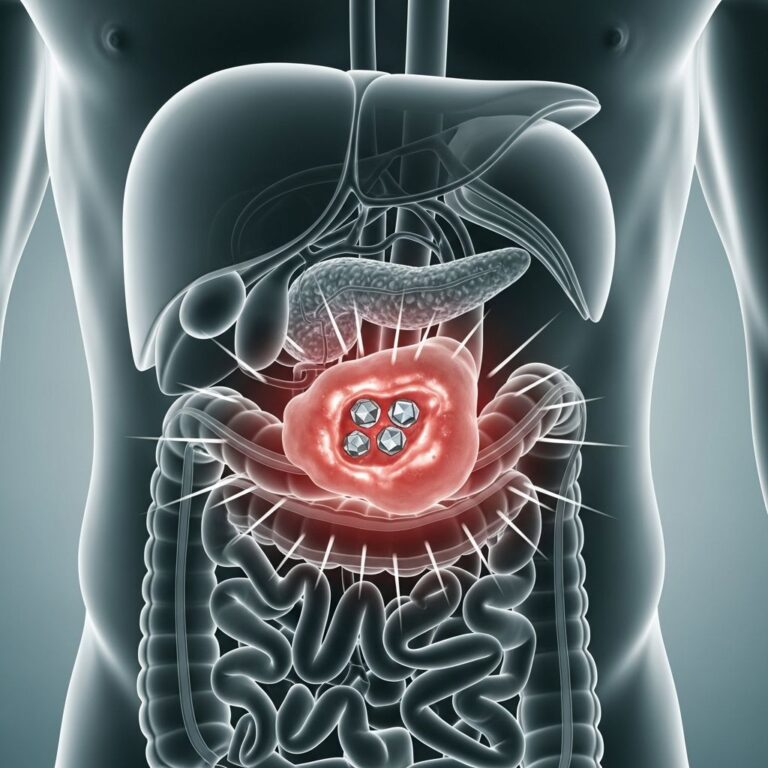
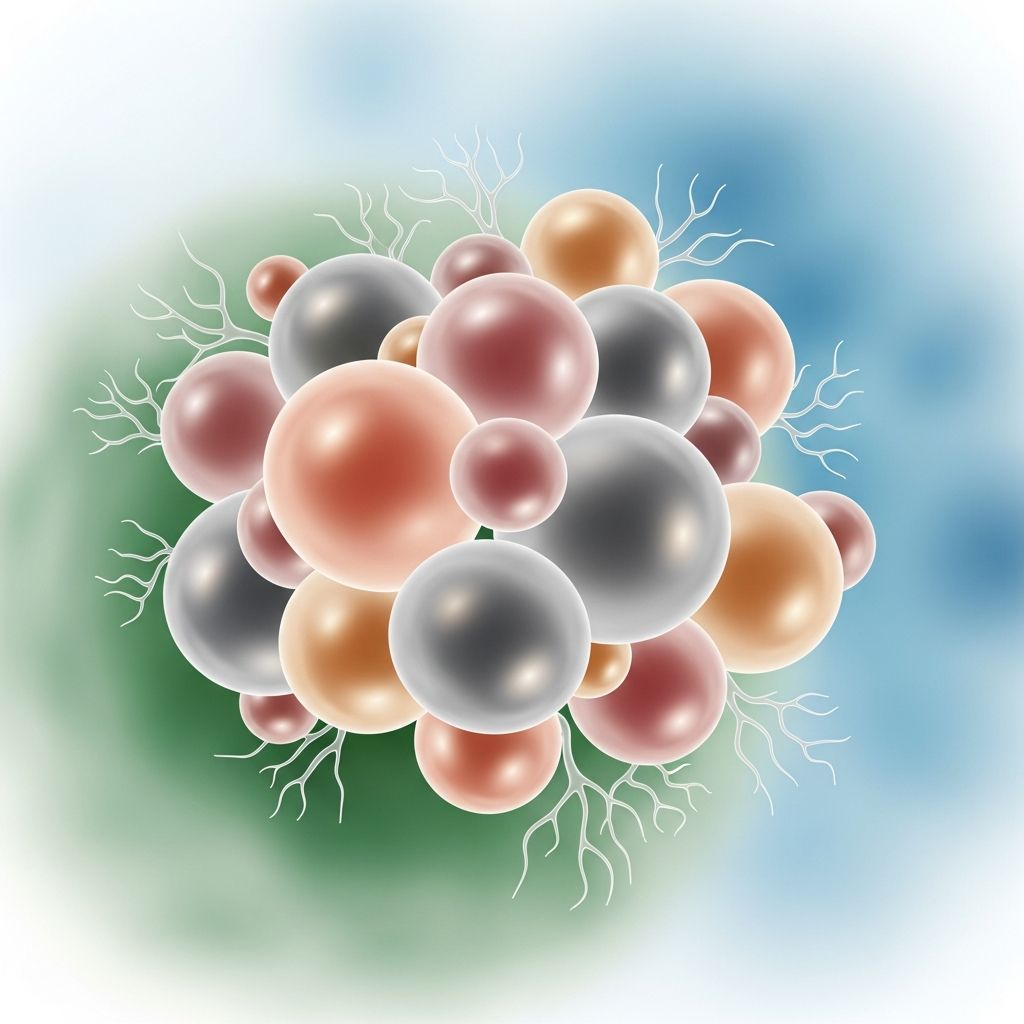
A benign tumor, also known as a benign neoplasm or benign growth, is a noncancerous collection of abnormal cells that grow in your body. Unlike cancerous tumors, benign tumors are characterized by their slow growth rate and inability to spread to other areas of your body, a process known as metastasis. Benign tumors consist of abnormal cells that, unlike normal cells, multiply more than they should and don’t die. As these abnormal cells accumulate and continue to multiply, they form tumors. While benign tumors may not cause immediate symptoms, a large benign tumor may press on nearby tissue and organs, potentially causing discomfort or functional issues.
Understanding Benign vs. Malignant Tumors
The fundamental distinction between benign and malignant tumors lies in their growth patterns and potential to cause harm. Benign tumors are noncancerous growths that do not invade nearby tissue or spread to other parts of the body. This stands in stark contrast to malignant tumors, which are cancerous and have the ability to invade surrounding tissues and metastasize to distant sites. The key characteristics that define benign tumors include their slow growth rate, lack of invasiveness, and inability to spread systemically. Understanding this distinction is crucial for patients, as it fundamentally affects treatment approaches and long-term prognosis.
Common Types of Benign Tumors
Benign tumors can develop in virtually any tissue or organ system throughout the body. They are classified based on their location and the type of tissue from which they originate. Common benign tumor types include:
- Lipomas: Benign fatty tumors that develop under the skin
- Fibromas: Connective tissue tumors that form in various locations
- Hemangiomas: Benign vascular tumors composed of blood vessels
- Nevi (moles): Common skin growths that are typically benign
- Adenomas: Benign tumors that develop in glandular tissues
- Myomas: Benign muscle tumors, commonly seen as uterine fibroids
- Osteomas: Benign bone tumors
- Cysts: Fluid-filled sacs that can form in various tissues
Symptoms of Benign Tumors
Benign tumors often present with varied symptomatology depending on their size, location, and whether they’re affecting nearby structures. Many benign tumors are asymptomatic, meaning they produce no noticeable symptoms and are discovered incidentally during routine examinations or imaging studies performed for other reasons. However, when symptoms do occur, they can include:
- Pain or discomfort in the affected area
- Obstruction of normal body functions
- Cosmetic concerns due to visible lumps or bumps
- Pressure sensations from the tumor compressing nearby tissues
- Functional impairment of affected organs
- Swelling or inflammation in the tumor region
The specific symptoms experienced depend largely on the tumor’s location and size. A small benign tumor in a non-sensitive area may go unnoticed for years, while a benign tumor pressing on a nerve or blood vessel can cause significant symptoms.
Diagnosis and Evaluation
Accurate diagnosis of benign tumors involves a comprehensive approach combining patient history, physical examination, and diagnostic testing. When you visit your healthcare provider with concerns about a potential tumor, they will begin by asking detailed questions about your symptoms and medical history. A thorough physical examination follows, during which your provider will check for unusual lumps or bumps on your skin or under your skin.
Diagnostic Tests and Imaging
Your healthcare provider may order various tests to confirm the diagnosis and rule out malignancy. These diagnostic tools may include:
- Imaging studies: X-rays, ultrasound, CT scans, or MRI to visualize the tumor and assess its characteristics
- Biopsy: Tissue sampling to differentiate benign tumors from malignant ones with certainty
- Blood tests: Laboratory work to assess overall health and rule out systemic conditions
- Pathological examination: Microscopic analysis of tissue samples to confirm benign status
Related Stories



Biopsy is particularly important in distinguishing benign tumors from malignant ones, as it provides definitive cellular analysis. Monitoring is essential as some benign tumors have the potential to develop into malignant forms, requiring ongoing surveillance.
Treatment Options for Benign Tumors
Treatment approaches for benign tumors vary significantly depending on multiple factors including tumor type, size, location, growth rate, and whether the tumor is causing symptoms. Not all benign tumors require treatment. In many cases, a healthcare provider may recommend watchful waiting, particularly when a benign tumor is not growing or causing any issues.
Watchful Waiting
For asymptomatic or slowly growing benign tumors, watchful waiting is often the preferred approach. In this strategy, your provider will schedule regular follow-ups so they can monitor for changes in your body. This conservative approach avoids unnecessary surgical intervention while ensuring that any concerning changes are detected promptly. During watchful waiting, patients typically undergo periodic imaging and physical examinations to track the tumor’s status.
Surgical Removal
Surgery is the primary treatment when benign tumors cause symptoms or create cosmetic concerns. Often, a benign tumor will require no treatment if it is located in a low-risk area where it will not cause symptoms or disturb the proper function of an organ. However, if causing symptoms, benign tumors are usually treated by surgery. Benign tumors may also be removed for cosmetic reasons.
For benign bone tumors specifically, surgical treatment involves removing the tumor while simultaneously promoting the growth of new healthy bone at the site of the tumor. Surgeons must carefully remove the tumor while minimizing trauma to surrounding normal bone tissue. Surgeons should also have experience with proper stabilization of the bone with orthopedic hardware and bone grafting as necessary. The combination of these techniques allows people with benign bone tumors, especially young people, to return to full and unlimited activities after treatment.
The incidence of recurrence after surgery is typically low, making surgical intervention an effective long-term solution.
Advanced Treatment Modalities
In the 2020s, new treatments for benign tumors have been developed, offering patients less invasive alternatives to traditional surgery. These innovative approaches include:
- Radiofrequency ablation: Uses electrical current to heat and destroy tumor tissue
- High-intensity focused ultrasound: Employs sound waves to heat and ablate tumor cells
- New oral and intravenous medications: Help destroy benign tumors without extensive surgical intervention
These minimally invasive techniques represent significant advances in benign tumor management, particularly for patients seeking alternatives to open surgical procedures.
Ineffective Treatments
It’s important to note that chemotherapy and radiation therapy are usually ineffective in the treatment of benign tumors. These cancer-specific therapies are designed for malignant cells and are not appropriate for benign growths. However, in specific cases such as benign tumors of the brain, radiation therapy may be used to prevent harmful effects on surrounding normal brain tissue.
Prognosis and Outlook
The prognosis for benign tumors is generally favorable, especially when detected early. Most benign tumors do not pose significant health risks and can be managed effectively with appropriate surveillance or surgical intervention. The key to optimal outcomes involves early detection, accurate diagnosis, and individualized treatment planning based on each patient’s unique circumstances.
Brain Tumors: Special Considerations
Benign brain tumors warrant special attention due to their unique location and potential impact on neurological function. Benign (noncancerous) brain tumors can usually be successfully removed with surgery and don’t usually grow back. The successful management of benign brain tumors often depends on whether the tumor can be completely removed and whether it is causing neurological symptoms or increased intracranial pressure.
Living with Benign Tumors
After receiving a benign tumor diagnosis, patients naturally have many questions about their condition and future. You’ll probably want to know what to expect — from how fast the tumor could grow and whether you’ll have new symptoms or if you’ll need surgery. Don’t hesitate to ask your provider about your specific situation. They’ll understand your concerns and be glad to answer your questions.
Understanding your diagnosis, participating actively in treatment decisions, and maintaining regular communication with your healthcare team are essential components of managing benign tumors effectively.
Specialized Care at Major Medical Centers
For complex benign tumors, particularly those involving bone or soft tissue, treatment at specialized centers can optimize outcomes. Multidisciplinary teams of specialists including surgeons, oncologists, radiologists, and pathologists can collaborate to develop comprehensive treatment plans tailored to each patient’s needs.
Frequently Asked Questions (FAQs)
Q: What is the difference between a benign tumor and cancer?
A: Benign tumors are noncancerous growths that do not spread to other parts of your body and typically grow slowly. Malignant tumors (cancer) are aggressive, invasive, and have the ability to spread to distant sites. Benign tumors rarely cause serious medical issues, while cancer requires immediate treatment.
Q: Do all benign tumors require surgery?
A: No, not all benign tumors require surgery. Many asymptomatic tumors that are not growing can be managed through watchful waiting with regular monitoring. Surgery is typically recommended only when tumors cause symptoms, threaten organ function, or pose cosmetic concerns.
Q: Can a benign tumor become cancerous?
A: While most benign tumors remain benign throughout a person’s life, some benign tumors have the potential to develop into malignant forms. This is why ongoing monitoring and regular follow-ups are essential for individuals with benign tumors.
Q: How often do benign tumors recur after surgery?
A: The incidence of recurrence after surgical removal of benign tumors is typically low. Most benign tumors do not return after complete surgical excision, making surgery an effective long-term treatment solution.
Q: Are there any symptoms that always indicate a benign tumor?
A: No, many benign tumors are asymptomatic and cause no noticeable symptoms. Symptoms depend on the tumor’s size, location, and whether it presses on nearby structures. Only a healthcare provider can accurately diagnose a benign tumor through examination and diagnostic testing.
Q: What should I do if I discover a lump?
A: Contact your healthcare provider promptly for evaluation. They will perform a physical examination and may order diagnostic tests to determine whether the lump is benign or requires further investigation. Early evaluation helps ensure accurate diagnosis and appropriate management.
When to Seek Medical Attention
If you discover an unusual lump or bump on your body, experience persistent pain in a localized area, or notice any changes in your body’s appearance or function, you should schedule an appointment with your healthcare provider. While many benign tumors are harmless, prompt evaluation ensures accurate diagnosis and allows your provider to determine the most appropriate management strategy for your specific situation.
References
- Sarcoma Program Overview — Cleveland Clinic. 2024. https://my.clevelandclinic.org/departments/cancer/depts/sarcoma
- Benign Tumors — EBSCO Health Research Starters. 2024. https://www.ebsco.com/research-starters/health-and-medicine/benign-tumors
- Benign Bone Tumors: Common Types, Symptoms & Treatment — Cleveland Clinic. 2021. https://my.clevelandclinic.org/health/diseases/16775-benign-bone-tumors
- Benign Tumor: Definition, Types & Symptoms — Cleveland Clinic. 2024. https://my.clevelandclinic.org/health/diseases/22121-benign-tumor
- Benign Soft Tissue Tumors: Types, Symptoms & Treatment — Cleveland Clinic. 2023. https://my.clevelandclinic.org/health/diseases/16778-benign-soft-tissue-tumors
- Brain Tumor: Symptoms, Signs & Causes — Cleveland Clinic. 2024. https://my.clevelandclinic.org/health/diseases/6149-brain-cancer-brain-tumor
Similar Articles








Read full bio of Sneha Tete