Bentonite Clay Benefits: 5 Uses, Risks, And Safety Tips
Discover the potential skin, digestive, and detox benefits of bentonite clay, backed by emerging research.
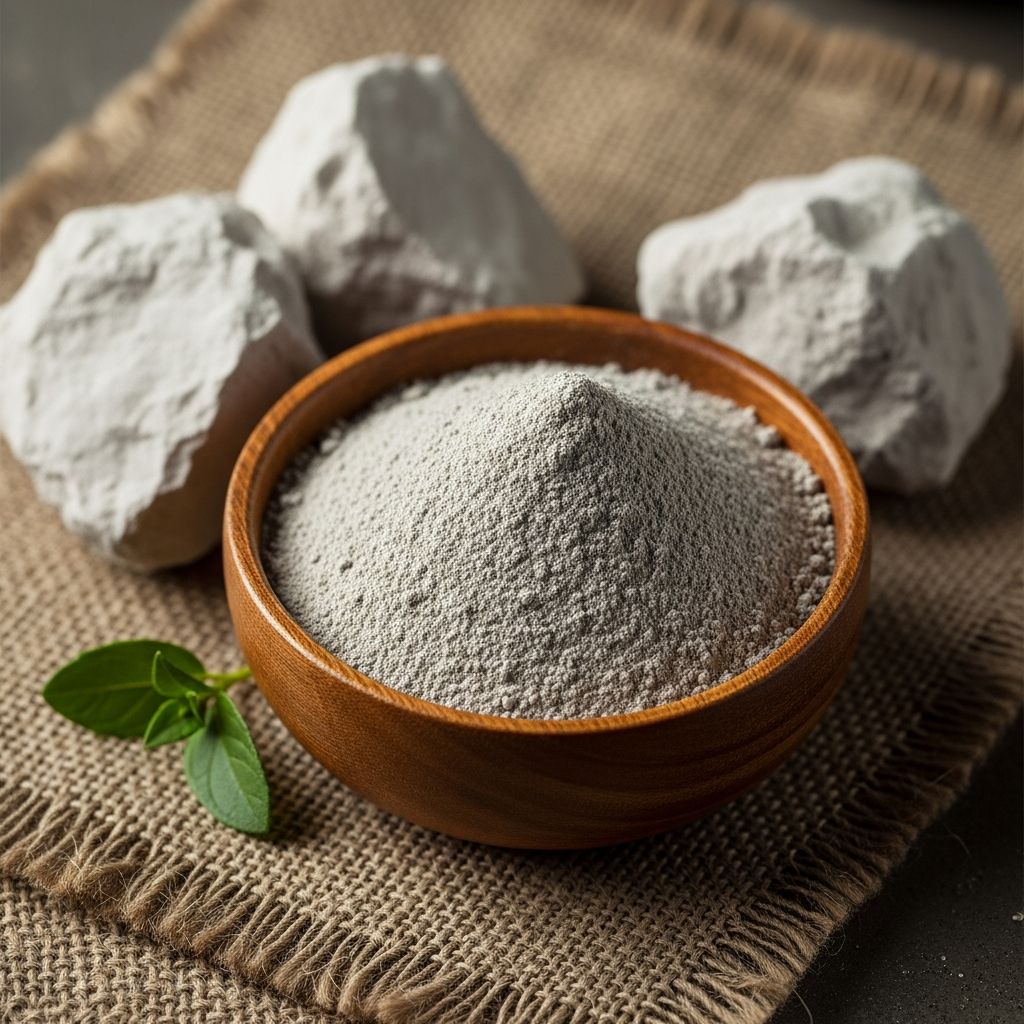
Bentonite clay, a natural absorbent clay primarily composed of montmorillonite, is formed from volcanic ash and has gained popularity for its potential health applications, particularly in detoxification, skincare, and digestive support. Its negatively charged surface allows it to bind positively charged toxins, heavy metals, and impurities, making it a versatile natural remedy.
What Is Bentonite Clay?
Bentonite clay is an absorbent swelling clay consisting mostly of montmorillonite, a mineral from weathered volcanic ash. When mixed with water, it expands and forms a gel-like substance due to its high cation exchange capacity, which enables it to attract and bind positively charged particles like toxins, bacteria, and heavy metals.
There are two main types: sodium bentonite, which swells more and is used in industrial applications like cat litter, and calcium bentonite, preferred for internal and cosmetic uses due to its gentler properties and higher mineral content, including calcium, magnesium, iron, and silica.
- Key properties: Antibacterial, anti-inflammatory, adsorptive (binds toxins), absorbent (holds water).
- Montmorillonite content: Up to 85%, responsible for its swelling and detoxifying abilities.
How Does Bentonite Clay Work?
Bentonite clay’s efficacy stems from its unique chemical structure. Its negative ionic charge attracts positively charged toxins such as heavy metals (lead, mercury, cadmium), pesticides, and bacteria. Like a magnet, it binds these substances, preventing absorption in the gut or skin and facilitating their elimination.
In the gut, it adsorbs aflatoxins (mold toxins linked to liver damage) and pathogens like E. coli, while on the skin, it draws out excess sebum, dirt, and impurities from pores. Animal studies demonstrate its ability to reduce toxin levels, though human trials are limited.
Bentonite Clay Benefits
1. Detoxifies the Body
One of the most cited benefits is detoxification. Bentonite clay binds heavy metals, chemicals, and aflatoxins in the digestive tract, aiding their excretion. Studies in animals show it reduces aflatoxin buildup, which can harm the liver, and combats metal poisoning.
A PMC review of over 100 studies highlights its poly-cationic nature for absorbing negatively charged toxins, supporting its traditional use in detoxification. Human evidence is emerging, with some using it for general cleansing, though the body’s liver and kidneys primarily handle detox.
2. Supports Skin Health
Topically, bentonite clay acts as a sponge, absorbing oils, unclogging pores, and fighting acne-causing bacteria. Its antibacterial and anti-inflammatory effects help with conditions like diaper rash, poison ivy, dermatitis, ulcers, and infections.
Research indicates it balances oil production, removes dead skin cells, and may enhance sunscreen efficacy, though not FDA-approved for this. A study showed benefits for skin ulcers and allergic reactions.
3. Aids Digestion and Gut Health
By binding toxins and pathogens, bentonite clay promotes gut health, potentially alleviating IBS, constipation, nausea, and leaky gut symptoms. Animal studies link it to binding rotavirus and coronavirus, reducing gastroenteritis.
Related Stories



It may protect intestinal lining and improve nutrient absorption by boosting gut flora. Limited rat trials suggest weight loss and cholesterol reduction benefits.
4. May Benefit Oral Health
In natural toothpastes, bentonite clay is claimed to detoxify, alkalize, and purify the mouth due to its mineral content and binding of bacteria/toxins. However, no robust human studies confirm these effects for teeth and gums.
5. Other Potential Benefits
- Thyroid support: Mouse studies show it absorbs excess thyroid hormones (T3/T4), potentially aiding hyperthyroidism.
- Immunity and anti-pathogen: Fights bacteria like staph and E. coli.
- Kidney and cancer research: Preliminary animal studies ongoing.
How to Use Bentonite Clay
For Skin
- Mix 1 part clay with 1-3 parts water or apple cider vinegar to form a paste.
- Apply as a mask for 10-20 minutes, then rinse. Use 1-2 times weekly.
- For spot treatments: Target acne or irritations.
For Detox and Digestion
- Drink: Mix 1/2 tsp in 8 oz water; drink once daily for short periods (max 2 weeks).
- Baths: Add 1/4-1 cup to bathwater for full-body detox.
- Capsules: Follow product dosing for internal use.
| Use | Mixture Ratio | Frequency |
|---|---|---|
| Skin Mask | 1:2 clay:water | 1-3x/week |
| Internal Drink | 1/2 tsp in 8oz water | 1x/day, short-term |
| Hair Rinse | 1 tbsp in 1 cup water | 1x/week |
Risks and Side Effects
While generally safe topically, internal use carries risks. Some clays contain lead; choose third-party tested, food-grade calcium bentonite. Side effects include constipation, digestive upset, or dehydration from binding water.
Avoid if pregnant, breastfeeding, or with bowel issues. Long-term use may reduce nutrient absorption. Consult a doctor, especially for children or medications. Oral care products may pose hidden dangers like abrasion or toxin exposure if impure.
What To Buy and How To Store
Opt for USP-grade, food-grade calcium bentonite from reputable sources. Avoid sodium bentonite internally. Store in a cool, dry place in airtight containers; mix fresh batches.
- Quality checks: Third-party lab tested for heavy metals.
- Forms: Powder (most versatile), capsules, masks.
Dermatologists and Health Experts Weigh In
Experts like those at WebMD note promising animal data for toxin removal but stress limited human evidence and the body’s natural detox systems. Dr. Axe emphasizes skin and gut benefits with caveats on sourcing. Medical News Today highlights adsorption potential but urges caution with ingestion.
Dermatologists recommend it for oily/acne-prone skin but advise patch tests and professional guidance for conditions like eczema.
FAQ
Is bentonite clay safe to ingest?
In small amounts from tested sources, yes, but short-term only. Risks include nutrient malabsorption and contamination. Consult a healthcare provider.
Can bentonite clay help with acne?
Yes, its oil-absorbing and antibacterial properties may reduce breakouts, supported by preliminary studies.
How often can you use a bentonite clay mask?
1-3 times per week for most skin types; less for dry skin.
Does bentonite clay detox heavy metals?
Animal studies show binding of metals like lead and mercury, but human evidence is insufficient.
Is bentonite clay FDA approved?
No, it’s not regulated as a drug; use cosmetic/food-grade products.
References
- What Does Bentonite Clay Do? — WebMD. 2023. https://www.webmd.com/a-to-z-guides/bentonite-clay-benefits
- Bentonite Clay Benefits, Uses and Side Effects — Dr. Axe. 2023-10-01. https://draxe.com/nutrition/bentonite-clay-benefits/
- Bentonite Clay as a Natural Remedy: A Brief Review — PMC (NCBI). 2017-09-20. https://pmc.ncbi.nlm.nih.gov/articles/PMC5632318/
- Calcium Bentonite Clay: Benefits, Side Effects, Uses — Healthline. 2023. https://www.healthline.com/health/calcium-bentonite-clay
- Benefits of bentonite clay: How to use it and side effects — Medical News Today. 2023. https://www.medicalnewstoday.com/articles/325241
Similar Articles








Read full bio of Sneha Tete