Benzalkonium Chloride Contact Dermatitis: Causes, Symptoms, and Treatment
Understanding benzalkonium chloride contact dermatitis: symptoms, risk factors, and management strategies.
Benzalkonium Chloride Contact Dermatitis
Benzalkonium chloride is a widely used antimicrobial agent found in numerous consumer and healthcare products. However, exposure to this chemical can trigger contact dermatitis in susceptible individuals. When benzalkonium chloride comes into contact with the skin, it can cause either irritant contact dermatitis or allergic contact dermatitis in some people. Understanding the nature of this condition, its risk factors, symptoms, and treatment options is essential for both healthcare professionals and affected individuals.
What is Benzalkonium Chloride?
Benzalkonium chloride is a quaternary ammonium compound that exhibits broad-spectrum antimicrobial activity and has prolonged bacteriostatic effects. It is commonly used in cosmetics, disinfectants, ophthalmic products, sterilization solutions, antiseptics, and various household items. The chemical’s antimicrobial properties make it a valuable ingredient in many commercial and medical applications, but these same properties can also irritate or sensitize human skin.
Types of Contact Dermatitis from Benzalkonium Chloride
Benzalkonium chloride can cause two distinct types of contact dermatitis:
- Irritant Contact Dermatitis: This is the more common type and occurs when benzalkonium chloride directly damages the skin barrier. Irritant contact dermatitis due to benzalkonium chloride can affect anyone exposed to sufficient concentrations of the chemical. It is a non-immune response that does not require prior sensitization.
- Allergic Contact Dermatitis: This occurs when an individual becomes sensitized or allergic to benzalkonium chloride through previous exposure. Allergic contact dermatitis is a type IV hypersensitivity reaction that requires prior sensitization. Once sensitized, even minimal exposure can trigger a reaction.
Benzalkonium chloride is a well-known irritant, and irritant contact dermatitis due to benzalkonium chloride is significantly more common than allergic contact dermatitis from its use. However, the allergenic potential of this chemical should not be underestimated, particularly in certain populations.
Who is at Risk?
While anyone can develop contact dermatitis from benzalkonium chloride, certain groups face elevated risk:
- Individuals with Compromised Skin Barriers: People with atopic dermatitis (eczema) or other conditions affecting skin integrity are more susceptible to both irritant and allergic contact dermatitis from benzalkonium chloride. Their weakened skin barrier allows the chemical to penetrate more easily and trigger reactions.
- Healthcare Workers: Healthcare workers face increased risk of developing benzalkonium chloride contact dermatitis due to regular exposure through sterilization solutions, antiseptics, and disinfectants used in medical settings. Prolonged and frequent exposure elevates the likelihood of sensitization.
- Pediatric Populations: Recent research indicates that benzalkonium chloride may be one of the top allergens responsible for allergic contact dermatitis in children, suggesting that younger individuals may have heightened susceptibility.
- People with Atopic Diathesis: In clinical studies, individuals with a history of atopic diseases show higher rates of sensitization to benzalkonium chloride and increased predisposition to related conditions.
Common Sources of Benzalkonium Chloride
Benzalkonium chloride can be found in a wide variety of products, including:
- Ophthalmic solutions and eye drops
- Cosmetics and personal care products
- Household disinfectants and antiseptics
- Healthcare sterilization solutions
- Laundry detergents and cleaning agents
- Antimicrobial hand sanitizers
- Wound care products
Symptoms and Clinical Presentation
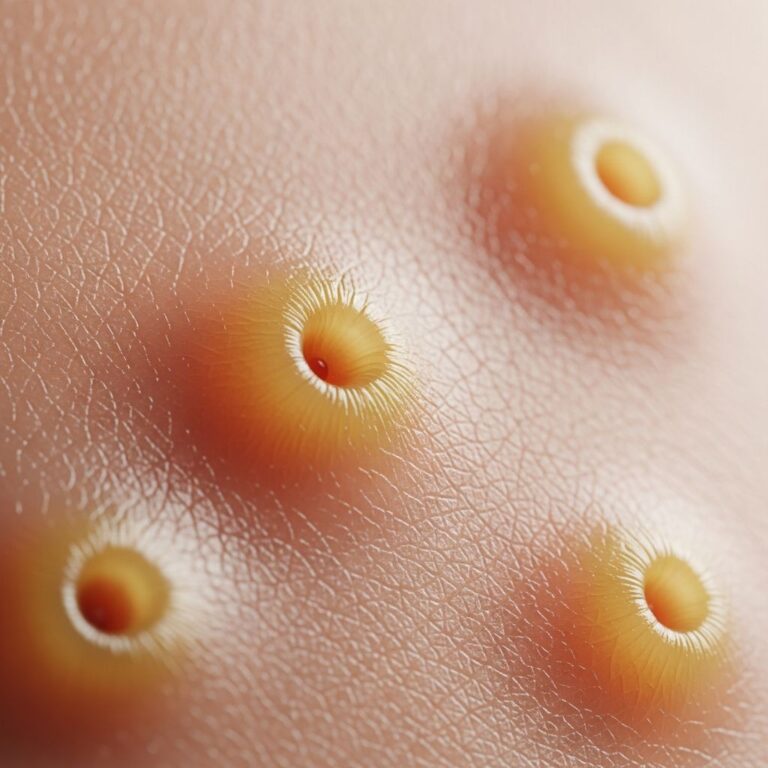
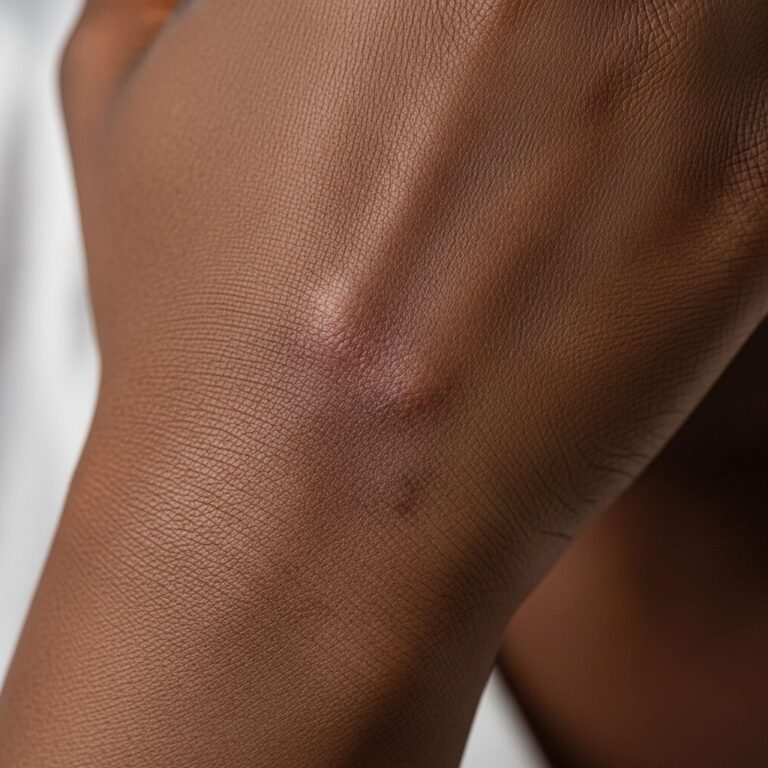
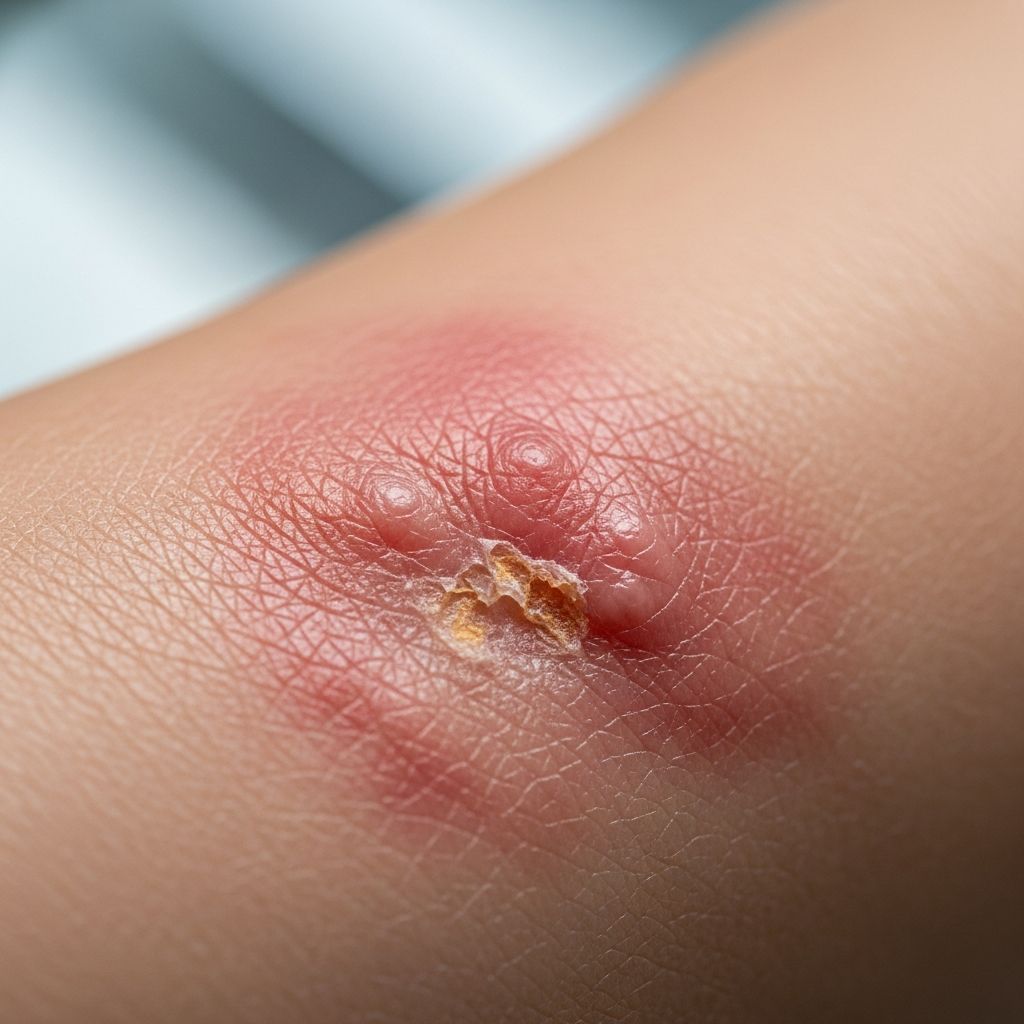
The symptoms of benzalkonium chloride contact dermatitis typically manifest at the site of contact, though in prolonged or severe cases, the dermatitis may spread to other areas of the body. Common symptoms include:
- Redness and erythema of the affected skin
- Itching and pruritus
- Dryness and xerosis
- Scaling and desquamation
- Blistering in more severe cases
- Peeling of the skin as it heals
Related Stories



Symptoms may begin to appear hours or days after contact with benzalkonium chloride, depending on whether the reaction is irritant or allergic in nature. Some individuals may develop periorbital or eye dermatitis and conjunctivitis (red and itchy eyes) after using ophthalmic solutions containing benzalkonium chloride.
Granular Parakeratosis
A small subset of people exposed to benzalkonium chloride may develop a specific rash called granular parakeratosis. This condition is characterized by red or brown patchy and scaly lesions that most commonly affect skin folds such as the armpits, groin, and other intertriginous areas. Granular parakeratosis is thought to be provoked by a combination of occlusion, friction, sweating, and contact with benzalkonium chloride. People with atopic dermatitis are particularly predisposed to developing this condition. As the skin heals from granular parakeratosis, it may undergo significant peeling.
Systemic Contact Dermatitis
While less common, benzalkonium chloride can induce systemic contact dermatitis (SCD) even with minimal exposure through household products. SCD is a widespread dermatitis that can occur following contact with allergens through various routes or in various locations. Clinical manifestations of SCD are diverse and may include recurrence of dermatitis at previously affected skin or patch-test-positive sites. SCD may present as pruritic vesicular hand eczema, flexural dermatitis, generalized maculopapular eruptions, or erythema on flexural surfaces. Even localized contact with small amounts of benzalkonium chloride allergens can potentially trigger systemic manifestations in sensitized individuals.
Diagnosis of Benzalkonium Chloride Contact Dermatitis
Accurate diagnosis is crucial for appropriate management. The primary diagnostic tool for identifying allergic contact dermatitis to benzalkonium chloride is patch testing, which evaluates type IV delayed hypersensitivity reactions. Benzalkonium chloride is included in the Australian Baseline Series and New Zealand Baseline Series for patch testing, where it is tested as benzalkonium chloride 0.1% aqueous solution.
Additional diagnostic approaches may include:
- Clinical History: Detailed history-taking about product exposure, symptom onset, and temporal relationships is essential.
- Physical Examination: Assessment of the distribution, morphology, and severity of skin lesions.
- Dermoscopic Examination: Reveals bright-red background with focal branching vasculature and white scales.
- Histopathological Examination: Skin biopsy may show hyperkeratosis, parakeratosis, focal subcorneal microabscesses, and dermal inflammation.
- Laboratory Testing: Complete blood count, biochemistry, and immunoglobulin E (IgE) levels may be performed to rule out systemic involvement.
Treatment and Management
The primary treatment approach for benzalkonium chloride contact dermatitis involves identification and avoidance of the offending product. Once the source of benzalkonium chloride exposure is identified and eliminated, the dermatitis typically resolves gradually.
Additional treatment strategies include:
- Topical Corticosteroids: Mometasone furoate cream and other topical corticosteroids help reduce inflammation and itching.
- Systemic Medications: Methylprednisolone, cetirizine, and other systemic anti-allergy agents may be prescribed for more severe cases.
- Moisturizing Therapies: Regular use of emollients and moisturizers supports skin barrier repair and recovery.
- Supportive Care: Basic hydration and skin care practices are essential components of treatment.
- Supplementary Treatments: Vitamin C, calcium gluconate, and other supportive therapies may be used to enhance recovery.
Prevention Strategies
Preventing benzalkonium chloride contact dermatitis is more effective than treating established disease. Key prevention strategies include:
- Product Awareness: Increased awareness of allergens in everyday consumer goods is essential for identifying potential exposures.
- Label Reading: Carefully review product labels to identify benzalkonium chloride as an ingredient.
- Cautious Use in Sensitive Individuals: Products containing benzalkonium chloride should be used with care in people who have compromised skin barriers.
- Alternative Products: When possible, choose alternative products that do not contain benzalkonium chloride.
- Occupational Precautions: Healthcare workers should use appropriate protective equipment when handling solutions containing benzalkonium chloride.
Cross-Reactivity and Related Concerns
Widespread exposure to irritants and sensitizers among patients with dermatitis can predispose them to sensitization. This phenomenon highlights the importance of identifying and avoiding not only benzalkonium chloride but also related compounds and cross-reactors. Future research with benzalkonium chloride cross-reactors in benzalkonium chloride-allergic individuals is warranted to better understand and prevent sensitization patterns.
Frequently Asked Questions
Q: Is benzalkonium chloride contact dermatitis permanent?
A: No, benzalkonium chloride contact dermatitis is not permanent. Once exposure to the offending product is eliminated, symptoms typically resolve gradually over days to weeks. However, individuals who develop allergic sensitization must avoid benzalkonium chloride-containing products indefinitely to prevent recurrence.
Q: Can I develop benzalkonium chloride contact dermatitis from a single exposure?
A: Irritant contact dermatitis may occur from a single exposure, particularly with high concentrations of benzalkonium chloride. Allergic contact dermatitis typically requires prior sensitization, though once sensitized, even minimal contact can trigger a reaction. Systemic contact dermatitis can develop from low-dose, prolonged exposure to products like laundry detergents.
Q: What should I do if I suspect benzalkonium chloride contact dermatitis?
A: If you suspect benzalkonium chloride contact dermatitis, discontinue use of the suspected product immediately and consult a dermatologist. A patch test can confirm allergic sensitization. Meanwhile, use mild moisturizers and avoid additional irritants while your skin heals.
Q: Are there safe alternatives to benzalkonium chloride?
A: Yes, numerous products are formulated without benzalkonium chloride. When selecting alternative products, check ingredient labels carefully and consider consulting your dermatologist for recommendations suitable for your skin type and medical history.
Q: Why are healthcare workers at higher risk?
A: Healthcare workers face elevated risk due to frequent and prolonged exposure to benzalkonium chloride in sterilization solutions, antiseptics, and disinfectants. This regular exposure increases the likelihood of both irritant and allergic contact dermatitis development.
Q: Can children develop benzalkonium chloride contact dermatitis?
A: Yes, children can develop benzalkonium chloride contact dermatitis, and research suggests they may be particularly susceptible to allergic sensitization. Benzalkonium chloride has been identified as one of the top allergens responsible for allergic contact dermatitis in pediatric populations.
References
- Benzalkonium Chloride Contact Dermatitis — DermNet NZ. 2024. https://dermnetnz.org/topics/benzalkonium-chloride-contact-dermatitis
- Systemic Contact Dermatitis Caused by Benzalkonium Chloride in a Pediatric Patient and Her Father — National Center for Biotechnology Information (NCBI/PMC). 2024. https://pmc.ncbi.nlm.nih.gov/articles/PMC12198156/
- Contact Dermatitis with Benzalkonium Chloride — Hoogstra Dermatology. 2024. https://doctorhoogstra.com/en/wiki/contact-dermatitis-with-benzalkonium-chloride-2/
- Benzalkonium Chloride: A Skin Irritant and Sensitizer in Patients with Dermatitis — Dermatology Advisor. 2024. https://www.dermatologyadvisor.com/news/benzalkonium-chloride-a-skin-irritant-and-sensitizer-in-patients-with-dermatitis/
- Benzalkonium Chloride: A Known Irritant and Novel Allergen — PubMed. 2016. https://pubmed.ncbi.nlm.nih.gov/26756511/
- Strong Irritants Masquerading as Skin Allergens: The Case of Benzalkonium Chloride — Contact Dermatitis, Wiley Online Library. 2004. https://onlinelibrary.wiley.com/doi/10.1111/j.0105-1873.2004.00331.x
Similar Articles








Read full bio of Sneha Tete