Benzathine Penicillin: Uses, Dosage, And Risks
Comprehensive guide to benzathine penicillin: uses, dosing, administration, side effects, and essential safety information for effective bacterial infection treatment.
Benzathine penicillin stands as a cornerstone in antibiotic therapy, particularly for its extended-release properties that allow for infrequent dosing. This intramuscular injection delivers penicillin G slowly over days or weeks, making it ideal for conditions requiring sustained antibiotic levels. Derived from combining penicillin G with benzathine, it targets gram-positive bacteria effectively without reported resistance in key pathogens like Streptococcus pyogenes.
Understanding How Benzathine Penicillin Works
This medication belongs to the beta-lactam class of antibiotics. It disrupts bacterial cell wall synthesis by inhibiting peptidoglycan transpeptidase, leading to cell lysis and death during active bacterial multiplication. The benzathine salt ensures a depot effect in muscle tissue, releasing active drug gradually for prolonged action.
Unlike short-acting oral penicillins, benzathine form maintains therapeutic concentrations for up to 3-4 weeks, crucial for prophylaxis and hard-to-treat infections.
Primary Medical Applications
Benzathine penicillin addresses several serious bacterial conditions:
- Strep throat and upper respiratory infections: Effective against group A beta-hemolytic streptococci, reducing complications like rheumatic fever.
- Syphilis: The gold standard for all stages except neurosyphilis, eradicating Treponema pallidum.
- Yaws and other treponematoses: Single-dose treatment for these skin ulcers common in tropical areas.
- Rheumatic fever prevention: Long-term prophylaxis in at-risk individuals.
- Diphtheria: Adjunctive therapy post-antitoxin.
In military settings, a single dose cuts acute respiratory disease rates by 32% among recruits.
Dosage Guidelines for Adults and Children
Dosing varies by indication, weight, and patient age. Always administer under medical supervision.
| Condition | Adult Dose | Pediatric Dose |
|---|---|---|
| Strep throat/pharyngitis | 1.2 million units IM once | 600,000 units (<27kg) or 1.2 million units (>27kg) IM once |
| Syphilis (primary/secondary) | 2.4 million units IM once | 50,000 units/kg IM once (max 2.4 million units) |
| Rheumatic fever prophylaxis | 1.2 million units IM every 3-4 weeks | 600,000-1.2 million units IM every 3-4 weeks |
| Glomerulonephritis prevention | 1.2 million units IM every 4 weeks | Weight-based, every 4 weeks |
| Yaws/pinta/bejel | 1.2 million units IM once | 600,000-1.2 million units IM once |
Sources: FDA indications and IDSA guidelines emphasize precise dosing to ensure efficacy.
Proper Administration Techniques
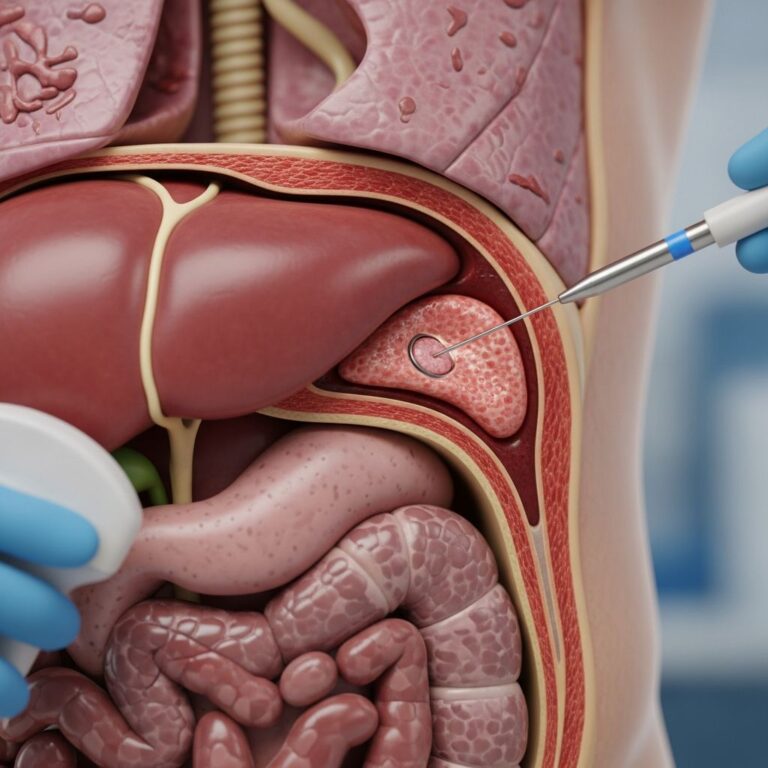
Administer deep intramuscularly into a large muscle mass, such as the upper outer quadrant of the gluteus maximus or ventrogluteal site. Use a 21-23 gauge needle (1.5-2 inches for adults). Aspirate to avoid vascular injection, which can cause cardiac arrest or embolism.
- Avoid intravenous, subcutaneous, or intradermal routes.
- Do not massage site post-injection to prevent rapid absorption.
- Shake suspension well; viscosity resembles peanut butter, hence military slang “Peanut Butter Shot.”
Healthcare providers in clinics or hospitals perform injections due to risks.
Potential Side Effects and Risks
While effective, side effects occur:
- Common: Injection site pain, swelling, tenderness (affects most patients).
- Serious allergic reactions: Rash, hives, anaphylaxis (1-10 per 10,000 doses). Contraindicated in penicillin-allergic patients.
- Jarisch-Herxheimer reaction: Fever, chills in syphilis treatment from bacterial die-off.
- Rare: Neurotoxicity, pseudomembranous colitis, serum sickness.
Related Stories



Pain management: Apply warm compresses post-injection. Monitor for 30 minutes after administration for anaphylaxis.
Who Should Avoid This Medication
Contraindications include:
- Known penicillin hypersensitivity or cephalosporin cross-reactivity.
- Neurosyphilis (use aqueous crystalline penicillin G).
- Intrathecal administration history.
- Epicutaneous testing for allergy confirmation.
Pregnancy: Category B, safe with no increased malformation risk. Use cautiously in renal impairment; adjust intervals.
Drug Interactions and Monitoring
Interactions:
- Probenecid prolongs levels.
- Avoid bacteriostatic antibiotics (e.g., tetracycline) as they antagonize effect.
- Warfarin: Potential INR changes.
Monitor: Renal function, allergy history, treatment response via serology for syphilis or throat cultures.
Special Considerations in Different Populations
Pregnant Patients
Preferred for maternal syphilis treatment to prevent congenital transmission. Single 2.4 million unit dose.
Pediatrics
Weight-based dosing prevents undertreatment. Essential for rheumatic fever prevention in endemic areas.
Military and High-Risk Groups
Routine prophylaxis reduces outbreak risks.
Storage and Handling
Store refrigerated at 2-8°C. Do not freeze. Use immediately after reconstitution if applicable. Discard if discolored.
Cost and Accessibility
Affordable generic; e.g., 2.4 million unit dose around $6 per syringe in some markets, though varies. Available globally via WHO essential medicines list.
Frequently Asked Questions (FAQs)
What makes benzathine penicillin long-acting?
The benzathine salt forms a repository in muscle, slowly hydrolyzing to release penicillin over weeks.
Does it treat viral infections?
No, only bacterial; ineffective against colds, flu, or viruses.
How painful is the injection?
Very viscous, causing significant site pain lasting days. Warm compresses help.
Can I get it for strep if allergic to oral penicillin?
No, allergy contraindicates all forms. Use alternatives like clindamycin.
Is it safe during breastfeeding?
Yes, minimal excretion into milk.
How soon after injection does it work?
Therapeutic levels within hours, peak efficacy over days for prophylaxis.
Clinical Evidence and Ongoing Relevance
No Streptococcus pyogenes resistance reported, preserving utility amid rising antibiotic resistance. StatPearls highlights its role in syphilis eradication efforts. Cleveland Clinic notes hospital administration for safety.
In rheumatic heart disease prevention, regular injections dramatically lower recurrence rates, vital in low-resource settings.
References
- Benzathine benzylpenicillin – Wikipedia — Wikipedia contributors. 2024. https://en.wikipedia.org/wiki/Benzathine_benzylpenicillin
- Benzathine Penicillin – StatPearls — NCBI Bookshelf. 2023-10-01. https://www.ncbi.nlm.nih.gov/books/NBK507723/
- Penicillin G Benzathine: Uses & Side Effects — Cleveland Clinic. 2024. https://my.clevelandclinic.org/health/drugs/20943-penicillin-g-benzathine-injection
- Penicillin G benzathine (Bicillin L-A): Uses, Side Effects — GoodRx. 2024. https://www.goodrx.com/bicillin-l-a/what-is
Similar Articles








Read full bio of medha deb