Benzocaine Gel for Oral Use: Benefits and Safety
Complete guide to benzocaine gel for mouth pain relief and safe usage guidelines.
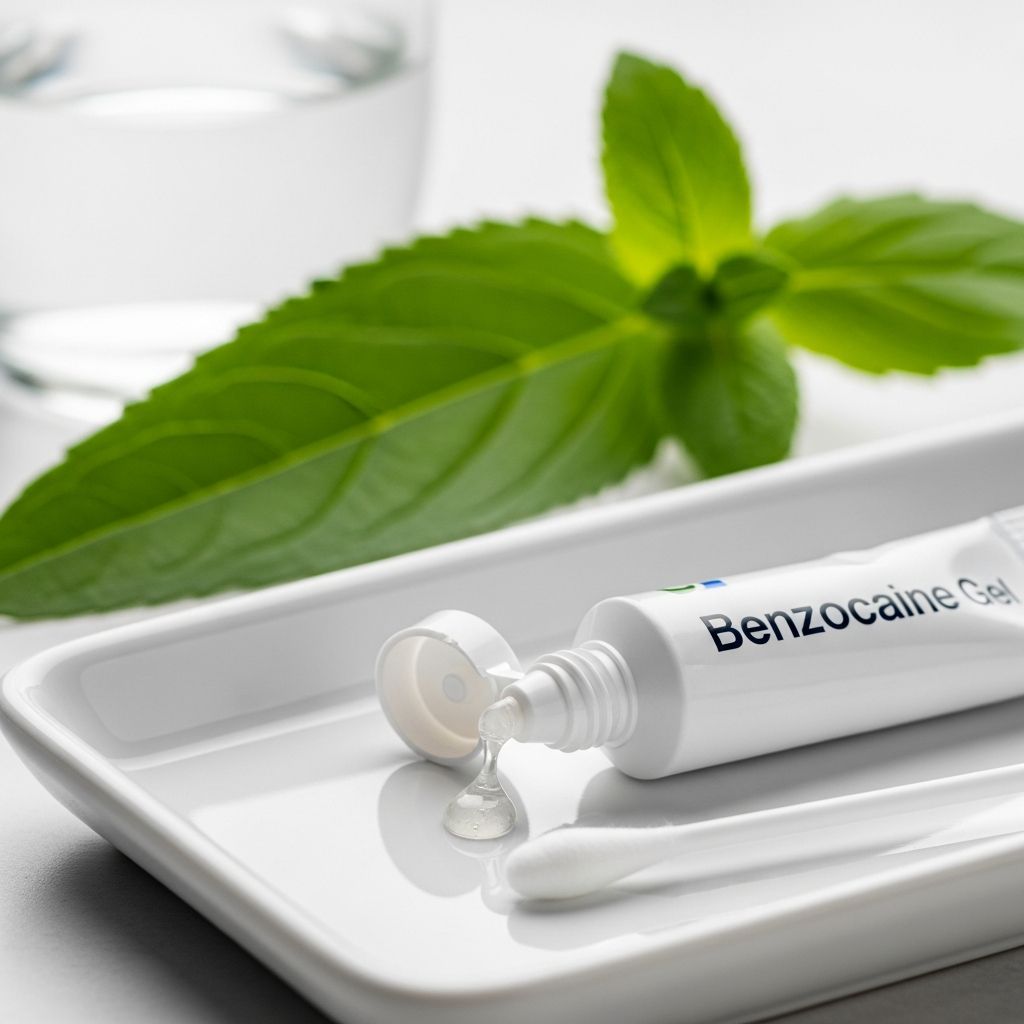
What is Benzocaine Gel?
Benzocaine is a local anesthetic medication that provides temporary relief from minor pain and irritation in your mouth and throat. When applied as a gel, paste, or solution, benzocaine works by numbing the affected area, making it an effective option for managing various oral discomforts. The medication belongs to a group of drugs called local anesthetics, which work by blocking nerve signals in the area where they are applied. This numbing effect allows patients to experience pain relief without requiring systemic medication that enters the bloodstream.
Common Uses of Benzocaine Oral Gel
Benzocaine gel is used to relieve various types of oral and throat pain. Here are the primary conditions it treats:
- Toothache and dental pain
- Painful or sore gums
- Canker sores
- Irritation from braces, retainers, or dentures
- Minor pain from dental work
- Sore throat
The medication provides short-term relief while your body naturally heals the affected area. It is particularly useful for managing discomfort from dental procedures or orthodontic work, allowing patients to continue their daily activities with minimal pain interference.
How to Apply Benzocaine Gel Properly
Correct application of benzocaine gel is essential for both effectiveness and safety. Before applying the medication, wash your hands thoroughly to prevent introducing bacteria into your mouth. Then follow these application guidelines:
- Apply the gel directly to the affected area of your mouth or gums as directed on the product label
- Use only the amount recommended by your healthcare provider or indicated on the medication label
- Apply the gel no more frequently than four times daily
- After application, wash your hands again to remove any remaining medication
- Allow the numbing effect to fully take hold before eating or drinking
Always follow the specific directions provided with your medication, as different formulations may have slightly different application instructions. If you are unsure about proper usage, consult your healthcare provider or pharmacist before applying the gel.
Important Precautions and Warnings
While benzocaine gel is available over-the-counter, it carries several important safety considerations that must be understood before use.
Age Restrictions and Teething Concerns
One of the most critical safety precautions involves age restrictions. Benzocaine should not be used to treat teething or mouth pain in children younger than 2 years old. While the medication may be used in children as young as 2 years for selected conditions, this requires specific medical guidance. The FDA has warned that benzocaine carries serious risks for infants and provides little to no benefit for treating teething pain. The agency has urged manufacturers to stop marketing benzocaine products for treating teething in children younger than 2 years, and has indicated a willingness to remove such products from the market if manufacturers do not comply.
Duration of Use
This medication is not intended for long-term use. Patients should not use benzocaine for longer than directed on the label or by their healthcare team. If your condition does not improve within a few days, or if you notice redness, itching, or swelling, contact your healthcare provider immediately.
Broken or Damaged Skin
Do not apply this medication to large areas of broken or damaged skin. If the affected area shows signs of significant damage, consult your healthcare provider before use.
Serious Risk: Methemoglobinemia
Benzocaine carries a rare but potentially serious risk of causing methemoglobinemia, a condition in which the amount of oxygen carried through the blood is greatly reduced. This life-threatening condition can result in death if left untreated. Research has shown that benzocaine generates significantly more methemoglobin than other local anesthetics like lidocaine.
Related Stories



Symptoms to Watch For
Seek medical attention immediately if you experience any of the following symptoms after using benzocaine, as they may indicate methemoglobinemia:
- Pale, gray, or blue-colored skin, lips, and nail beds
- Shortness of breath
- Fatigue or extreme tiredness
- Confusion or difficulty thinking clearly
- Headache
- Lightheadedness or dizziness
- Fast or irregular heart rate
These symptoms may appear within minutes to one or two hours after using benzocaine. Importantly, they can occur after using benzocaine for the first time, as well as after previous uses without incident.
Side Effects of Benzocaine Gel
Serious Side Effects
Contact your healthcare team immediately if you experience any of the following serious side effects:
- Signs of methemoglobinemia (as listed above)
- Severe allergic reactions
- Unusual bruising or bleeding
- Respiratory distress
Common Side Effects
These side effects usually do not require immediate medical attention but should be reported if they continue or become bothersome:
- Temporary numbness or tingling
- Mild irritation at the application site
- Temporary taste changes
- Mild discomfort during application
Medical Conditions That Require Special Attention
Before using benzocaine gel, inform your healthcare team if you have any of the following conditions, as they may require special precautions or alternative treatment options:
- Blood disorders or abnormalities
- Allergies to local anesthetics or related medications
- Liver or kidney disease
- Heart conditions
- Respiratory conditions
- Currently taking other medications that may interact with benzocaine
Tips for Avoiding Numbness-Related Injury
After applying benzocaine gel, the affected area of your mouth will be numb. This numbness requires special care to prevent accidental injury:
- Avoid chewing gum or food until the numbness wears off completely
- Be careful not to bite your tongue, cheek, or lip while the area is numb
- Be cautious with hot beverages or foods until sensation returns
- Allow the numbing effect to completely resolve before engaging in activities requiring full oral sensation
The temporary loss of sensation is a normal part of how benzocaine works, but it requires conscious attention to prevent self-injury.
Alternative Treatments for Mouth Pain
The FDA recommends several alternative treatments for managing oral pain, particularly for infants and young children:
- Dilute salt water mouth rinse
- Over-the-counter pain relief medications (as appropriate for age)
- Regular oral health checkups with a dentist
- Proper oral hygiene practices
For adults experiencing chronic mouth problems, the American Dental Association recommends maintaining detailed records of dietary triggers, keeping track of oral hygiene products used, avoiding tobacco products, and moderating alcohol consumption.
When to Contact Your Healthcare Provider
Seek professional medical advice if you experience any of the following:
- Your condition does not improve within a few days of using benzocaine
- You notice redness, itching, or swelling in the treated area
- You experience any symptoms of methemoglobinemia
- You have allergic reactions to the medication
- Your symptoms worsen or new symptoms develop
- You are uncertain about whether benzocaine is appropriate for your specific condition
Special Considerations for Different Populations
Children
For children, consult with your healthcare team about the appropriate use of benzocaine gel, as special precautions apply. Children 2 years and older may use benzocaine under proper guidance, but younger children should not use this medication for oral pain or teething.
Pregnancy
If you are pregnant or planning to become pregnant, discuss benzocaine use with your healthcare provider to ensure it is safe for your specific situation.
Seniors and Patients with Multiple Conditions
Older adults and those with complex medical histories should inform their healthcare provider about all medications and conditions before using benzocaine, as interactions and complications are more likely in these populations.
Frequently Asked Questions About Benzocaine Gel
Q: How quickly does benzocaine gel work?
A: Benzocaine typically begins to numb the affected area within a few minutes of application, with maximum numbness usually achieved within 5-15 minutes. The duration of numbing effects typically lasts 15 minutes to several hours depending on the specific formulation.
Q: Can I use benzocaine gel more than four times a day?
A: No. The FDA recommends applying benzocaine no more than four times daily. Using the medication more frequently increases the risk of side effects and does not provide additional pain relief benefit.
Q: Is benzocaine safe during pregnancy?
A: Consult your healthcare provider before using benzocaine during pregnancy. While it is a topical medication with limited systemic absorption, your healthcare team should evaluate whether it is appropriate for your specific situation.
Q: What should I do if I accidentally ingest benzocaine gel?
A: While small amounts of benzocaine from topical application are generally safe, significant ingestion may cause side effects. Contact poison control or your healthcare provider if you believe you have ingested a significant amount of the medication.
Q: Can benzocaine gel be used for sore throats in children?
A: Benzocaine products for sore throats may be used in children under specific circumstances, but age-appropriate formulations and dosages must be used. Always consult your child’s healthcare provider before administering any medication for throat pain.
Q: How do I store benzocaine gel?
A: Store benzocaine gel at room temperature, away from heat, moisture, and direct sunlight. Keep the product in its original container and ensure it is kept out of reach of children. Check the expiration date before each use and discard expired products properly.
Q: What should I do if my symptoms persist after using benzocaine?
A: If your condition does not improve within a few days or worsens, contact your healthcare provider. Persistent oral pain may indicate an underlying condition requiring professional dental evaluation or alternative treatment.
References
- Benzocaine (Anbesol, HurriCaine, Orajel, and Others) – Uses, Side Effects — WebMD. Accessed December 1, 2025. https://www.webmd.com/drugs/2/drug-1564-1459/benzocaine-topical-mucous-membrane/benzocaine-mucous-membrane/details
- Benzocaine Gel (Oral): Uses & Side Effects — Cleveland Clinic. Accessed December 1, 2025. https://my.clevelandclinic.org/health/drugs/20991-benzocaine-dental-or-oral-gel-paste-or-solution
- Risk of Serious and Potentially Fatal Blood Disorder Prompts FDA Action on Oral Over-the-Counter Benzocaine Products — U.S. Food and Drug Administration. May 23, 2018. https://www.fda.gov/drugs/drug-safety-and-availability/risk-serious-and-potentially-fatal-blood-disorder-prompts-fda-action-oral-over-counter-benzocaine
- Safety Information on Benzocaine-Containing Products — U.S. Food and Drug Administration. Accessed December 1, 2025. https://www.fda.gov/drugs/postmarket-drug-safety-information-patients-and-providers/safety-information-benzocaine-containing-products
- Benzocaine (oral route, oromucosal route) – Side effects & dosage — Mayo Clinic. Accessed December 1, 2025. https://www.mayoclinic.org/drugs-supplements/benzocaine-oral-route-oromucosal-route/description/drg-20072824
Similar Articles








Read full bio of Sneha Tete