Benzophenone Allergy: Causes, Symptoms & Treatment
Understanding benzophenone allergies: photoallergy reactions, diagnosis methods, and effective management strategies.
Benzophenone Allergy: A Comprehensive Guide
Benzophenone allergy represents a significant concern in dermatology, particularly as benzophenones continue to be widely incorporated into numerous consumer products beyond traditional sunscreens. This contact allergen can provoke various dermatological reactions, ranging from mild contact dermatitis to severe photoallergic responses. Understanding the nature of benzophenone allergy, its clinical presentation, diagnostic criteria, and management strategies is essential for both healthcare professionals and patients seeking to protect their skin health.
What Is Benzophenone?
Benzophenones are a class of organic UV-absorbing chemicals commonly used as active ingredients in sunscreens and other personal care products. The most prevalent form implicated in allergic reactions is benzophenone-3, also known as oxybenzone, though other benzophenone derivatives such as benzophenone-4 are also used in cosmetic formulations. These compounds function by absorbing ultraviolet radiation and converting it into heat, thereby protecting skin from UV damage. However, their widespread use has made them increasingly recognized as common contact allergens and photoallergens.
Benzophenones are not limited to sunscreen products alone. Patients may encounter these chemicals in unexpected sources, including shampoos, hair conditioners, fragrances, cosmetics, and various personal care items. This broad distribution across product categories means that individuals may be exposed to benzophenones without conscious awareness, complicating diagnosis and management of allergic reactions.
Types of Benzophenone Allergic Reactions
Benzophenone allergy can manifest in several distinct forms, each with unique characteristics and clinical presentations:
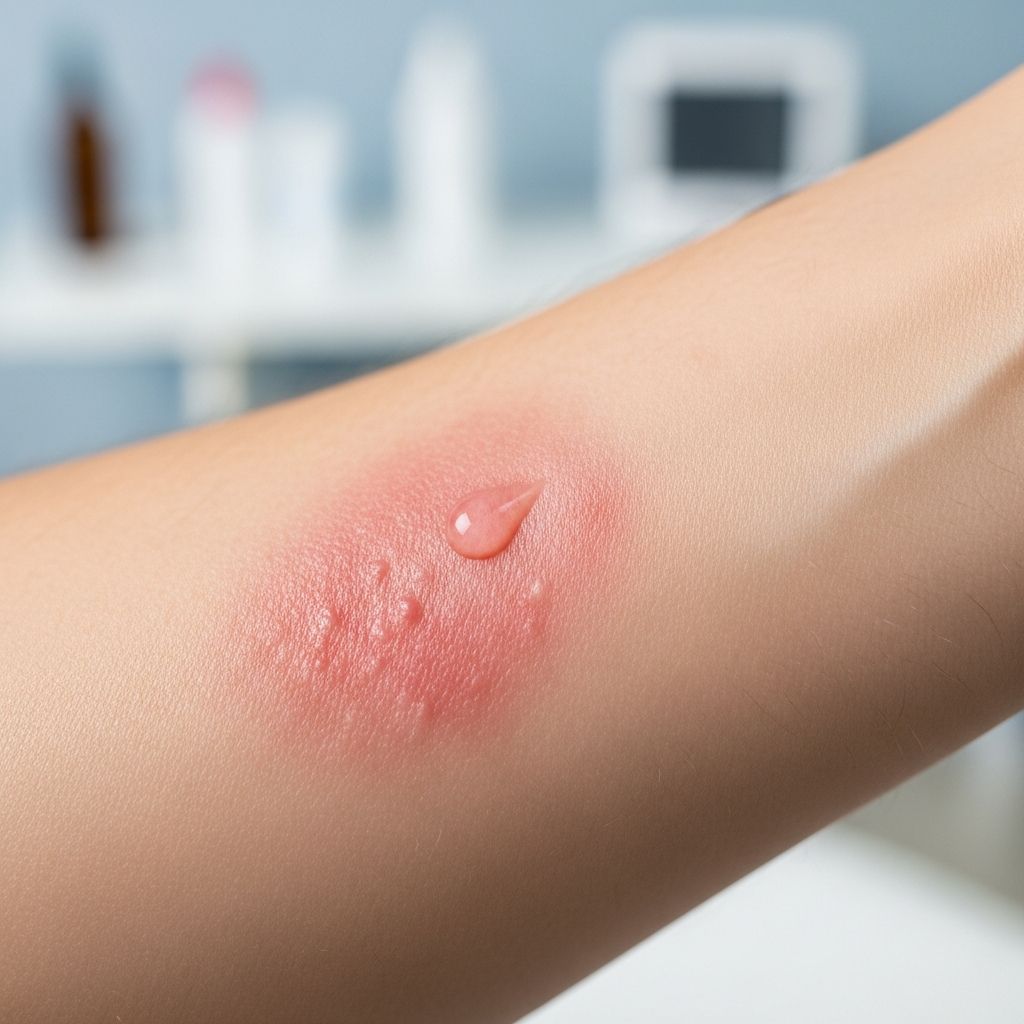
- Photoallergic Contact Dermatitis: This represents the most common presentation of benzophenone allergy. In photoallergic reactions, the benzophenone molecule becomes activated by UV light exposure, triggering an immune-mediated response in sensitized individuals. Symptoms typically develop within 24 hours following sun exposure and present with erythema, pruritus, and sometimes vesiculation on sun-exposed areas where the product was applied.
- Allergic Contact Dermatitis: Some individuals may develop delayed contact dermatitis without requiring UV light activation. This form typically appears within 48 to 72 hours of skin contact with benzophenone-containing products and presents as localized inflammation and itching at the site of contact.
- Photoallergic Contact Urticaria: Benzophenones may produce urticarial reactions in addition to dermatitis, characterized by raised, pruritic wheals that appear shortly after sun exposure in individuals with benzophenone sensitivity. This form can occasionally progress to more severe reactions.
- Phototoxic Reactions: In some cases, high concentrations of benzophenone may cause direct phototoxic effects independent of immune sensitization, resulting in exaggerated sunburn-like reactions.
Clinical Presentation and Symptoms
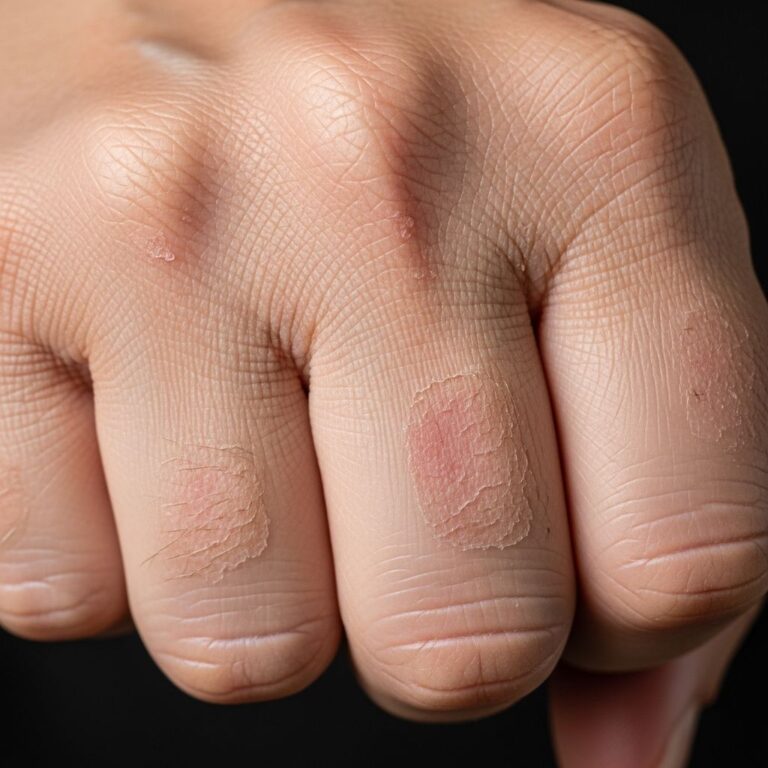
The clinical manifestations of benzophenone allergy vary depending on the type of reaction and individual sensitivity levels. Patients with benzophenone allergy commonly present with patchy erythema localized to the face and neck, areas typically exposed to both sun and sunscreen application. The erythema associated with benzophenone allergy is often not characteristically eczematous in appearance, which can lead to diagnostic confusion with other conditions.
Typical symptoms of benzophenone allergy include:
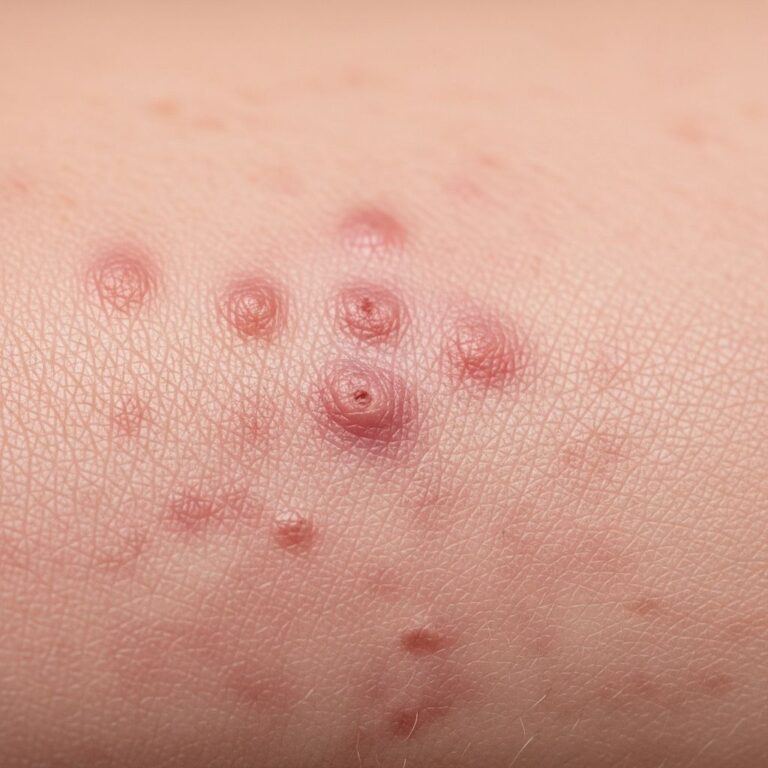
- Skin redness and erythema on exposed areas
- Intense itching and pruritus
- Burning or stinging sensations
- Swelling and edema, particularly affecting facial features
- Hives or urticarial lesions
- Blistering or fluid-filled vesicles in severe cases
- Eczema-like patches with possible oozing or crusting
- Sensitivity to sunlight in affected areas
These symptoms may develop immediately after applying products containing benzophenone, though in some cases they may be delayed, appearing only after subsequent sun exposure. The delayed nature of photoallergic reactions can obscure the connection between product use and symptom onset, leading patients and clinicians to attribute symptoms to other causes.
Differential Diagnosis Considerations
The distinctive presentation of benzophenone allergy—patchy facial and neck erythema that is not typically eczematous—may otherwise be attributed to several conditions that require consideration during diagnosis. The differential diagnosis includes rosacea diathesis, lupus erythematosus, simple flushing, or idiopathic facial erythema. Because benzophenone allergy can mimic these conditions, careful history taking and appropriate testing are necessary to establish the correct diagnosis. Clinicians should specifically inquire about sunscreen use, exposure to cosmetics, and the temporal relationship between product application and symptom development.
Related Stories



Risk Factors and Susceptible Populations
Certain individuals face increased risk of developing benzophenone allergy. People with preexisting skin conditions such as eczema, atopic dermatitis, and psoriasis demonstrate heightened susceptibility to benzophenone sensitization. Individuals with compromised skin barrier function are more likely to develop contact sensitization to topical allergens.
Additional risk factors include:
- Occupational sun exposure requiring frequent sunscreen application
- Previously sun-damaged or chronically photodamaged skin
- History of other contact allergies or atopic conditions
- Repeated or prolonged exposure to benzophenone-containing products
- Use of multiple products containing benzophenone simultaneously
- Application of sunscreen over other cosmetic products containing benzophenones
Diagnostic Approach
Establishing a diagnosis of benzophenone allergy requires a systematic approach combining clinical evaluation with appropriate testing. The diagnosis begins with a detailed history documenting exposure to sunscreens, cosmetics, and personal care products, with particular attention to temporal relationships between product use and symptom development. Healthcare providers should ask patients to identify all products applied to affected areas.
Patch testing and photopatch testing represent the gold standard diagnostic methods for confirming benzophenone allergy:
- Patch Testing: This procedure involves applying standardized allergen concentrations to the patient’s skin under occlusion for 48 hours. A positive reaction, characterized by erythema, papules, or vesicles at the test site, indicates allergic contact sensitivity. Benzophenone-containing products or pure benzophenone can be tested using this method.
- Photopatch Testing: This modified technique combines patch testing with controlled UV light exposure. After 24 hours of occlusion, one set of patches is exposed to a standard dose of UVA radiation while control patches remain unexposed. Photopatch testing is particularly valuable for identifying photoallergic reactions, as positive reactions may appear only on the irradiated sites.
- Open Testing: Patients may perform simple open patch tests on small skin areas, such as the inner forearm, to screen for reactions to specific products before formal testing. Reactions appearing within a few hours to several days indicate potential allergy.
Testing should include both pure benzophenone allergens and the intact products suspected of causing reactions, as formulation components may influence reactivity.
Management and Treatment Strategies
The cornerstone of benzophenone allergy management involves strict avoidance of benzophenone-containing products. Once allergy is confirmed through testing, patients must avoid all products listing benzophenone, oxybenzone (benzophenone-3), benzophenone-4, or related compounds in their ingredient lists. This avoidance extends beyond obvious sunscreen products to include shampoos, conditioners, cosmetics, fragrances, and other personal care items.
For acute allergic reactions, several treatment approaches provide symptomatic relief:
- Cold Compresses: Application of cold, wet compresses to affected areas reduces inflammation, pain, and pruritus, providing immediate symptomatic relief.
- Skin Moisturizers: Non-irritating moisturizers such as petroleum jelly or calamine lotion help restore skin barrier function and reduce discomfort.
- Antihistamines: Oral antihistamines help alleviate itching and may reduce urticarial responses. Topical antihistamines should be avoided due to risk of sensitization.
- Topical Corticosteroids: Mild to moderate potency topical corticosteroids effectively reduce inflammation and itching associated with benzophenone dermatitis. Appropriate steroid selection based on affected area and severity is essential.
- Systemic Corticosteroids: Severe or widespread reactions may require short courses of systemic corticosteroids to control inflammation, though this should be reserved for significant reactions.
Sun Protection Without Benzophenone
Individuals with benzophenone allergy face the challenge of protecting their skin from UV damage while avoiding the allergen. Mineral or physical sunscreens containing zinc oxide or titanium dioxide represent the safest alternatives, as these ingredients work by physically reflecting UV radiation rather than absorbing it. Mineral sunscreens have a low allergenic potential and are generally well-tolerated even by individuals with sensitive skin or contact allergies.
Additional sun protection strategies include:
- Seeking shade during peak UV hours (10 AM to 4 PM)
- Wearing protective clothing, including long sleeves, pants, and wide-brimmed hats
- Using UV-protective sunglasses
- Applying sunscreen to limited exposed areas when outdoor activities cannot be avoided
- Selecting fragrance-free and preservative-free sunscreen formulations to minimize additional irritants
Prevention and Awareness
Preventing benzophenone allergy development requires awareness of product contents and careful selection of personal care items. Individuals should read ingredient labels thoroughly and recognize alternative names for benzophenone compounds. Those with known atopic tendencies or existing contact allergies should consider using benzophenone-free products proactively, as sensitization can develop with repeated exposure.
Healthcare providers should educate patients about hidden sources of benzophenones in products beyond sunscreens. Counseling patients to maintain logs of products used and reactions observed helps establish causative relationships and guide future product selection. For individuals with severe or recurrent reactions, referral to an allergist for comprehensive testing ensures identification of all relevant allergens.
Severe Reactions and Anaphylaxis
Although rare, benzophenone-3 has demonstrated potential to cause severe allergic reactions, including anaphylaxis. While sunscreen-induced anaphylaxis remains uncommon, individuals should be aware of warning signs indicating a severe reaction requiring emergency medical attention. Symptoms of anaphylaxis include difficulty breathing, wheezing, throat tightness, facial or body swelling, chest tightness, hoarse voice, difficulty swallowing, gastrointestinal symptoms, and rapid pulse. Immediate medical attention or emergency services should be sought if these symptoms develop.
Frequently Asked Questions
Q: How can I determine if my skin reaction is due to benzophenone allergy?
A: Consult a dermatologist who can perform patch and photopatch testing to confirm benzophenone allergy. Keep a detailed log of products used and note the timing and characteristics of any reactions.
Q: Are all sunscreens unsafe for people with benzophenone allergy?
A: No. Mineral sunscreens containing zinc oxide or titanium dioxide are safe alternatives that effectively protect skin without containing benzophenone or other problematic chemical filters.
Q: Can benzophenone allergy develop suddenly after years of using products?
A: Yes. Contact allergies can develop at any time with repeated exposure. Sensitization may occur gradually, then suddenly manifest with noticeable symptoms during or after sun exposure.
Q: What should I do if I experience facial swelling related to sunscreen use?
A: Seek immediate medical attention. Facial swelling may indicate a severe allergic reaction requiring antihistamine or corticosteroid treatment.
Q: Are benzophenones found in products other than sunscreen?
A: Yes. Benzophenones appear in shampoos, conditioners, cosmetics, fragrances, and various other personal care products. Always check ingredient lists carefully.
Q: How long does it take for benzophenone allergy symptoms to appear?
A: Symptoms may appear within hours of product application or be delayed until after sun exposure. Photoallergic reactions typically develop within 24 hours of sun exposure.
Conclusion
Benzophenone allergy represents an increasingly recognized form of contact and photoallergic dermatitis with significant implications for patient care and product safety. The widespread use of benzophenones in diverse consumer products necessitates clinical awareness and patient education regarding potential allergic reactions. Accurate diagnosis through patch and photopatch testing enables appropriate management strategies centered on allergen avoidance and symptom relief. Individuals with benzophenone allergy can effectively protect their skin through mineral-based sunscreens, protective clothing, and careful product selection. Healthcare providers should maintain a high index of suspicion for benzophenone allergy in patients presenting with unexplained facial and neck erythema, particularly those with histories of sunscreen use. With proper diagnosis, management, and patient education, individuals with benzophenone allergy can maintain adequate sun protection while avoiding allergic reactions.
References
- Facial erythema as a result of benzophenone allergy — National Library of Medicine (PubMed). 2004. https://pubmed.ncbi.nlm.nih.gov/14576646/
- Sunscreen Allergy: Symptoms, Diagnosis, and Remedies — Medical News Today. 2024. https://www.medicalnewstoday.com/articles/sunscreen-allergy
- Sunscreen Allergy Symptoms & Treatment — New York Allergy and Sinus Centers. 2024. https://www.nyallergy.com/sunscreen-allergy/
- Sunscreen Allergy: Causes, Symptoms, and Safer Alternatives — Allergy Los Angeles. 2024. https://allergylosangeles.com/allergy-blog/sunscreen-allergy-causes-symptoms-and-safer-alternatives/
- My Child is Allergic to Sunscreen: What Can I Use? — Dermatology Skin Health. 2024. https://dermskinhealth.com/my-child-is-allergic-to-sunscreen-what-can-i-use/
- Benzophenone 4 Patient Information — Smart Practice Canada. 2024. https://www.smartpracticecanada.com/spcanada/pdfs/all-allergens/SS506.pdf
Similar Articles








Read full bio of medha deb