Benzoyl Peroxide: 5 Formulations, Uses, Dosage & Safety
Comprehensive guide to benzoyl peroxide: uses, mechanisms, formulations, application, side effects, and acne treatment strategies.
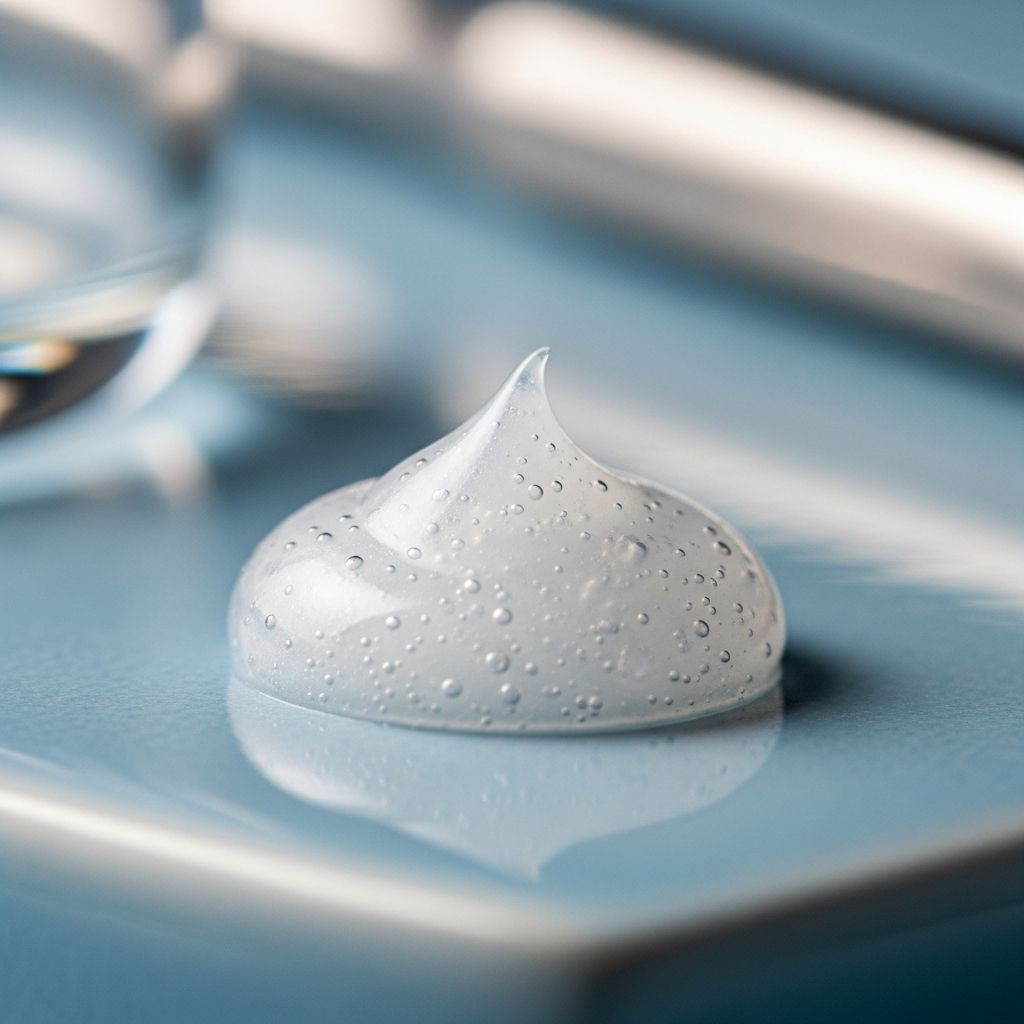
Benzoyl peroxide is a widely used topical medication primarily for treating acne vulgaris, available over-the-counter (OTC) and by prescription. It exhibits bactericidal activity against Cutibacterium acnes (formerly Propionibacterium acnes), reduces inflammation, and prevents comedone formation through mild sebostatic and keratolytic effects.
What is benzoyl peroxide?
Benzoyl peroxide is an organic peroxide compound that breaks down on the skin to release oxygen, effectively killing anaerobic bacteria like C. acnes responsible for acne. Developed over six decades ago, it remains a cornerstone of acne therapy due to its efficacy and lack of bacterial resistance development, unlike topical antibiotics.
Who is benzoyl peroxide used for?
Benzoyl peroxide is suitable for adolescents and adults with mild to moderate acne vulgaris, including inflammatory lesions such as papules, pustules, nodules, and cysts. It is also FDA-approved for rosacea in specific formulations like microencapsulated 5% cream for papulopustular subtypes. Off-label uses include folliculitis, pseudofolliculitis barbae, and certain ulcers.
What does benzoyl peroxide treat?
Acne vulgaris
According to the 2024 American Academy of Dermatology (AAD) guidelines, benzoyl peroxide is first-line for acne, often combined with topical retinoids or antibiotics to enhance efficacy and prevent resistance. It targets inflammatory acne by reducing C. acnes by up to 98% after two weeks of 10% application.
Rosacea
Microencapsulated benzoyl peroxide 5% cream (e.g., Epsolay®) treats moderate to severe papulopustular rosacea, reducing papules, pustules, and telangiectasia with minimal irritation.
Off-label uses
- Gram-negative and non-infectious folliculitis
- Pseudofolliculitis barbae
- Progressive macular hypomelanosis
- Pressure ulcers and perforating diseases
These applications leverage its antibacterial and tissue-promoting properties.
How does benzoyl peroxide work?
Upon skin application, benzoyl peroxide penetrates follicles and decomposes into benzoic acid and free radical oxygen. The oxygen is toxic to C. acnes, oxidizing bacterial proteins and reducing free fatty acids by 50%. It also mildly unplugs pores (keratolytic) and controls sebum (sebostatic), aiding comedonal acne resolution. In ulcers, it stimulates granulation tissue.
Formulations of benzoyl peroxide
Benzoyl peroxide is available in various OTC and prescription forms:
| Form | Concentration | Typical Use |
|---|---|---|
| Gel/Jelly | 2.5–10% | Spot treatment or full-face application |
| Cream/Lotion | 4–10% | Moisturizing for dry skin |
| Face wash/Foam | 4–10% | Daily cleansing, leave-on 1–2 min |
| Soap/Cleansing bar | 5–10% | 1–3 times daily |
| Microencapsulated cream | 5% | Rosacea (prescription) |
Combination products include benzoyl peroxide with adapalene, clindamycin, or erythromycin for synergistic effects.
Dosage and application instructions
Adult dosage
- Cleansing bars/washes: 1–3 times daily.
- Gels/creams: Start with 2.5–5% once daily (evening), increase to twice daily if tolerated.
- Spot treatments: Apply thinly to lesions 1–2 times daily.
- Rosacea cream: Once daily as prescribed.
- Masks: Thin layer for 15–25 minutes weekly.
Paediatric dosage
For children ≥12 years: Same as adults, under medical supervision for younger.
Application tips: Wash skin, pat dry, apply pea-sized amount to affected areas (avoid eyes/mouth). Start low to build tolerance. Use sunscreen (SPF 30+) as it increases photosensitivity.
Pharmacokinetics
Related Stories



About 5% is systemically absorbed, metabolized to benzoic acid, and renally excreted. Local effects predominate with minimal systemic risk.
Adverse effects
Common dose-related effects include:
- Dryness, peeling, erythema (30–60% users)
- Irritation, burning, itching
- Bleaching of fabrics/hair
Rare: Allergic contact dermatitis (patch test if suspected). Acne may worsen initially (purging). Minimize by starting low, moisturizing, and combining with non-comedogenic products.
Precautions
- Pregnancy/Breastfeeding: Category C; use if benefits outweigh risks.
- Avoid eyes, mucous membranes, open wounds.
- Photosensitizing: Use SPF.
- Do not combine with tretinoin without spacing (inactivates it).
Drug interactions
- Topical retinoids: Apply separately (AM/PM).
- Antibiotics: Enhances efficacy, no resistance.
- Salicylic acid: May increase irritation; alternate days.
No significant systemic interactions.
Resistance and combinations
Unlike antibiotics, no resistance to benzoyl peroxide develops. AAD recommends combinations: benzoyl peroxide + retinoid ± antibiotic for optimal results.
Frequently Asked Questions
Q: How long until benzoyl peroxide works?
A: Improvement in 2–4 weeks; full effects in 8–12 weeks. C. acnes reduces 98% in 2 weeks.
Q: Is benzoyl peroxide safe for sensitive skin?
A: Start with 2.5% or washes; moisturize to reduce irritation.
Q: Can benzoyl peroxide treat body acne?
A: Yes, use body washes/foams for back/chest.
Q: Does it bleach clothes?
A: Yes; allow to dry fully, use white towels.
Q: Is it better than salicylic acid?
A: Benzoyl peroxide kills bacteria; salicylic unclogs pores. Use both for comprehensive treatment.
References
- Benzoyl Peroxide – StatPearls — NCBI Bookshelf/NCBI. 2023-10-01. https://www.ncbi.nlm.nih.gov/books/NBK537220/
- How to Treat Acne with Benzoyl Peroxide — Healthline. 2023-08-15. https://www.healthline.com/health/benzoyl-peroxide-for-acne
- Salicylic Acid vs. Benzoyl Peroxide for Acne-Prone Skin — CeraVe. 2024-01-10. https://www.cerave.com/skin-smarts/skin-concerns/acne/salicylic-acid-vs-benzoyl-peroxide
- What Is Benzoyl Peroxide — Neutrogena. 2023-11-20. https://www.neutrogena.com/the-bar/skincare-glossary/benzoyl-peroxide
- Benzoyl peroxide (topical route) — Mayo Clinic. 2024-05-01. https://www.mayoclinic.org/drugs-supplements/benzoyl-peroxide-topical-route/description/drg-20062425
Similar Articles








Read full bio of Sneha Tete