Benzoyl Peroxide: Effective Acne Treatment Guide
Complete guide to benzoyl peroxide treatment for acne and rosacea management.
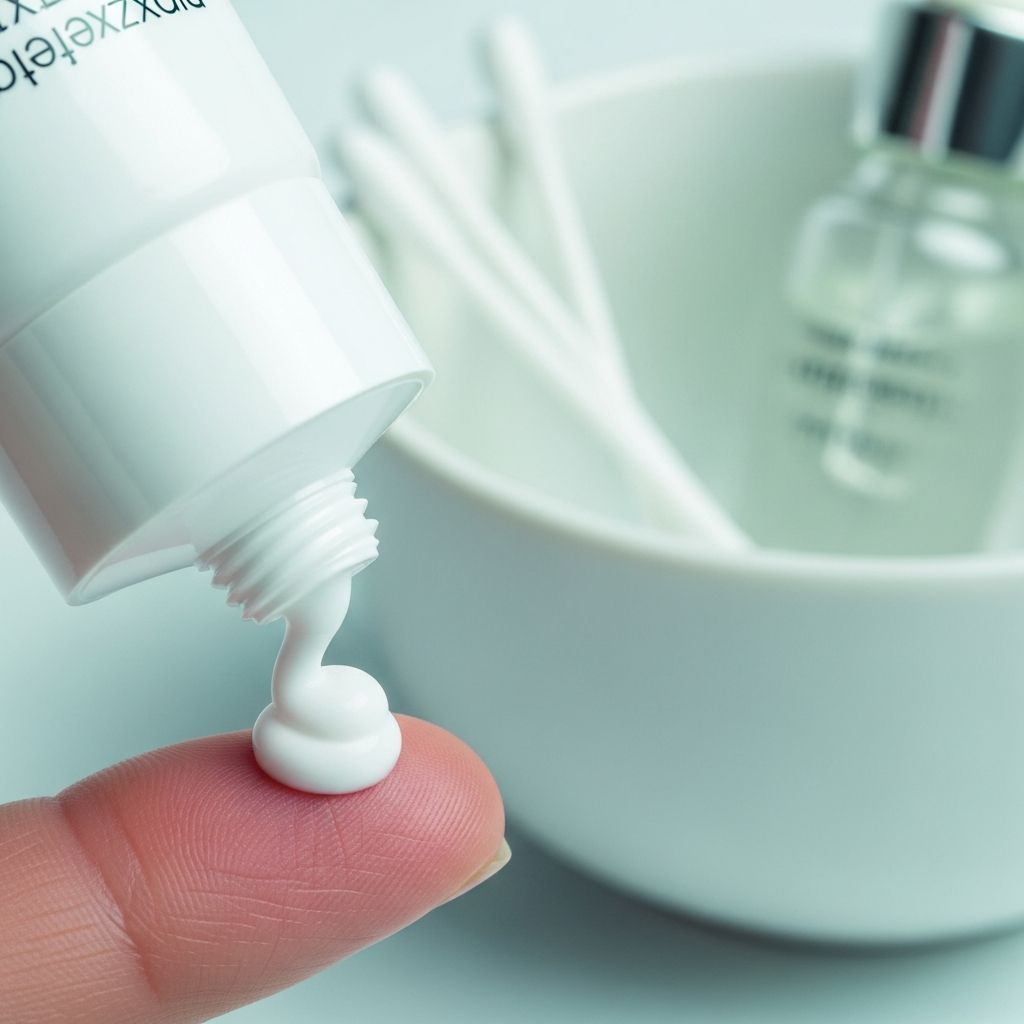
What Is Benzoyl Peroxide?
Benzoyl peroxide is a topical medication available in multiple formulations including cream, gel, and lotion that effectively treats mild to moderate acne and certain cases of rosacea. This FDA-approved medication has been a cornerstone of acne treatment since the 1930s and remains one of the most widely recommended over-the-counter options by dermatologists. Benzoyl peroxide belongs to a group of medications classified as antiseptics and works through multiple mechanisms to improve skin condition.
How Benzoyl Peroxide Works
Benzoyl peroxide functions through several complementary mechanisms to combat acne and improve skin health. The primary action involves killing acne-causing bacteria, particularly Propionibacterium acnes (P. acnes). Once absorbed by the skin, benzoyl peroxide essentially eliminates the bacteria responsible for inflammatory acne lesions and breakouts.
Beyond bacterial elimination, benzoyl peroxide decreases inflammation and helps unclog pores by promoting the shedding of dead skin cells that can lead to blocked pores. This dual action makes it particularly effective for treating active breakouts while helping prevent future acne formation. The medication works by creating an oxygen-rich environment in the pores, which is inhospitable to the anaerobic bacteria that thrive in blocked follicles.
Uses and Treatment Conditions
While benzoyl peroxide is primarily known for treating acne vulgaris, its applications extend to other skin conditions. Acne vulgaris, the most common type of acne, causes blackheads, whiteheads, and various types of pimples that often appear on the face, chest, shoulders, and back.
In addition to acne treatment, certain forms of benzoyl peroxide are used to treat rosacea, a chronic skin condition characterized by facial redness and pus-filled bumps. For rosacea sufferers, benzoyl peroxide can significantly reduce inflammatory lesions and associated symptoms. Epsolay®, a prescription benzoyl peroxide topical cream, is specifically indicated for treating inflammatory lesions caused by rosacea in adults.
Available Forms and Formulations
Benzoyl peroxide is available in numerous formulations to accommodate different skin types and treatment preferences. The medication comes in the following dosage forms:
- Cream
- Gel
- Lotion
- Soap and cleansing lotions
- Liquid solutions
- Foam formulations
- Pads
- Stick formulations
The variety of formulations allows patients to select the option that best suits their skin type and lifestyle. Gel and lotion formulations tend to work well for oily and combination skin types, while creams may be preferable for dry or sensitive skin. Cleansing formulations can be integrated into daily skincare routines as part of morning and evening washing protocols.
Dosage and Application Instructions
Proper application is essential for maximizing benzoyl peroxide effectiveness while minimizing potential side effects. Before applying the medication, ensure your skin is thoroughly clean and completely dry. Use a gentle, nonmedicated soap and water or a mild cleanser to prepare the affected area, then pat dry gently with a clean towel.
For Cream Formulations
When using benzoyl peroxide cream, prime the pump by pressing down until the first drop of cream is released. Apply a thin layer to the affected areas and gently rub it in. For adults and children 12 years of age and older, use on the affected area(s) of the skin 1 or 2 times daily, unless otherwise directed by your healthcare provider.
Related Stories



For Gel, Lotion, or Stick Formulations
Apply enough medicine to cover the affected areas and rub in gently. Gel and lotion formulations typically require application 1 to 4 times daily for adults and children 12 years and older, depending on the specific product concentration and your skin’s response. Stick formulations are generally applied 1 to 3 times daily to affected areas.
As a Spot Treatment
For localized acne, dab a small amount directly onto individual pimples after washing your face. A little product goes a long way, so use sparingly. Allow the treatment to fully dry before layering additional skincare products or makeup on top.
As a Full-Face Treatment
If you have more than a few scattered pimples, spread a thin layer of benzoyl peroxide cream or gel over the entire affected area without rinsing. This comprehensive application approach helps prevent new breakouts from forming across larger areas of concern.
Frequency of Use Considerations
The frequency of benzoyl peroxide application depends on your skin type and product strength. Most skin types can tolerate benzoyl peroxide applied twice daily. However, individuals with sensitive skin may find daily use too drying and should reduce application to 2 or 3 times per week. Additionally, some products are formulated for daily use, while others are designed for once-weekly application, so always follow the specific instructions on your product’s label.
Expected Results and Timeline
Understanding realistic expectations is crucial when starting benzoyl peroxide treatment. It typically takes several weeks to months for benzoyl peroxide to produce noticeable results. During the initial treatment period, acne may appear to worsen before improving, a phenomenon sometimes called “acne purging.” This temporary worsening occurs as the medication brings bacteria and sebum to the skin’s surface. Despite this initial flare-up, continued consistent use is usually required to see significant improvement in your acne condition.
When used as part of a consistent acne routine, benzoyl peroxide can help visibly clear existing acne and help prevent new acne breakouts from forming. Most patients begin noticing meaningful improvements after 4 to 8 weeks of consistent use, making patience and adherence to the treatment regimen essential for success.
Benzoyl Peroxide vs. Other Acne Treatments
Benzoyl peroxide and salicylic acid are two of the most popular over-the-counter acne treatments, but they work through different mechanisms. Benzoyl peroxide works by killing acne-causing bacteria deep within pores and is particularly effective for whiteheads and red, raised inflammatory bumps. Salicylic acid, a beta-hydroxy acid, prevents pores from becoming clogged by promoting the skin’s natural exfoliation process, making it ideal for gentle exfoliation and comedone prevention.
Rather than choosing between these two ingredients, many dermatologists recommend using both products in combination for enhanced results. A practical approach involves using a cleanser formulated with one active ingredient and pairing it with a leave-on treatment containing the other active ingredient, allowing you to benefit from both bacteria-killing and exfoliating properties.
Side Effects and Precautions
While benzoyl peroxide is generally well-tolerated, it can cause certain side effects. The most common side effect is skin irritation, including pain, redness, itching, and swelling at the application site. These effects are typically mild and often diminish as your skin adjusts to the medication with continued use.
One important consideration is that benzoyl peroxide and other acne medications can make skin extra sensitive to ultraviolet (UV) light. Therefore, protecting your skin with a sun-protection factor (SPF) of 30 or higher is essential when using benzoyl peroxide. Additionally, avoid tanning beds and prolonged sun exposure to prevent excessive skin sensitivity and potential sunburn.
If you experience significant side effects after using benzoyl peroxide, stop using the product and contact your healthcare provider for guidance. Severe irritation, allergic reactions, or other concerning symptoms should be evaluated by a medical professional to determine if an alternative treatment approach is necessary.
Age Considerations and Use in Children
Benzoyl peroxide can be used by adults and children 12 years of age and older at standard dosing recommendations. However, for children younger than 12 years of age, the use and appropriate dose must be determined by a physician. Younger children may require lower concentrations or alternative acne treatments better suited to their developing skin, so professional guidance is essential before treating acne in this age group.
Application Tips for Optimal Results
To maximize the effectiveness of benzoyl peroxide treatment, follow these evidence-based recommendations:
- Always apply the product to clean, dry skin for optimal penetration and effectiveness
- Start with a lower concentration if you have sensitive skin and gradually increase as tolerance develops
- Use consistent timing, applying the medication at the same time each day to maintain steady therapeutic levels
- Apply sunscreen daily with SPF 30 or higher due to increased UV sensitivity
- Avoid using additional drying products immediately after benzoyl peroxide application
- Allow the product to fully dry before layering other skincare products or makeup
- Follow label instructions precisely regarding frequency and amount of product to use
- Be patient, as meaningful results typically take 4 to 8 weeks of consistent use
Integration Into Your Skincare Routine
Benzoyl peroxide should be integrated thoughtfully into your existing skincare regimen. Acne cleansers containing benzoyl peroxide represent an important first step in any acne skincare routine. These cleansing products can be used morning and night to establish the foundation of your treatment protocol. Following cleansing, targeted benzoyl peroxide treatments in cream, gel, or lotion form can be applied to specific problem areas or across affected regions of the face and body.
When combining benzoyl peroxide with other skincare products, avoid layering multiple drying or irritating ingredients that could exacerbate skin sensitivity. If using retinoids or antibiotics alongside benzoyl peroxide, consult with your healthcare provider to ensure safe and effective combination therapy.
Frequently Asked Questions
Q: Is benzoyl peroxide available over-the-counter?
A: Yes, many benzoyl peroxide products are available over-the-counter in various formulations including creams, gels, cleansers, and lotions. However, some benzoyl peroxide products, especially those combined with antibiotics or retinoids, are only available through prescription.
Q: How long does benzoyl peroxide take to work?
A: It typically takes several weeks to months for benzoyl peroxide to produce noticeable results. Most patients see meaningful improvement after 4 to 8 weeks of consistent, daily use. Initial acne may appear to worsen before improving due to the medication bringing impurities to the skin’s surface.
Q: Can benzoyl peroxide cause acne to get worse initially?
A: Yes, during the initial treatment period, acne may seem to get worse before improving. However, continued use is usually required to see results. This temporary worsening typically indicates the medication is working and should resolve with continued consistent application.
Q: Is benzoyl peroxide an exfoliant?
A: No, benzoyl peroxide is not an exfoliant in the traditional sense. It is a topical medication that kills bacteria but does not actively help the skin shed debris or dead cells in the same way as chemical or physical exfoliants. However, it does promote the shedding of dead skin cells indirectly.
Q: Can benzoyl peroxide be used for rosacea?
A: Yes, some forms of benzoyl peroxide are used to treat rosacea, particularly the inflammatory lesions associated with this condition. Certain prescription-strength formulations like Epsolay® are specifically designed for rosacea treatment in adults.
Q: What should I avoid while using benzoyl peroxide?
A: Avoid prolonged sun exposure and tanning beds, as benzoyl peroxide increases skin sensitivity to UV light. Always use sunscreen with SPF 30 or higher. Additionally, avoid combining with other potentially irritating products without consulting your healthcare provider.
References
- Benzoyl Peroxide: Benefits, Uses and Side Effects for Skin — CVS Health. 2025. https://www.cvs.com/learn/beauty/skin-care/benzoyl-peroxide-benefits
- Benzoyl Peroxide (Topical Route) — Description — Mayo Clinic. 2024. https://www.mayoclinic.org/drugs-supplements/benzoyl-peroxide-topical-route/description/drg-20062425
- Facts About Benzoyl Peroxide in Skincare — CeraVe. 2025. https://www.cerave.com/ingredients-in-cerave/benzoyl-peroxide
- Benzoyl Peroxide Answers — Clean & Clear. 2025. https://www.cleanandclear.com/the-spot/benzoyl-peroxide-questions-answered
- Benzoyl Peroxide: Acne Treatment — Cleveland Clinic. 2024. https://my.clevelandclinic.org/health/drugs/18363-benzoyl-peroxide-cream-gel-or-lotion
- Benzoyl Peroxide — Uses, Side Effects, and More — WebMD. 2024. https://www.webmd.com/drugs/2/drug-1344/benzoyl-peroxide-topical/details
Similar Articles








Read full bio of Sneha Tete