Benzoyl Peroxide for Acne: Complete Guide to Treatment
Learn how benzoyl peroxide works to treat acne, usage instructions, and what to expect.
About Benzoyl Peroxide
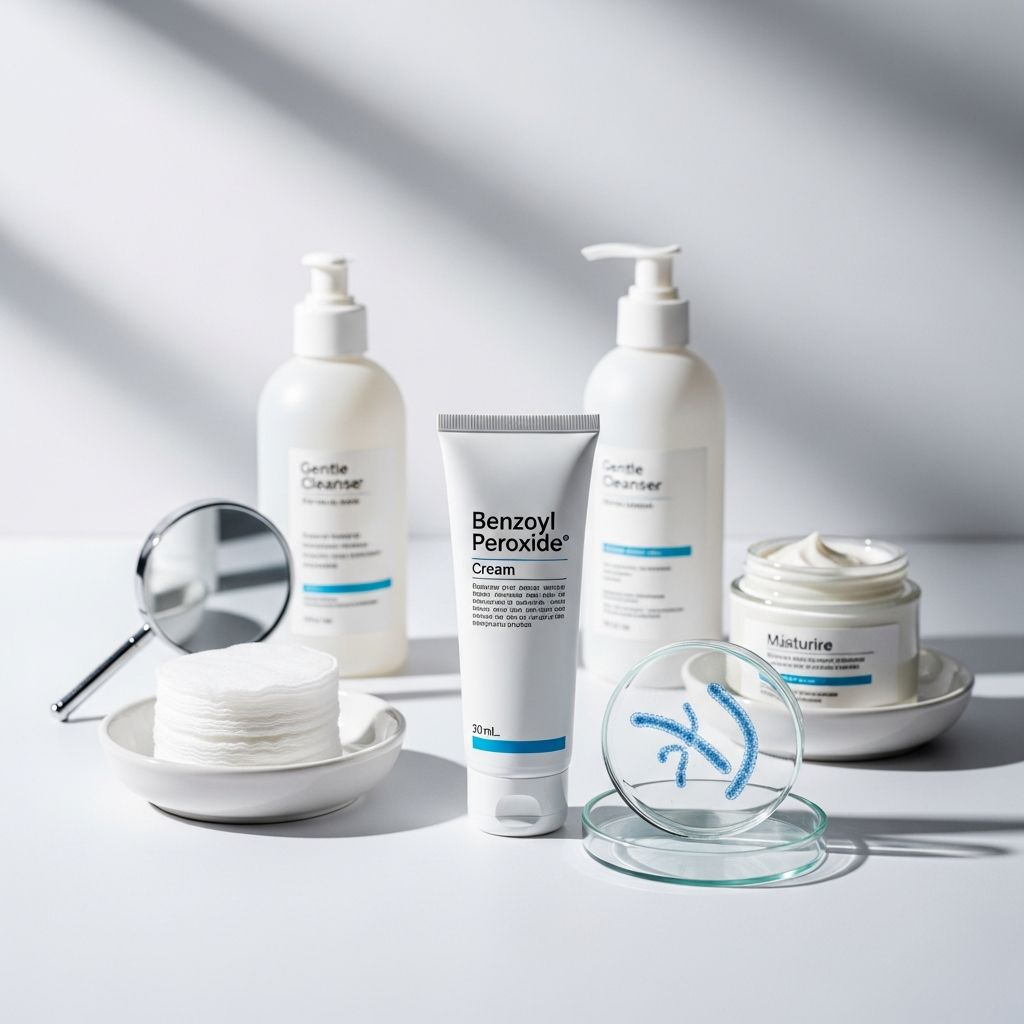
Benzoyl peroxide is a widely used topical medication for treating acne. It is available both as an over-the-counter preparation and as a prescription medication approved by the FDA for acne vulgaris. This versatile treatment comes in various formulations and strengths, making it accessible to many people seeking effective acne management.
The medication is available under various brand names, most commonly as Acnecide®, and can be purchased without a prescription at most pharmacies. You can find benzoyl peroxide in multiple forms including gels, liquid washes, creams, soaps, foams, and pads. The strength typically ranges from 2.5% to 10%, with 5% being the most commonly available over-the-counter concentration.
| Type of Medicine | A rub-on (topical) skin preparation for acne |
|---|---|
| Used for | Mild or moderate acne |
| Also called | Acnecide® |
| Available as | Gel, liquid wash, cream, soap, foam, and pads |
How Benzoyl Peroxide Works
Benzoyl peroxide operates through three primary mechanisms to combat acne effectively. Understanding how this medication works can help you appreciate its effectiveness and use it more confidently in your skincare routine.
Three Key Actions
- Kills bacteria: Benzoyl peroxide is bactericidal, meaning it actively kills acne-causing bacteria. It is specifically effective against Cutibacterium acnes (previously known as Propionibacterium acnes), a key component in acne development. After applying 10% benzoyl peroxide daily for just 2 weeks, the amount of acne-causing bacteria in hair follicles decreased by 98%.
- Reduces inflammation: The medication has anti-inflammatory properties that help calm red, irritated skin and reduce the appearance of inflamed spots and pimples.
- Unplugs blocked pores: Benzoyl peroxide exhibits mild sebostatic and keratolytic effects, helping to break down excess oil and dead skin cells that clog pores, which is why it effectively clears blackheads and whiteheads (comedones).
Mechanism at the Cellular Level
When applied to the skin, benzoyl peroxide penetrates and is converted into benzoic acid. Approximately 5% of the benzoic acid is absorbed into the bloodstream and excreted through the kidneys, while the remaining benzoic acid is metabolized in the skin by cysteine. This process releases active free-radical oxygen species that oxidize bacterial proteins, effectively destroying the bacteria responsible for acne.
Beyond bacterial control, benzoyl peroxide also reduces lipids and free fatty acids on the skin’s surface. This lipid reduction is significant because excess oils contribute to acne formation. Additionally, unlike other topical antibiotics, drug resistance has not been found to develop with benzoyl peroxide use, making it a reliable long-term treatment option.
How to Use Benzoyl Peroxide
Proper application is essential for achieving the best results with benzoyl peroxide. Following the correct procedure helps maximize effectiveness while minimizing potential side effects.
Preparation and Application Steps
- Read the manufacturer’s printed information leaflet included in the product packaging before starting treatment.
- Wash the affected area thoroughly with soap and water.
- Gently dry the area with a towel.
- Wait approximately 15 minutes before applying benzoyl peroxide, allowing the skin to dry completely.
- Apply a thin layer of the preparation to the entire area where your spots occur, not just to individual spots.
- Initially, you may choose to wash off the preparation after a few hours; gradually increase the duration you leave it on your skin as your skin builds tolerance.
Related Stories



Frequency and Duration
It is recommended that you apply benzoyl peroxide once or twice each day, depending on your skin type and tolerance level. For those with sensitive skin or who experience excessive redness or peeling, starting with a single application in the evening is advisable.
Patience is crucial when using benzoyl peroxide. You should continue treatment for at least six weeks before evaluating its effectiveness. Many people abandon treatment prematurely, thinking it isn’t working, when in fact improvements take time. Generally, benzoyl peroxide will start to work within 4 weeks, but full benefits may take 6 to 8 weeks to become apparent.
Maintenance Treatment
Once your acne has cleared, it is common for flare-ups to occur if treatment is stopped completely. To prevent recurrence, continue with a maintenance treatment regimen. Many people find that applying a lower-strength preparation every other day is sufficient to keep acne at bay.
What to Expect During Treatment
Understanding what changes to expect helps you stay committed to your treatment plan and recognize whether the medication is working as intended.
Initial Side Effects
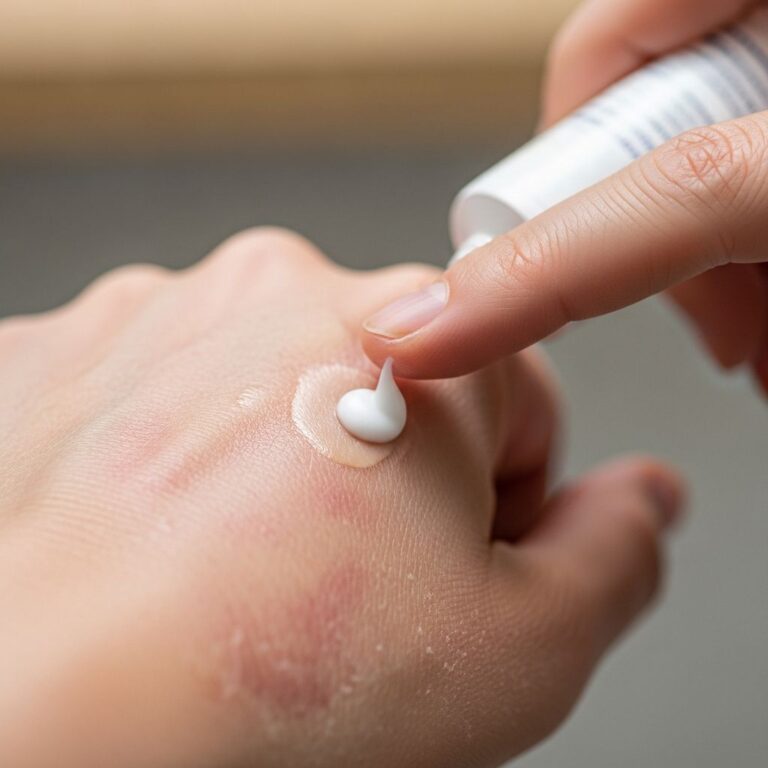
During the first few days of treatment, skin redness and peeling will probably occur. This is a normal reaction and should soon pass as your skin adjusts to the medication. Your skin may also feel warm, and you might experience tingling or slight stinging sensations. These initial responses are temporary and typically resolve within a week.
When to Adjust Usage
If side effects become troublesome, reduce the frequency of application or the length of time you leave the preparation on your skin. Some people find that applying the treatment once daily instead of twice helps while their skin builds tolerance. If irritation persists, you can stop using the product for a few days to allow your skin to recover, then resume with less frequent application.
Expected Timeline for Improvement
Acne improvement with benzoyl peroxide is not immediate. You may need to use the product for 4 to 6 weeks before noticeable improvement occurs.[10] In some cases, acne may even appear to worsen initially before improving—this is sometimes called a “purging” phase. This temporary worsening is actually a sign that the medication is working, as it brings bacteria and impurities to the skin’s surface.
Managing Side Effects
While benzoyl peroxide is generally well-tolerated, some users experience side effects that can be managed with simple adjustments.
Common Side Effects and Solutions
- Dry skin, itching, and irritation: If these symptoms become troublesome, reduce how often you use the preparation. You can also temporarily stop using it for a few days, then resume with less frequent application.
- Redness and peeling: These typically occur when starting treatment but usually pass after a few days. Until your skin recovers, reduce application frequency or shorten the time you leave the preparation on your skin.
- Allergic reactions: Before first use, especially if you have sensitive skin, you may want to perform a patch test on a small area to ensure you do not have an allergic reaction.
- Bleaching of hair and clothing: Try not to get any of the preparation on your hair or clothing, as benzoyl peroxide can cause bleaching.
Benzoyl Peroxide Strengths
Benzoyl peroxide is available in several different strengths, allowing you to choose the concentration that works best for your skin type and acne severity. The most commonly available concentrations are 2.5%, 4%, 5%, and 10%. Most people start with a lower strength like 2.5% or 5% and may increase the concentration if needed. Higher strengths are more potent but also more likely to cause irritation in sensitive skin types.
When to See Your Doctor
While benzoyl peroxide is effective for mild to moderate acne, certain situations warrant professional medical advice. If your skin has not improved after two months of consistent use, make an appointment to speak with your doctor, who will advise you about other suitable preparations to try. Additionally, if you experience severe or persistent side effects, allergic reactions, or if your acne worsens significantly despite treatment, consult a healthcare provider. For rosacea and refractory cases of acne vulgaris, dermatologist consultation may be necessary.
Combining Benzoyl Peroxide with Other Treatments
According to the latest guidelines from the American Academy of Dermatology (AAD) in 2024, benzoyl peroxide is most effective when combined with other acne therapies. The AAD recommends using fixed-dose combinations such as topical retinoids with benzoyl peroxide, and endorses benzoyl peroxide combined with topical retinoids and topical antibiotics. For more severe cases, systemic antibiotics can be incorporated with benzoyl peroxide and other topical therapies. Studies have consistently shown that combining antibiotics or retinoids with benzoyl peroxide is more productive than using either medication alone.
Frequently Asked Questions
Q: How long does it take for benzoyl peroxide to work?
A: Benzoyl peroxide will usually start to work within 4 weeks, though some people may not see full results for 6 to 8 weeks. It’s important to continue using it consistently during this period before deciding if it’s effective.
Q: Can I use benzoyl peroxide if I have sensitive skin?
A: Yes, but you should start with a lower concentration (2.5% or 5%) and apply it once daily, preferably in the evening. You can gradually increase frequency as your skin builds tolerance.
Q: What should I do if benzoyl peroxide makes my skin too red and peely?
A: Reduce the frequency of application or the time you leave it on your skin. If irritation persists, stop using it for a few days to let your skin recover, then resume with less frequent use.
Q: Can benzoyl peroxide be used long-term?
A: Yes, benzoyl peroxide can be used long-term as a maintenance treatment once your acne has cleared. Many people use it on an every-other-day basis to prevent acne recurrence.
Q: Will my skin develop resistance to benzoyl peroxide?
A: No, unlike other topical antibiotics, drug resistance has not been found to develop with benzoyl peroxide use, making it a reliable long-term treatment option.
Q: Can benzoyl peroxide be combined with other acne treatments?
A: Yes, in fact, combining benzoyl peroxide with topical retinoids, antibiotics, or other treatments is often more effective than using benzoyl peroxide alone. Consult your doctor about the best combination for your specific acne.
Q: Should I apply benzoyl peroxide to wet or dry skin?
A: Apply benzoyl peroxide to completely dry skin, about 15 minutes after washing and drying your face with a towel.
Q: What if my acne doesn’t improve after two months?
A: Make an appointment with your doctor or dermatologist. They can assess your acne severity and recommend alternative or additional treatments that may be more suitable for your specific situation.
References
- Benzoyl Peroxide — National Center for Biotechnology Information (NCBI), StatPearls. 2024. https://www.ncbi.nlm.nih.gov/books/NBK537220/
- Benzoyl Peroxide for Acne — Patient.info. 2025. https://patient.info/medicine/benzoyl-peroxide-for-acne-acnecide
- Acne Treatments — Patient.info. 2025. https://patient.info/skin-conditions/acne-leaflet/acne-treatments
- Acne: Treatment With Benzoyl Peroxide — ColumbiaDoctors. 2025. https://www.columbiadoctors.org/health-library/article/acne-treatment-benzoyl-peroxide/
- Benzoyl Peroxide (Topical Route): Side Effects and Dosage — Mayo Clinic. 2025. https://www.mayoclinic.org/drugs-supplements/benzoyl-peroxide-topical-route/description/drg-20062425
- How and When to Use Benzoyl Peroxide — National Health Service (NHS). 2025. https://www.nhs.uk/medicines/benzoyl-peroxide/how-and-when-to-use-benzoyl-peroxide/
Similar Articles








Read full bio of Sneha Tete