Benzoyl Peroxide Guide: Uses, Benefits, And Side Effects
Everything you need to know about benzoyl peroxide for acne treatment, including uses, benefits, side effects, and safety tips.
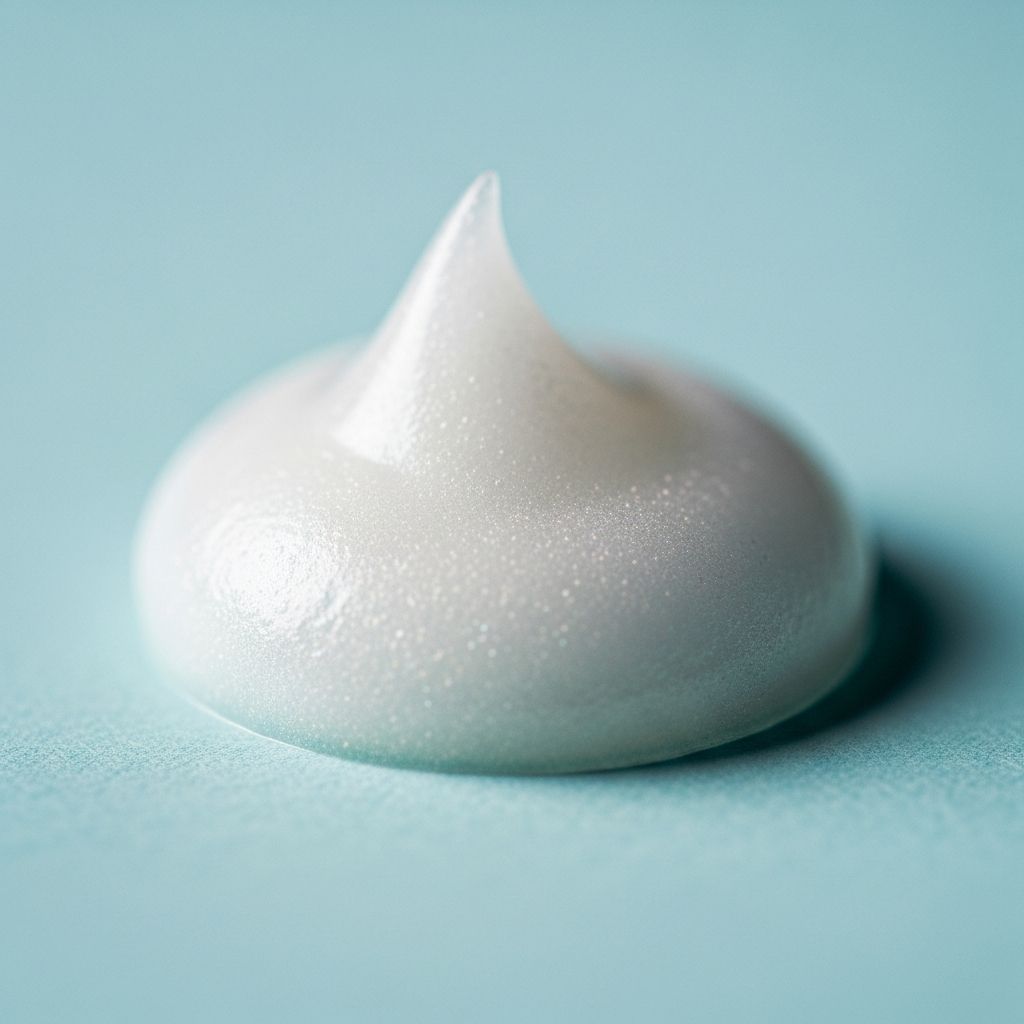
Benzoyl peroxide is a widely used over-the-counter (OTC) topical medication primarily for treating acne vulgaris. It works by killing acne-causing bacteria, reducing inflammation, and unclogging pores through its keratolytic and sebostatic properties.
What Is Benzoyl Peroxide?
Benzoyl peroxide is an organic compound that acts as a potent antibacterial agent against Cutibacterium acnes (formerly Propionibacterium acnes), the bacteria implicated in acne development. Available in concentrations from 2.5% to 10%, it comes in forms like gels, creams, lotions, washes, and pads. Unlike antibiotics, it does not promote bacterial resistance, making it a cornerstone of acne therapy.
The medication penetrates the skin, breaks down into benzoic acid and oxygen free radicals, which oxidize bacterial proteins and reduce free fatty acids in sebum. This dual action decreases C. acnes by up to 98% after two weeks of daily 10% application.
How Does Benzoyl Peroxide Work?
Benzoyl peroxide exerts bactericidal effects by releasing active oxygen species that destroy C. acnes within hair follicles. It also mildly exfoliates dead skin cells (keratolytic effect) and controls oil production (sebostatic effect), addressing multiple acne factors: bacteria, clogged pores, and excess oil.
- Bactericidal: Kills C. acnes without resistance.
- Keratolytic: Unclogs comedones (blackheads and whiteheads).
- Anti-inflammatory: Reduces redness and swelling.
- Sebostatic: Limits sebum production.
Studies show it stimulates granulation tissue in ulcers, aiding wound healing.
Uses for Benzoyl Peroxide
Benzoyl peroxide is FDA-approved for acne vulgaris and recommended by the American Academy of Dermatology (AAD) guidelines as a first-line treatment, often combined with retinoids or antibiotics.
Acne Vulgaris
Effective for mild to moderate inflammatory and comedonal acne. AAD 2024 guidelines endorse monotherapy or combinations like benzoyl peroxide with adapalene or clindamycin.
Rosacea
Microencapsulated 5% benzoyl peroxide cream treats moderate to severe papulopustular rosacea, reducing papules, pustules, and telangiectasia.
Off-Label Uses
- Folliculitis (gram-negative, non-infectious, drug-induced).
- Pseudofolliculitis barbae.
- Progressive macular hypomelanosis.
- Pressure ulcers.
- Perforating diseases.
Benefits of Benzoyl Peroxide
Key advantages include rapid action (visible improvement in 2-4 weeks), OTC availability, low resistance risk, and synergy with other treatments. It outperforms antibiotics alone in reducing free fatty acids and bacteria.
- Targets root causes without systemic side effects.
- Prevents antibiotic resistance when combined.
- Safe for long-term use in most patients.
Benzoyl Peroxide Concentrations: Which Strength Is Right?
| Concentration | Best For | Pros | Cons |
|---|---|---|---|
| 2.5% | Sensitive skin, beginners | Gentle, less irritation | Slower results |
| 5% | Mild-moderate acne, rosacea | Balanced efficacy/irritation | May bleach fabrics |
| 10% | Severe acne | Fastest action | Higher dryness risk |
Start low (2.5%) to build tolerance; higher strengths are not always more effective.
How to Use Benzoyl Peroxide
Apply a thin layer to clean, dry affected areas 1-2 times daily. Use washes for 1-2 minutes before rinsing. Patch test first.
- Wash face with gentle cleanser; pat dry.
- Apply pea-sized amount; avoid eyes/mouth.
- Wait 15-20 minutes before moisturizer.
- Use sunscreen (SPF 30+); it increases sun sensitivity.
- Start every other day to minimize irritation.
For combinations, apply benzoyl peroxide at night if using retinoids in the morning.
Side Effects of Benzoyl Peroxide
Common issues are dose-related and transient:
- Dryness/Flaking (most common): Up to 70% of users; use moisturizer.
- Redness/Irritation: Itching, burning.
- Peeling: Especially at higher strengths.
- Bleaching: Towels, hair, clothing (use white fabrics).
Related Stories



Rare: Allergic contact dermatitis (stop use). No systemic absorption concerns; 5% benzoic acid excreted renally.
Benzoyl Peroxide Safety Concerns: Cancer Risk?
Recent fears arose from potential benzene degradation under high heat (>40°C/104°F). A 2025 UTMB study in the Journal of the American Academy of Dermatology analyzed TriNetX data from 63+ organizations, finding no association between benzoyl peroxide use and malignancies like leukemia or lymphoma. Store below 25°C (77°F), away from heat.
Valisure recalls affected some products, but proper storage mitigates risk.
Who Should Not Use Benzoyl Peroxide?
- Allergic to benzoyl peroxide or benzoic acid.
- Very sensitive skin (try alternatives first).
- Pregnant/breastfeeding: Generally safe topically, consult doctor.
- Using with irritants like retinoids initially (build tolerance).
No major drug interactions; enhances antibiotic efficacy.
Benzoyl Peroxide vs. Other Acne Treatments
| Treatment | Mechanism | Resistance Risk | Irritation |
|---|---|---|---|
| Benzoyl Peroxide | Bacteria-killing, keratolytic | Low | Moderate |
| Salicylic Acid | Exfoliates pores | None | Mild |
| Retinoids (e.g., Adapalene) | Cell turnover, unclogs | None | High initially |
| Topical Antibiotics | Kills bacteria | High | Low |
Best in combos: Benzoyl peroxide + retinoid + antibiotic per AAD.
Tips for Success with Benzoyl Peroxide
- Moisturize daily with non-comedogenic products.
- Avoid harsh scrubs/alcohol-based products.
- Be patient: Full results in 4-12 weeks.
- Consult dermatologist for persistent acne.
- Store properly to prevent degradation.
Frequently Asked Questions (FAQs)
Can benzoyl peroxide cause cancer?
No evidence links it to cancer. A 2025 study confirmed no malignancy risk with proper storage.
Does benzoyl peroxide bleach clothes?
Yes, due to oxidizing properties; use old white towels and pillowcases.
How long until benzoyl peroxide works?
Improvement in 2-4 weeks; clearer skin in 8-12 weeks.
Can I use benzoyl peroxide while pregnant?
Likely safe topically (low absorption); consult healthcare provider.
Is benzoyl peroxide better than salicylic acid?
Benzoyl peroxide targets bacteria best; salicylic acid unclogs pores. Use both for comprehensive care.
When to See a Dermatologist
Seek professional help if no improvement after 12 weeks, severe cystic acne, scarring, or excessive irritation. Prescription combos or oral meds may be needed.
References
- Benzoyl Peroxide – StatPearls — NCBI Bookshelf. 2023 (updated). https://www.ncbi.nlm.nih.gov/books/NBK537220/
- UTMB Study Confirms Benzoyl Peroxide Safety and No Link to Cancer Risk — University of Texas Medical Branch. 2025-02-06. https://www.utmb.edu/news/article/utmb-news/2025/02/06/utmb-study-confirms-benzoyl-peroxide-safety-and-no-link-to-cancer-risk
- Benzoyl peroxide for acne: Side effects and benefits — Medical News Today. 2023 (updated). https://www.medicalnewstoday.com/articles/benzoyl-peroxide-for-acne
Similar Articles








Read full bio of medha deb