Berberine: Nature’s Ozempic? Safety and Benefits
Is berberine truly 'nature's Ozempic'? Explore its potential benefits for weight loss, blood sugar, heart health, and more, plus safety concerns.
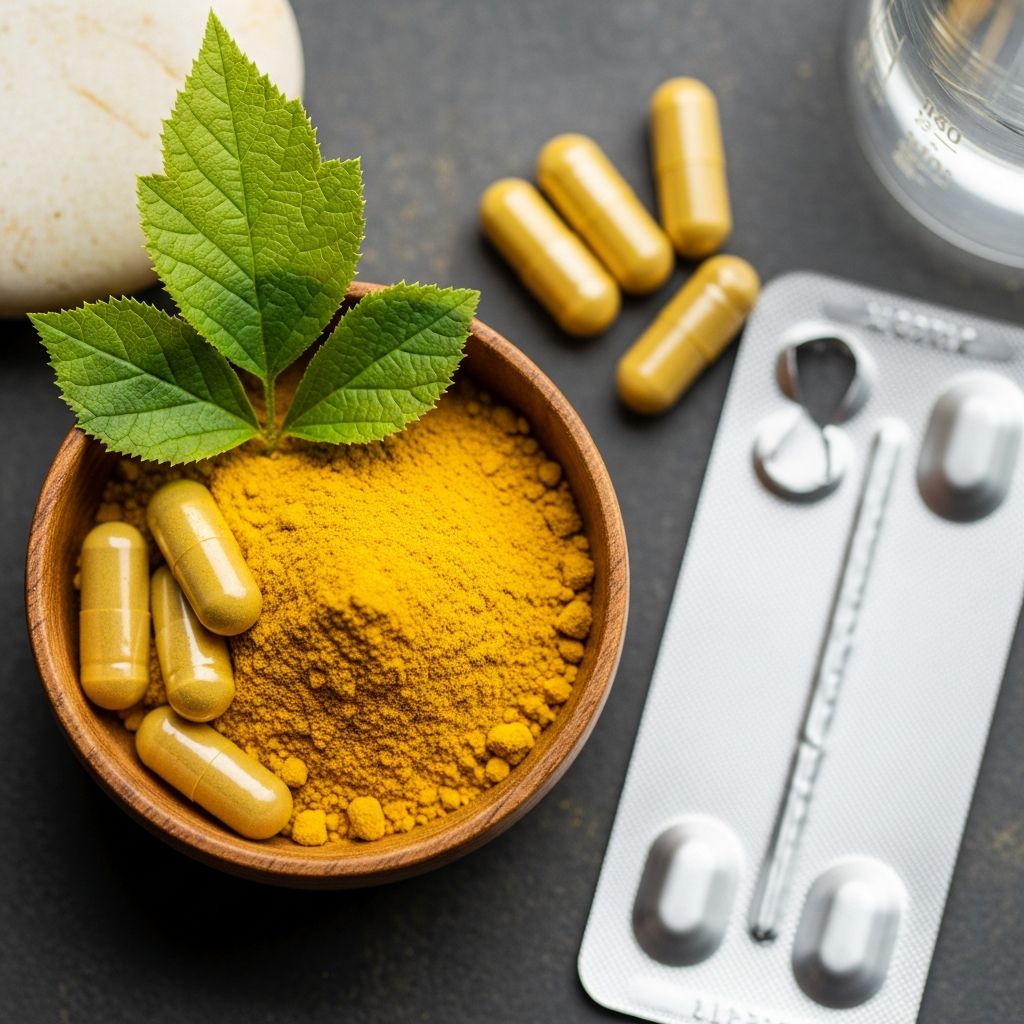
Berberine, a compound extracted from plants like barberry, goldenseal, and Oregon grape, has exploded in popularity on social media platforms like TikTok, where it’s dubbed “nature’s Ozempic.” This nickname stems from its potential to aid weight loss and regulate blood sugar, mimicking some effects of GLP-1 drugs like semaglutide (Ozempic). But does it really stack up? While preliminary studies suggest benefits for metabolism, heart health, and digestion, experts caution that it’s not a direct substitute and lacks the rigorous evidence of prescription medications.
Used for over 2,000 years in Traditional Chinese Medicine and Ayurveda for issues like diarrhea and infections, berberine activates AMP-activated protein kinase (AMPK), a key enzyme regulating metabolism, fat burning, and insulin sensitivity. Unlike Ozempic, which mimics gut hormones to suppress appetite, berberine influences energy use at the cellular level. However, as a dietary supplement, it’s unregulated by the FDA, raising concerns about quality, dosage accuracy, and interactions.
What Is Berberine?
Berberine is a bioactive alkaloid found in the roots, stems, and bark of plants such as Berberis vulgaris (barberry), goldenseal, and Coptis chinensis (Chinese goldthread). Historical records, including Assyrian clay tablets from 650 BC, document its use for blood purification, while Eastern traditions employed it for gastrointestinal disorders, inflammation, and infections.
In modern contexts, berberine is sold as capsules or powder, typically dosed at 500 mg three times daily. It crosses the blood-brain barrier and influences multiple pathways, including glucose uptake, lipid metabolism, and gut microbiome balance. Social media hype has driven sales, but experts like UCLA Health’s Dana Ellis Hunnes, PhD, emphasize the need for more randomized controlled trials (RCTs) to confirm its potential beyond supplements.
Berberine vs. Ozempic: How Do They Compare?
| Aspect | Berberine | Ozempic (Semaglutide) |
|---|---|---|
| Mechanism | Activates AMPK for metabolism and fat burning; slows digestion mildly | GLP-1 agonist; mimics hormones to reduce appetite, slow gastric emptying |
| Weight Loss | Modest (2-5 lbs over 8-12 weeks in studies); BMI reduction in overweight individuals | 15-20% body weight loss in trials |
| Regulation | Dietary supplement; FDA unregulated | FDA-approved prescription drug |
| Cost | $20-40/month | $900+/month without insurance |
| Evidence Level | Preliminary studies; small RCTs | Large-scale RCTs; proven for diabetes/weight loss |
Berberine isn’t “nature’s Ozempic”—it doesn’t match the dramatic weight loss or appetite suppression of GLP-1s. Studies show it aids modest fat reduction via AMPK but lacks head-to-head trials. Ohio State experts note it improves insulin sensitivity but falls short for significant obesity management.
Potential Health Benefits of Berberine
1. Weight Loss Support
Berberine may promote weight loss by activating AMPK, which boosts fat oxidation and brown fat activity—calorie-burning tissue. A study of overweight individuals (BMI 25-29.9) found 1g daily for 8+ weeks reduced weight, BMI, and waist circumference significantly. Another trial in nonalcoholic fatty liver disease patients showed drops in weight and triglycerides after 3 months.
- Enhances metabolism and reduces fat storage
- Slows digestion for fuller feeling
- Improves insulin sensitivity for better glucose control, aiding fat loss
However, human trials are small; mouse studies show more promise, but clinical weight loss is modest (under 5% body weight).
2. Blood Sugar Control
Related Stories



Berberine rivals metformin in lowering fasting glucose and insulin in those with levels ≥100 mg/dL. It boosts glucose uptake in cells and reduces production in the liver. A 2008 pilot equated it to metformin for type 2 diabetes; larger RCTs confirm drops in HbA1c.
Experts suggest it may prevent type 2 diabetes progression, but long-term data is needed.
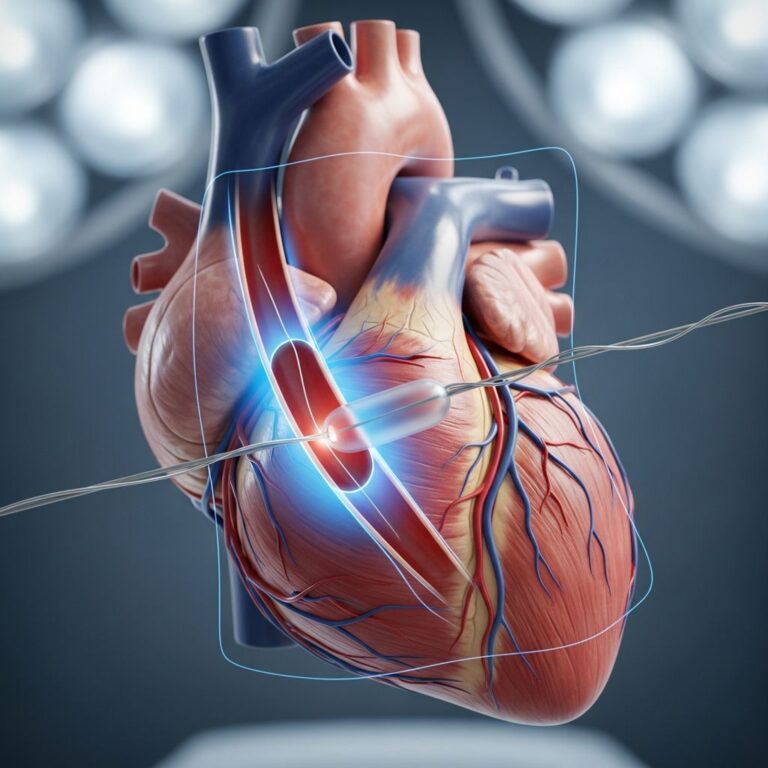
3. Heart Health Improvements
Berberine’s anti-inflammatory effects target triglycerides, LDL, and HDL. Meta-analyses of 4,600+ patients show it matches statins for cholesterol improvement, potentially reducing heart disease risk—the top U.S. killer. It lowers triglycerides linked to metabolic syndrome and excretes excess cholesterol via bowels.
Combining with statins may enhance benefits without added side effects.
4. Gut Health and Microbiome Support
Berberine regulates the gut microbiome, aiding IBS, IBD, and SIBO. Animal studies link it to slower progression of NAFLD, ulcerative colitis, and more via microbial balance. Human evidence suggests reduced GI inflammation.
“The microbiome connects to everything,” notes Dr. Hunnes, implying ripple effects on chronic diseases.
Other Potential Benefits
- Anti-inflammatory for conditions like gum disease and COVID-19 recovery
- Neuroprotective in early Alzheimer’s models
- Anticancer properties in lab studies
Safety and Side Effects of Berberine
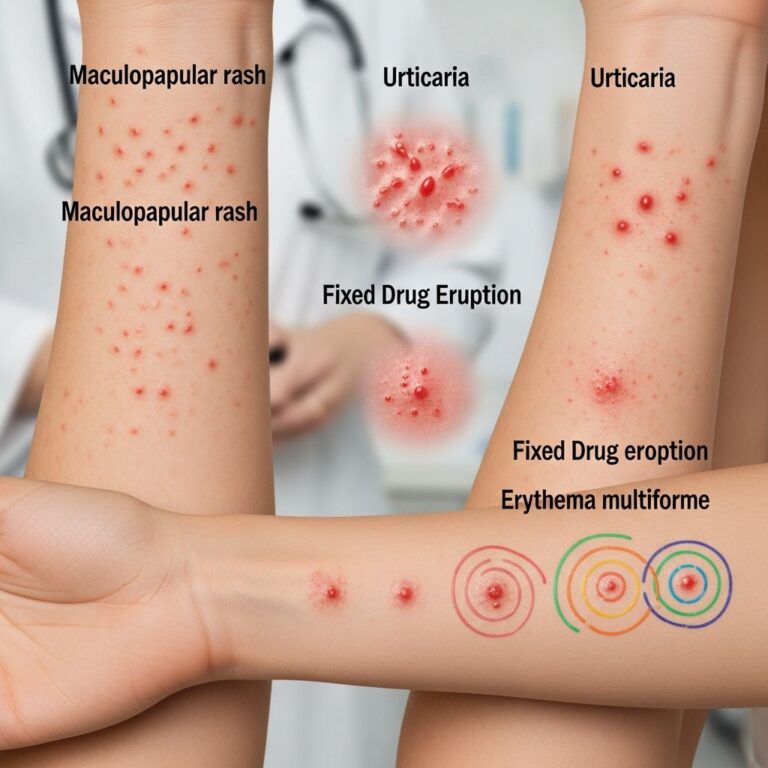
Generally safe at 900-1500mg/day, but GI issues like nausea, diarrhea, bloating, and constipation affect 10-20% of users. Headaches occur rarely.
- Drug Interactions: Potentiates metformin, cyclosporine (organ transplants), and liver-metabolized meds (e.g., statins). Consult a doctor.
- Pregnancy/Breastfeeding: Avoid—causes bilirubin buildup (kernicterus) in newborns, risking brain/liver damage.
- Quality Issues: Supplements vary; third-party testing (USP/NSF) recommended as FDA doesn’t verify.
AAFP warns of liver enzyme interactions and unproven labeling accuracy.
How to Take Berberine: Dosage and Tips
Standard dose: 500mg 2-3 times daily with meals to minimize GI upset. Take for 8-12 weeks, cycle off. Combine with diet/exercise for best results.
- Start low (500mg/day) to assess tolerance
- Pair with probiotics for gut health
- Monitor blood sugar if diabetic
No universal guidelines; consult healthcare providers, especially with conditions/meds.
Expert Opinions on Berberine Hype
“There needs to be more gold-standard RCTs to understand berberine’s true potential.” — Dana Ellis Hunnes, PhD, MPH, RD, UCLA Health
Experts agree: Promising but overhyped. OSU: “Not as effective as GLP-1s.” AAFP: Lacks rigorous data, potential harms. Cardiometabolic Health Congress notes historical use but calls for caution on weight loss claims.
Frequently Asked Questions (FAQs)
Is berberine really ‘nature’s Ozempic’?
No. It offers modest benefits via different mechanisms but lacks Ozempic’s potency and evidence.
How much weight can you lose on berberine?
Studies show 2-5 lbs over 8-12 weeks with diet/exercise; not dramatic like GLP-1 drugs.
Is berberine safe for diabetics?
Potentially, as effective as metformin in small studies, but monitor for hypoglycemia with meds.
Can berberine replace statins?
Comparable in some cholesterol trials, but not a substitute—discuss with your doctor.
Who should avoid berberine?
Pregnant/breastfeeding women, transplant patients, those on interacting meds.
Final Thoughts
Berberine holds promise for metabolic health but isn’t a miracle or Ozempic equivalent. Prioritize evidence-based lifestyle changes and professional advice. More RCTs could solidify its role.
References
- What to know about berberine, the so-called “nature’s Ozempic” — UCLA Health. 2024. https://www.uclahealth.org/news/article/what-know-about-berberine-so-called-natures-ozempic
- Weight Loss Fad Berberine (“Nature’s Ozempic”) Lacks Rigorous Evidence — American Academy of Family Physicians (AAFP). 2023. https://www.aafp.org/pubs/afp/afp-community-blog/entry/weight-loss-fad-berberine-natures-ozempic-lacks-rigorous-evidence-has-potential-harms.html
- Berberine for Weight Loss — Ohio State University Wexner Medical Center. 2024. https://health.osu.edu/wellness/exercise-and-nutrition/berberine-weight-loss
- Is Berberine Nature’s Semaglutide? — Cardiometabolic Health Congress. 2023. https://www.cardiometabolichealth.org/article/is-berberine-natures-semaglutide/
- Is Berberine Really “Nature’s Ozempic”? What Science Says — News-Medical.net. 2024. https://www.news-medical.net/health/Is-Berberine-Really-e2809cNaturee28099s-Ozempice2809d-What-Science-Says.aspx
Similar Articles








Read full bio of medha deb