Berberine and Weight Loss: What You Need To Know
Explore the science behind berberine supplements and their role in weight management and metabolic health.
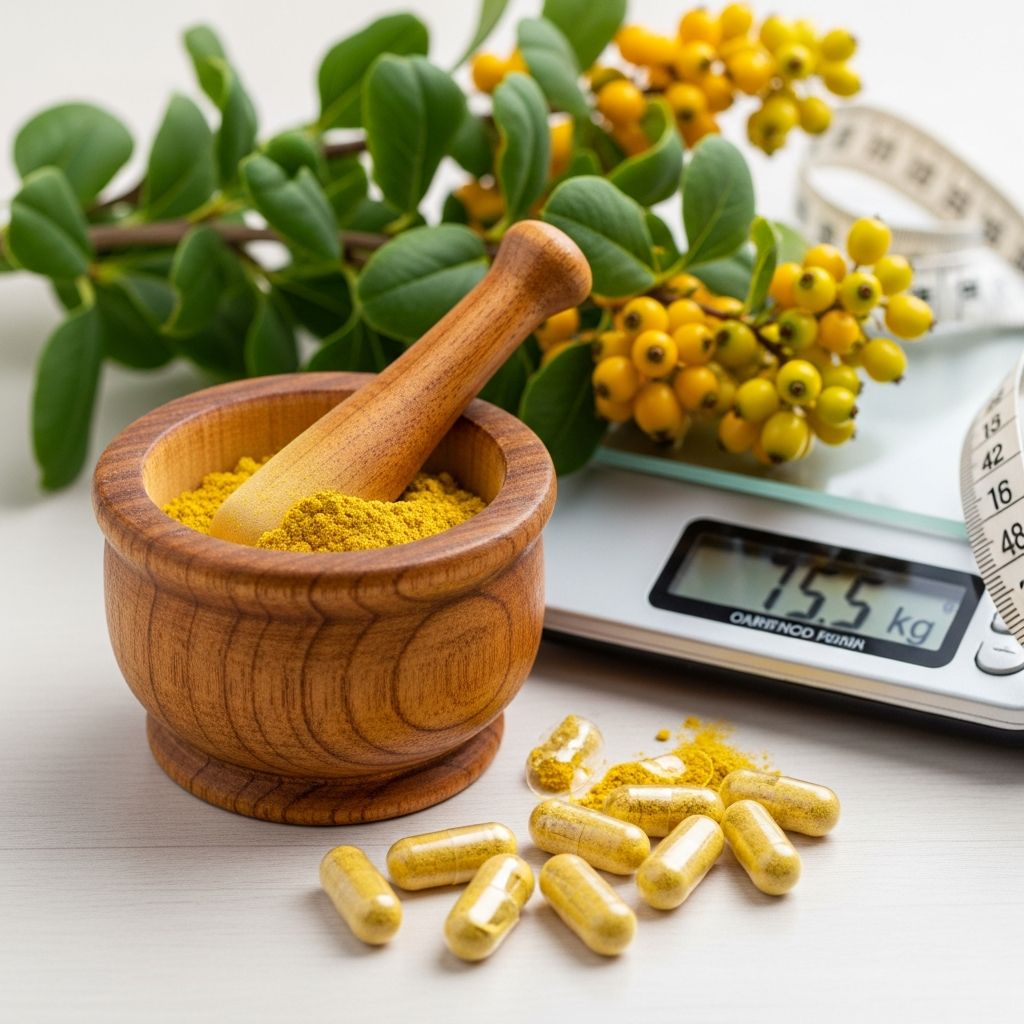
Berberine has emerged as one of the most talked-about supplements in recent years, particularly on social media platforms where it’s been dubbed “nature’s Ozempic.” This natural compound, commonly derived from the berberis shrub, has garnered significant attention from individuals seeking alternatives to prescription weight loss medications. However, understanding what the current scientific evidence actually shows about berberine’s effectiveness for weight loss requires a closer examination of the research.
What is Berberine?
Berberine is an alkaloid compound traditionally used in Ayurvedic and Chinese medicine for over 2,000 years, primarily to address metabolic disorders and gastrointestinal issues. In recent decades, modern scientific research has begun investigating its potential health benefits, particularly its effects on weight management and metabolic function. As an over-the-counter supplement available without prescription, berberine has become increasingly popular among consumers looking for natural approaches to weight loss.
Does Berberine Help With Weight Loss?
The question of whether berberine effectively promotes weight loss is more nuanced than simple yes or no. Research suggests some promise, but with important caveats. A comprehensive 2022 review examining 18 studies that focused on berberine’s effect on body weight and 23 studies examining its effect on body mass index (BMI) found significant decreases in both weight and BMI in people who took berberine. However, these positive effects were observed primarily in individuals who consumed berberine in doses exceeding 1 gram per day and continued treatment for more than 8 weeks.
The evidence, while encouraging, comes with substantial limitations. Many studies included in this comprehensive review carried a high risk of bias, and individual study outcomes were inconsistent. This means that despite the overall trend showing some weight reduction, the quality and reliability of the evidence remains questionable. Researchers emphasize that additional high-quality studies would be necessary to draw definite conclusions about berberine’s true effectiveness for weight and BMI reduction.
When examining specific weight loss amounts, the picture becomes even more modest. Reviews of available studies found an average weight loss of approximately 4.5 kilograms across multiple trials, with study durations typically ranging from one to four months. To put this in perspective, semaglutide (marketed as Ozempic and Wegovy) has demonstrated weight loss of up to 15 kilograms over 16 months in randomized, double-blind clinical trials—substantially more than what berberine studies have shown.
How Does Berberine Work in the Body?
Understanding the mechanisms by which berberine may influence weight and metabolism provides insight into its potential benefits. Research suggests berberine operates through several different biological pathways:
AMPK Activation and Metabolism
One primary mechanism involves the activation of AMPK (adenosine monophosphate-activated protein kinase), an enzyme that plays a crucial role in controlling metabolism and energy production. When AMPK is activated, it increases fat burning and reduces the amount of fat your body stores. Additionally, berberine may enhance brown adipose tissue, a specialized type of body fat that contributes to calorie burning through heat generation rather than energy storage.
Gut Microbiota Modification
Research demonstrates that berberine affects the composition of gut microbiota by reducing microbial diversity at dosages of 100 mg/kg/day in animal models. This modification of gut bacteria composition may have downstream effects on metabolism and weight regulation, though the clinical significance in humans requires further investigation.
Blood Sugar and Glucose Control
Berberine influences glucose metabolism through multiple mechanisms, including the inhibition of α-glycosidase at doses of 200 mg/kg/day in animal studies. Additionally, berberine inhibits hepatic gluconeogenesis—the process by which the liver produces new glucose—through several enzyme pathways including PEPCK and G6Pase. These effects on glucose regulation may indirectly support weight management efforts.
Hormone Regulation
Studies show that berberine increases levels of GLP-1, GLP-2, and peptide YY, which are substances that regulate both metabolism and appetite. However, it’s important to note that while animal studies suggest berberine may affect appetite-regulating hormones in mice, human studies on this mechanism have not yet been conducted.
Fat Cell Development and Cholesterol
Berberine appears to inhibit the differentiation of adipocytes (fat cells) through a decrease in LXRs, PPARs, and SREBPs expression at 150 mg/kg/day in animal models. Furthermore, berberine may “switch off” genes responsible for cholesterol absorption, potentially reducing the amount of cholesterol your body absorbs while increasing cholesterol elimination through bowel movements.
Effects on Metabolic Health and Cholesterol
Beyond weight loss, berberine shows more consistent benefits for certain aspects of metabolic health. Studies demonstrate that berberine significantly lowers triglycerides—high levels of which are associated with obesity, metabolic syndrome, and Type 2 diabetes or prediabetes. Berberine also appears to improve both LDL (bad) cholesterol and HDL (good) cholesterol levels in people whose levels are abnormal.
Regarding gene regulation for cholesterol absorption, berberine has shown beneficial impacts at daily doses of 300 mg in human studies, while glucose accumulation improvements were observed at 1.0 gram daily doses. These metabolic improvements suggest that even if weight loss is modest, berberine may provide valuable support for cardiovascular and metabolic health in certain populations.
Dosage and Duration Considerations
Research indicates that weight loss effects from berberine appear primarily when certain conditions are met. Studies showing positive results typically involved participants taking more than 1 gram of berberine daily for periods exceeding 8 weeks. In animal research, effective doses ranged from 40 mg/kg to 380 mg/kg/day for lipid reduction, while human studies utilized doses of 300 to 500 mg daily for various metabolic effects and up to 1.5 grams daily in longer-term obesity studies.
It’s worth noting that these dosing recommendations come from research studies, and individual responses may vary considerably. Anyone considering berberine supplementation should consult with a healthcare professional to determine appropriate dosing for their specific situation.
Important Limitations and Safety Concerns
While berberine shows promise in some areas, several important limitations warrant consideration. Rigorous data definitively demonstrating berberine’s benefits are lacking, and the supplement lacks FDA approval for treating any medical conditions in the United States. Additionally, berberine can interact with medications metabolized by the liver, potentially affecting drug efficacy or safety.
Most available studies have been conducted in low-impact journals, with many published in Chinese-language publications, raising questions about accessibility for systematic review and meta-analysis by the broader scientific community. The fact that there has never been a large-scale, randomized, multicenter clinical trial of berberine—the type of rigorous testing required for new diabetes medications to obtain FDA approval—means the evidence base remains substantially weaker than for approved pharmaceutical treatments.
Pregnant individuals and infants should not take berberine, and anyone currently taking medications should consult with their healthcare provider before beginning berberine supplementation due to potential drug interactions.
Comparing Berberine to GLP-1 Medications
The comparison between berberine and GLP-1 receptor agonists like semaglutide is instructive. While berberine and GLP-1 drugs both may support weight loss, they work through fundamentally different mechanisms. GLP-1 drugs directly mimic the effects of the GLP-1 hormone to regulate appetite and digestion, whereas berberine operates through activation of AMPK and other metabolic pathways. The clinical evidence supporting GLP-1 medications is substantially more robust, with larger, well-designed trials demonstrating greater weight loss outcomes.
Distinguishing Disease-Oriented From Patient-Oriented Evidence
An important distinction in evaluating berberine research involves understanding the difference between disease-oriented outcomes and patient-oriented evidence that matters (POEM). Most berberine research demonstrates disease-oriented outcomes, such as reductions in blood glucose or lipid levels, rather than clinically meaningful patient outcomes like actual weight loss or improved quality of life. While disease-oriented outcomes may ultimately support patient benefit, they don’t directly prove that patients experience the health improvements they seek.
Key Takeaways About Berberine and Weight Loss
Based on current scientific evidence, several important conclusions emerge about berberine:
- Berberine may offer modest support for weight management, with average weight losses around 4.5 kg observed in studies lasting one to four months
- More substantial benefits appear for metabolic markers like triglyceride reduction and cholesterol improvement
- Effective use requires doses exceeding 1 gram daily and treatment duration of at least 8 weeks
- The quality of available evidence remains moderate, with many studies showing methodological concerns
- Berberine’s effects are considerably more modest than those of prescription weight loss medications like GLP-1 agonists
- Individual responses to berberine may vary considerably
- Drug interactions with liver-metabolized medications are possible
Frequently Asked Questions About Berberine
Q: Is berberine truly “nature’s Ozempic”?
A: While berberine has gained popularity under this nickname, the comparison is overstated. Berberine works through different mechanisms than GLP-1 drugs, produces more modest weight loss results, and lacks the rigorous clinical trial evidence supporting semaglutide’s effectiveness. The term is primarily a marketing catchphrase rather than a scientific assessment.
Q: How much weight can I realistically expect to lose with berberine?
A: Research suggests average weight loss of approximately 4.5 kilograms in studies lasting one to four months, though individual results vary considerably. Much of this benefit appears to relate to BMI and waist circumference reduction rather than total body weight loss in some studies.
Q: What is the recommended dose of berberine?
A: Research showing weight loss benefits typically used doses exceeding 1 gram daily for more than 8 weeks. However, you should consult with a healthcare provider to determine the appropriate dose for your individual circumstances and potential medication interactions.
Q: Can berberine interact with my medications?
A: Yes, berberine can interact with medications metabolized by the liver. Before starting berberine, discuss it with your healthcare provider, particularly if you take prescription medications or have liver disease.
Q: Is berberine safe for everyone?
A: Berberine is not recommended for pregnant individuals or infants. Additionally, people with certain medical conditions or those taking medications should consult a healthcare professional before use.
Q: Does berberine suppress appetite?
A: While some evidence suggests berberine may affect appetite-regulating hormones in mice, human studies on appetite suppression have not been conducted. This potential mechanism remains unproven in people.
Q: Should I use berberine instead of prescription weight loss medication?
A: This decision should involve consultation with your healthcare provider. While berberine is more affordable and available without prescription, prescription medications have stronger clinical evidence for weight loss efficacy. Your provider can help determine the best approach based on your individual health status and goals.
Conclusion
Berberine represents a supplement with some scientific support for modest weight management benefits, particularly when combined with lifestyle modifications. Its effects on triglycerides, cholesterol, and glucose metabolism may provide additional health benefits beyond weight loss. However, the evidence remains moderate in quality, the weight loss effects are relatively modest compared to prescription alternatives, and much more rigorous research would be needed to draw definitive conclusions.
Rather than viewing berberine as a standalone solution for weight loss, it may be best considered as one potential tool within a comprehensive approach to metabolic health that includes diet, exercise, and stress management. As with any supplement, consulting with a healthcare provider before beginning berberine is essential to ensure it’s appropriate for your individual circumstances and won’t interact with other medications or health conditions.
References
- What to Know About Berberine, the So-Called “Nature’s Ozempic” — UCLA Health. 2023. https://www.uclahealth.org/news/article/what-know-about-berberine-so-called-natures-ozempic
- The Effect of Berberine on Weight Loss in Order to Prevent Obesity — PubMed/National Center for Biotechnology Information. 2020. https://pubmed.ncbi.nlm.nih.gov/32353823/
- Berberine and Weight Loss: Effectiveness, Risks, and More — Medical News Today. 2024. https://www.medicalnewstoday.com/articles/berberine-and-weight-loss
- Berberine and Weight Loss: What You Need To Know — National Center for Complementary and Integrative Health (NCCIH), National Institutes of Health. 2024. https://www.nccih.nih.gov/health/berberine-and-weight-loss-what-you-need-to-know
- Weight Loss Fad Berberine (“Nature’s Ozempic”) Lacks Rigorous Evidence, Has Potential Harms — American Academy of Family Physicians Community Blog. 2023. https://www.aafp.org/pubs/afp/afp-community-blog/entry/weight-loss-fad-berberine-natures-ozempic-lacks-rigorous-evidence-has-potential-harms.html
- Berberine: Don’t Swallow the Hype. Or the Pill. — McGill University Office of Science and Society. 2023. https://www.mcgill.ca/oss/article/medical-critical-thinking/berberine-dont-swallow-hype-or-pill
Similar Articles







Read full bio of Sneha Tete