Berry Good for Your Heart: Nature’s Fruit for Cardiovascular Health
Discover how berries protect your heart and improve cardiovascular health naturally.
Berry Good for Your Heart
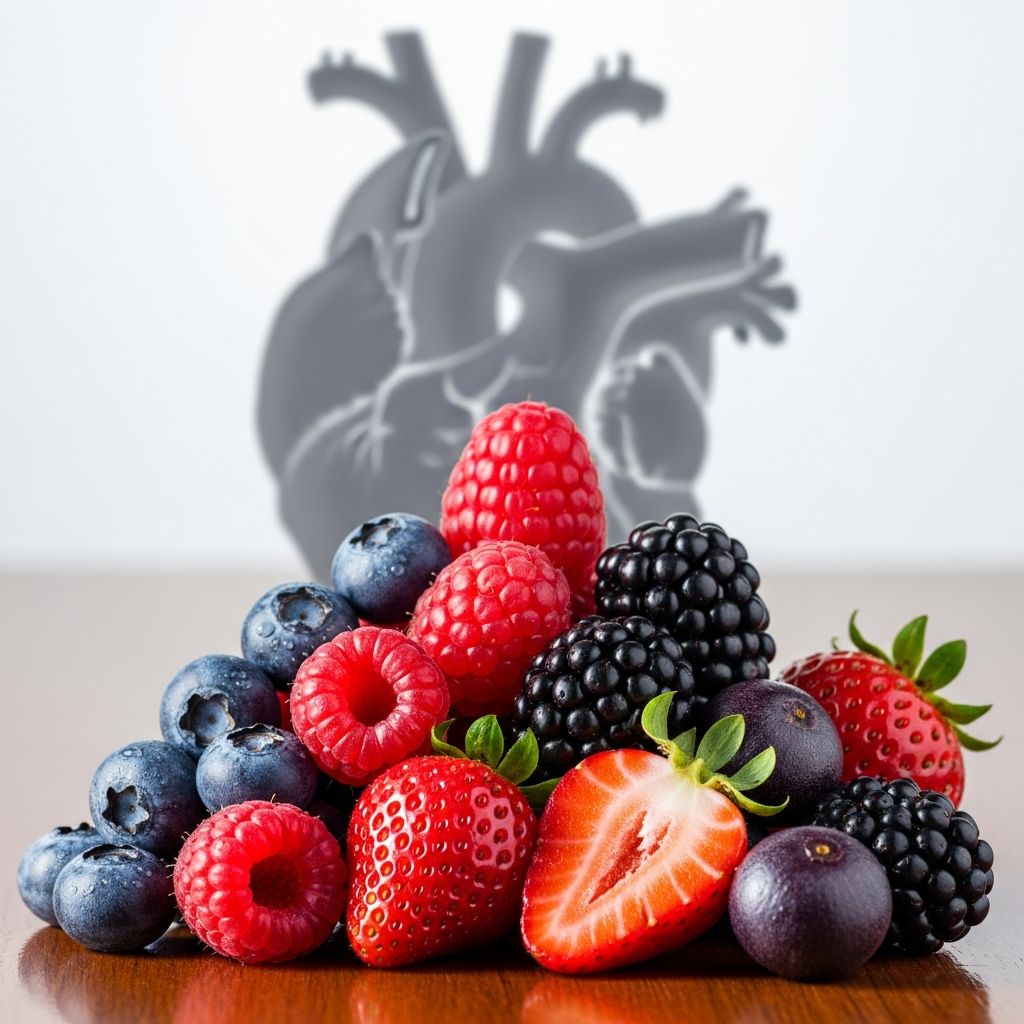
Berries are among nature’s most nutrient-dense foods, offering a delicious and convenient way to support cardiovascular health. Whether you enjoy them fresh, frozen, or as part of smoothies and desserts, berries provide powerful compounds that can help protect your heart and reduce the risk of cardiovascular disease. The scientific evidence supporting berries as a heart-healthy food is compelling, making them an essential addition to any wellness-focused diet.
What Makes Berries Heart-Healthy?
Berries contain an impressive array of bioactive compounds that work synergistically to benefit cardiovascular function. The primary heart-protective components in berries include polyphenols, particularly anthocyanins, along with essential micronutrients and dietary fiber.
Anthocyanins are the pigments responsible for the deep red, purple, and blue colors in berries. These powerful antioxidants have been extensively studied for their cardiovascular benefits. Research demonstrates that anthocyanins can reduce oxidative stress, decrease inflammation, and improve endothelial function—the health of blood vessel linings.
Beyond anthocyanins, berries provide:
- Vitamin C, which supports immune function and collagen formation
- Vitamin K, essential for blood clotting and bone health
- Manganese, which aids metabolism and bone development
- Fiber, which promotes digestive health and cholesterol management
- Polyphenols, diverse compounds with anti-inflammatory and antioxidant properties
Key Cardiovascular Benefits of Berries
Numerous clinical and epidemiological studies have demonstrated the heart-protective effects of regular berry consumption. These benefits extend across multiple aspects of cardiovascular health:
Cholesterol Management
One of the most significant benefits of berries is their ability to improve cholesterol profiles. Clinical interventions using various berries have shown substantial improvements in lipid metabolism. Regular berry consumption has been associated with decreased LDL (bad) cholesterol and increased HDL (good) cholesterol levels. By helping to prevent LDL oxidation and lipid peroxidation, berries protect blood vessels from atherosclerotic damage. This mechanism is crucial because oxidized LDL is particularly damaging to arterial walls and accelerates plaque formation.
Blood Pressure Reduction
Berries support healthy blood pressure through multiple pathways. Studies show that berry anthocyanins upregulate endothelial nitric oxide synthase (eNOS), an enzyme that increases nitric oxide production. Nitric oxide causes blood vessels to relax and dilate, reducing blood pressure and improving overall vascular function. This mechanism helps maintain normal blood pressure and reduces the strain on the heart.
Blood Sugar Control
For individuals with diabetes or prediabetes, berries offer particular benefits. The fiber content in berries slows glucose absorption, preventing sharp blood sugar spikes. Additionally, berry compounds decrease the activity of carbohydrate-digesting enzymes in the intestines, further moderating glucose levels. Clinical studies have shown that berry consumption improves glucose metabolism and protects against insulin resistance, both critical risk factors for cardiovascular disease.
Inflammation Reduction
Chronic inflammation is a fundamental driver of atherosclerosis and cardiovascular disease. Berries combat inflammation through their anthocyanin and polyphenol content, which inhibits inflammatory gene expression and reduces C-reactive protein (CRP) levels. Elevated CRP is a recognized risk factor for heart disease, and berry consumption—particularly strawberries at two or more servings per week—has been associated with borderline significant reductions in elevated CRP levels.
Related Stories



Antioxidant Protection
Berries dramatically increase plasma antioxidant capacity, helping neutralize harmful free radicals that damage blood vessel walls and contribute to atherosclerosis progression. This protection helps preserve the structural integrity of blood vessels and maintains their elasticity, essential for healthy blood flow.
Types of Berries and Their Specific Benefits
Different berry varieties offer unique cardiovascular advantages while sharing common beneficial compounds:
Blueberries
Blueberries are among the most extensively researched berries for cardiovascular health. Rich in anthocyanins, they provide robust protection against coronary heart disease. Studies indicate that consuming blueberries at least once weekly is associated with significant reductions in cardiovascular disease risk. Blueberries also offer particular benefits for insulin sensitivity and glucose control.
Strawberries
Strawberries contain a wealth of vitamin C alongside anthocyanins and other polyphenols. Regular strawberry consumption has been linked to lower CVD mortality risk in postmenopausal women. Their combination of nutrients makes them excellent for reducing multiple cardiovascular risk factors simultaneously.
Cranberries
Cranberries are notable for their proanthocyanidin content and have demonstrated improvements in lipid profiles and antioxidant capacity in clinical trials. Their tart flavor makes them versatile for both sweet and savory applications.
Chokeberries and Black Currants
These less commonly consumed berries pack exceptional concentrations of anthocyanins. Research interventions using chokeberry extract and black currant puree have shown improvements in platelet function, HDL cholesterol, and systolic blood pressure.
Evidence from Major Research Studies
The cardiovascular benefits of berries are supported by rigorous scientific investigation. The Kuopio Ischemic Heart Disease Risk Factor Study (KIHD), which followed 1,950 men over 12.8 years, demonstrated significantly lower cardiovascular disease-related mortality in those consuming the highest amounts of berries (over 408 grams daily) compared to those with the lowest intake (below 133 grams daily). This longitudinal data provides strong evidence that berry consumption creates meaningful, long-term cardiovascular protection.
Clinical intervention studies consistently demonstrate measurable improvements in cardiovascular risk markers following berry consumption. These improvements include increased plasma antioxidant capacity, decreased LDL oxidation, reduced plasma glucose and total cholesterol, and increased HDL cholesterol. Since elevated glucose, lipids, and lipid oxidation are directly associated with coronary artery disease, these improvements translate to meaningful risk reduction.
How to Incorporate Berries Into Your Diet
Making berries a regular part of your diet is straightforward and enjoyable. Berries are available in multiple forms, each offering similar cardiovascular benefits:
Fresh Berries
Fresh berries are convenient to eat as snacks, add to breakfast cereals, yogurt, or salads. Aim for at least one serving (approximately one cup) daily. Mixing different berry varieties maximizes the range of beneficial compounds you consume.
Frozen Berries
Frozen berries retain their nutritional value and offer year-round availability. They’re perfect for smoothies, baking, or thawing for use in various dishes. Freezing actually preserves the anthocyanin content, making frozen berries as beneficial as fresh ones.
Berry Juice and Purees
Freshly pressed berry juices and purees provide concentrated anthocyanin doses. However, be mindful of added sugars in commercial products. Choose 100% berry juice without added sweeteners for maximum cardiovascular benefit.
Practical Serving Suggestions
- Add berries to morning oatmeal or yogurt for a heart-healthy breakfast
- Blend berries into smoothies with leafy greens and protein powder
- Mix berries into salads for natural sweetness and antioxidants
- Use berries as toppings for desserts instead of sugary sauces
- Enjoy berries as convenient, portable snacks throughout the day
- Incorporate berries into whole grain muffins or pancakes
Mechanisms of Cardioprotection
Understanding how berries protect the heart helps appreciate their importance in a heart-healthy diet. Berry anthocyanins work through several complementary mechanisms:
Endothelial Function Improvement
The endothelium—the inner lining of blood vessels—is crucial for maintaining healthy blood pressure and preventing atherosclerosis. Berry compounds upregulate eNOS expression, increasing nitric oxide production that keeps blood vessels relaxed and functional. This maintains vascular health and prevents the arterial stiffness associated with hypertension.
Atherosclerosis Prevention
By reducing oxidative stress, inhibiting inflammatory gene expression, and preventing foam cell formation, berries slow atherosclerosis progression. Foam cells, which accumulate oxidized cholesterol, are a hallmark of early atherosclerotic plaque. Berries’ multi-targeted approach addresses this process at multiple points.
Metabolic Improvement
Berry compounds decrease carbohydrate digestive enzyme activity, reducing glucose absorption and preventing blood sugar spikes. Improved glucose metabolism reduces insulin resistance and protects against type 2 diabetes—a major cardiovascular risk factor.
Who Benefits Most from Berry Consumption?
Clinical studies demonstrate cardiovascular benefits across diverse populations:
| Population | Specific Benefits |
|---|---|
| Healthy individuals | Preventive benefits, improved antioxidant capacity, reduced future CVD risk |
| Those with metabolic syndrome | Improved glucose control, better lipid profiles, reduced inflammation |
| People with diabetes | Enhanced glucose metabolism, reduced insulin resistance, lower CVD complications |
| Smokers | Enhanced antioxidant defense against oxidative stress from smoking |
| Those with dyslipidemia | Improved cholesterol profiles, reduced LDL oxidation |
| Individuals with hypertension | Reduced blood pressure through improved endothelial function |
Optimal Berry Consumption for Heart Health
Research suggests that significant cardiovascular benefits emerge with regular consumption patterns. The KIHD study showed that those consuming more than 408 grams (roughly 1.5 cups) daily experienced the greatest risk reduction, though meaningful benefits appear at lower intake levels. Studies linking strawberry and blueberry consumption to reduced CVD mortality identified at least once-weekly consumption as a threshold for significant benefit. For maximum cardiovascular protection, aim to include berries in your diet several times weekly, with daily consumption being ideal.
Synergistic Effects with Other Heart-Healthy Practices
While berries offer substantial cardiovascular benefits independently, their effects are amplified within a comprehensive heart-healthy lifestyle. Berries should complement, not replace, other cardiovascular protective measures including regular physical activity, stress management, adequate sleep, and a balanced diet rich in whole grains, lean proteins, and diverse plant foods. The combination of multiple preventive strategies creates synergistic effects greater than any single intervention alone.
Considerations and Safety
Berries are safe for virtually all populations. However, individuals taking certain anticoagulant medications should consult healthcare providers about extremely high berry consumption due to berry vitamin K content. Additionally, those with fructose intolerance should limit berry intake, though most people tolerate berries well as part of a balanced diet.
Frequently Asked Questions (FAQs)
Q: How many berries should I eat daily for heart health?
A: Aim for at least one cup of berries daily, or at least one serving several times per week. Research shows significant cardiovascular benefits at these consumption levels. Higher intakes (over 1.5 cups daily) may provide additional benefits.
Q: Are frozen berries as healthy as fresh berries?
A: Yes, frozen berries retain their nutritional value and anthocyanin content. The freezing process preserves these compounds, making frozen berries equally beneficial for cardiovascular health and often more convenient and cost-effective.
Q: Which berries are best for heart health?
A: Blueberries, strawberries, cranberries, black currants, and chokeberries all offer significant cardiovascular benefits. Consuming a variety of berry types maximizes the range of beneficial compounds you receive. Different berries provide complementary nutrients and polyphenols.
Q: Can berry juice provide the same benefits as whole berries?
A: Pure berry juice contains beneficial anthocyanins and polyphenols, but whole berries provide additional fiber that aids digestion and cholesterol management. When choosing juice, select 100% pure berry juice without added sugars for optimal cardiovascular benefits.
Q: How long does it take to see cardiovascular benefits from eating berries?
A: Some studies show improvements in cardiovascular markers within weeks of consistent berry consumption. However, long-term regular consumption provides the most substantial and sustained cardiovascular protection. Make berries a permanent part of your diet for lasting benefits.
Q: Are there any side effects from eating too many berries?
A: Berries are generally safe to eat in large quantities. However, extremely high consumption might cause digestive discomfort due to fiber content. Those taking anticoagulant medications should discuss high berry consumption with their healthcare provider due to vitamin K content.
Q: Can berries replace cardiovascular medications?
A: No. While berries offer significant preventive benefits and improve cardiovascular risk factors, they should complement, not replace, prescribed medications. Always follow your healthcare provider’s recommendations regarding medications and discuss dietary changes with them.
References
- Berries: Emerging Impact on Cardiovascular Health — National Institutes of Health, National Center for Biotechnology Information. 2011. https://pmc.ncbi.nlm.nih.gov/articles/PMC3068482/
- Polyphenolic Compounds and Their Cardiovascular Effects — American Heart Association. Accessed 2024. https://www.heart.org
- Anthocyanins and Cardiovascular Health — PubMed Central. 2023. https://pubmed.ncbi.nlm.nih.gov
- Dietary Approaches to Reduce Cardiovascular Disease Risk — Centers for Disease Control and Prevention. 2024. https://www.cdc.gov/nutrition
- Kuopio Ischemic Heart Disease Risk Factor Study — University of Eastern Finland. 2012. https://www.uef.fi
Similar Articles








Read full bio of medha deb