The Best 7-Day Walking Plan for Weight Loss
Achieve your weight loss goals with this beginner-to-intermediate walking plan.
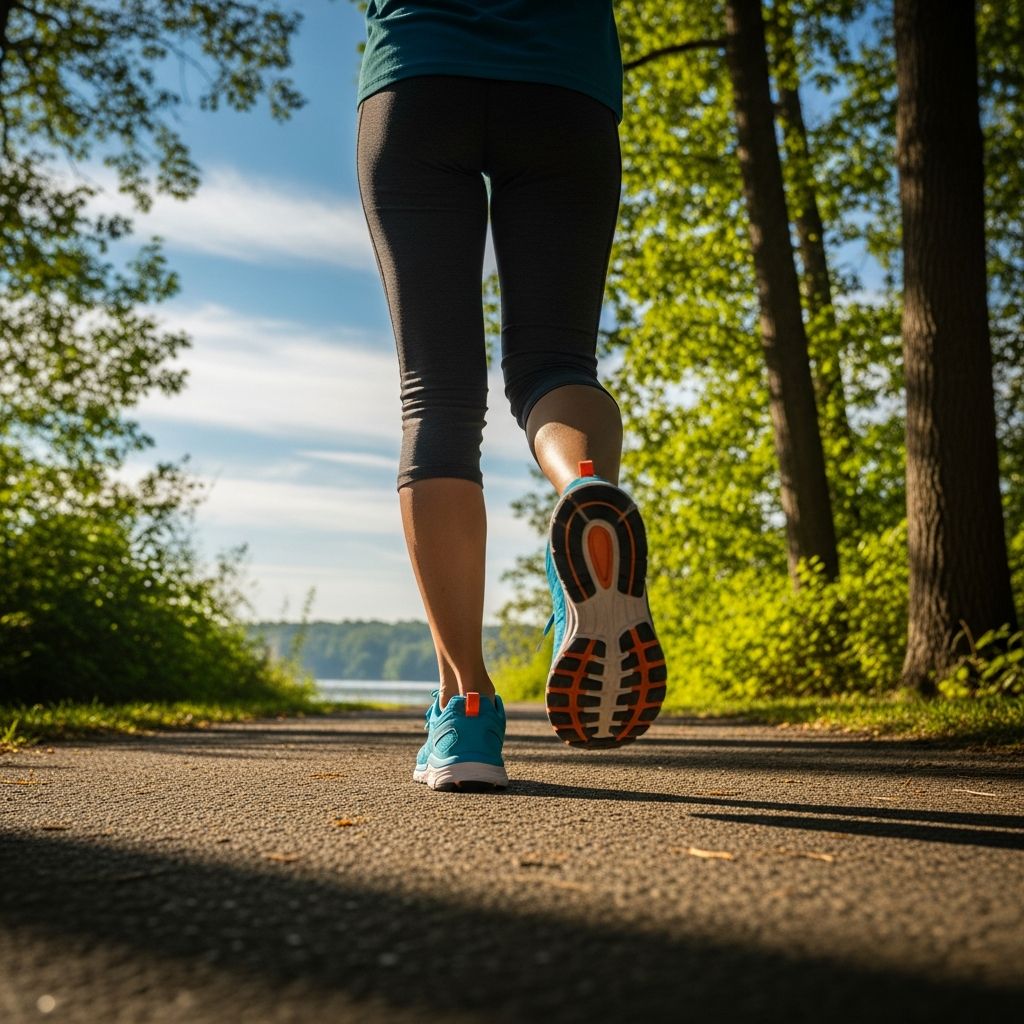
Walking is one of the most accessible and effective exercises for weight loss. You can do it almost anywhere—whether you’re walking your dog, heading to work, or taking an evening stroll—without requiring expensive equipment or a gym membership. This comprehensive 7-day walking plan for weight loss provides both beginner and intermediate routines, designed to help you build consistent movement habits while supporting your weight loss goals.
The plan is based on recommendations from certified personal trainers and registered dietitians who understand both the physical and nutritional components of successful weight loss. By following this structured approach, you’ll gradually build your fitness level while maintaining consistency, which is key to long-term success.
Understanding Walking for Weight Loss
Walking is an outstanding form of aerobic activity that burns calories, improves cardiovascular health, and can be sustained long-term without the high injury risk associated with more intense exercises. The Centers for Disease Control and Prevention (CDC) recommends at least 150 minutes of moderate-intensity aerobic activity per week for optimal health. However, when weight loss is your specific goal, you may need to exceed these recommendations depending on your eating patterns and lifestyle habits.
The beauty of walking as a weight loss tool is its flexibility. You can break your daily walking into smaller sessions that fit your schedule, gradually build up your pace and distance, and easily adjust the intensity based on your current fitness level. Whether you’re a complete beginner or someone with some fitness experience, there’s a routine designed for you.
Key Principles of This Walking Plan
This 7-day walking plan incorporates several evidence-based principles for effective weight loss:
- Progressive intensity: The plan alternates between comfortable-pace walks, brisk-pace walks, and high-intensity intervals to challenge your cardiovascular system and maximize calorie burn.
- Active recovery: Rest days include active recovery such as yoga, stretching, and mobility training to aid muscle recovery without complete inactivity.
- Strength training integration: Selected days include muscular endurance training through weight lifting or body-weight exercises to build calorie-burning muscle tissue.
- Variety: Different workout types throughout the week prevent boredom and work your body in different ways, from hill walks to interval training.
- Sustainability: The plan is designed to be realistic and maintainable, fitting into most people’s daily schedules.
Your 7-Day Walking Plan Overview
| Day | Beginner Routine | Intermediate Routine |
|---|---|---|
| Day 1 | 15–20 minute brisk-pace walk | 30–35 minute brisk-pace walk |
| Day 2 | 25–30 minute comfortable-pace walk | 25–30 minute alternating-speed walk |
| Day 3 | 15 minute walk + active recovery | 15–20 minute walk + active recovery + 20 min strength training |
| Day 4 | 15–20 minute brisk-pace walk | 45–50 minute long comfortable-pace walk |
| Day 5 | 20–25 minute comfortable-pace walk | 30–35 minute hill walk |
| Day 6 | 20–25 minute alternating-speed walk + active recovery | 15 minute walk + active recovery |
| Day 7 | 10 minute walk + active recovery | 30 minute comfortable-pace walk + 20 min strength training |
Day-by-Day Breakdown
Day 1: Build Your Foundation
Beginner: Start with a 15–20 minute walk at a brisk pace. This introductory day establishes your baseline fitness level and gets your body accustomed to the routine.
Related Stories



Intermediate: Complete a 30–35 minute brisk-pace walk. This longer duration challenges your cardiovascular system and begins building your aerobic base.
Day 2: Active Recovery Meets Variety
Beginner: Take a 25–30 minute walk at a comfortable pace. This recovery-focused day allows your body to adapt while still accumulating movement minutes.
Intermediate: Perform a 25–30 minute alternating-speed walk. Rotate between 1 minute at a comfortable pace and 1 minute at a fast pace. This interval training boosts calorie burn and cardiovascular fitness.
Day 3: Strength and Mobility
Beginner: Complete a 15-minute walk at a comfortable pace, followed by active recovery such as yoga, stretching, or mobility training. This day emphasizes recovery and flexibility.
Intermediate: Walk for 15–20 minutes at a comfortable pace, then engage in 20 minutes of muscular endurance training such as weight lifting or body-weight exercises. Add active recovery afterward. Building muscle increases your resting metabolic rate, helping you burn more calories throughout the day.
Day 4: Endurance Challenge
Beginner: Take a 15–20 minute brisk-pace walk. This mid-week challenge keeps your intensity consistent.
Intermediate: Complete a 45–50 minute long walk at a comfortable pace. This extended session builds aerobic endurance and increases total daily calorie expenditure.
Day 5: Elevation and Power
Beginner: Walk for 20–25 minutes at a comfortable pace. This day allows recovery before the weekend intensifies.
Intermediate: Perform a 30–35 minute hill walk. Find a steep hill and walk uphill at a brisk pace, then walk downhill at a comfortable pace. Repeat until the workout is complete. Hill walking significantly increases calorie burn and builds lower-body strength.
Day 6: Interval Training and Recovery
Beginner: Complete a 20–25 minute alternating-speed walk, rotating between 1 minute at a comfortable pace and 1 minute at a brisk pace. Follow with active recovery such as yoga or stretching.
Intermediate: Walk for 15 minutes at a comfortable pace, then engage in active recovery. This lighter day allows your body to prepare for the final day’s strength work.
Day 7: Active Rest and Strength
Beginner: Take a 10-minute walk at a comfortable pace, followed by active recovery. This low-intensity day focuses on recovery as you finish the week.
Intermediate: Complete a 30-minute walk at a comfortable pace, then perform 20 minutes of muscular endurance training. This final day combines cardiovascular work with strength building.
Progressively Increasing Your Results
Add On When You Can
The goal is to gradually work up to and then exceed the CDC’s recommended 150 weekly minutes of moderate-intensity activity. One effective strategy is adding an additional 1–5 minutes to your daily walk as your fitness improves and your schedule allows. This gradual progression prevents injury while building sustainable habits.
When You’re Ready to Challenge Yourself
If the intermediate plan begins to feel too easy, consider these progression strategies:
- Incorporate hill intervals into flat terrain walks
- Add light jogging segments to your walking routine
- Extend your walk duration by 10–15 minutes
- Wear ankle weights to add resistance during your walks
- Increase the frequency of high-intensity interval sessions
The Role of Nutrition in Weight Loss
While walking is an excellent form of movement, it’s crucial to recognize that exercise alone may not be sufficient for significant weight loss. The most successful weight loss approach combines regular physical activity with healthy eating habits. To maximize your results, consider pairing your walking routine with a balanced meal plan designed for weight loss.
A few nutrition strategies to support your walking plan include:
- Prioritize protein: Protein helps preserve muscle mass while in a calorie deficit, keeping you fuller longer
- Include whole foods: Focus on vegetables, fruits, whole grains, and lean proteins rather than processed foods
- Stay hydrated: Drink adequate water throughout the day, especially before and after walks
- Plan ahead: Prepare healthy meals and snacks to avoid impulsive food choices
- Work with a professional: Consider consulting with a registered dietitian to create a personalized eating plan that works with your lifestyle
The Importance of Strength Training
This 7-day plan deliberately incorporates strength training because building lean muscle tissue is crucial for weight loss success. Muscle tissue is metabolically active, meaning it burns calories even at rest. By incorporating 20–40 minutes of muscular endurance training per week through weight lifting or body-weight exercises, you’re creating a more efficient calorie-burning engine.
Strength training also provides benefits beyond weight loss, including improved bone density, better balance, increased functional strength for daily activities, and enhanced cardiovascular health when combined with aerobic exercise.
Understanding Pace and Intensity
Comfortable pace: This is a conversational pace where you can speak in short sentences but would prefer not to. It’s sustainable for longer duration walks and represents moderate-intensity aerobic activity.
Brisk pace: This is a faster walking speed where talking becomes difficult. It elevates your heart rate significantly and burns more calories than a comfortable pace.
Alternating speed: Switching between paces trains your body to work at different intensities and boosts cardiovascular fitness and calorie burn.
Tips for Success
Consistency is the most important factor in achieving weight loss through this walking plan. Here are strategies to help you stay committed:
- Schedule it: Treat your walks like important appointments and block time on your calendar
- Find an accountability partner: Walk with a friend or join a walking group for motivation
- Invest in proper footwear: Quality walking shoes prevent injury and make walks more comfortable
- Track your progress: Use a fitness tracker or app to monitor your steps, distance, and duration
- Listen to music or podcasts: Make your walks more enjoyable with entertainment
- Vary your routes: Walking different paths keeps the experience fresh and engaging
- Be patient with yourself: Weight loss takes time; focus on building sustainable habits rather than quick results
When to Progress to the Intermediate Plan
If you’re currently following the beginner routine and find that your workouts feel manageable, that’s a good sign you’re ready to increase your intensity. Progression indicators include:
- Completing workouts without excessive fatigue
- Noticing improved energy levels throughout the day
- Successfully maintaining the current routine for at least 2–3 weeks
- No pain or discomfort (mild muscle soreness is normal)
- Feeling capable of handling increased duration or intensity
Modifications for Your Lifestyle
This plan is flexible enough to adapt to different situations. If you have limited time on a particular day, reduce the duration while maintaining the intensity. If you experience discomfort, take an additional active recovery day. If you travel, you can still complete your walks in a new location. The key is maintaining consistency with the overall structure.
Combining Walking with Everyday Activities
To accumulate additional walking minutes beyond this plan, consider:
- Walking to work or public transportation instead of driving
- Taking the stairs instead of elevators
- Parking farther away to increase walking distance
- Walking during phone calls or meetings (when possible)
- Taking short walking breaks throughout your workday
Frequently Asked Questions
Q: How much weight can I lose with this walking plan?
A: Weight loss varies based on your current fitness level, eating habits, metabolism, and consistency. Combined with proper nutrition, you might lose 1–2 pounds per week, though individual results differ significantly.
Q: Can I do this plan if I have injuries or joint pain?
A: Walking is low-impact, but if you experience joint pain, consult with a healthcare provider before starting. You may modify pace and duration as needed, and physical therapy exercises might help.
Q: Do I need special equipment for this plan?
A: No, you only need comfortable, supportive walking shoes. As you progress, ankle weights or a fitness tracker can enhance your workouts, but they’re optional.
Q: What if I miss a day?
A: If you miss a day, simply continue with the next day’s workout. Don’t try to double up on workouts, as this increases injury risk. Consistency matters more than perfection.
Q: How long should I follow this plan?
A: You can repeat this 7-day cycle indefinitely, progressively increasing intensity as mentioned. After several weeks, consider modifying the plan or consulting a fitness professional for advanced routines.
Q: Is walking enough for weight loss without dieting?
A: While walking burns calories, weight loss primarily results from creating a calorie deficit through both exercise and nutrition. For optimal results, combine this plan with healthy eating habits.
The Bottom Line
Walking is an excellent, accessible form of exercise for weight loss that requires no expensive equipment or gym membership. This 7-day walking plan, with beginner and intermediate options, provides structure and progression to help you build consistent movement habits. The CDC recommends 150 minutes of moderate-intensity aerobic activity weekly for optimal health, and exceeding this recommendation can accelerate weight loss when combined with proper nutrition.
However, remember that exercise is only half the equation. Pairing this walking plan with healthy eating habits, staying hydrated, and building strength through resistance training creates the optimal environment for weight loss and long-term health improvements. Start with the routine that matches your current fitness level, progress gradually, stay consistent, and celebrate the improvements in your strength, energy, and overall health—not just the number on the scale.
References
- Physical Activity Guidelines for Americans — Centers for Disease Control and Prevention (CDC). Updated 2024. https://www.cdc.gov/physical-activity/
Similar Articles








Read full bio of medha deb