Best and Worst Foods for Healthy Testosterone Levels
Discover the top foods that support testosterone production and those that may hinder it for optimal hormonal health.
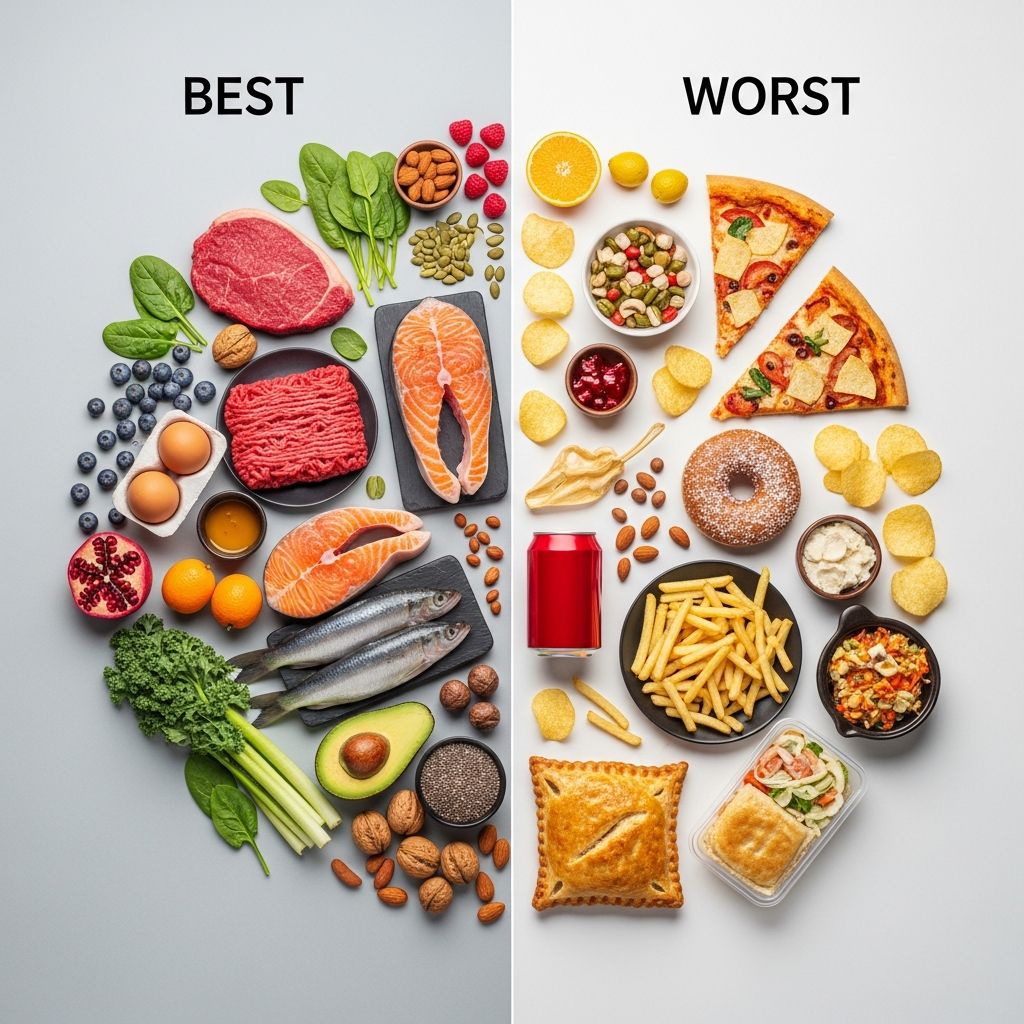
Testosterone is a vital hormone that influences muscle mass, bone density, fat distribution, red blood cell production, and sex drive in both men and women. Levels naturally decline with age, but diet plays a significant role in supporting or hindering production. Certain nutrient-dense foods rich in zinc, vitamin D, magnesium, and healthy fats can promote healthy testosterone, while processed items laden with sugars, trans fats, and endocrine disruptors may lower it. This guide, informed by recent research, outlines the best foods to include and worst to limit for optimal hormonal health.
What Is Testosterone and Why Does It Matter?
Testosterone, primarily produced in the testes for men and ovaries/adrenals for women, regulates numerous bodily functions. Low levels, or hypogonadism, can lead to fatigue, reduced libido, muscle loss, and mood changes. Factors like age, obesity, stress, and poor diet contribute to declines. A 2018 study linked low intake of dark green vegetables to reduced serum testosterone and higher hypogonadism risk. Conversely, diets high in healthy fats, such as the Mediterranean style rich in olive oil, correlate with higher levels. Maintaining balance through food choices supports overall vitality.
Best Foods for Healthy Testosterone Levels
Incorporating these foods provides key nutrients like zinc, omega-3s, magnesium, and antioxidants that aid testosterone synthesis and protect Leydig cells in the testes.
Fatty Fish
Fatty fish like salmon, sardines, and mackerel are powerhouse sources of vitamin D, zinc, and omega-3 fatty acids, all crucial for hormonal health. Vitamin D acts like a steroid hormone, directly influencing testosterone production. A 2021 review found low-fat diets linked to decreased testosterone, emphasizing healthy fats’ role. Omega-3s reduce inflammation, which can otherwise suppress hormone levels. Aim for 2-3 servings weekly; for example, a 3-ounce salmon fillet provides over 400 IU vitamin D and 0.5 mg zinc.
Dark Green Leafy Vegetables
Spinach, kale, Swiss chard, and bok choy are magnesium-rich, a mineral that boosts free and total testosterone. A 2018 observational study of 125 men showed low dark green vegetable intake associated with lower testosterone. Magnesium blocks proteins that bind testosterone, making more available. One cup of spinach delivers 79 mg magnesium (19% DV). These veggies also provide folate and antioxidants for overall endocrine support.
Cocoa Products and Dark Chocolate
High-cocoa dark chocolate (70%+ cacao) offers flavonoids, magnesium, and polyphenols that may enhance testosterone. A 2023 study on a cocoa-pomegranate blend raised levels in young men, while another with 200-400 mg cocoa supplements increased free testosterone after two months. Choose low-sugar options to avoid blood sugar spikes that crash hormones. A 1-ounce square provides 64 mg magnesium.
Avocados
Avocados supply boron and magnesium, which influence testosterone metabolism and prevent degradation. Boron, a trace mineral, may elevate levels; avocados offer about 1.4 mg per fruit alongside healthy monounsaturated fats essential for hormone synthesis. Half an avocado has 29 mg magnesium (7% DV).
Eggs
Whole eggs, especially yolks, pack healthy fats, protein, selenium, and B vitamins. Selenium activates genes for testosterone production; a 2019 review noted higher levels in those with optimal blood selenium. A resistance training study found men eating whole eggs post-workout had greater testosterone boosts than egg-white groups. Consume 2-3 whole eggs daily.
Berries, Cherries, and Pomegranates
These antioxidant-rich fruits contain flavonoids protecting testosterone-producing cells. Pomegranate juice raised salivary testosterone in a small study after two weeks. Anthocyanins in berries combat oxidative stress. Enjoy a cup of mixed berries or 8 oz pomegranate juice daily.
Related Stories



Shellfish and Oysters
Oysters top zinc lists at 74 mg per 3 ounces (673% DV), vital as deficiency links to low testosterone. Zinc supplementation restores levels in deficient men. Other shellfish like shrimp and crab also contribute.
Olive Oil and Healthy Fats
Extra-virgin olive oil, a Mediterranean diet staple, provides fats needed for steroid hormone production. Low-fat diets lower testosterone; olive oil’s antioxidants support balance. Drizzle 1-2 tbsp daily.
Worst Foods for Testosterone Levels
These foods promote inflammation, insulin resistance, or contain phytoestrogens/xenoestrogens mimicking estrogen, potentially lowering testosterone.
Processed and Fried Foods
High in trans fats and advanced glycation end-products (AGEs), these damage cells and raise estrogen. A 2021 review tied high-fat processed foods (e.g., fries) to lower testosterone. Limit to occasional treats.
Sugary Drinks and Refined Carbs
Soda and white bread spike insulin, suppressing testosterone. Obesity from excess sugar correlates with 20-30% lower levels. Opt for whole grains instead.
Soy Products
Rich in isoflavones (phytoestrogens), excessive soy may mimic estrogen. While moderate amounts are fine, heavy intake like daily tofu could disrupt balance in sensitive individuals.
Alcohol, Especially Beer
Excess alcohol impairs liver function, hindering testosterone clearance. Beer hops contain phytoestrogens. Limit to 1-2 drinks/day max.
Processed Meats
Bacon, sausages with nitrates and high saturated fats promote inflammation and estrogen. Choose lean, unprocessed proteins.
How Diet Influences Testosterone: Key Nutrients
| Nutrient | Role in Testosterone | Food Sources |
|---|---|---|
| Zinc | Enzyme cofactor for synthesis; prevents aromatase | Oysters, beef, pumpkin seeds |
| Vitamin D | Up-regulates genes; steroid precursor | Salmon, fortified milk, sunlight |
| Magnesium | Increases free T; reduces SHBG | Leafy greens, nuts, avocados |
| Omega-3s | Reduce inflammation | Fatty fish, flaxseeds |
| Selenium | Antioxidant for Leydig cells | Eggs, Brazil nuts |
This table highlights synergies; a varied diet maximizes benefits.
Lifestyle Tips Beyond Diet
- Exercise: Resistance training and HIIT boost T by 15-20% post-session.
- Sleep: 7-9 hours nightly; poor sleep drops T by 10-15%.
- Weight Management: Losing fat raises T; obesity converts it to estrogen.
- Stress Reduction: Cortisol antagonizes T; meditate or walk daily.
Frequently Asked Questions (FAQs)
What foods boost testosterone the most?
Fatty fish, oysters, leafy greens, eggs, and pomegranates top the list due to zinc, vitamin D, and magnesium content.
Can diet alone fix low testosterone?
Diet supports but doesn’t replace medical advice; consult a doctor for testing if symptoms persist.
How quickly do foods affect testosterone?
Nutrient improvements show in weeks; consistent habits yield best results over months.
Are supplements better than food?
Whole foods provide synergistic nutrients; supplements help deficiencies but aren’t superior.
Do women benefit from these foods?
Yes, balanced T supports energy, mood, and bone health in women too.
Takeaway
Prioritize whole foods like fatty fish, greens, eggs, and nuts while minimizing processed junk for sustained testosterone health. Combine with exercise and sleep for peak results. If concerned, get levels checked professionally.
References
- Foods That Boost Testosterone: Salmon, Vegetables, and More — Healthline. 2025-05-20. https://www.healthline.com/nutrition/testosterone-boosting-food
- Foods That May Increase Testosterone — GoodRx. 2025. https://www.goodrx.com/health-topic/mens-health/can-food-increase-testosterone
- The best foods to boost low testosterone — Medical News Today. 2025. https://www.medicalnewstoday.com/articles/323759
- A Review of foods and food supplements increasing testosterone — Journal of Men’s Health. 2021. https://www.jomh.org/articles/10.31083/jomh.2021.008
- Can Foods Boost Testosterone for Men and Women? — NASM Blog. 2025. https://blog.nasm.org/can-foods-boost-testosterone
Similar Articles








Read full bio of medha deb