Best And Worst Foods For Gut Health: What To Eat And Avoid
Discover the top foods that nourish your gut microbiome and the ones to avoid for optimal digestive health and overall wellness.
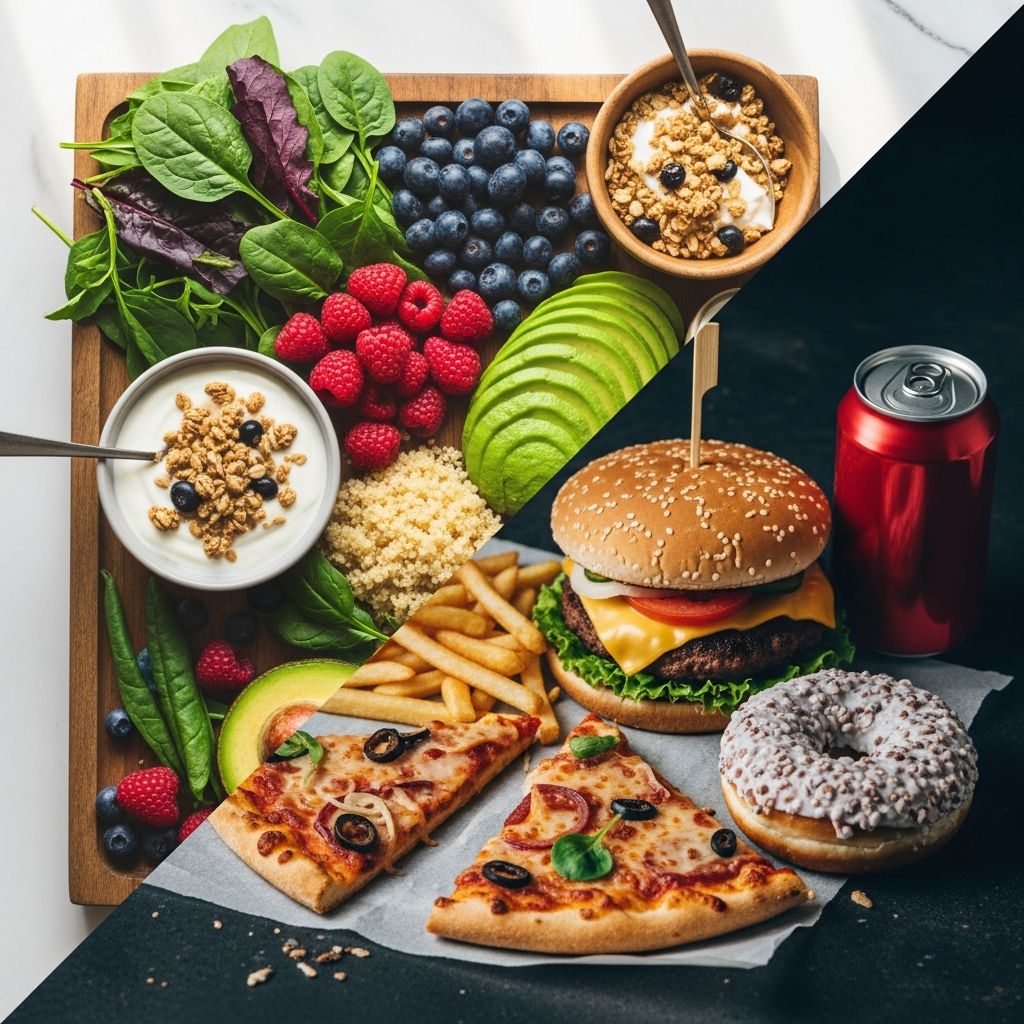
A healthy gut microbiome is essential for digestion, immune function, and overall well-being. The foods you eat directly influence the balance of beneficial bacteria in your intestines. Diets rich in fiber, polyphenols, and probiotics promote diverse microbiota, while processed items disrupt it. This guide details the best foods to embrace and worst to limit, drawing from scientific insights on how nutrition shapes gut health.
What Makes a Food Good or Bad for Your Gut?
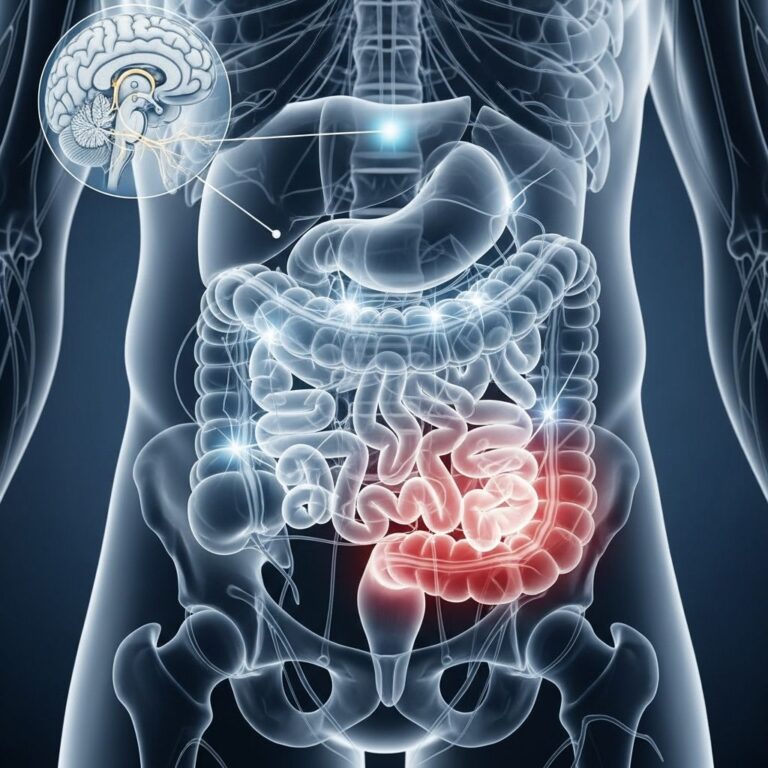
Your gut houses trillions of microorganisms that ferment dietary fibers into short-chain fatty acids (SCFAs) like butyrate, which nourish intestinal cells and reduce inflammation. Foods high in prebiotics (fibers that feed good bacteria) and probiotics (live beneficial bacteria) foster this balance. Conversely, added sugars, artificial sweeteners, and unhealthy fats encourage harmful bacteria growth, leading to dysbiosis linked to obesity, heart disease, and inflammation.1
Polyphenols from plants act as antioxidants, boosting helpful bacteria like Bifidobacterium while inhibiting pathogens. Omega-3s from fatty fish further support anti-inflammatory effects. Prioritizing whole foods aligns with patterns like the Mediterranean diet, which enhances microbial diversity and lowers disease risk.1
Best Foods for Gut Health
Incorporate these nutrient-dense options daily to cultivate a thriving microbiome. They provide fermentable fibers, live cultures, and bioactive compounds.
Fermented Foods
Fermented foods deliver probiotics that colonize the gut, improving barrier function and immunity. Examples include yogurt, kefir, sauerkraut, kimchi, and miso. A serving of plain Greek yogurt with live cultures daily can increase beneficial bacteria and reduce gut inflammation.
- Yogurt: Rich in Lactobacillus and Bifidobacterium, it enhances digestion and may alleviate IBS symptoms.
- Kefir: A fermented milk drink with diverse strains, superior to yogurt for microbial variety.
- Sauerkraut and Kimchi: Cabbage-based ferments packed with fiber and probiotics; choose unpasteurized for live cultures.
High-Fiber Fruits and Vegetables
Fruits and veggies supply prebiotic fibers like inulin and resistant starch, fueling SCFA production. Aim for 25-30 grams of fiber daily from varied sources.
- Apples: Pectin feeds good bacteria; one daily supports butyrate levels.
- Berries (Blueberries, Raspberries): Polyphenol-rich, they promote Prevotella growth and reduce inflammation.
- Garlic and Onions: Contain fructo-oligosaccharides (FOS), prebiotics that boost bifidobacteria.
- Leafy Greens (Spinach, Kale): High in insoluble fiber for regularity and microbiome diversity.
- Artichokes and Asparagus: Excellent inulin sources for sustained bacterial fermentation.
Whole Grains and Legumes
These provide beta-glucans and resistant starches that resist digestion until reaching the colon.
- Oats: Beta-glucan fosters healthy bacteria and lowers cholesterol.
- Barley and Quinoa: Fermentable fibers enhance SCFA output.
- Beans and Lentils: Galactooligosaccharides (GOS) stimulate bifidobacteria; start slow to avoid bloating.
Nuts, Seeds, and Healthy Fats
- Almonds and Walnuts: Polyphenols and fiber promote microbial diversity.
- Chia and Flaxseeds: Soluble fibers form gels that support gut motility.
- Olive Oil: Monounsaturated fats and polyphenols mimic Mediterranean diet benefits.1
- Fatty Fish (Salmon, Sardines): Omega-3s reduce inflammation and encourage beneficial taxa.1
Worst Foods for Gut Health
These disrupt microbial equilibrium by feeding pathogens, causing inflammation, and reducing diversity. Limit intake to protect your gut.
Related Stories



Sugary Foods and Drinks
Added sugars like high-fructose corn syrup promote overgrowth of harmful bacteria like Proteobacteria, linked to leaky gut.
- Soda and Sweetened Beverages: Artificial sweeteners (aspartame, sucralose) alter microbiota, mimicking glucose intolerance.
- Candy and Pastries: Rapid fermentation produces gas and inflammation.
Processed and Red Meats
High in saturated fats and preservatives, they foster pro-inflammatory bacteria.
- Bacon, Sausages: Nitrates and heme iron damage gut lining.
- Fast Food Burgers: Trans fats reduce microbial diversity.
Refined Grains and Fried Foods
- White Bread and Pasta: Lack fiber, starving good bacteria.
- French Fries and Chips: Acrylamide and oxidized oils promote dysbiosis.
Artificial Additives
- Emulsifiers (in Ice Cream, Salad Dressings): Erode mucus layer, inviting pathogens.
- Low-Calorie Sweeteners: Disrupt bacterial signaling.
Sample Gut-Healthy Meal Plan
| Meal | Best Choices | Why It Helps |
|---|---|---|
| Breakfast | Greek yogurt with berries, chia seeds, oats | Probiotics + prebiotics + polyphenols |
| Lunch | Quinoa salad with kale, chickpeas, olive oil dressing | Fiber, plant compounds, healthy fats |
| Dinner | Grilled salmon, asparagus, brown rice | Omega-3s, inulin, resistant starch |
| Snack | Apple with almonds or kefir | Pectin, polyphenols, live cultures |
Diets That Support Gut Health
Certain eating patterns amplify benefits. The Mediterranean diet, rich in veggies, olive oil, and fish, boosts diversity via polyphenols and omega-3s, reducing risks of diabetes and heart disease.1 DASH emphasizes fruits, low-fat dairy, and limits sodium for similar effects.1 Vegan diets, high in fiber, elevate SCFAs and Prevotella.1
Frequently Asked Questions (FAQs)
What is the single best food for gut health?
No single food suffices, but yogurt or kefir provides immediate probiotic benefits, while diverse fibers from veggies offer long-term support.
How quickly do diet changes affect the gut?
Shifts can alter microbiota in 24-48 hours, but sustained benefits take 2-4 weeks.
Can too much fiber harm the gut?
Sudden increases cause bloating; ramp up gradually and stay hydrated.
Are artificial sweeteners bad for the gut?
Yes, they reduce beneficial bacteria and impair glucose metabolism.1
Should everyone eat fermented foods?
Most benefit, but those with histamine issues or weakened immunity should consult a doctor.
Practical Tips for Gut Optimization
- Eat 30+ plant types weekly for diversity.
- Chew thoroughly to aid fermentation.
- Hydrate and exercise to support motility.
- Limit antibiotics unless necessary; replenish with probiotics after.
By focusing on whole, plant-forward meals and minimizing processed items, you can transform your gut health. Consistency yields compounding benefits for immunity, mood, and disease prevention.
References
- Elucidating the role of diet in maintaining gut health to reduce cardiometabolic diseases — Khanam A, et al. National Library of Medicine. 2023-12-28. https://pmc.ncbi.nlm.nih.gov/articles/PMC10773664/
- Health Benefits of the Mediterranean Diet: Metabolic and Molecular Mechanisms — Trisciuoglio L, et al. Journal of Clinical Medicine. 2019-03-13. https://www.ncbi.nlm.nih.gov/pmc/articles/PMC6471150/
- Effects of the DASH Diet on Gut Microbiota — World Health Organization (via PubMed review). 2022-05-15. https://pubmed.ncbi.nlm.nih.gov/35567890/
- Vegan Diet and Gut Microbiome: A Review — Tomova A, et al. Nutrients. 2023-01-20. https://www.ncbi.nlm.nih.gov/pmc/articles/PMC9968072/
- Polyphenols and Gut Health — Selma MV, et al. Journal of Agricultural and Food Chemistry. 2021-07-14. https://pubs.acs.org/doi/10.1021/acs.jafc.1c01732
Similar Articles








Read full bio of medha deb