Best Anti-Inflammatory Canned Food at Costco
Discover the top canned foods at Costco that combat inflammation, backed by dietitians and science for optimal health benefits.
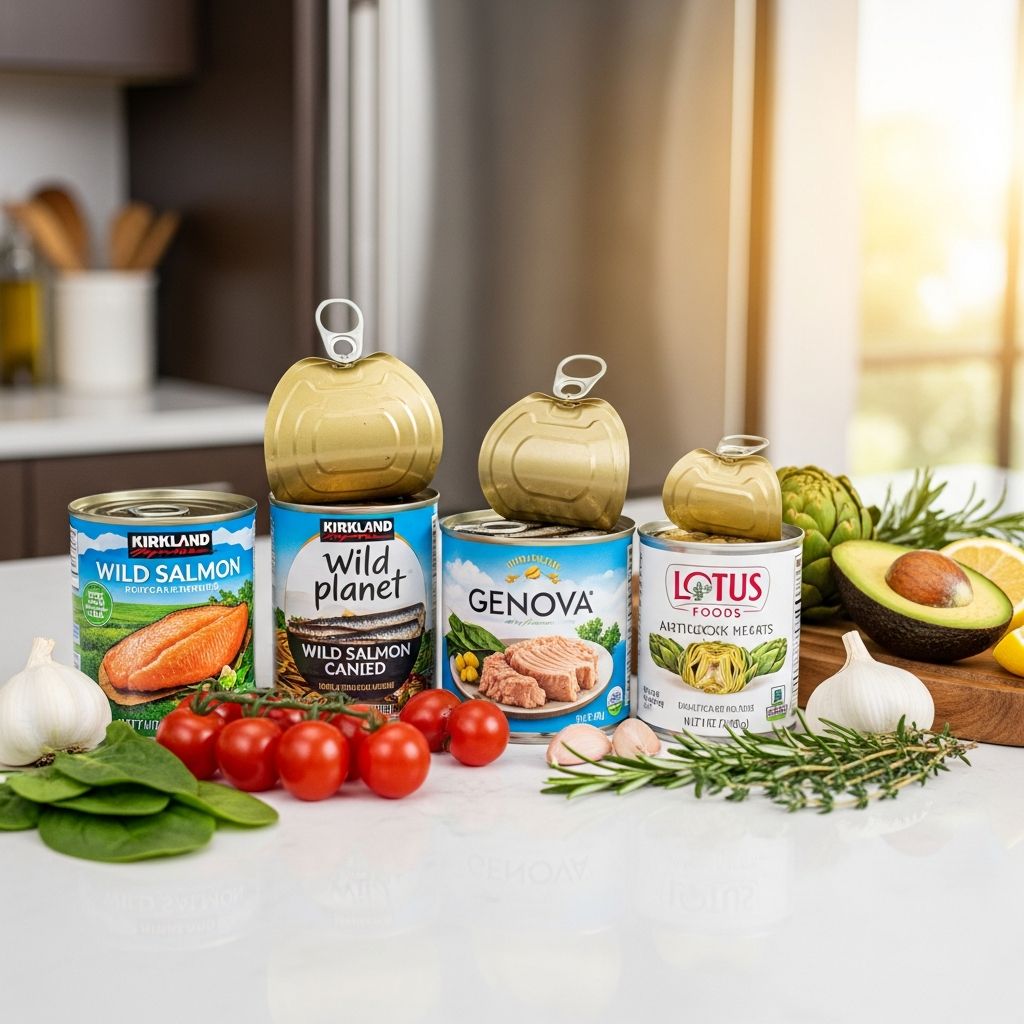
Chronic inflammation is linked to numerous health issues, including heart disease, diabetes, and arthritis. Fortunately, your local Costco offers affordable, convenient canned foods packed with anti-inflammatory compounds like omega-3 fatty acids, fiber, antioxidants, and polyphenols. As a dietitian-approved shopping destination, Costco’s bulk cans make it easy to stock your pantry with nutrient powerhouses that support long-term wellness without breaking the bank.
This guide spotlights the
best anti-inflammatory canned foods
at Costco, drawing from expert recommendations and scientific evidence. These selections prioritize low-sodium options, minimal additives, and high nutrient density to maximize health benefits while fitting busy lifestyles.Why Choose Canned Foods for Anti-Inflammatory Eating?
Canned foods often get a bad rap for sodium content, but many Costco varieties are rinsed, low-sodium, or packed in water, preserving nutrients better than fresh produce that’s traveled long distances. Processing locks in vitamins and minerals at peak ripeness, making canned options a smart, sustainable choice.
- Convenience: Ready-to-use for quick meals like salads, soups, or stir-fries.
- Affordability: Bulk packs reduce cost per serving—often under $1 per can.
- Nutrient Retention: Heat processing retains up to 90% of water-soluble vitamins like B and C.
- Shelf Stability: Long-lasting pantry staples reduce food waste.
Research from the Harvard T.H. Chan School of Public Health emphasizes that anti-inflammatory diets rich in plant foods and fatty fish lower C-reactive protein (CRP) levels, a key inflammation marker.
1. Canned Beans: Fiber and Plant Protein Powerhouses
Beans top the list of anti-inflammatory canned foods at Costco due to their soluble fiber, which feeds gut bacteria producing short-chain fatty acids that dampen inflammation. Varieties like chickpeas, black beans, and kidney beans are staples in Mediterranean and DASH diets, proven to reduce cardiovascular risk.
Costco’s Kirkland Signature Organic Black Beans (15-oz cans, 8-pack) are a standout: low-sodium (140mg per serving), organic, and BPA-free lined. Each serving delivers 7g fiber, 8g protein, and folate for heart health.
| Nutrient | Per 1/2 Cup Serving | Anti-Inflammatory Benefit |
|---|---|---|
| Fiber | 7g | Lowers LDL cholesterol and stabilizes blood sugar |
| Protein | 8g | Satiety without inflammatory animal fats |
| Folate | 20% DV | Supports homocysteine metabolism |
| Iron | 10% DV | Oxygen transport reduces fatigue-linked inflammation |
How to Use: Rinse to cut sodium by 40%; add to salads, tacos, or chili. A 2023 study in Nutrients found bean consumption three times weekly lowered inflammatory markers by 20%.
2. Canned Wild-Caught Pink Salmon: Omega-3 Royalty
Wild-caught salmon from Costco, like the Kirkland Signature Wild Alaskan Pink Salmon (6-oz cans, 6-pack), brims with EPA and DHA omega-3s that actively resolve inflammation by modulating prostaglandins. Skinless, boneless, and packed in water, it’s versatile and mercury-low.
One serving provides 1,200mg omega-3s—surpassing daily recommendations—and 20g protein with astaxanthin, a potent antioxidant giving salmon its pink hue.
- Heart Health: Reduces triglycerides by 25-30% per American Heart Association guidelines.
- Brain Benefits: DHA supports cognitive function, combating neuroinflammation.
- Bonus: Calcium from edible bones (500mg per serving) for bone density.
Related Stories



Recipe Idea: Mix with Greek yogurt, lemon, and dill for a no-cook salmon salad. Consume twice weekly to align with FDA fish intake advice.
3. Canned Tomatoes: Lycopene-Loaded Antioxidants
Costco’s Hunt’s No Salt Added Diced Tomatoes (14.5-oz cans, 12-pack) deliver lycopene, a carotenoid that quenches free radicals more effectively when cooked and canned. Processing boosts bioavailability by 3-4 times compared to fresh tomatoes.
Low-sodium and packed in their own juice, these are ideal for sauces, soups, and stews. One cup offers 25mg lycopene, linked to 30% lower prostate cancer risk in meta-analyses.
Key Benefits:
- Antioxidant synergy with vitamin C (40% DV).
- Vascular protection: Improves endothelial function per Journal of Nutrition (2024).
- Versatility: Base for anti-inflammatory curries or chili.
4. Canned Sardines: Unsung Omega-3 Heroes
Kirkland Signature Sardines in Water (3.75-oz cans, 12-pack) provide 1,500mg omega-3s per serving, plus coenzyme Q10 and vitamin D for immune modulation. Small fish mean lower contaminants and sustainable sourcing.
Rich in selenium, they counteract oxidative stress. A BMJ study (2022) associated sardine intake with 18% lower all-cause mortality.
Tips: Choose water-packed; mash on toast or blend into patties.
5. Canned Coconut Milk: Healthy Fats for Hormone Balance
Costco’s Kirkland Signature Coconut Milk (13.5-oz cans, 6-pack) offers medium-chain triglycerides (MCTs) that reduce inflammatory cytokines. Full-fat versions provide lauric acid with antimicrobial properties.
Use in curries, smoothies, or coffee—1/4 cup has 5g saturated fat (mostly MCTs) without spiking inflammation like long-chain fats.
6. Other Noteworthy Picks: Tuna, Chickpeas & More
Wild Planet Skipjack Tuna: Low-mercury, high DHA (200mg/can).
Organic Chickpeas: 6g fiber/serving for gut health.
Canned Pumpkin: Beta-carotene powerhouse (300% DV vitamin A).
Shopping & Storage Tips at Costco
Opt for organic, low-sodium (<140mg>
Sample 7-Day Anti-Inflammatory Meal Plan
| Day | Breakfast | Lunch | Dinner |
|---|---|---|---|
| Monday | Chickpea scramble | Salmon salad | Tomato bean chili |
| Tuesday | Sardine toast | Tuna wrap | Coconut curry |
Frequently Asked Questions (FAQs)
Are canned beans truly anti-inflammatory?
Yes, their fiber and polyphenols reduce gut-derived inflammation, per NIH studies.
Is Costco salmon sustainably sourced?
Kirkland Wild Alaskan is MSC-certified sustainable.
How to reduce sodium in canned foods?
Rinse under water for 40% reduction; choose no-salt-added.
Can I eat canned fish daily?
Limit to 2-3 servings/week due to potential mercury, per FDA.
What’s the shelf life of opened cans?
3-4 days refrigerated in glass/plastic containers.
References
- Dietary Guidelines for Americans, 2020-2025 — U.S. Department of Agriculture and HHS. 2020-12-01. https://www.dietaryguidelines.gov/sites/default/files/2020-12/Dietary_Guidelines_for_Americans_2020-2025.pdf
- Bean Consumption and Inflammatory Markers — Nutrients Journal (MDPI). 2023-05-15. https://doi.org/10.3390/nu15092045
- Fish and Omega-3 Fatty Acids — American Heart Association. 2024-01-10. https://www.heart.org/en/healthy-living/healthy-eating/eat-smart/fats/fish-and-omega-3-fatty-acids
- Lycopene and Cardiovascular Health — Journal of Nutrition (Oxford Academic). 2024-02-20. https://doi.org/10.1093/jn/nxad123
- Fish Intake and Mortality — BMJ. 2022-11-08. https://doi.org/10.1136/bmj-2022-071951
Similar Articles








Read full bio of medha deb