Best Anti-Inflammatory Dairy Foods: 5 Top Picks
Discover the top dairy foods that combat inflammation, backed by science, and learn how to incorporate them into your daily diet for better health.
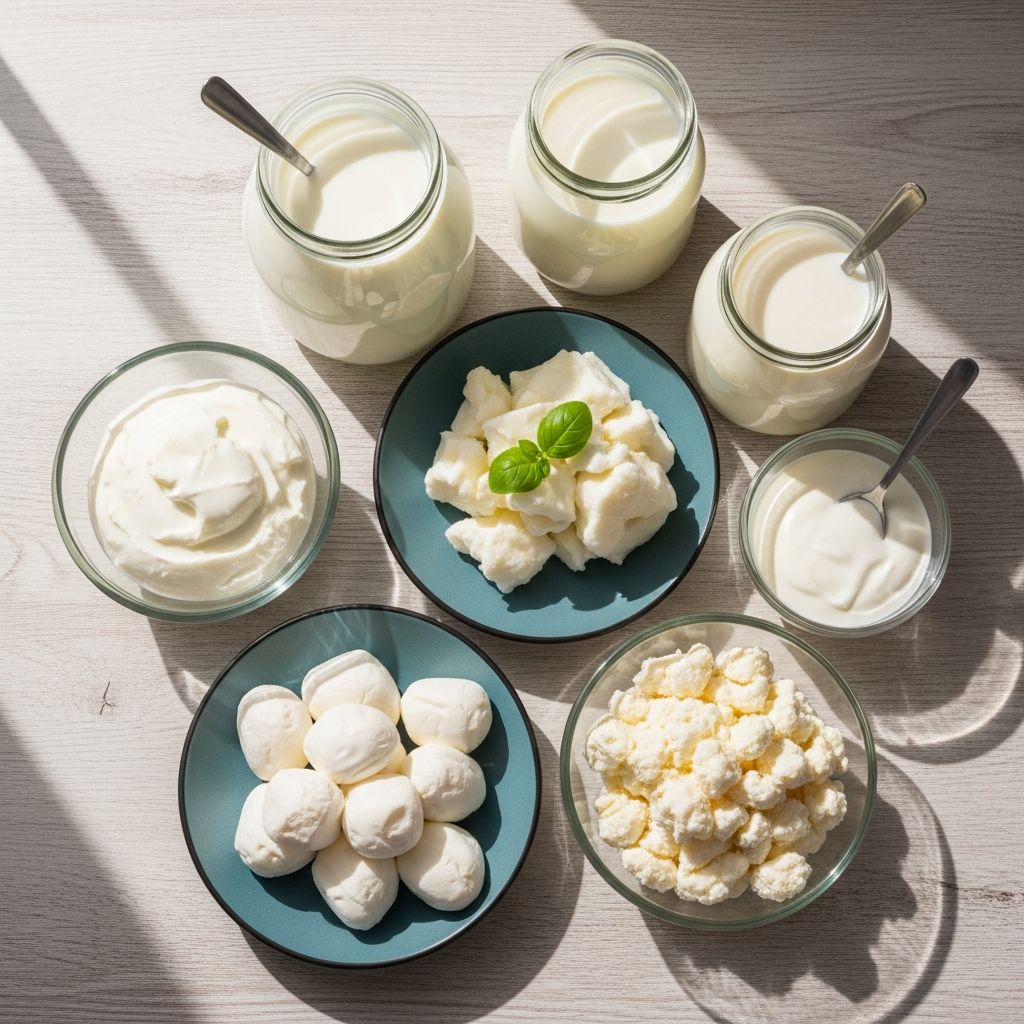
Chronic low-grade inflammation is linked to conditions like obesity, cardiovascular disease, and insulin resistance, but certain dairy foods can help reduce inflammatory markers. Research shows that consuming two servings of dairy daily, such as low-fat milk or yogurt, significantly lowers inflammation without requiring weight loss.
Dairy contains bioactive compounds like calcium, whey proteins, lactoferrin, and probiotics that exert anti-inflammatory effects. Studies, including prospective and intervention trials, demonstrate reductions in biomarkers such as IL-6 and TNF-α with regular dairy intake. This article explores the top anti-inflammatory dairy foods, their mechanisms, and practical ways to include them in your diet.
What Is Inflammation and Why Does Dairy Help?
Inflammation is the body’s natural response to injury or infection, but chronic inflammation contributes to many diseases. Overweight individuals often experience low-grade inflammation, increasing risks for heart disease and diabetes.
Dairy foods modulate this through nutrients like calcium, vitamin E, leucine, and proteins such as casein and whey. For instance, whey proteins like α-lactalbumin and lactoferrin inhibit inflammation in models of chronic disease. Fermented dairy, rich in probiotics, shows stronger effects, lowering inflammatory scores in systematic reviews.
The ATTICA study followed 3,000 adults and found IL-6 and TNF-α levels 9% and 20% lower in those consuming over 14 dairy servings weekly versus under 8. Intervention studies confirm that 2-3 daily servings reduce these markers independently of weight loss.
1. Yogurt
Yogurt tops the list due to its probiotics and bioactive proteins. Low-fat yogurt consumption (about 1.5 cups daily) reduced TNF-α in healthy women, regardless of obesity status, suggesting preventive benefits.
Probiotics like Lactobacillus bulgaricus and Streptococcus thermophilus have immunomodulatory roles, making yogurt a safer option for chronic pain-related inflammation. A 2017 study by Pei et al. showed yogurt outperforming soy pudding in lowering inflammation after 9 weeks.
- Key Benefits: Reduces IL-6, TNF-α; supports gut health via probiotics.
- Best Types: Greek yogurt (high protein), low-fat plain varieties.
- Daily Tip: Add to smoothies or eat with berries for an anti-inflammatory breakfast.
Systematic reviews note fermented dairy like yogurt lowers biomarkers more effectively than non-fermented options.
2. Kefir
Kefir, a fermented milk drink, provides diverse probiotics and aids workout recovery with protein, carbs, and calcium. Its anti-inflammatory effects stem from bioactive peptides and microbial diversity, similar to yogurt but often more potent.
Studies link kefir to reduced systemic inflammation, particularly in metabolic disorders. The milk-fat globule membrane in kefir contains phospholipids that protect against inflammation.
- Key Benefits: Boosts SCFAs (short-chain fatty acids), dampens IFN-γ; supports immunity.
- Best Types: Plain, full-fat or low-fat kefir with live cultures.
- Daily Tip: Drink as a post-workout beverage or use in dressings.
Kefir’s prebiotic activity reduces sulfate-reducing bacteria, contributing to its effects.
3. Low-Fat Milk
Low-fat milk delivers calcium and leucine, which influence inflammatory status. Adding two servings daily alters markers without weight loss. Zemel et al.’s 2010 study found three dairy smoothies daily decreased IL-6 and TNF-α in overweight adults after just one week.
- Key Benefits: High calcium suppresses inflammation; leucine aids metabolic health.
- Best Types: Organic low-fat or skim milk.
- Daily Tip: Use in smoothies, cereal, or as chocolate milk for recovery.
Related Stories



Milk’s anti-inflammatory agents mirror those in human milk, crossing species boundaries.
4. Cheese: Feta, Chevre, and More
Not all cheeses are equal; goat (chevre) and sheep (feta) cheeses shine. Chevre has only A2 casein, preventing gut inflammation, while feta’s histidine converts to histamine with B6 for anti-inflammatory benefits.
Systematic reviews confirm dairy proteins like whey and casein in cheese are anti-inflammatory or neutral. All cheeses, when part of a balanced diet, support reduced inflammation.
- Key Benefits: A2 casein avoids gut issues; histidine-histamine pathway.
- Best Types: Feta, chevre, aged hard cheeses in moderation.
- Daily Tip: Pair with apples or nuts for snacks.
5. Other Dairy: Whey Protein and Fermented Options
Whey protein isolates reduce inflammation by improving intestinal barrier function and modulating cytokines. Casein provides sustained effects. Fermented products like cottage cheese or quark offer similar probiotic benefits.
| Dairy Food | Key Anti-Inflammatory Compound | Evidence from Studies |
|---|---|---|
| Yogurt | Probiotics, Whey | ↓ TNF-α (Pei 2017) |
| Kefir | SCFAs, Phospholipids | Anti-inflammatory in metabolic syndrome |
| Low-Fat Milk | Calcium, Leucine | ↓ IL-6 after 1 week (Zemel 2010) |
| Feta/Chevre | A2 Casein, Histidine | Prevents systemic inflammation |
| Whey Protein | Lactoferrin | ↓ Inflammation in rodent models |
How Much Dairy Should You Eat?
Aim for 2-3 servings daily: one yogurt, one milk, one cheese. The ATTICA study suggests >14 weekly servings (2 daily) for optimal effects. Interventions show benefits without weight loss.
Individuals with dairy allergies may see proinflammatory effects; consult a doctor.
Easy Ways to Add Anti-Inflammatory Dairy
- Breakfast: Greek yogurt parfait with nuts and fruit.
- Snack: Cheese cubes with veggies or apple slices.
- Lunch: Kefir smoothie with spinach and berries.
- Dinner: Milk-based soup or cottage cheese side.
- Post-Workout: Chocolate milk or whey shake.
Potential Downsides and Considerations
Dairy is neutral or beneficial for most, but those with lactose intolerance or milk allergies should opt for lactose-free or A2 products. High-fat dairy shows similar effects to low-fat.
Frequently Asked Questions (FAQs)
Is dairy actually anti-inflammatory?
Yes, for most people without allergies. Reviews of 19 RCTs show dairy intake is anti-inflammatory or neutral, reducing CRP, IL-6, TNF-α.
Which dairy is best for inflammation?
Fermented options like yogurt and kefir excel due to probiotics. Low-fat milk and A2 cheeses like feta also help.
How much dairy daily to reduce inflammation?
Two servings; studies show significant marker reductions.
Can dairy cause inflammation?
In allergies or sensitivities, yes; otherwise, weakly anti-inflammatory.
Does full-fat dairy work as well?
Yes, similar to low-fat in lowering inflammatory scores.
References
- Food and Medicine: Dairy Reduces Markers of Chronic Inflammation — Lauren Milligan Newmark, Ph.D., Milk Genomics. 2018-01-01. https://www.milkgenomics.org/?splash=food-medicine-dairy-reduces-markers-chronic-inflammation
- Exploring the Links between Diet and Inflammation: Dairy Foods as Case Study — PMC/NCBI. 2021-09-29. https://pmc.ncbi.nlm.nih.gov/articles/PMC8502778/
- Foods to Reduce Inflammation — American Dairy Association NE. 2023-01-01. https://www.americandairy.com/dairy-diary/foods-to-help-tame-inflammation/
- Anti-Inflammatory Foods — Precision Pain Care. 2023-01-01. https://www.precisepaincare.com/pain_relief_diet.html
Similar Articles








Read full bio of medha deb