Best Anti-Inflammatory Drinks Dietitians Recommend
Discover the top anti-inflammatory drinks recommended by dietitians to reduce inflammation, boost health, and support wellness daily.
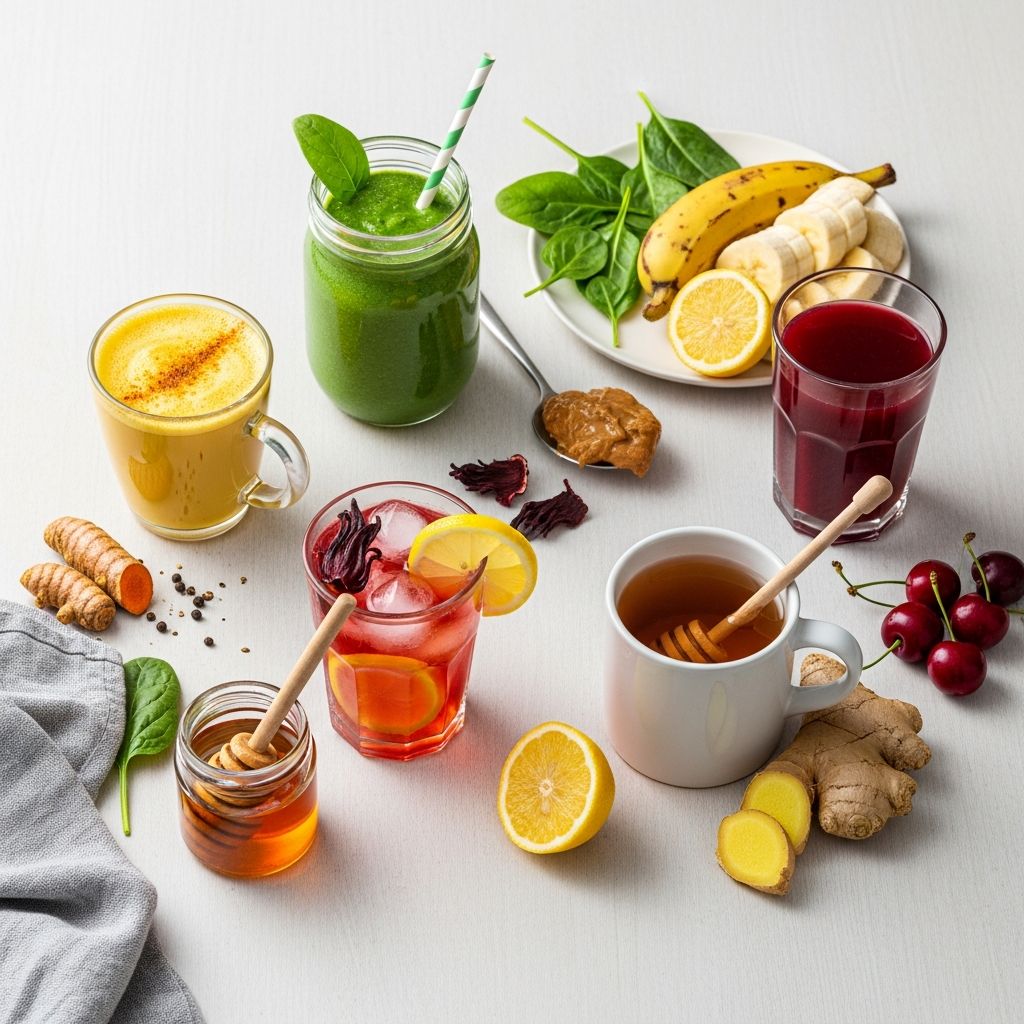
Chronic inflammation contributes to numerous health issues, including arthritis, heart disease, and digestive problems. Fortunately, certain beverages packed with antioxidants, polyphenols, and probiotics can help combat inflammation effectively. Dietitians emphasize incorporating these drinks into your daily routine to support overall wellness, improve gut health, and reduce inflammatory markers in the body.
According to registered dietitians, prioritizing drinks high in anti-inflammatory compounds like catechins, curcumin, and ellagitannins offers a simple yet powerful strategy. These beverages not only hydrate but also deliver nutrients that neutralize free radicals and modulate immune responses.
What Makes a Drink Anti-Inflammatory?
Anti-inflammatory drinks typically contain bioactive compounds that inhibit pro-inflammatory cytokines and promote antioxidant activity. Polyphenols from teas and coffee, probiotics from fermented drinks, and curcumin from turmeric are prime examples. Research shows these elements can lower inflammation markers like C-reactive protein.
Key benefits include enhanced gut microbiome balance, better nutrient absorption, and protection against oxidative stress. Dietitians recommend opting for unsweetened versions to avoid added sugars, which can exacerbate inflammation.
- Antioxidants and Polyphenols: Found in berries, teas, and coffee; they scavenge free radicals.
- Probiotics and Prebiotics: Support gut health, aiding absorption of anti-inflammatory nutrients.
- Anti-Inflammatory Spices: Turmeric and ginger reduce cytokine production.
1. Green Tea and Matcha
Green tea, especially matcha, tops the list for its high concentration of epigallocatechin gallate (EGCG), a catechin with potent anti-inflammatory effects. Studies indicate matcha contains three times more EGCG than regular green tea, helping suppress inflammatory cytokines.
White teas share similar benefits, rich in polyphenols that regulate the immune system and reduce inflammation. Sip hot or iced for daily protection against conditions like arthritis.
- Health perks: Lowers risk of cardiovascular disease and supports brain health.
- Prep tip: Brew matcha with hot water, whisk until frothy; add lemon for extra vitamin C.
2. Turmeric Golden Milk (Latte)
Known as golden milk, this turmeric-based drink leverages curcumin, a compound proven to alleviate symptoms of rheumatoid arthritis, lupus, and more. Combining turmeric with black pepper enhances curcumin absorption by up to 2,000%.
Dietitians suggest mixing with milk (dairy or plant-based), ginger, and a touch of black pepper for optimal effects. It’s soothing for joints and digestion.
- Benefits: Improves joint pain, brain function, and reduces oxidative stress.
- Recipe: Heat 1 cup milk with 1 tsp turmeric, ½ tsp ginger, pinch of pepper, and honey to taste.
3. Coffee
Black coffee brims with polyphenols that combat inflammation, outperforming many supplements. Avoid sugary lattes, as added sugars drive inflammation. Opt for plain brewed coffee to maximize benefits.
- Evidence: Regular consumption linked to lower inflammation markers.
- Tip: Limit to 3-4 cups daily; pair with antioxidants like cinnamon.
4. Earl Grey Tea
This black tea infused with bergamot oil boosts autophagy and contains theaflavins that suppress cytokines. Enhance with ginger or lemon for amplified effects.
- Perks: Supports cellular repair and immune modulation.
- How to enjoy: Steep 3-5 minutes; add fresh ginger slices.
Related Stories



5. Kombucha and Fermented Drinks
Stanford studies confirm kombucha’s postbiotics reduce inflammation via gut fermentation. Probiotic sodas and kefir offer similar benefits, improving nutrient absorption.
- Advantages: Balances gut microbiome, eases digestive inflammation.
- Selection: Choose low-sugar varieties under 5g per serving.
6. Tart Cherry Juice
Rich in anthocyanins, tart cherry juice reduces muscle soreness, gout flares, and osteoarthritis symptoms. Dilute with water to manage natural sugars.
- Ideal for: Post-workout recovery and better sleep.
- Dosage: 8 oz daily, preferably unsweetened.
7. Pomegranate Juice
High in ellagitannins, it targets brain inflammation. Mix with sparkling water for a low-sugar mocktail.
- Benefits: Antioxidant protection for cognitive health.
- Tip: Verify 100% juice, no added sugars.
8. Beet Juice
Nitrates and betalains in beets lower blood pressure and inflammation. Blend with apple and ginger for palatability.
- Effects: Supports cardiovascular health.
- Prep: Juice fresh beets or buy cold-pressed.
9. Smoothies and Fresh Juices
Whole-fruit smoothies with berries, spinach, and yogurt provide fiber and probiotics, outperforming juices. Include kefir for extra gut support.
| Ingredient | Anti-Inflammatory Benefit |
|---|---|
| Berries | High polyphenols |
| Kale/Spinach | Vitamin C, antioxidants |
| Yogurt/Kefir | Probiotics |
10. Bone Broth and Herbal Teas
Bone broth inhibits neutrophil activity, mimicking chicken soup’s effects. Herbal teas like ginger shots deliver quick anti-inflammatory hits.
Tips for Choosing and Incorporating Anti-Inflammatory Drinks
- Read labels: Avoid added sugars >5g per serving.
- Daily goal: 1-2 specialized drinks alongside water.
- Hydrate first: Start mornings with lemon water.
- Customize: Add spices like ginger or cinnamon.
- Moderation: Limit juices to 4-8 oz to control calories.
Consistency yields results; track how these drinks affect energy and joint comfort.
Frequently Asked Questions (FAQs)
Q: How many anti-inflammatory drinks should I have daily?
A: Aim for 1-2 servings alongside plenty of water. Overdoing juices can add excess sugar.
Q: Can these drinks replace anti-inflammatory medications?
A: No, they complement treatments. Consult a doctor for chronic conditions.
Q: Are plant-based milks suitable for golden milk?
A: Yes, almond or oat milk works well; choose unsweetened.
Q: What’s the best time for kombucha?
A: Mid-morning or afternoon for gut support; avoid evenings if sensitive to caffeine.
Q: Do these drinks help with arthritis?
A: Yes, tart cherry and turmeric show symptom relief in studies.
Integrating these drinks fosters long-term health. Experiment to find favorites while prioritizing whole, nutrient-dense options.
References
- 12 Anti-Inflammatory Drinks to Calm Inflammation — Hone Health. 2023. https://honehealth.com/edge/anti-inflammatory-drinks/
- 3 Best Anti-Inflammatory Drinks — Dr. Philip Rabito MD. 2024. https://www.philiprabitomd.com/3-best-anti-inflammatory-drinks/
- Best Drinks for Arthritis — Arthritis Foundation. 2025. https://www.arthritis.org/health-wellness/healthy-living/nutrition/healthy-eating/best-drinks-for-arthritis
- 8 Best Anti-Inflammatory Drinks — DrAxe.com. 2024. https://draxe.com/nutrition/anti-inflammatory-drinks/
- What Can I Drink To Reduce Inflammation? — Nourish. 2024. https://www.usenourish.com/blog/what-can-i-drink-to-reduce-inflammation
Similar Articles








Read full bio of medha deb