Best Anti-Inflammatory Spices for Fighting Inflammation
Discover the top anti-inflammatory spices that can help reduce chronic inflammation and support overall health through everyday cooking.
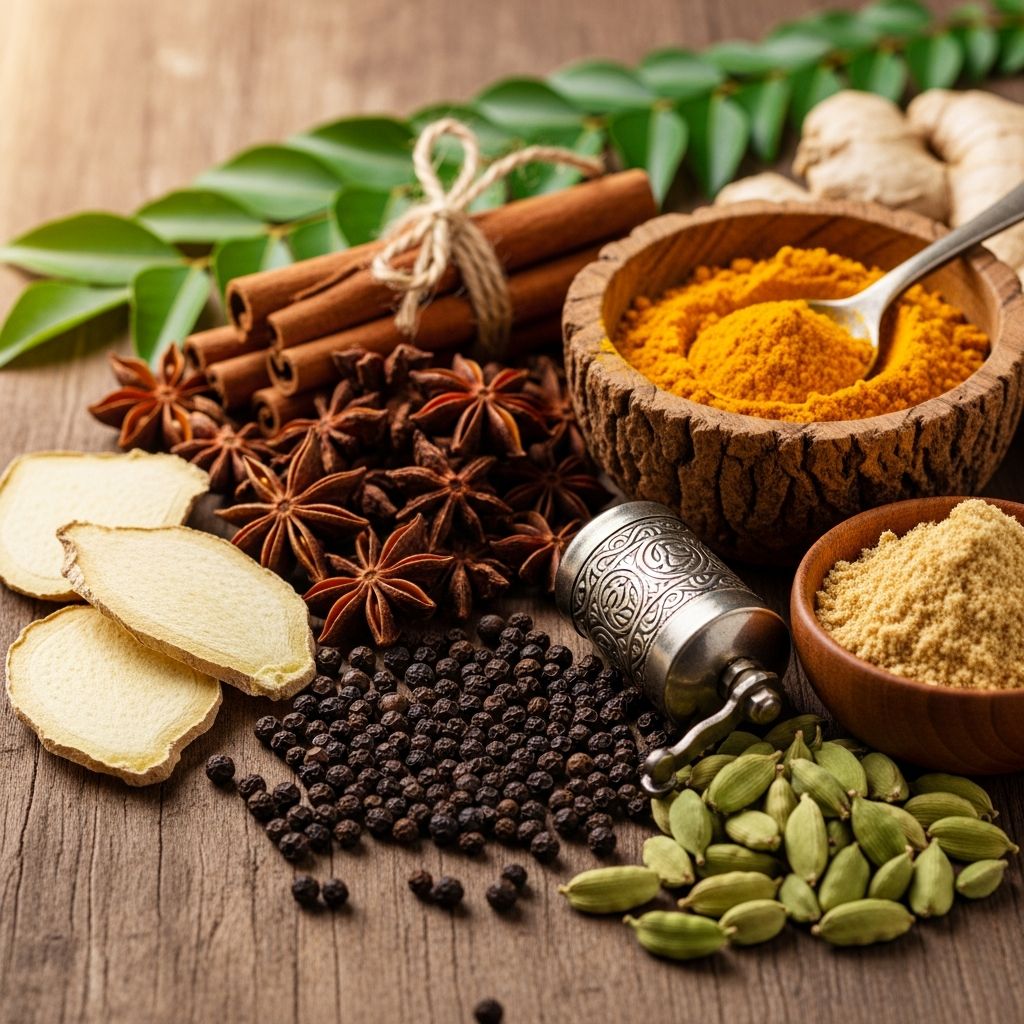
Chronic inflammation underlies many health issues, from arthritis to heart disease. Incorporating
anti-inflammatory spices
into your daily meals offers a delicious, natural way to combat it. These potent kitchen staples contain bioactive compounds that target inflammatory pathways, supported by research from credible sources like the Arthritis Foundation and peer-reviewed studies.Spices have been used for centuries in traditional medicine, and modern science confirms their benefits. A review in PMC notes that spices like turmeric, ginger, and garlic suppress inflammatory pathways linked to chronic diseases. This article covers the top anti-inflammatory spices, their mechanisms, usage tips, recipes, and more to help you build an inflammation-fighting diet.
What Is Inflammation and Why Spices Help
Inflammation is the body’s response to injury or infection, but chronic low-grade inflammation contributes to conditions like arthritis, diabetes, and cardiovascular disease. Anti-inflammatory spices contain antioxidants and phytochemicals that inhibit pro-inflammatory cytokines, enzymes like COX-2, and pathways such as NF-κB.
According to the Arthritis Foundation, spices provide an ‘additive effect’ when used daily—sprinkle cinnamon in oatmeal, sip ginger tea, or season with garlic and pepper. Dietitians emphasize variety: consuming multiple spices amplifies benefits without adding calories, salt, or fat.
1. Turmeric: The Golden Anti-Inflammatory Powerhouse
**Turmeric** (*Curcuma longa*) owes its vibrant color and potency to
curcumin
, a compound that blocks inflammatory cytokines and enzymes in multiple pathways. Human trials show it reduces joint pain and swelling in arthritis patients.For heart health, curcumin lowers C-reactive protein (CRP), a key inflammation marker, and protects blood vessels. A PMC review highlights its role in preventing chronic diseases.
- Key Compound: Curcumin (blocks NF-κB, COX-2)
- Health Benefits: Reduces joint swelling, supports heart health, antioxidant effects
- Tip: Pair with black pepper (piperine boosts absorption by 2000%). Use fresh root or powder in curries, golden milk, or smoothies.
Turmeric Recipe: Golden Milk
- 1 cup milk (dairy or plant-based)
- 1 tsp turmeric powder
- ½ tsp black pepper
- 1 tsp honey, pinch cinnamon
Heat milk, whisk in spices, simmer 5 minutes. Enjoy warm nightly for anti-inflammatory effects.
2. Ginger: Zesty Inflammation Fighter
**Ginger** (*Zingiber officinale*) contains
gingerol
andshogaol
, which block inflammation pathways and may ease osteoarthritis symptoms. Studies show mixed but promising results for pain relief.It supports heart health by improving circulation, blood sugar, and triglycerides. PMC confirms its antioxidant and anti-inflammatory properties.
- Key Compounds: 6-Gingerol, shogaols
- Benefits: Reduces muscle pain, nausea, supports digestion and heart health
- Tip: Fresh ginger in tea, stir-fries, or grated into smoothies. Aim for 1-2g daily.
Ginger Recipe: Anti-Inflammatory Tea
- 1-inch fresh ginger, sliced
- 1 cup hot water, lemon juice, honey
Steep 10 minutes. Drink 2-3 times daily.
3. Garlic: Sulfur-Rich Inflammation Blocker
**Garlic** (*Allium sativum*) features
diallyl disulfide
and allicin, limiting pro-inflammatory cytokines and preventing cartilage damage in arthritis. Traditionally used for cardiovascular health, it exhibits anti-inflammatory effects.- Key Compounds: Allicin, diallyl sulfides
- Benefits: Fights infections, supports heart health, reduces inflammation
- Tip: Use fresh garlic—crush and let sit 10 minutes to activate allicin. Avoid bottled varieties.
Garlic Usage Ideas
- Minced in marinades, soups, roasted veggies
- Pair with turmeric for synergy
4. Cinnamon: Antioxidant Spice for Daily Use
**Cinnamon** contains
cinnamaldehyde
and cinnamic acid, inhibiting free radical damage. It improves blood pressure, cholesterol, and inflammatory markers for heart health.Related Stories



While more research is needed for standalone effects, it contributes cumulatively.
- Benefits: Blood sugar control, antioxidant protection
- Tip: Add to oatmeal, yogurt, coffee. Ceylon variety preferred over Cassia for lower coumarin.
5. Cayenne & Chili Peppers: Capsaicin Heat
**Cayenne** and chilies provide
capsaicinoids
like capsaicin, reducing inflammation by blocking triggering chemicals and boosting nitric oxide for vessel health.Use sparingly in sauces, rubs.
- Tip: Start with a dash to build tolerance.
6. Cloves: Eugenol-Powered Protection
**Cloves** are rich in
eugenol
, reducing inflammation, protecting vessels, and supporting cholesterol levels. PMC links spices like cloves to chronic disease prevention.- Usage: In teas, baked goods, curries.
Other Notable Spices
- Black Pepper: Piperine enhances bioavailability.
- 1,8-Cineole Spices (Cardamom, Basil): Downregulates inflammatory markers.
General Tips for Maximizing Benefits
- Combine spices for synergy (e.g., turmeric + pepper + ginger).
- Use fresh where possible; store in cool, dark places.
- Incorporate into every meal for additive effects.
- Consult doctor if on medications—high doses may interact.
Sample Anti-Inflammatory Meal Plan
| Meal | Spices Used | Benefits |
|---|---|---|
| Breakfast: Oatmeal | Cinnamon, Ginger, Turmeric | Blood sugar control, joint support |
| Lunch: Stir-Fry | Garlic, Ginger, Cayenne | Heart health, digestion |
| Dinner: Curry | Turmeric, Black Pepper, Cloves | Overall inflammation reduction |
| Snack: Tea | Ginger, Cinnamon | Daily antioxidant boost |
Frequently Asked Questions (FAQs)
Can spices replace anti-inflammatory medications?
No, spices support but don’t replace prescribed treatments. They offer complementary benefits.
How much turmeric should I take daily?
1-3g powder (½-1 tsp) with black pepper is safe for most. High supplemental doses need medical advice.
Are these spices safe for everyone?
Generally yes, but pregnant individuals, those on blood thinners, or with allergies should consult professionals.
Do powdered spices lose potency?
Yes, buy in small quantities and use within 6-12 months for max benefits.
Which spice is best for arthritis?
Turmeric and ginger show strongest evidence for joint pain relief.
Potential Risks and Considerations
While safe in culinary amounts, excessive intake (e.g., supplements) may cause GI upset or interactions. Recent guidelines emphasize dietary use over high-dose pills.
Research from 2024 confirms variety in spice intake benefits health broadly.
References
- Best Spices for Arthritis — Arthritis Foundation. 2023. https://www.arthritis.org/health-wellness/healthy-living/nutrition/healthy-eating/best-spices-for-arthritis
- 6 Anti-Inflammatory Spices to Eat Every Week for Better Heart Health — AOL (citing RDN experts). 2024. https://www.aol.com/articles/6-anti-inflammatory-spices-eat-143000474.html
- Chronic diseases, inflammation, and spices: how are they linked? — PMC / NCBI (peer-reviewed). 2017-12-01. https://pmc.ncbi.nlm.nih.gov/articles/PMC5785894/
- Adding a variety of spice to food may benefit health — American Society for Nutrition. 2024. https://nutrition.org/adding-a-variety-of-spice-to-food-may-benefit-health/
Similar Articles








Read full bio of medha deb