Best Anti-Inflammatory Whole Grains for Diabetes
Discover the top whole grains that combat inflammation and stabilize blood sugar for better diabetes management.
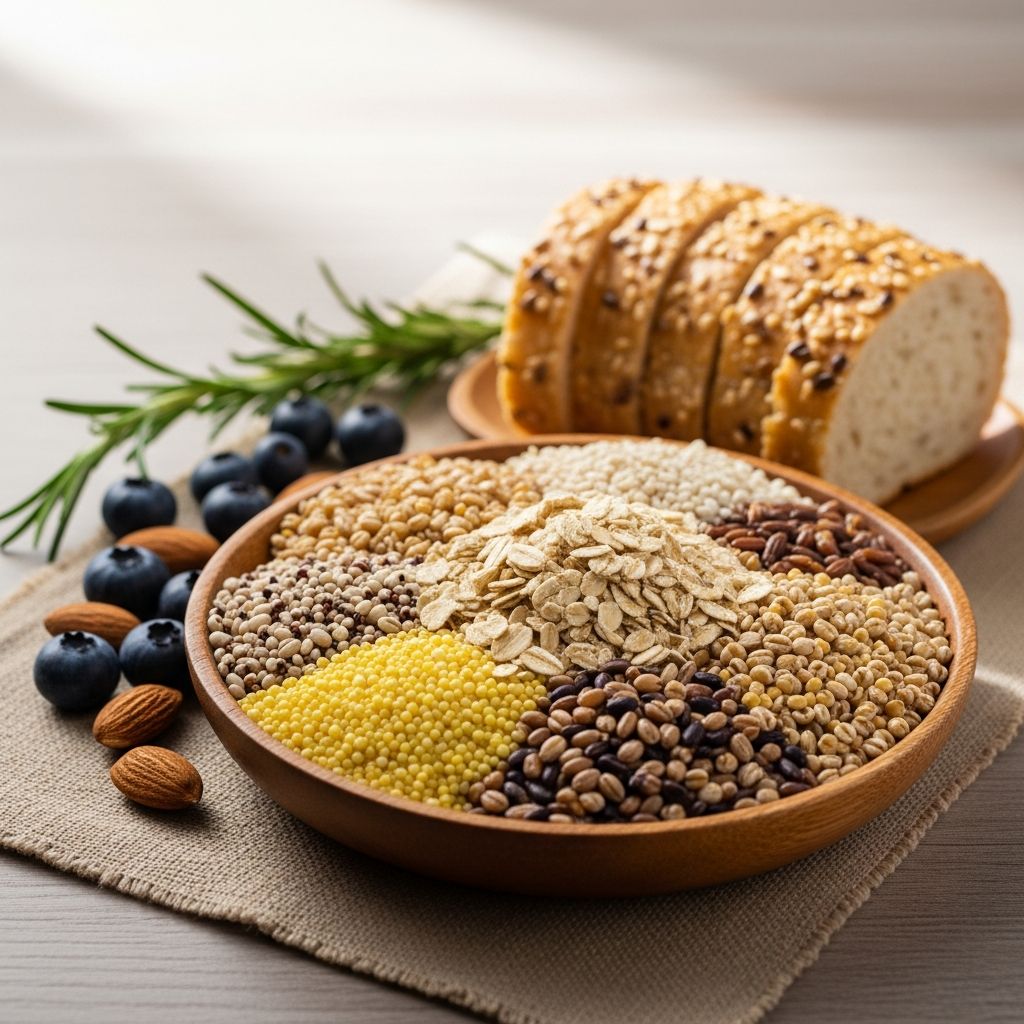
Whole grains are powerhouse foods for individuals managing diabetes, offering a unique combination of fiber, antioxidants, and low glycemic index properties that help curb chronic inflammation while supporting stable blood sugar levels. Unlike refined grains, which can spike blood glucose and promote inflammatory responses, whole grains retain their bran, germ, and endosperm, delivering anti-inflammatory benefits backed by clinical research.
Chronic low-grade inflammation is a hallmark of type 2 diabetes, contributing to insulin resistance, cardiovascular risks, and complications. Studies show that higher intakes of whole grains and cereal fiber are linked to significantly lower levels of inflammatory markers like C-reactive protein (CRP) and tumor necrosis factor-α receptor 2 (TNF-R2), with reductions up to 18% in high consumers. A meta-analysis of randomized trials further confirms that whole grain consumption inversely associates with CRP, IL-6, TNF-α, and IL-1β, promoting systemic anti-inflammatory effects across diverse populations.
What Makes Whole Grains Anti-Inflammatory?
Whole grains combat inflammation through multiple mechanisms. Their high soluble and insoluble fiber content slows digestion, prevents blood sugar spikes, and feeds gut bacteria that produce short-chain fatty acids with anti-inflammatory properties. Polyphenols, vitamins (like E and B), minerals (magnesium, selenium), and healthy fats in the bran and germ neutralize free radicals and modulate immune responses.
For diabetes, this translates to improved glycemic control and reduced oxidative stress. Research from the Nurses’ Health Study demonstrates that women with type 2 diabetes consuming more whole grains and bran had decreasing trends in CRP (P=0.03 and 0.007) and TNF-R2 (P=0.017), independent of BMI, lifestyle, and medications. Cereal fiber specifically lowered CRP by 18% and TNF-R2 by 8% in the highest intake quintile. These effects are amplified in low-glycemic diets, making whole grains a cornerstone for diabetes-friendly eating.
- Fiber Power: Soluble fiber (e.g., beta-glucan in oats and barley) binds to cholesterol and stabilizes glucose; insoluble fiber supports detoxification and gut health.
- Antioxidants: Phenolic compounds inhibit pro-inflammatory pathways.
- Low GI: Gradual energy release prevents insulin surges that fuel inflammation.
7 Best Anti-Inflammatory Whole Grains for Diabetes
Dietitians recommend these seven whole grains for their proven anti-inflammatory and blood sugar-stabilizing effects. Each offers unique nutrients tailored to diabetes needs, with portion guidance to fit carb-counting plans (typically 15-30g carbs per serving).
1. Oats
Oats top the list due to their beta-glucan fiber, which reduces CRP and improves insulin sensitivity. A serving (½ cup dry) provides 4g fiber, 27g carbs, and a GI of 55, making it ideal for steady energy. Studies link oat consumption to lower systemic inflammation in diabetic populations.
- Key Nutrients: Beta-glucan (3-5g/serving), manganese, phosphorus.
- Diabetes Benefits: Lowers post-meal glucose by 20-30%; supports heart health by dropping LDL cholesterol.
2. Barley
Barley’s hulled form boasts the highest beta-glucan among grains (up to 20g/100g), powerfully reducing inflammation and glycemic response. Its GI of 25-28 is exceptionally low. Research shows barley intake correlates with decreased IL-6 and TNF-α.
- Key Nutrients: 17g fiber/cup cooked, selenium, B vitamins.
Improves HbA1c; anti-atherosclerotic effects in diabetes.
3. Quinoa
This gluten-free pseudograin is protein-rich (8g/cup) with complete amino acids, plus anti-inflammatory quercetin and kaempferol. GI around 53 supports diabetes control without spiking inflammation.
- Key Nutrients: 5g fiber, magnesium (118mg), iron.
- Diabetes Benefits: Balances blood sugar; high ORAC score for antioxidant protection.
Related Stories



4. Brown Rice
Brown rice retains its bran layer, offering magnesium that aids insulin function and fiber to blunt glucose rises. Prefer short-grain for higher fiber (3.5g/cup).
- Key Nutrients: Manganese, selenium, fiber.
- Diabetes Benefits: Lowers fasting glucose; associated with reduced CRP in cohort studies.
5. Buckwheat
Not a true grain, buckwheat’s rutin flavonoid fights inflammation and vascular damage common in diabetes. GI of 45-50 with 4.5g fiber/cup.
- Key Nutrients: Rutin, magnesium, copper.
- Diabetes Benefits: Enhances capillary health; stabilizes postprandial glucose.
6. Millet
Gluten-free millet provides phenolic acids and fiber for gut-mediated anti-inflammation. GI ~55, versatile for diabetes meals.
- Key Nutrients: 2g fiber/½ cup, magnesium, phosphorus.
- Diabetes Benefits: Supports metabolic health; low inflammatory potential.
7. Farro
Emmer farro’s lignans and fiber (5g/¼ cup dry) reduce oxidative stress. GI 45, nutrient-dense for sustained energy.
- Key Nutrients: Zinc, niacin, protein (7g/serving).
- Diabetes Benefits: Improves endothelial function; fiber aids weight management.
How to Incorporate These Whole Grains into Your Diabetes Diet
Start with 3-5 servings weekly, swapping refined grains. Aim for 25-30g fiber daily. Pair with lean proteins, healthy fats, and veggies for synergy.
| Grain | Breakfast Idea | Lunch/Dinner Idea | Snack |
|---|---|---|---|
| Oats | Overnight oats with berries, chia, almonds | Oat-crusted baked chicken | Oat energy balls |
| Barley | Barley porridge with nuts | Barley vegetable soup | Barley salad |
| Quinoa | Quinoa breakfast bowl | Quinoa-stuffed peppers | Quinoa crackers |
| Brown Rice | Rice pudding (sugar-free) | Brown rice stir-fry | Rice cakes with avocado |
| Buckwheat | Buckwheat pancakes | Buckwheat soba noodles | Roasted buckwheat |
| Millet | Millet porridge | Millet pilaf | Millet muffins |
| Farro | Farro granola | Farro salad with feta | Farro tabbouleh |
Sample 1-Day Meal Plan
- Breakfast: ½ cup oats with ½ cup berries, 1 tbsp chia, 10 almonds (45g carbs).
- Snack: Apple with 1 tbsp peanut butter.
- Lunch: Quinoa salad with greens, chickpeas, cucumber (50g carbs).
- Snack: Carrot sticks with hummus.
- Dinner: Baked salmon, barley pilaf, steamed broccoli (55g carbs).
- Total: ~150g carbs, 30g fiber.
Expert Tips for Success
- Choose minimally processed forms (steel-cut oats over instant).
- Monitor portions: ¼-½ cup dry = 1 serving.
- Combine with anti-inflammatory foods like turmeric, berries, fatty fish.
- Track blood sugar to personalize intake.
- Consult a dietitian for carb ratios.
Frequently Asked Questions (FAQs)
Are whole grains safe for diabetes?
Yes, whole grains are recommended for diabetes due to their low GI and fiber, which prevent spikes and reduce inflammation.
How much fiber from whole grains daily?
Aim for 25-38g total fiber; 3-5 whole grain servings provide ~10-15g.
Gluten-free options?
Quinoa, buckwheat, millet are excellent gluten-free choices with anti-inflammatory benefits.
Do they help with weight loss?
Yes, their fiber promotes satiety and stable energy, aiding diabetes-related weight management.
Any cooking tips?
Rinse grains, use broth for flavor, soak overnight for digestibility.
References
- Whole-Grain, Bran, and Cereal Fiber Intakes and Markers of Systemic Inflammation in Diabetic Women — Diabetes Care (American Diabetes Association). 2006-02-01. https://diabetesjournals.org/care/article/29/2/207/26262/Whole-Grain-Bran-and-Cereal-Fiber-Intakes-and
- The Best Anti-Inflammatory Foods for People with Diabetes — Byram Healthcare. 2023-11-01. https://www.byramhealthcare.com/blogs/anti-inflammatory-foods-diabetes
- Whole grain diet reduces systemic inflammation: A meta-analysis of randomized controlled trials — Medicine (PMC). 2018-10-26. https://pmc.ncbi.nlm.nih.gov/articles/PMC6221555/
Similar Articles








Read full bio of Sneha Tete