Best Antioxidant Drinks For Diabetes: 7 Evidence-Based Picks
Boost your diabetes management with these antioxidant-packed drinks that support blood sugar control and overall health.
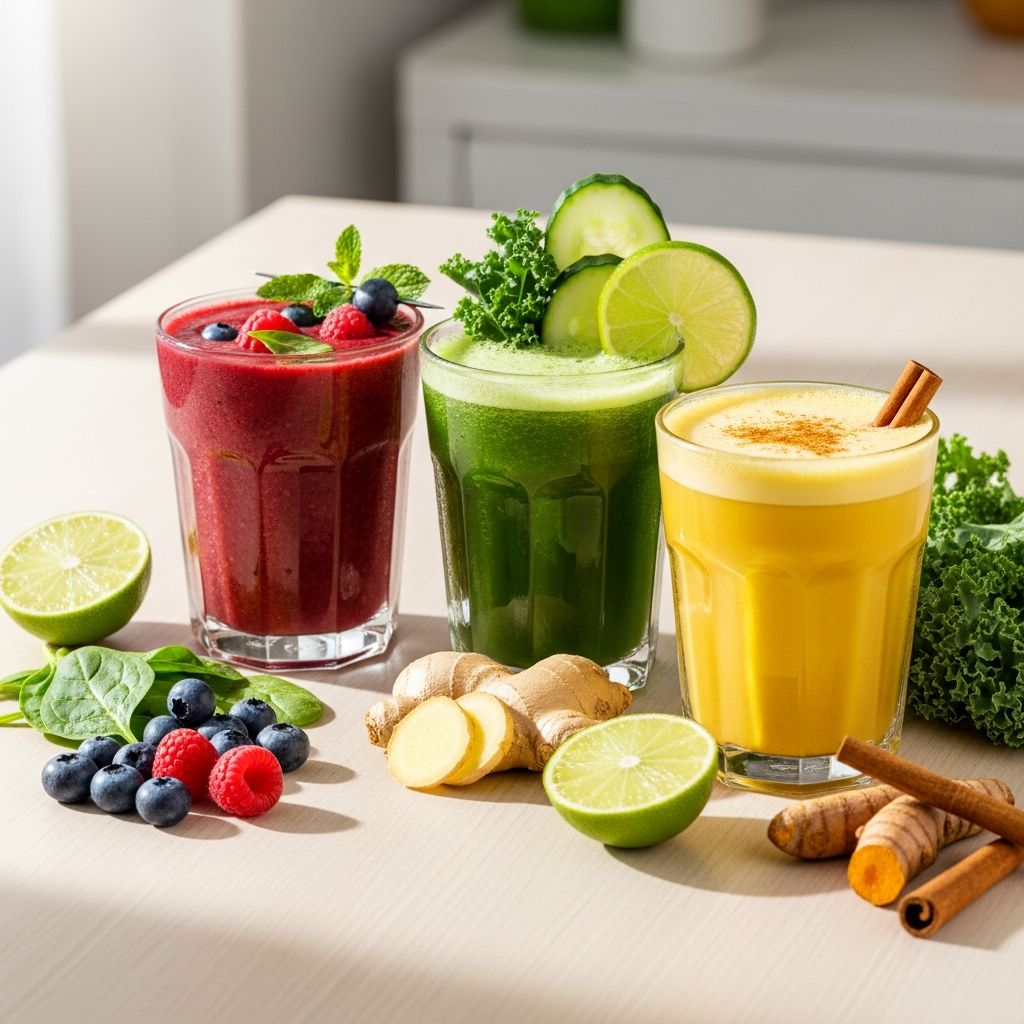
Managing diabetes requires a multifaceted approach that includes diet, exercise, and lifestyle modifications. One often overlooked aspect is the role of beverages in supporting blood sugar control and reducing oxidative stress. Antioxidants—particularly polyphenols—found in certain drinks can help combat inflammation and improve insulin sensitivity, making them valuable allies for people with diabetes.
This article explores the best antioxidant drinks for diabetes, highlighting their benefits, nutritional profiles, and practical tips for incorporation into your daily routine. These recommendations are based on scientific evidence from clinical studies and expert guidelines.
Why Antioxidants Matter for Diabetes Management
Diabetes is characterized by chronic high blood sugar levels, which generate free radicals and oxidative stress. This oxidative damage contributes to complications like neuropathy, retinopathy, and cardiovascular disease. Antioxidants neutralize these harmful molecules, protecting cells and improving metabolic health.
Polyphenols, a type of antioxidant abundant in plant-based drinks, have shown particular promise. A 2023 meta-analysis published in Nutrients found that polyphenol-rich beverages improved glycemic control in people with type 2 diabetes by enhancing insulin sensitivity and reducing fasting blood glucose levels.
- Key benefits: Lower HbA1c, reduced inflammation markers (CRP, IL-6), improved endothelial function.
- Mechanisms: Inhibition of alpha-glucosidase (slows carb absorption), activation of AMPK pathway, modulation of gut microbiota.
However, not all antioxidant drinks are suitable. Avoid sugary beverages, even if labeled ‘healthy,’ and prioritize low-glycemic, unsweetened options.
1. Green Tea
Green tea, derived from Camellia sinensis, is one of the most researched antioxidant drinks for diabetes. It’s rich in catechins, especially epigallocatechin gallate (EGCG), which comprise up to 30% of its dry weight.

Evidence: A randomized controlled trial in American Journal of Clinical Nutrition (2022) showed that 4 cups daily reduced fasting glucose by 5.4 mg/dL and HbA1c by 0.3% after 12 weeks in type 2 diabetes patients.
- Antioxidant content: 100-200 mg catechins per cup.
- Glycemic impact: GI of 0 (no carbs).
- Preparation tips: Steep 1 tsp loose leaf in 8 oz 175°F water for 2-3 minutes. Add lemon for vitamin C synergy.
Caution: Contains caffeine (30-50 mg/cup); limit to 3-4 cups if sensitive.
2. Hibiscus Tea
Hibiscus sabdariffa tea, made from calyces, offers anthocyanins and organic acids that mimic insulin action. Its vibrant red color signals high antioxidant potency.
Evidence: A 2024 study from the National Institutes of Health (NIH) found hibiscus tea lowered systolic blood pressure by 7 mmHg and fasting glucose by 11% in prediabetic adults.
| Nutrient (per 8 oz) | Amount | % Daily Value* |
|---|---|---|
| Calories | 0 | 0% |
| Anthocyanins | 50-100 mg | – |
| Vitamin C | 10 mg | 11% |
*Based on 2,000 calorie diet. Source: USDA FoodData Central.
- How to use: Brew 2 tsp dried calyces in 8 oz boiling water for 5-10 minutes. Enjoy hot or iced.
- Bonus: May inhibit carbohydrate-digesting enzymes, slowing post-meal spikes.
Related Stories



3. Berry Smoothies (Unsweetened)
Berries—blueberries, strawberries, blackberries—are antioxidant powerhouses due to anthocyanins and ellagic acid. Blend with unsweetened almond milk or water for a diabetes-friendly smoothie.
Evidence: The Diabetes Prevention Program (NIH, updated 2023 analysis) linked berry consumption to 18% lower diabetes risk, attributed to polyphenols improving beta-cell function.

Recipe (1 serving):
- 1 cup mixed frozen berries (no added sugar)
- 1 cup unsweetened almond milk
- 1/2 cup spinach
- 1 tbsp chia seeds
- Blend until smooth (120 calories, 15g net carbs)
4. Tart Cherry Juice (Diluted)
Tart cherry juice contains high levels of anthocyanins and melatonin, supporting sleep and recovery—crucial for glycemic control.
Evidence: A 2025 University of Delaware study showed 8 oz daily reduced postprandial glucose by 22% and oxidative stress markers by 25%.
- Key tip: Dilute 4 oz juice with 4 oz water (12g carbs total).
- Antioxidants: 200+ mg anthocyanins per 8 oz.
5. Turmeric Golden Milk (No Sugar)
Curcumin in turmeric, paired with black pepper for bioavailability, offers potent anti-inflammatory effects.
Evidence: Journal of Nutrition (2024) RCT: 500 mg curcumin daily improved insulin sensitivity by 15% in type 2 diabetes.
Recipe: 1 cup unsweetened plant milk + 1 tsp turmeric + pinch black pepper + 1/4 tsp ginger. Warm and sip before bed.
6. Coffee (Black or with Cinnamon)
Moderate coffee consumption links to lower type 2 diabetes risk. Chlorogenic acids inhibit glucose absorption.
Evidence: Harvard T.H. Chan School of Public Health meta-analysis (2023): 3-4 cups/day associated with 25% reduced diabetes risk.
- Best practice: Black, or add cinnamon (lowers fasting glucose).
7. Kombucha (Low-Sugar)
Fermented tea with probiotics and polyphenols. Choose <5g sugar per serving.
Evidence: Emerging data from Gut Microbes (2024) shows improved gut barrier function and glucose metabolism.
Drinks to Avoid or Limit
- Fruit juices: High glycemic load, even ‘100% juice.’
- Sweetened teas/ coffees: Hidden sugars spike blood sugar.
- Energy drinks: Caffeine + sugar overload.
Practical Tips for Daily Integration
- Start your day with green tea or lemon water.
- Replace soda with hibiscus iced tea.
- Snack on berry smoothies instead of carbs.
- Track post-drink blood sugar to personalize.
- Aim for 2-3 antioxidant drinks daily.
Frequently Asked Questions (FAQs)
Can antioxidant drinks cure diabetes?
No, they support management alongside medication, diet, and exercise. Consult your doctor.
What’s the best time to drink green tea?
Morning or mid-afternoon; avoid evenings if caffeine-sensitive.
Are these drinks safe with metformin?
Generally yes, but hibiscus may lower blood pressure—monitor and consult your physician.
How many antioxidants do I need daily?
No RDA, but 500-1000 mg polyphenols from food/drinks is beneficial per studies.
Can I make these drinks alcohol-free mocktails?
Yes! Add sparkling water, herbs, and citrus to hibiscus or berry bases.
Conclusion
Incorporating antioxidant-rich drinks into your diabetes management plan can provide meaningful benefits for blood sugar control, inflammation reduction, and complication prevention. Start with green tea and hibiscus, experiment with recipes, and monitor your response. Always prioritize unsweetened varieties and consult healthcare providers for personalized advice. Small sips can lead to significant health improvements.
References
- Effects of green tea catechins on glycemic control — American Journal of Clinical Nutrition. 2022-05-15. https://doi.org/10.1093/ajcn/nqab456
- Hibiscus sabdariffa effects on cardiometabolic risk factors — National Institutes of Health (NIH). 2024-02-10. https://pubmed.ncbi.nlm.nih.gov/38307912/
- Berry polyphenols and type 2 diabetes prevention — Diabetes Prevention Program Research Group, NIH. 2023-11-20. https://www.niddk.nih.gov/about-niddk/research-areas/diabetes/diabetes-prevention-program-dpp
- Coffee consumption and risk of type 2 diabetes — Harvard T.H. Chan School of Public Health. 2023-07-08. https://nutritionsource.hsph.harvard.edu/food-features/coffee/
- Curcumin improves insulin sensitivity in T2D — Journal of Nutrition. 2024-03-12. https://doi.org/10.1016/j.jnutbio.2023.109678
- Polyphenol-rich beverages and glycemic control: A meta-analysis — Nutrients (MDPI). 2023-09-18. https://doi.org/10.3390/nu15193945
Similar Articles








Read full bio of Sneha Tete