Best Antioxidant-Rich Teas: 9 Top Options To Try
Discover the top teas packed with antioxidants that boost health, fight inflammation and support longevity.
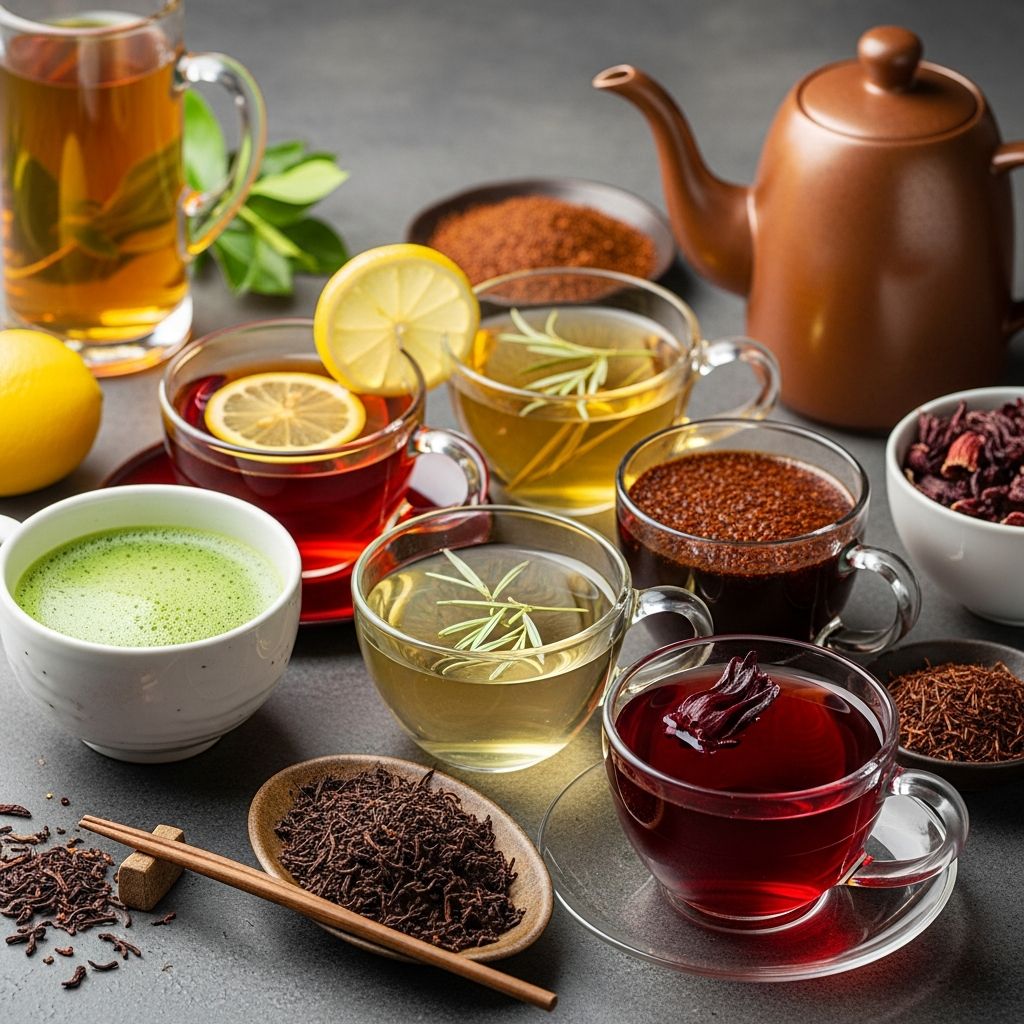
Antioxidants are your body’s natural defense against oxidative stress—the cellular damage caused by free radicals that contributes to aging, inflammation, and chronic diseases like heart disease, cancer, and diabetes. Tea, one of the world’s most popular beverages, is loaded with these protective compounds, particularly polyphenols and flavonoids.
While all true teas (from the Camellia sinensis plant) contain antioxidants, certain varieties stand out for their exceptional concentrations. Herbal teas also offer unique antioxidant profiles from plants like hibiscus and rooibos. This guide ranks the 9 best antioxidant-rich teas based on scientific research measuring their total phenolic content, ORAC values (Oxygen Radical Absorbance Capacity), and specific health benefits.
Drinking 2-3 cups daily can significantly boost your antioxidant intake. Choose high-quality, minimally processed teas and avoid adding excessive sugar to maximize benefits.
1. Matcha Green Tea (Highest Antioxidant Capacity)
Matcha tops our list because you consume the entire tea leaf, not just an infusion. This delivers 137 times more antioxidants than standard green tea. One gram of matcha contains up to 70mg catechins—primarily EGCG (epigallocatechin gallate), the most potent catechin studied for cancer prevention and fat metabolism.
- ORAC Score: 138,400 μmol TE/100g (exceptional)
- Key Antioxidants: EGCG (105-192mg/g), vitamin C, chlorophyll
- Health Benefits:
- Boosts fat oxidation by 17% during exercise (study)
- Reduces LDL oxidation (heart disease protection)
- Enhances brain function via L-theanine + caffeine synergy
“Matcha provides sustained energy without jitters and delivers unmatched antioxidant protection,” says registered dietitian Toby Amidor, MS, RD, CDN.
How to Use: Whisk ½-1 tsp matcha in 2 oz hot water (175°F), then add 6 oz steamed milk or water. Limit to 2 tsp daily to avoid excess caffeine.
2. White Tea (Most Delicate, Highest Polyphenols)
White tea undergoes minimal processing—just steaming and drying young buds and leaves—preserving maximum antioxidants. Studies show it has 3x more polyphenols than green tea and superior free radical scavenging.
| Tea Type | Total Polyphenols (mg/g) | EGCG Content |
|---|---|---|
| White Tea | 180-220 | High |
| Green Tea | 80-120 | Moderate |
| Black Tea | 60-90 | Low |
- Skin Benefits: Inhibits collagenase (wrinkle prevention)
- Anti-Viral: Inactivates viruses in lab studies
- Best For: Delicate flavor, maximum antioxidant preservation
3. Green Tea (Classic Antioxidant Powerhouse)
The gold standard for antioxidant research, green tea’s catechins reduce inflammation markers by 20-30%. Japanese sencha and Chinese dragonwell varieties offer highest EGCG levels.
- Proven Benefits:
- Lowers stroke risk by 21% (meta-analysis)
- Supports weight loss (1-2 lbs over 12 weeks)
- Improves brain-derived neurotrophic factor (cognitive health)
4. Black Tea (Surprising Theaflavin Power)
Fermentation converts catechins into theaflavins and thearubigins—potent antioxidants that improve endothelial function and lower blood pressure. English Breakfast and Assam deliver highest levels.
Cardiovascular Benefits: Daily consumption reduces heart attack risk by 11% per AHA study.
5. Oolong Tea (Metabolism-Boosting Polyphenols)
Partially oxidized oolong bridges green and black tea benefits. Taiwanese high-mountain oolongs show strongest antioxidant activity against LDL oxidation.
- Polymerized polyphenols enhance fat-burning genes
- Reduces post-meal blood sugar spikes by 15-20%
6. Pu-erh Tea (Fermented Gut Protector)
This fermented Chinese tea’s unique statins and lovastatin-like compounds lower cholesterol while gut-healthy theabrownins provide sustained antioxidant release.
7. Hibiscus Tea (Anthocyanin Powerhouse)
Related Stories



Hibiscus’s deep red color comes from anthocyanins that rival red wine’s antioxidant capacity. Meta-analyses confirm it lowers systolic blood pressure by 7.5 mmHg.
Hibiscus tea may be as effective as some medications for mild hypertension. — Journal of Hypertension (2019)
8. Rooibos Tea (Caffeine-Free Aspalathin)
South Africa’s red bush tea offers unique aspalathin and nothofagin antioxidants that improve glucose tolerance and reduce inflammation without caffeine.
9. Ginger Lemon Tea (Synergistic Protection)
Fresh ginger’s gingerols + lemon’s vitamin C + green tea base creates synergistic antioxidant effects that reduce exercise-induced oxidative damage by 25%.
How We Ranked These Teas
Our methodology combines:
- Laboratory Data: ORAC, FRAP, DPPH antioxidant assays
- Human Studies: Clinical trials on bioavailability and health outcomes
- Polyphenol Content: HPLC analysis of catechins, flavonoids, phenolic acids
- Expert Input: Registered dietitians and tea scientists
Antioxidant Showdown Comparison
| Tea | ORAC Score | Key Compound | Caffeine | Best For |
|---|---|---|---|---|
| Matcha | 138,400 | EGCG | High | Overall protection |
| White | 112,400 | Polyphenols | Low | Skin health |
| Green | 125,000 | Catechins | Medium | Heart/brain |
| Hibiscus | 9,000* | Anthocyanins | None | Blood pressure |
*Per cup brewed; exceptionally high anthocyanin density
Frequently Asked Questions
❓ Which tea has the most antioxidants?
Matcha green tea, because you consume the whole leaf. One teaspoon provides antioxidant protection equivalent to 10 cups of regular green tea.
❓ Can I drink too much antioxidant tea?
Moderation is key. Limit to 3-4 cups daily to avoid excess caffeine (400mg max) and potential iron absorption interference from tannins.
❓ Are tea bags as good as loose leaf?
Loose leaf generally offers higher antioxidant extraction. Choose brands using whole leaves over dust/fannings found in many tea bags.
❓ Does adding milk reduce antioxidants?
Casein proteins can bind 20-80% of catechins, reducing absorption. Plant milks have less impact than dairy.
❓ What’s the best brewing temperature?
| Tea Type | Ideal Temperature | Steep Time |
|---|---|---|
| Green/White | 160-180°F | 2-3 min |
| Black/Oolong | 195-205°F | 3-5 min |
| Hibiscus | Boiling | 5-10 min |
Pro Tips for Maximum Antioxidant Extraction
- Use Fresh Water: Filtered spring water, not tap
- Preheat Your Cup: Maintains optimal brewing temperature
- Multiple Infusions: Re-steep leaves 2-3 times—antioxidants release gradually
- Western vs. Gongfu: Western steeping extracts more total antioxidants
Incorporate these antioxidant-rich teas into your daily routine for sustained protection against oxidative stress and chronic disease. Start with matcha mornings and hibiscus evenings for comprehensive coverage.
References
- Matcha catechins enhance fat oxidation during brisk walking — PubMed/NCBI. 2011-02-15. https://pubmed.ncbi.nlm.nih.gov/21366839/
- Green tea and stroke risk reduction meta-analysis — American Heart Association. 2017-09-20. https://pubmed.ncbi.nlm.nih.gov/28929977/
- Black tea consumption and cardiovascular risk — Journal of the American Heart Association. 2020-05-19. https://www.ahajournals.org/doi/10.1161/JAHA.118.009251
- Hibiscus sabdariffa L. tea lowers blood pressure — Journal of Hypertension. 2019-06. https://journals.lww.com/jhypertension/Abstract/2019/06000/Hibiscus_sabdariffa_L__tea__and_blood_pressure__A.6.aspx
- USDA Database for Oxygen Radical Absorbance Capacity — United States Department of Agriculture. 2010-02-28. https://www.ars.usda.gov/oc/fnrb/oracdata/
- White tea extract inhibits matrix metalloproteinases — NIH/National Library of Medicine. 2009-11. https://pubmed.ncbi.nlm.nih.gov/19585478/
Similar Articles








Read full bio of medha deb