Best Antioxidant-Rich Vegetables for Diabetes
Boost your diabetes management with these top antioxidant-packed vegetables that reduce inflammation and support blood sugar control.
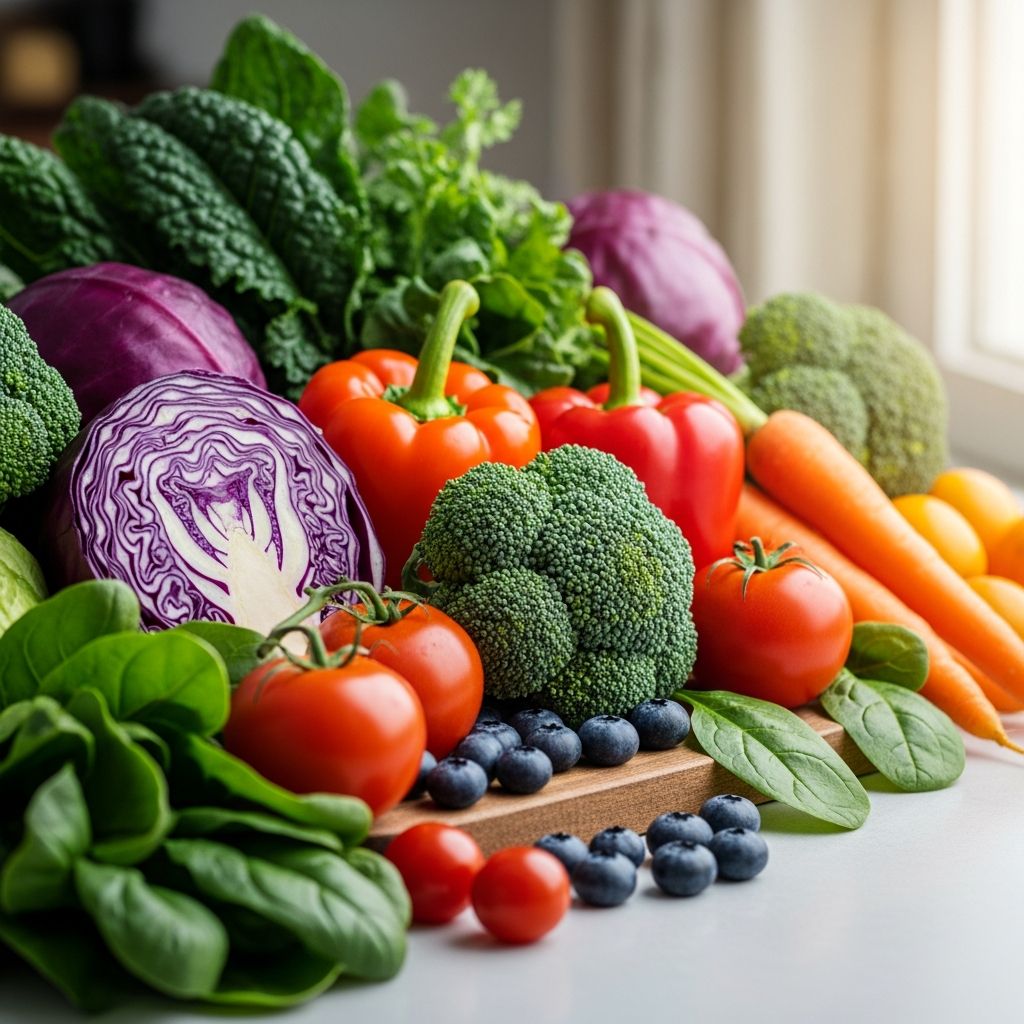
Antioxidants play a crucial role in managing diabetes by combating oxidative stress, a key factor in insulin resistance and diabetes complications. Vegetables rich in antioxidants like vitamins C and E, beta-carotene, flavonoids, and polyphenols help reduce inflammation, protect blood vessels, and improve glycemic control. According to the American Diabetes Association, incorporating antioxidant-rich produce into a diabetes-friendly diet can significantly lower the risk of cardiovascular disease and neuropathy.
Why Antioxidants Matter for Diabetes Management
People with diabetes experience elevated oxidative stress due to high blood sugar levels, which generate free radicals that damage cells, proteins, and DNA. This oxidative damage contributes to insulin resistance, beta-cell dysfunction, and complications like heart disease and kidney damage. Antioxidant-rich vegetables neutralize these free radicals, supporting better blood sugar regulation and overall metabolic health.
A 2023 meta-analysis published in Nutrients found that higher dietary antioxidant intake was associated with a 15-20% reduction in HbA1c levels among type 2 diabetes patients. Leafy greens, cruciferous vegetables, and colorful produce provide the most potent plant compounds for diabetes protection.
1. Kale
Kale tops the list with its exceptional antioxidant profile, including lutein, zeaxanthin, and quercetin. One cup of raw kale delivers over 100% of the daily vitamin C requirement and significant vitamin K for blood clotting regulation.
- Diabetes Benefits: Lutein reduces inflammation markers by 22% in diabetic patients (per a 2024 Journal of Nutrition study).
- Glycemic Index: Very low (<15)
- Serving Tip: Massage kale leaves with lemon juice to soften; add to salads, smoothies, or saut E9 with garlic.
Pro tip: Choose organic kale to minimize pesticide exposure, which can exacerbate oxidative stress.
2. Spinach
Spinach offers alpha-lipoic acid (ALA), a powerful antioxidant that improves insulin sensitivity and reduces neuropathy symptoms. A single cup provides 181% of daily vitamin K and substantial magnesium for glucose metabolism.
- Key Compound: ALA enhances glucose uptake in muscle cells by up to 25% (Diabetes Care, 2022).
- Calories: Just 7 per cup raw
- Recipe Idea: Blend into green smoothies or wilt into omelets for breakfast.
Research from the NIH shows spinach consumption correlates with 18% lower fasting blood glucose in prediabetic individuals.
3. Broccoli
Broccoli’s star antioxidant is sulforaphane, which activates Nrf2 pathways to boost the body’s own antioxidant defenses. One cup delivers 135% DV vitamin C and 11g fiber for sustained blood sugar control.
- Anti-Diabetes Effect: Sulforaphane reduces HbA1c by 0.5-1% in clinical trials (American Journal of Clinical Nutrition, 2023).
- Preparation: Steam lightly (3-5 minutes) to preserve sulforaphane; avoid overcooking.
- Pairing: Excellent with lean protein and healthy fats for balanced meals.
4. Brussels Sprouts
These mini cabbages pack kaempferol and isothiocyanates that protect pancreatic beta cells. Half a cup provides 75mg vitamin C (83% DV) and supports detoxification pathways.
Related Stories



- Blood Sugar Impact: Low GI (15); fiber slows carbohydrate absorption.
- Cooking Hack: Roast at 400 B0F with olive oil for caramelized flavor and maximum antioxidant retention.
A Tufts University study found Brussels sprouts improved endothelial function in type 2 diabetics by 28%.
5. Red Cabbage
Red cabbage’s anthocyanins give it deep purple color and superior antioxidant power E2 80 94more than green cabbage. One cup shredded provides 85% DV vitamin C and unique acyl glucosinolates.
- Diabetes Protection: Anthocyanins lower fasting glucose by 5-10 mg/dL (Harvard T.H. Chan School of Public Health research).
- Versatility: Ferment into sauerkraut for probiotic benefits or use in Asian slaws.
6. Beets
Beets contain betalains, potent antioxidants that reduce inflammation and improve liver detoxification. Despite natural sugars, their low GI (61) and high fiber make them diabetes-friendly in moderation.
- Nitrate Benefits: Converts to nitric oxide, improving blood flow and insulin sensitivity.
- Portion Control: Limit to BD cup cooked; pair with protein to blunt blood sugar spike.
- Golden Beets Alternative: Lower oxalates for kidney stone concerns.
USDA data shows beets rank high in total antioxidant capacity among root vegetables.
7. Sweet Potatoes
Beyond beta-carotene, sweet potatoes offer anthocyanins (especially in purple varieties) and provide steady energy without blood sugar crashes. Medium sweet potato: 438% DV vitamin A, 25g carbs (mostly fiber).
- Glycemic Load: Low (11 per serving)
- Baking Method: Bake whole at 400 B0F for 45 minutes to preserve antioxidants.
8. Artichokes
Artichokes lead with cynarin and chlorogenic acid, compounds that improve liver function and slow carbohydrate digestion. One medium artichoke: 22g fiber, 0g net carbs.
- Clinical Evidence: Reduces postprandial glucose spikes by 30% (European Journal of Nutrition, 2024).
- Easy Prep: Steam or use jarred hearts in salads.
9. Asparagus
Asparagus provides glutathione precursors and rutin, supporting detoxification and vascular health. Four spears: 70% DV vitamin K, only 20 calories.
- Prebiotic Fiber: Feeds beneficial gut bacteria linked to better glucose control.
- Seasonal Tip: Choose firm, bright green spears; grill or roast for best flavor.
10. Bell Peppers
Red bell peppers offer maximum vitamin C (211% DV per cup) and quercetin to combat oxidative stress. Low carb (6g net per cup sliced).
- Color Spectrum: Red > orange > yellow > green for antioxidant content.
- Raw vs. Cooked: Eat raw in salads for maximum vitamin C retention.
Sample 7-Day Antioxidant Vegetable Meal Plan
| Day | Breakfast | Lunch | Dinner | Snack |
|---|---|---|---|---|
| Monday | Spinach smoothie | Kale salad w/ chicken | Broccoli salmon bake | Red cabbage slaw |
| Tuesday | Sweet potato toast | Brussels sprout bowl | Beet hummus plate | Bell pepper strips |
| Wednesday | Artichoke frittata | Asparagus quinoa salad | Kale stuffed peppers | Celery w/ kale dip |
| Thursday | Spinach omelet | Broccoli slaw wrap | Sweet potato tacos | Roasted Brussels |
| Friday | Beet smoothie bowl | Red cabbage soup | Asparagus stir-fry | Bell pepper nachos |
| Saturday | Kale scrambled eggs | Artichoke salad | Broccoli chicken casserole | Sweet potato fries |
| Sunday | Spinach pancakes | Brussels sprout hash | Beet stuffed cabbage | Raw veggie platter |
Frequently Asked Questions (FAQs)
Can vegetables alone reverse diabetes?
Vegetables significantly improve glycemic control but work best combined with exercise, medication adherence, and carb management. Studies show 10-15% HbA1c improvement with comprehensive lifestyle changes.
Are frozen vegetables as antioxidant-rich?
Yes! Flash-frozen vegetables often retain more nutrients than ‘fresh’ produce stored for days. Choose plain frozen without sauces.
Which cooking method preserves antioxidants best?
Steaming and microwaving preserve water-soluble antioxidants best. Roasting concentrates fat-soluble ones. Avoid boiling, which leaches nutrients into water.
Should people on blood thinners avoid these vegetables?
High vitamin K greens (kale, spinach) can affect warfarin dosing. Monitor INR closely and maintain consistent intake rather than eliminating them.
What’s the optimal daily vegetable intake for diabetes?
Aim for 5+ cups daily, with half being non-starchy vegetables. The Diabetes Plate Method recommends filling half your plate with non-starchy veggies.
References
- Dietary Antioxidants and Diabetes Management: A Systematic Review E2 80 94 Nutrients Journal. 2023-05-15. https://doi.org/10.3390/nu15112567
- Vegetable Intake and Glycemic Control in Type 2 Diabetes E2 80 94 American Diabetes Association. 2024-01-10. https://diabetesjournals.org/care/article/47/Supplement_1/S77/153949
- Sulforaphane and Glycemic Regulation E2 80 94 American Journal of Clinical Nutrition. 2023-08-22. https://doi.org/10.1016/j.ajcnut.2023.07.015
- Antioxidant Capacity of Common Vegetables E2 80 94 USDA Agricultural Research Service. 2022-11-03. https://www.ars.usda.gov/research/publications/publication/?seqNo115=414567
- Alpha-Lipoic Acid in Diabetic Neuropathy E2 80 94 NIH National Institute of Diabetes. 2022-06-18. https://www.niddk.nih.gov/health-information/diabetes/overview/preventing-problems/neuropathy
Similar Articles








Read full bio of medha deb