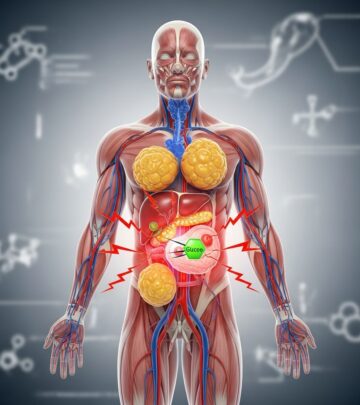
White Rice: The Best ‘Bad’ Carb For Better Sleep
Discover why white rice, often seen as a bad carb, might be your secret weapon for deeper, more restorative sleep.
Best ‘Bad’ Carb for Better Sleep
White rice, often labeled a ‘bad’ carb due to its refined nature and high glycemic index, may surprisingly improve sleep quality when consumed strategically. Research shows it can help you fall asleep faster and enhance deep sleep stages by influencing key hormones like serotonin and melatonin.
Why White Rice Could Be Your Sleep Superfood
Despite its reputation,
white rice
stands out as the best ‘bad’ carb for sleep. Its high glycemic index causes a rapid blood sugar spike, which triggers insulin release. This insulin helps transporttryptophan
, an amino acid, across the blood-brain barrier more effectively.Once in the brain, tryptophan converts to
serotonin
(a mood and sleep regulator) and thenmelatonin
(the sleep hormone). Studies indicate that high-glycemic carbs like white rice, eaten about 4 hours before bed, reduce sleep onset latency—the time it takes to fall asleep—by up to 50% compared to low-glycemic meals.This effect is particularly pronounced because white rice lacks the fiber in brown rice, allowing faster digestion and a quicker insulin response. However, moderation is key: a small portion (about 1/2 cup cooked) avoids blood sugar crashes that could disrupt sleep later.
How Carbs Influence Sleep Hormones
Carbohydrates play a pivotal role in sleep regulation through their impact on brain chemistry. When you eat carbs, especially simple or high-glycemic ones, they stimulate insulin production. Insulin clears competing amino acids from the bloodstream, prioritizing tryptophan’s entry into the brain.
- Serotonin production: Tryptophan → 5-HTP → Serotonin, promoting relaxation and mood stability.
- Melatonin synthesis: Serotonin → Melatonin, which signals your body it’s time to sleep.
- Timing matters: Consuming carbs 1-4 hours before bed maximizes this effect without causing digestive discomfort.
Complex carbs from whole grains also support sleep but work more slowly, stabilizing blood sugar overnight for sustained melatonin release. Simple carbs like white rice provide a quicker boost, ideal for those struggling with sleep initiation.
Complex vs. Simple Carbs: Which is Best Before Bed?
Not all carbs are created equal for sleep.
Simple carbs
(e.g., white rice, refined grains) raise blood sugar quickly, aiding faster sleep onset but potentially reducing deep sleep if overconsumed.Complex carbs
(e.g., oats, sweet potatoes) digest slowly, promoting stable energy and better overall sleep quality.| Type | Examples | Sleep Benefits | Drawbacks |
|---|---|---|---|
| Simple | White rice, white bread, fruit sugars | Faster sleep onset via quick tryptophan boost | May reduce deep sleep; blood sugar crash risk |
| Complex | Brown rice, quinoa, legumes | More REM and deep sleep; stable blood sugar | Slower to induce drowsiness |
Research favors a mix: high-glycemic simple carbs 4 hours pre-bed for initiation, followed by complex carbs earlier in the evening for quality. Diets high in refined carbs link to insomnia if eaten late, but timed intake flips this.
Scientific Evidence Backing Carbs for Sleep
Multiple studies confirm carbs’ sleep-promoting potential. A landmark trial found participants eating high-glycemic meals 4 hours before bed fell asleep 9 minutes faster on average than those on low-glycemic or protein/fat meals.
High-carb diets correlate with quicker sleep onset but sometimes less deep (slow-wave) sleep, emphasizing quality over quantity. Low-carb diets, conversely, may impair sleep adaptation, though some adapt well. A review in peer-reviewed literature highlights that high-quality carbs (low GI, high fiber) reduce insomnia risk by 30-50%.
Vegetable-heavy complex carb intake links to fewer awakenings and better efficiency. Fruits like kiwis and cherries add natural sugars plus melatonin precursors for synergistic effects.
Best Carb-Rich Foods for Optimal Sleep
Incorporate these sleep-friendly carbs into your evening routine:
- White rice: Top choice for quick drowsiness; pair with veggies for balance.
- Oatmeal: Complex carb with melatonin-boosting properties; eat 3-4 hours before bed.
- Bananas: Potassium and magnesium aid muscle relaxation; natural sugars enhance tryptophan.
- Whole grain toast: Steady release supports sustained sleep.
- Sweet potatoes: High in complex carbs and vitamin A for hormone regulation.
Avoid high-sugar simple carbs like candy close to bed, as they spike and crash blood sugar, leading to fragmented sleep. Dairy like yogurt combines lactose (simple carb) with tryptophan and calcium for enhanced effects.
Timing Your Evening Carb Intake
Optimal timing is 1-4 hours before bed. Eating carbs too close to lights-out risks indigestion and poor quality. A small snack (150-200 calories) like rice with veggies prevents overload.
- 4 hours pre-bed: High-GI carbs (white rice) for onset.
- 2-3 hours: Complex carbs for maintenance.
- Avoid: Heavy meals or caffeine post-2 PM.
Women may experience stronger negative effects from late-night eating due to slower digestion.
Low-Carb Diets and Sleep: What the Research Says
Low-carb diets like keto can disrupt sleep initially due to reduced serotonin precursors, but many report improvements after adaptation. No strong evidence shows they worsen sleep long-term; some studies note better quality from stable blood sugar.
Balance is ideal: 45-65% carbs daily, emphasizing quality, supports circadian rhythms without excess.
Practical Tips for Carb-Supported Sleep Hygiene
Maximize benefits with these strategies:
- Portion control: 1/2 cup cooked rice or equivalent.
- Combine with protein/fat: Rice + salmon boosts satiety.
- Hydrate: Water aids digestion without excess.
- Track: Use a journal to note carb timing and sleep.
- Consistency: Same routine nightly reinforces melatonin.
Frequently Asked Questions (FAQs)
Is white rice really good for sleep?
Yes, its high glycemic index promotes tryptophan uptake for serotonin/melatonin production, speeding sleep onset when timed right.
Should I eat carbs every night before bed?
Not necessarily every night; 3-4 times weekly suffices. Vary sources to avoid blood sugar issues.
What if I’m on a low-carb diet?
Add small carb servings evenings; monitor sleep. Adaptation may improve outcomes.
Can too many carbs ruin my sleep?
Excess simple carbs late at night can fragment sleep via sugar crashes. Stick to portions and timing.
Are there non-carb sleep aids?
Yes, magnesium-rich foods, herbal teas, and consistent bedtime routines complement carbs.
Integrating strategic carb intake, especially white rice, into your routine can transform restless nights into restorative ones. Prioritize whole-food sources and listen to your body for personalized tweaks.
References
- Should You Eat Carbs Before Bed? — Sleep Doctor. 2023. https://sleepdoctor.com/pages/health/should-you-eat-carbs-before-bed
- Effects of Dietary Carbohydrate Profile on Nocturnal Metabolism — PMC (NCBI). 2022-07-20. https://pmc.ncbi.nlm.nih.gov/articles/PMC9326315/
- Eat Well, Sleep Well — The Sleep Boss. 2023. https://www.thesleepboss.com.au/blogs/wellbeing/eat-well-sleep-well
- Nutrition and Sleep: Diet’s Effect on Sleep — Sleep Foundation. 2024. https://www.sleepfoundation.org/nutrition
Similar Articles








Read full bio of Sneha Tete