Best Blood Pressure Targets for Older Adults
Understanding optimal blood pressure targets and management strategies for aging populations.
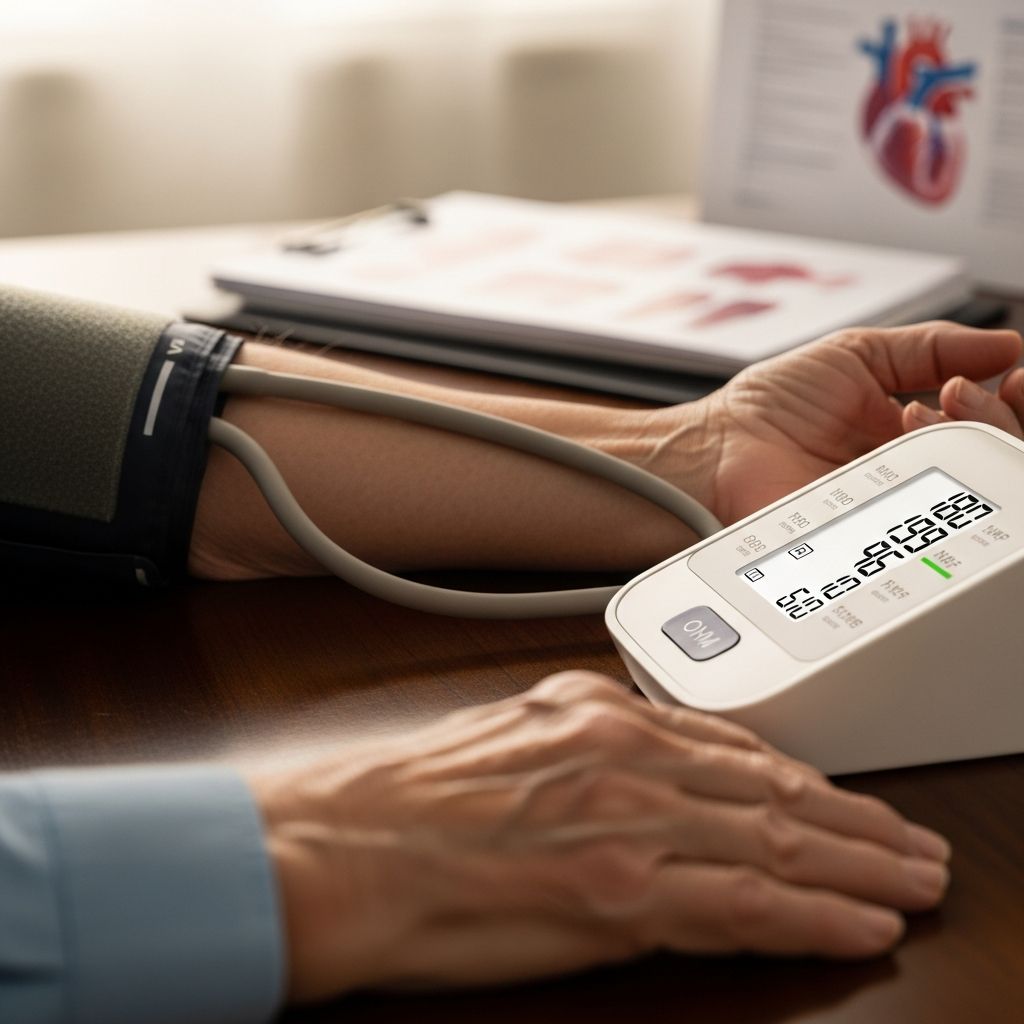
What’s the Best Blood Pressure Target for Older Adults?
Blood pressure management in older adults has undergone significant changes in recent years. What was once considered acceptable—and even necessary—for aging populations is now being reconsidered based on compelling clinical evidence. Understanding these evolving guidelines is essential for both patients and healthcare providers seeking to optimize cardiovascular health while minimizing treatment-related risks.
The approach to blood pressure management in older adults requires a delicate balance. While lower blood pressure reduces the risk of heart disease, stroke, and other cardiovascular events, excessively aggressive treatment can lead to falls, dizziness, and other adverse effects. Finding the optimal target requires individualized assessment based on each patient’s unique health profile, life expectancy, and tolerance for treatment.
The Shift in Blood Pressure Guidelines
For decades, the medical community operated under a different philosophy regarding blood pressure in aging populations. The concept of “essential hypertension” suggested that elevated blood pressure was necessary—even beneficial—for older adults. The reasoning was straightforward: as blood vessels stiffen with age and become less flexible, higher pressures were believed necessary to deliver adequate blood flow to vital organs, particularly the brain.
This outdated thinking led most physicians to accept systolic blood pressure readings of 150 mm Hg or higher in older patients, a standard that is dramatically different from current recommendations. However, accumulating evidence from large-scale clinical trials has fundamentally challenged these assumptions and led to a paradigm shift in how hypertension is managed across the aging population.
Doctors are increasingly reconsidering their approach to treating hypertension in people age 60 and older, resulting in more aggressive blood pressure targets than previously recommended. This shift reflects a growing body of evidence demonstrating that lower blood pressure targets provide substantial cardiovascular benefits without unacceptable increases in adverse effects.
Current Blood Pressure Targets
Current guidelines recommend a general target blood pressure of less than 130/80 mm Hg for older adults with few comorbidities and a life expectancy greater than 5 years. For those age 75 and older, the target systolic blood pressure should ideally fall between 120-130 mm Hg to achieve optimal cardiovascular outcomes.
However, it is crucial to recognize that these targets must be individualized based on each patient’s risk factors, health status, and treatment tolerance. The goal is not to achieve a specific number for all patients, but rather to optimize therapy based on the balance between potential benefits and risks specific to each individual.
Evidence Supporting Lower Blood Pressure Targets
The SPRINT Trial and Beyond
One of the most significant studies supporting lower blood pressure targets was the Systolic Blood Pressure Intervention Trial (SPRINT). This landmark research demonstrated that maintaining a systolic blood pressure below 120 mm Hg significantly reduced the risk of major fatal and non-fatal cardiovascular events compared to a target of 140 mm Hg. These findings were particularly striking for older adults, who stand to gain the most from blood pressure reduction due to their elevated baseline cardiovascular risk.
Recent International Evidence
A more recent study published in September 2021 in The New England Journal of Medicine examined over 8,500 people ages 60 to 80 with high blood pressure. Participants were randomly assigned to either standard treatment (systolic target 130-150 mm Hg, averaging 135 mm Hg) or intensive treatment (systolic target 110-130 mm Hg, averaging 127 mm Hg). After a median follow-up of just over three years, those receiving intensive treatment experienced a lower incidence of serious cardiovascular problems including stroke, heart attack, heart failure, and atrial fibrillation: 3.5% compared with 4.6% in the standard treatment group.
Longevity Data in Older Women
A 2024 study examining over 16,000 women in the Women’s Health Initiative found compelling evidence that systolic blood pressure maintained between 110 and 130 mm Hg was associated with the highest probability of surviving to age 90. The research demonstrated that women at age 80 with systolic blood pressure in the therapeutic range of 110-130 mm Hg had a 75% absolute probability of surviving to age 90, compared to lower probabilities at higher pressure levels.
Managing Treatment-Related Risks
Understanding Postural Hypotension
One of the primary concerns with aggressive blood pressure treatment in older adults is the risk of postural (orthostatic) hypotension—a sudden drop in blood pressure when standing up, potentially leading to dizziness or falls. Healthcare providers must carefully monitor for this complication, particularly when systolic blood pressure drops below 100 mm Hg, which is associated with higher risk of serious falls.
However, recent analyses of SPRINT data have provided reassuring evidence that lower systolic blood pressure targets were not associated with increased concern about falls in older populations, suggesting that appropriately managed intensive blood pressure treatment can be safe even in this vulnerable age group.
Low Diastolic Blood Pressure Concerns
Low diastolic blood pressure (DBP) below 60-65 mm Hg is frequently a cause for concern, particularly in older adults who commonly develop isolated systolic hypertension—elevated systolic pressure with low diastolic pressure. However, research indicates that low diastolic blood pressure is not independently associated with poor cardiovascular outcomes. Rather, patients with low DBP tend to have other risk factors for poor prognosis such as previous cardiovascular disease, smoking, or chronic kidney disease.
Therefore, antihypertensive therapy should focus on controlling systolic blood pressure rather than being overly concerned about diastolic readings, provided the patient tolerates treatment well.
Individualized Treatment Approaches
Assessing Individual Patient Factors
The most important principle in managing blood pressure in older adults is individualization. Treatment decisions should consider:
Life Expectancy: Patients with life expectancy of less than 5 years may not benefit from aggressive blood pressure reduction, making less stringent targets appropriate.
Comorbidities: The presence and severity of other chronic conditions significantly affect treatment decisions. Patients with chronic kidney disease, diabetes, or previous cardiovascular disease warrant more aggressive targets.
Frailty Status: Frail older adults are at higher risk for treatment-related harms and may require higher blood pressure targets despite their age.
Medication Tolerance: Some patients experience bothersome side effects from antihypertensive medications that may outweigh treatment benefits.
Patient Preferences: Shared decision-making should guide treatment selection, with clear discussions about potential benefits and risks.
Special Considerations for Chronic Kidney Disease
Patients with chronic kidney disease have historically been treated with higher blood pressure targets, but current guidance suggests that more aggressive targets of less than 130/80 mm Hg are not only appropriate but recommended to reduce cardiovascular and renal risk in this population. For these patients, a combination of medications is often necessary, with an ACE inhibitor combined with a dihydropyridine calcium channel blocker (such as amlodipine or felodipine) showing superior outcomes compared to ACE inhibitor plus thiazide diuretic combinations.
Medication Selection and Combination Therapy
Achieving target blood pressure often requires multiple medications, which is a normal and expected part of treatment in older adults. Starting with a single agent and titrating to maximum tolerated dose before adding a second agent is often insufficient in this population.
The choice of medications should be guided by individual patient factors including kidney function, other comorbidities, and specific contraindications. ACE inhibitors and calcium channel blockers are particularly valuable in older adults with chronic kidney disease, while diuretics, beta-blockers, and other agents may be appropriate depending on the clinical context.
Monitoring and Safety Considerations
Regular monitoring is essential to ensure that treatment remains effective and tolerated. At each visit, healthcare providers should assess for:
Symptoms of hypotension: Dizziness, lightheadedness, syncope, or recurrent falls may indicate excessive blood pressure reduction.
Postural vital signs: Checking blood pressure in both lying and standing positions helps detect postural hypotension.
Medication side effects: Cough with ACE inhibitors, swelling with calcium channel blockers, and other medication-specific effects should be routinely reviewed.
Kidney function: Serum creatinine and estimated glomerular filtration rate (eGFR) should be monitored periodically, particularly in patients with baseline kidney disease or on ACE inhibitors and diuretics.
Electrolytes: Potassium and sodium levels may be affected by antihypertensive therapy, particularly with ACE inhibitors and diuretics.
Blood Pressure Reduction and Cardiovascular Benefits
The cardiovascular benefits of achieving lower blood pressure targets in older adults are substantial and well-documented. Achieving systolic blood pressure under 130 mm Hg reduces the risk of heart-related death by approximately 26% among people 80 years or older. Additional benefits include reduced risk of stroke, heart attack, heart failure, and atrial fibrillation.
These benefits extend across diverse populations, including very elderly individuals and those with multiple comorbidities. The reduction in cardiovascular events translates to improved quality of life, better functional capacity, and greater longevity.
Key Practice Points for Healthcare Providers
Healthcare providers managing hypertension in older adults should remember these essential principles:
Individualization is paramount: Target blood pressure in people aged 75 and older must be individualized based on risk factors, comorbidities, life expectancy, frailty status, and patient preferences.
Systolic focus: A target systolic blood pressure of 120-130 mm Hg is likely to result in better cardiovascular outcomes for most older people, while diastolic targets should not be pursued at the expense of systolic control.
Safety profile is favorable: Lower systolic blood pressure was not associated with increased rates of falls in recent analyses of major clinical trials, alleviating previous safety concerns.
Regular assessment: Frailty and postural hypotension may confer additional risks of treatment-related harm and should be assessed at each visit.
Medication combinations are often necessary: Most older adults require two or more medications to achieve target blood pressure, and this should be anticipated and explained to patients.
Frequently Asked Questions
Q: Should all older adults aim for blood pressure below 130/80?
A: No. While this is a reasonable target for many older adults with good health status and life expectancy greater than 5 years, individualization is essential. Those with limited life expectancy, significant frailty, or intolerance to medications may benefit from higher targets. Your healthcare provider can help determine the best target for your specific situation.
Q: Is it safe to aim for systolic blood pressure of 120 mm Hg in older adults?
A: Yes, for appropriately selected patients. Recent clinical trials and analyses demonstrate that achieving systolic blood pressure between 120-130 mm Hg does not increase rates of falls or other serious adverse effects and provides substantial cardiovascular benefits.
Q: Why is my diastolic blood pressure low despite treatment?
A: Low diastolic blood pressure is common in older adults, particularly those with isolated systolic hypertension. Research indicates this is not independently harmful and may reflect other underlying risk factors. The focus should be on controlling systolic pressure rather than achieving a specific diastolic target.
Q: Do I need multiple medications to control my blood pressure?
A: Most older adults require two or more medications to achieve optimal blood pressure control. This is normal and expected, and using multiple medications at lower doses often provides better tolerability than using single agents at high doses.
Q: What should I do if I experience dizziness or lightheadedness on blood pressure medications?
A: Report these symptoms to your healthcare provider immediately. They may indicate blood pressure is being reduced too aggressively. Your provider may adjust medications, check for postural hypotension, or modify your treatment plan to improve tolerability while maintaining cardiovascular benefits.
Q: How often should blood pressure be monitored in older adults?
A: Frequency depends on stability and recent changes to medications. Generally, blood pressure should be checked at least annually in stable patients on established treatment regimens, with more frequent monitoring (every 1-3 months) when medications are being adjusted or new symptoms develop.
References
- Hypertension in Older Adults: Finding the Right Target — Goodfellow Unit. Updated 2020. https://www.goodfellowunit.org/medcases/hypertension-older-adults-finding-right-target
- Blood Pressure Goals Are Changing — Harvard Health Publishing. Updated 2021. https://www.seniorsguide.com/health/blood-pressure-goals-are-changing/
- Systolic Blood Pressure and Survival to Very Old Age — Haring et al. Journal of the American Medical Association (JAMA). 2024. https://pubmed.ncbi.nlm.nih.gov/38623761/
- Seniors Benefit From Tight Blood Pressure Control — Powers Health. 2025. https://www.powershealth.org/about-us/newsroom/health-library/2025/03/19/seniors-benefit-from-tight-blood-pressure-control
Similar Articles







Read full bio of Sneha Tete