Best Bread For Gut Health: 6 Top Picks For Microbiome Support
Discover the top breads that nourish your gut microbiome, support digestion, and promote overall wellness through fiber, fermentation, and key nutrients.
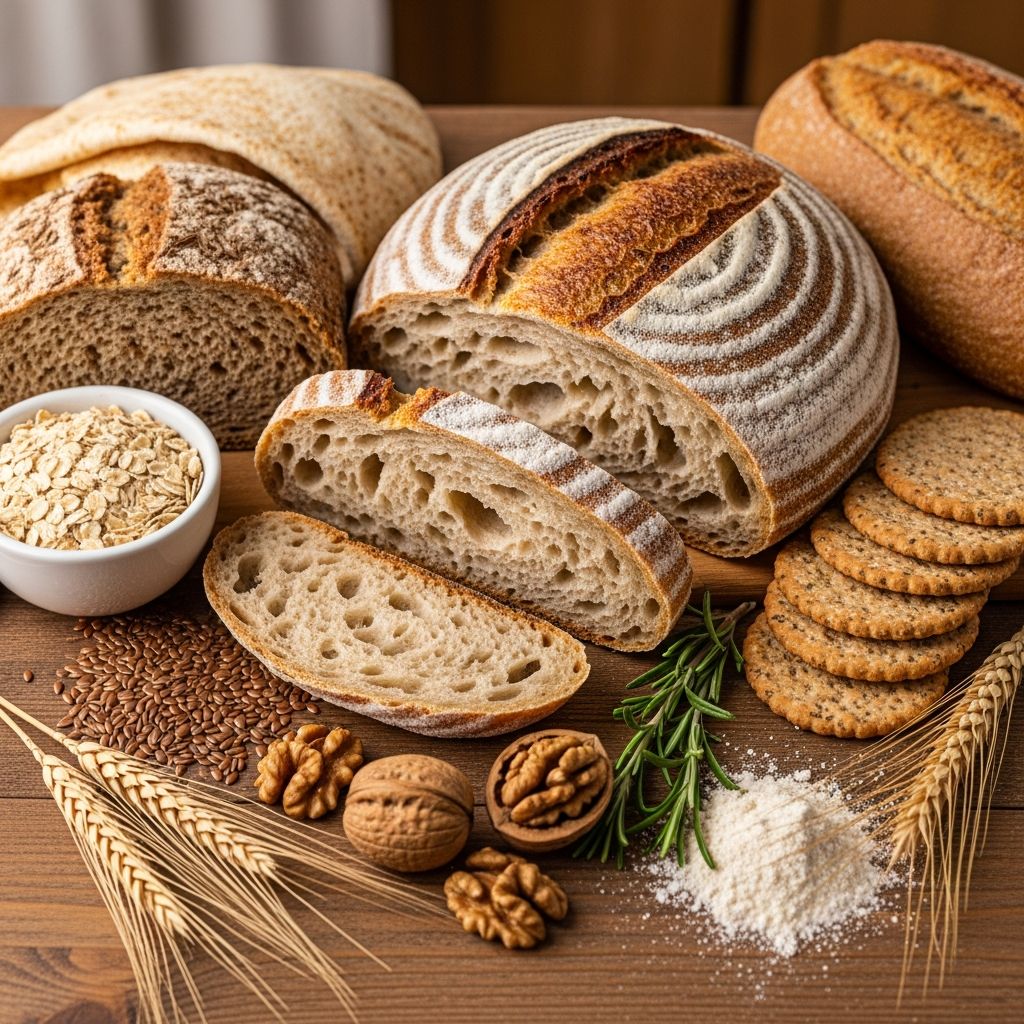
A healthy gut is foundational to overall well-being, influencing digestion, immunity, and even mood. Bread, often vilified in health circles, can actually be a powerful ally for gut health when chosen wisely. The key lies in options rich in
fiber
,prebiotics
, and those undergoing processes likefermentation
orsprouting
, which enhance digestibility and nourish beneficial gut bacteria. This article breaks down the top breads for gut health, backed by science, and offers practical tips to integrate them into your diet.What Makes Bread Gut-Friendly?
Not all breads are created equal for gut health. Refined white bread, stripped of bran and germ, offers little fiber and digests rapidly, spiking blood sugar and providing minimal microbiome support. In contrast, gut-friendly breads prioritize whole grains, fermentation, or sprouting to deliver sustained energy, prebiotic fibers, and improved nutrient absorption.
- Fiber Content: Soluble and insoluble fibers feed gut bacteria, promote regularity, and produce short-chain fatty acids (SCFAs) like butyrate, which support colon health.
- Fermentation: Processes in sourdough reduce phytic acid, enhancing mineral uptake and easing digestion.
- Sprouting: Activates enzymes that break down anti-nutrients, boosting bioavailability of vitamins and minerals.
- Low Glycemic Impact: Slower digestion prevents blood sugar crashes, indirectly benefiting gut stability.
Studies show high-fiber breads increase SCFA production, improving gut function and reducing bloating. Whole grain and fermented breads digest more slowly than white varieties, fostering satiety and microbiome diversity.
1. Sourdough Bread
**Sourdough** reigns supreme for gut health due to its natural fermentation process using a starter of wild yeasts and lactic acid bacteria. This extended fermentation (often 12-24 hours) predigests starches and gluten, making it easier on the stomach than conventional yeast breads.
- Prebiotic Richness: Baking kills live probiotics, but residual prebiotics—fibers like oligosaccharides—nourish existing gut bacteria.
- Lower Glycemic Index (GI): Fermentation lowers GI, leading to steadier blood sugar and less inflammation.
- Improved Digestibility: Reduced FODMAPs and phytic acid enhance mineral absorption (e.g., iron, zinc) and reduce bloating.
Research confirms sourdough promotes better digestion, nutrient uptake, and gut health via its microbiome. Opt for authentic artisanal sourdough over mass-produced versions with added sugars or dough conditioners.
2. Sprouted Whole Grain Breads
Sprouted breads, like
Ezekiel 4:9
, are made from whole grains and legumes soaked until germination begins. This unlocks nutrients and improves gut tolerance.- Nutrient Boost: Sprouting increases folate, vitamins, and mineral bioavailability while reducing anti-nutrients like lectins.
- High Fiber & Protein: Promotes fullness, regularity, and steady energy; often 4-5g fiber per slice.
- Lower Carb Impact: Enzymes break down starches, mimicking a lower glycemic load.
These breads support microbiome diversity through diverse grain fibers. Look for 100% sprouted ingredients without refined flours.
3. 100% Whole Wheat Bread
True
100% whole wheat
bread uses the entire grain kernel, retaining bran, germ, and endosperm for maximum nutrition.Related Stories



- Fiber Powerhouse: 3-4g per slice aids bowel regularity and feeds gut bacteria.
- B Vitamins & Minerals: Rich in B1, iron, magnesium, zinc—essential for digestion and energy.
- Blood Sugar Stability: Fiber slows sugar absorption, reducing spikes.
Unlike enriched white bread, whole wheat fosters long-term gut health. Check labels: first ingredient should be “whole wheat flour.”
4. Rye Bread
**Rye bread**, especially dark or pumpernickel from whole rye flour, stands out for its dense texture and fiber profile.
- High Fiber: Arabinoxylan fibers promote satiety and lower GI than wheat.
- Sprouted Rye Bonus: Even higher fiber, enhancing benefits.
- Insulin Response: A study showed less insulin release vs. white bread, aiding metabolic health.
Rye supports gut motility and microbiome via unique fibers. Choose 100% whole rye without wheat additives.
5. Oat Bread
**Oat bread** blends oats with whole grains, leveraging oats’ superstar status.
- Beta-Glucan: Soluble fiber lowers cholesterol, stabilizes blood sugar, and feeds gut bacteria.
- Nutrient-Dense: Thiamine, iron, magnesium for digestive support.
- Regularity Aid: Promotes smooth digestion and fullness.
Ensure oats are primary; avoid sugary varieties. Beta-glucan uniquely benefits heart and gut health.
6. Flax Bread
**Flax bread** incorporates ground flaxseeds with whole grains, adding omega-3s and lignans.
- Omega-3 ALA: Plant-based anti-inflammatory for heart and gut.
- Lignans & Antioxidants: Protective compounds support microbiome.
- Extra Fiber: Boosts digestion; studies link ALA to lower heart disease risk.
Flax enhances overall digestive health. Select loaves with flax as a top ingredient.
How to Choose the Best Bread for Gut Health
Labels can mislead. Prioritize:
| Check For | Avoid |
|---|---|
| 100% whole grains as first ingredient | Enriched/refined flour |
| 3g+ fiber per slice | Added sugars >2g |
| No artificial preservatives | Hydrogenated oils |
| Sprouted/fermented claims verified | “Wheat bread” (often refined) |
Store in freezer to preserve freshness and nutrients.
Incorporating Gut-Healthy Breads into Your Diet
Swap white for these daily:
- Breakfast: Avocado toast on sourdough.
- Lunch: Sprouted grain sandwiches with veggies.
- Dinner: Rye alongside soups.
- Snacks: Oat bread with nut butter.
Pair with probiotics (yogurt, kimchi) for synergy. Start slow to avoid bloating as fiber ramps up.
Frequently Asked Questions (FAQs)
Is sourdough bread gluten-free?
No, traditional sourdough contains gluten, but fermentation may make it tolerable for some with sensitivity. True gluten-free seekers should choose certified options.
Which bread is best for IBS?
Sourdough or sprouted varieties often suit IBS due to lower FODMAPs post-fermentation/sprouting. Consult a dietitian.
Can I eat bread every day for gut health?
Yes, in moderation (2-4 slices) as part of a varied diet rich in fruits, veggies, and fermented foods.
Is store-bought sprouted bread as good as homemade?
High-quality store brands like Ezekiel match benefits if truly sprouted and minimally processed.
How does whole grain bread help gut bacteria?
Fibers ferment into SCFAs, fueling beneficial bacteria and reducing inflammation.
Potential Downsides and Considerations
Even healthy breads may cause issues for gluten-intolerant individuals. Those with grain allergies should explore gluten-free whole grain options like quinoa or buckwheat breads. Over-reliance on bread neglects dietary diversity—balance with proteins, fats, and produce.
Word count: 1678 (excluding metadata and references).
References
- The Best Bread for Gut Health: Slicing Through the Confusion — Zenwise. 2023. https://zenwise.com/blogs/healthy-gut/the-best-bread-for-gut-health-slicing-through-the-confusion
- 6 of the Healthiest Types of Bread — ZOE. 2024. https://zoe.com/learn/healthiest-bread
- 7 Healthiest Types of Bread — EcoWatch. 2023. https://www.ecowatch.com/healthy-bread-varieties.html
- Bread and Digestibility — Puratos. 2024. https://www.puratos.com/blog/bread-and-digestibility0
- The 7 Healthiest Types of Bread — Healthline. 2024-01-19. https://www.healthline.com/nutrition/healthiest-bread
- Sourdough Microbiome Comparison and Benefits — PMC (NCBI). 2021. https://pmc.ncbi.nlm.nih.gov/articles/PMC8306212/
Similar Articles








Read full bio of Sneha Tete