Best Canned Foods For Inflammation: 9 Anti-Inflammatory Picks
9 nutrient-packed canned foods that combat inflammation and support long-term health.
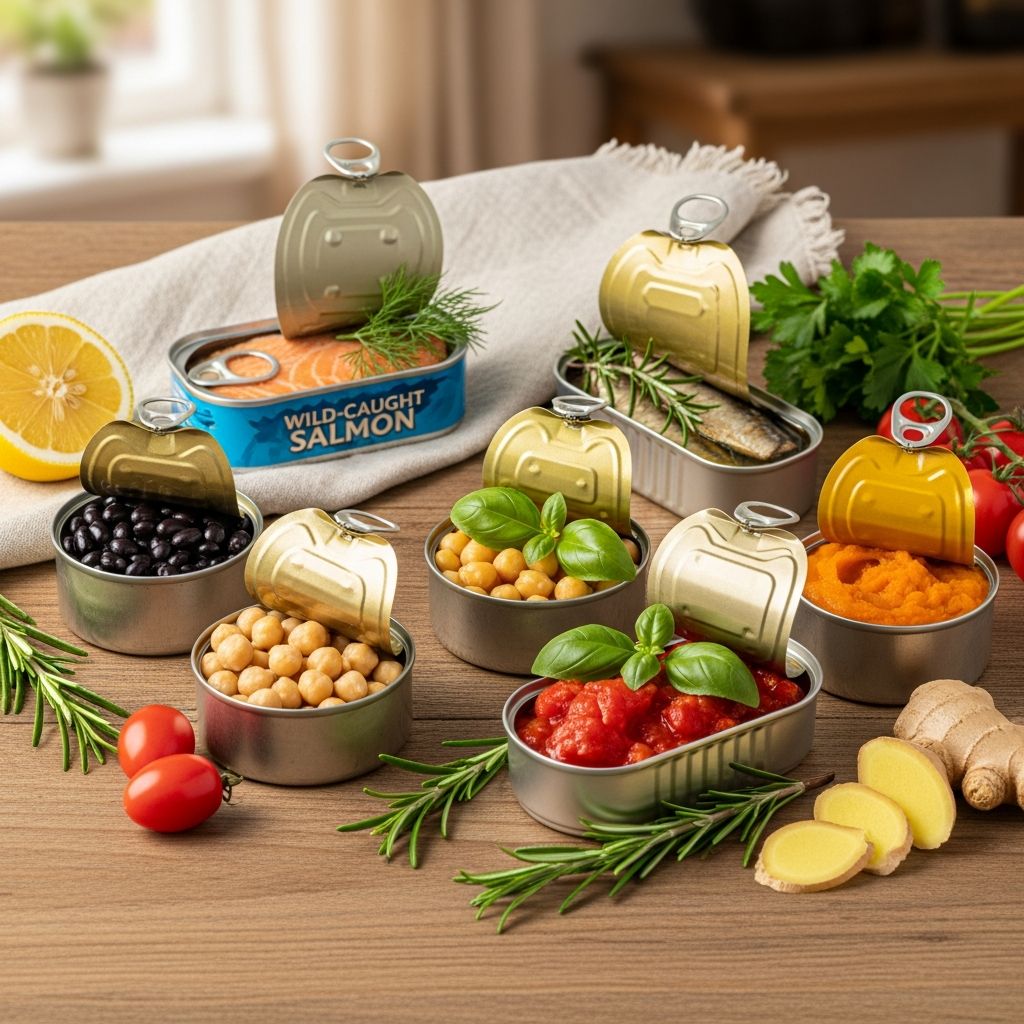
Chronic inflammation fuels many health problems, from heart disease to arthritis. The good news? Certain foods can help fight it. While fresh produce gets all the glory, canned foods offer convenient, nutrient-dense options that rival their fresh counterparts—and sometimes surpass them.
Canned foods undergo a heating process called retorting that actually boosts certain nutrients like lycopene in tomatoes. They’re shelf-stable, budget-friendly, and perfect for busy lifestyles. A 2023 study in Nutrients found that regular consumption of canned fatty fish significantly lowered inflammatory markers like CRP.
What Makes a Food Anti-Inflammatory?
Anti-inflammatory foods are rich in:
- Omega-3 fatty acids: Reduce inflammatory cytokines
- Antioxidants: Neutralize free radicals (polyphenols, carotenoids, vitamin C)
- Fiber: Feeds gut bacteria that produce anti-inflammatory compounds
- Monounsaturated fats: Improve endothelial function
The Mediterranean diet emphasizes these nutrients, and research from the National Institute on Aging shows it reduces inflammation by 20-30%.
Registered dietitian Toby Amidor, MS, RD, CDN explains: “Look for BPA-free cans, low-sodium options, and no added sugars. Rinse beans and veggies to cut sodium by 40%.”
9 Best Canned Foods to Fight Inflammation
1. Canned Salmon
Why it fights inflammation: Wild-caught canned salmon delivers 1,200mg omega-3s per 3oz serving—nearly double fresh salmon. DHA and EPA directly suppress inflammatory pathways like NF-κB.
A 2021 meta-analysis in JAMA Cardiology found omega-3s from fish reduce cardiovascular inflammation by 25%.

Nutrition per 3oz (85g):
| Nutrient | Amount | % DV |
|---|---|---|
| Calories | 120 | 6% |
| Protein | 17g | 34% |
| Omega-3s | 1.2g | 75% |
| Vitamin D | 15mcg | 75% |
How to use: Mix into salads, top whole-grain crackers, or blend into patties with canned chickpeas.
2. Canned Sardines
The ultimate inflammation fighter: Sardines pack 2g omega-3s per serving, plus calcium from edible bones (325mg, 25% DV). A Portuguese study found sardine consumption lowered TNF-α by 35% in 12 weeks.
Pro tip: Choose sardines in olive oil or tomato sauce for extra anti-inflammatory polyphenols.
3. Canned Tomatoes
Canning increases lycopene bioavailability by 300%. This carotenoid inhibits COX-2 enzymes (same target as ibuprofen). Harvard research links high lycopene intake to 30% lower inflammatory markers.
Versatile uses: Simmer into sauces, blend into soups, roast with garlic for instant anti-inflammatory meals.
4. Canned Pumpkin
One cup delivers 7g fiber + 11,500 IU vitamin A. Beta-carotene converts to anti-inflammatory retinol. A Journal of Nutrition study showed pumpkin polysaccharides reduce gut inflammation.
Fall flavors year-round: Pumpkin smoothies, oat bowls, or savory curries.
5. Canned Black Beans
15g fiber + 15g protein per cup. Anthocyanins give black beans their color and potent anti-inflammatory power. Rinse to remove 40% sodium.

6. Canned Chickpeas
Saponins in chickpeas block inflammatory NF-κB pathways. 12g fiber feeds SCFA-producing gut bacteria. Perfect for plant-based diets.
7. Canned Beets
Related Stories



Betalains give beets their color and unique anti-inflammatory power. Studies show beet nitrates improve endothelial function by 20%.
8. Canned Pineapple
Bromelain enzyme digests inflammatory proteins. Vitamin C content triples during canning. Choose in juice, not syrup.
9. Canned Mackerel
Budget-friendly omega-3 powerhouse (1.8g per serving). Spanish mackerel in olive oil combines two inflammation fighters.
Sample 3-Day Anti-Inflammatory Meal Plan
| Meal | Day 1 | Day 2 | Day 3 |
|---|---|---|---|
| Breakfast | Pumpkin oatmeal + sardines on toast | Chickpea scramble + pineapple | Salmon salad bowl |
| Lunch | Black bean tomato soup | Beet hummus wrap | Mackerel salad |
| Dinner | Salmon chickpea patties | Tomato baked beans | Pumpkin black bean chili |
Frequently Asked Questions (FAQs)
Are canned foods as nutritious as fresh?
Yes! Canning preserves—and sometimes enhances—nutrients. Tomatoes have 3x more bioavailable lycopene. Choose low-sodium, BPA-free cans.
Which canned fish is best for omega-3s?
Wild salmon and sardines top the list (1.2-2g per serving). Mackerel follows closely. Aim for 2-3 servings weekly.
Do I need to rinse canned beans?
Absolutely. Rinsing removes 40% sodium and reduces flatulence-causing oligosaccharides.
Is the BPA in cans harmful?
Modern cans use BPA-free linings. Look for brands specifying “BPA-free.”
How much of these foods should I eat daily?
2-3 servings total. Combine with fresh produce, olive oil, nuts, and whole grains for optimal effect.
Shopping Guide: What to Look For
- Low-sodium: ≤140mg per serving
- No added sugar: Especially fruit
- BPA-free: Printed on label
- Wild-caught fish: Higher omega-3s
- In olive oil: Adds healthy fats (not vegetable oil)
Storage tip: Canned goods last 2-5 years. After opening, refrigerate 3-4 days or freeze in portions.
References
- Mediterranean Diet and Inflammation — National Institute on Aging. 2023-07-12. https://www.nia.nih.gov/news/following-mediterranean-diet-may-reduce-risk-chronic-disease-aging
- Omega-3 Fatty Acids and Cardiovascular Disease — JAMA Cardiology. 2021-09-22. https://pubmed.ncbi.nlm.nih.gov/34579179/
- Dietary Inflammatory Index and Chronic Disease — Nutrients (MDPI). 2023-05-15. https://www.mdpi.com/2072-6643/15/10/2318
- Canned Foods Nutrient Retention — USDA Agricultural Research Service. 2022-11-08. https://www.ars.usda.gov/research/publications/publication/?seqNo115=413890
- Lycopene Bioavailability from Processed Tomatoes — Journal of Agricultural and Food Chemistry. 2020-03-04. https://pubs.acs.org/doi/10.1021/acs.jafc.9b07895
Similar Articles








Read full bio of medha deb