10 Best Canned Foods To Help You Poop: Dietitian-Approved Picks
Discover top canned foods packed with fiber and nutrients to relieve constipation and promote regular bowel movements effortlessly.
Constipation affects millions, but
canned foods
rich in fiber, water, and natural laxatives can provide quick relief and promote regular bowel movements. These pantry staples are convenient, nutrient-dense, and backed by nutritional science for digestive support.What Causes Constipation?
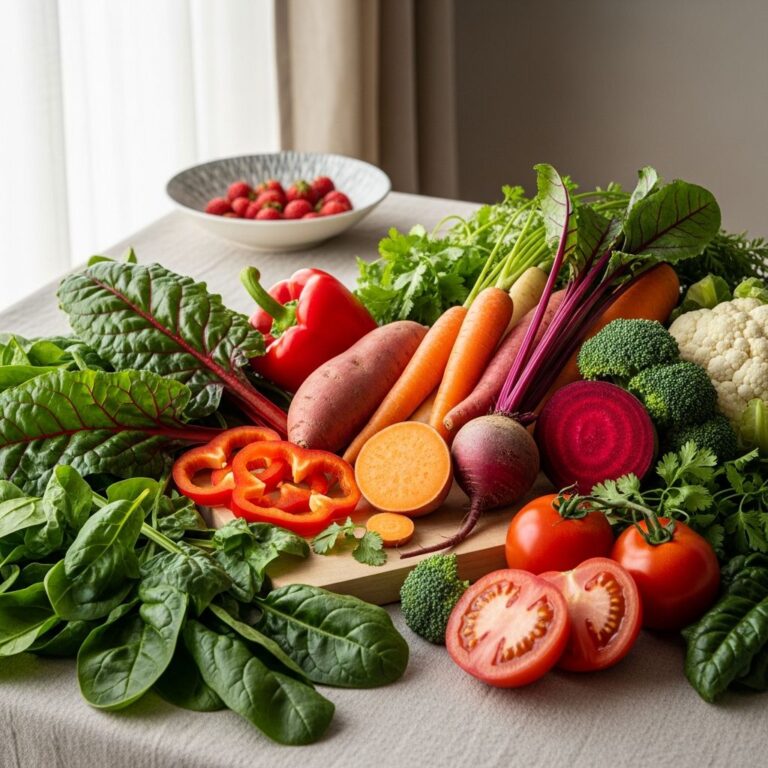
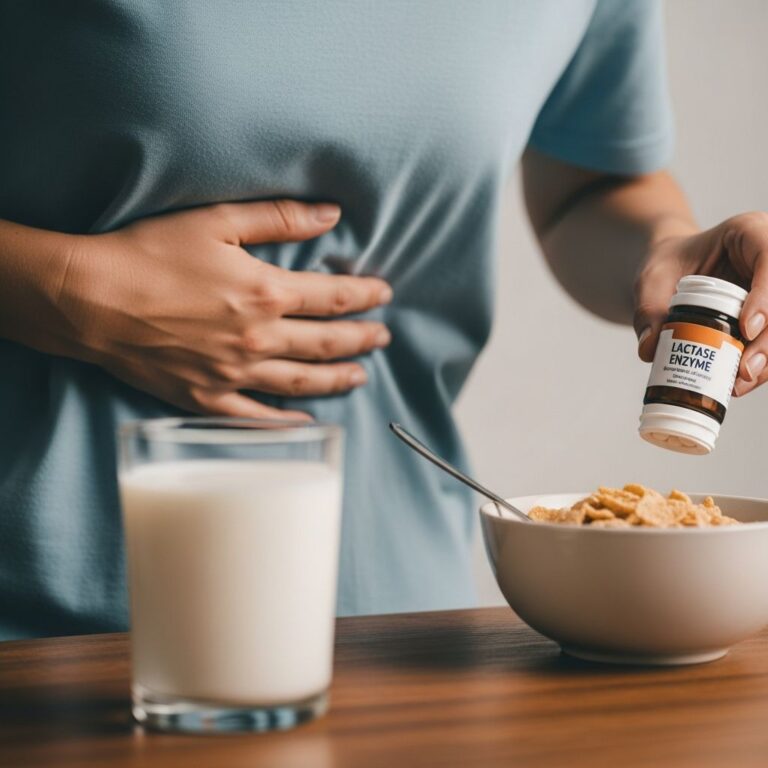
Constipation occurs when bowel movements become infrequent or difficult, often due to low fiber intake, dehydration, lack of exercise, or certain medications. The
NHS
recommends 30g of fiber daily from sources like fruits, vegetables, beans, and whole grains to prevent it. Soluble fiber absorbs water to soften stool, while insoluble fiber adds bulk for easier passage. Canned options preserve these benefits, with heat processing enhancing some nutrients like lycopene.Why Canned Foods for Digestion?
Canned foods are harvested at peak ripeness and processed quickly, retaining minerals, protein, and fiber comparable to fresh produce. A 2015 study showed frequent canned food consumers get more potassium, calcium, and fiber. Rinse high-sodium varieties to reduce intake, and opt for BPA-free cans to minimize risks. Pair with water for optimal hydration and motility.
10 Best Canned Foods to Help You Poop
These
high-fiber canned foods
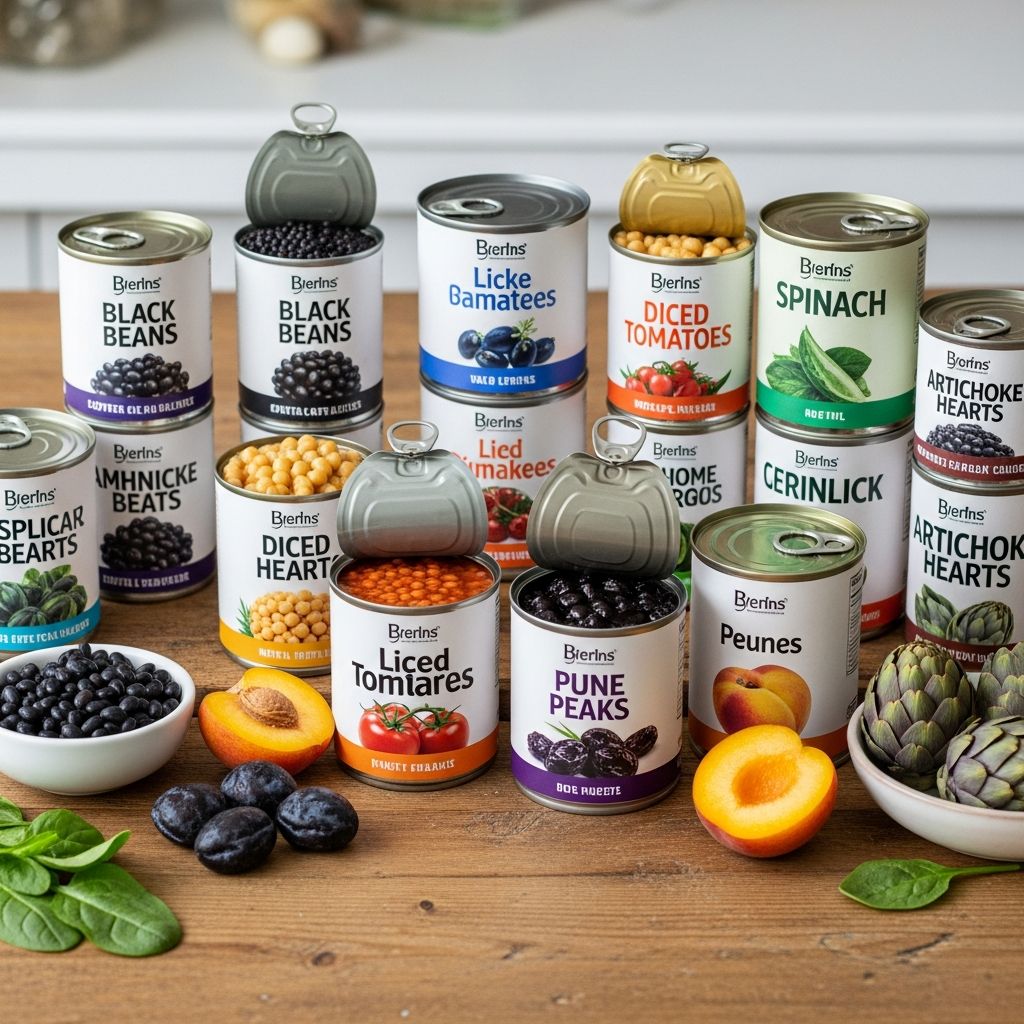
are dietitian-approved for constipation relief. Each provides soluble and insoluble fiber to stimulate digestion.1. Canned Beans (Chickpeas, Black Beans, Kidney Beans)
**Canned beans** top the list with 6-8g fiber per half-cup serving, plus prebiotics for gut bacteria. Soluble fiber slows digestion, while insoluble adds bulk. A study links bean consumption to better regularity. Rinse to cut sodium by 40%. Use in salads or chili.
- Fiber: 7g per ½ cup
- Benefits: Prebiotic, protein-rich
- Tip: Choose low-sodium
2. Canned Prunes
**Prunes** contain sorbitol, a natural laxative, and 3g fiber per 4 prunes. They draw water into the colon for softer stools. Studies confirm prunes outperform psyllium for constipation. Eat 4-6 daily.
- Fiber: 3g per 4 prunes
- Benefits: Sorbitol laxative effect
- Tip: In juice or whole
3. Canned Pumpkin
**Canned pumpkin** offers 7g fiber per cup, mostly pectin (soluble) for smooth digestion. Low-calorie and versatile in smoothies or soups.
- Fiber: 7g per cup
- Benefits: Pectin soothes gut
- Tip: Pure, no added sugar
4. Canned Lentils
**Lentils** deliver 8g fiber per ½ cup, with resistant starch feeding gut microbes. They reduce diverticular disease risk.
- Fiber: 8g per ½ cup
- Benefits: Gut microbiome support
- Tip: Add to soups
5. Canned Sweet Potatoes
**Canned sweet potatoes** provide 6g fiber per cup, beta-carotene, and sorbitol for motility.
- Fiber: 6g per cup
- Benefits: Antioxidant-rich
- Tip: Mash as side dish
6. Canned Peas
**Canned peas** have 8g fiber per cup, affordable and easy to incorporate.
- Fiber: 8g per cup
- Benefits: Insoluble fiber bulk
- Tip: Low-sodium versions
7. Canned Tomatoes
Canning boosts lycopene bioavailability. 4g fiber per cup aids hydration and digestion.
- Fiber: 4g per cup
- Benefits: Lycopene antioxidants
- Tip: Glass jars for acidic foods
8. Canned Spinach
**Canned spinach** packs 4g fiber per ½ cup, magnesium for muscle relaxation in bowels. Opt for no-salt-added.
- Fiber: 4g per ½ cup
- Benefits: Magnesium laxative
- Tip: Rinse well
Related Stories



9. Canned Beets
**Canned beets** offer 3g fiber per ½ cup, betalains for gut inflammation reduction.
- Fiber: 3g per ½ cup
- Benefits: Anti-inflammatory
- Tip: In salads
10. Canned Pineapple
**Canned pineapple** contains bromelain enzyme for protein digestion and 2g fiber. Choose juice-packed.
- Fiber: 2g per cup
- Benefits: Digestive enzymes
- Tip: Avoid heavy syrup
How to Incorporate Canned Foods for Better Digestion
Increase fiber gradually to avoid bloating. Drink plenty of water—fiber needs it to work. Rinse cans, use aquafaba in recipes, pair with fresh produce.
| Recipe Idea | Key Canned Food | Fiber Boost |
|---|---|---|
| Bean Salad | Chickpeas, Beets | 15g per serving |
| Pumpkin Smoothie | Pumpkin, Prunes | 10g per serving |
| Lentil Soup | Lentils, Tomatoes | 12g per serving |
| Sweet Potato Mash | Sweet Potatoes, Peas | 14g per serving |
Potential Downsides and Tips
Watch sodium and BPA—choose low-sodium, BPA-free. Acidic cans like tomatoes may leach more; prefer glass. Start slow with fiber to prevent gas.
Frequently Asked Questions (FAQs)
Q: How much fiber do I need daily for regular poops?
A: Aim for 30g, from varied sources like canned beans and veggies.
Q: Are canned foods as healthy as fresh for digestion?
A: Yes, often comparable or better in nutrients like fiber and lycopene.
Q: Can canned prunes relieve constipation overnight?
A: Sorbitol acts quickly, but consistent intake works best.
Q: Should I rinse canned beans?
A: Yes, reduces sodium by up to 40% without losing much fiber.
Q: What’s the best canned fruit for poop?
A: Prunes, due to sorbitol and fiber combo.
Q: Do canned veggies cause bloating?
A: Increase gradually and stay hydrated to minimize.
Stock Your Pantry for Digestive Wellness
These
canned foods
make gut health accessible. Combine with lifestyle habits for lasting regularity. Consult a doctor for chronic issues.References
- Are Canned Foods Healthy? Examining Their Pros and Cons — Food Revolution Network. 2023. https://foodrevolution.org/blog/are-canned-foods-healthy/
- The 7 Best Canned Foods for Cognitive Health — AOL/EatingWell. 2024. https://www.aol.com/7-best-canned-foods-cognitive-025923715.html
- 11 Foods for Gut Health and Recipes — Emerson Health. 2023. https://emersonhealth.org/11-foods-for-gut-health-and-recipes/
- Good foods to help your digestion — NHS (National Health Service). 2024-10-30. https://www.nhs.uk/live-well/eat-well/digestive-health/good-foods-to-help-your-digestion/
Similar Articles








Read full bio of Sneha Tete