Best Canned Soups for Better Blood Pressure
Discover the best low-sodium canned soups to support healthy blood pressure and heart health.
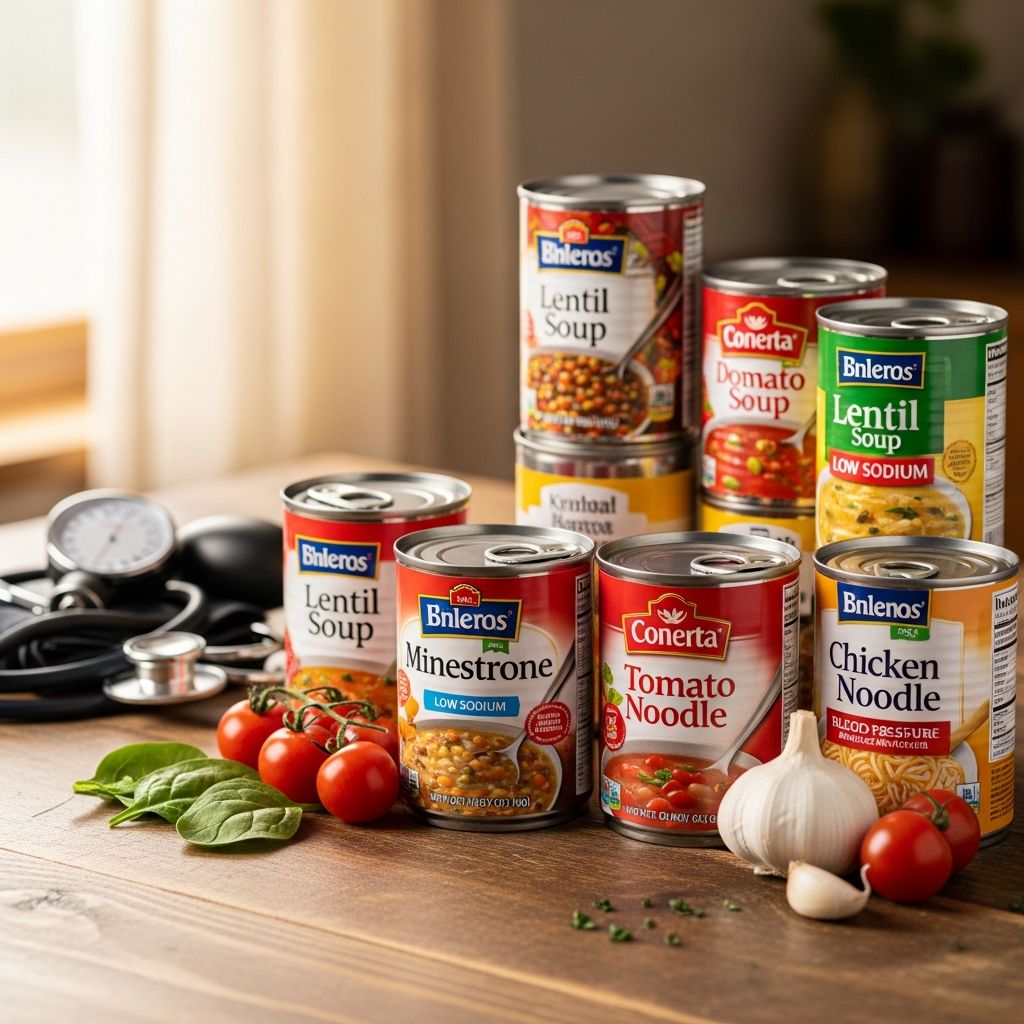
Managing blood pressure doesn’t always require drastic dietary changes or expensive specialty foods. Often, it starts with small, practical swaps in your pantry that can make a meaningful difference in your cardiovascular health. Canned soups are a convenient staple for many households, but most commercial varieties contain alarming amounts of sodium—sometimes providing an entire day’s recommended intake in a single serving. Understanding which canned soups support better blood pressure and how to select them can help you maintain heart health without sacrificing convenience or breaking your budget.
Why Blood Pressure Matters: Understanding the Connection to Daily Choices
Blood pressure is fundamentally a daily chemistry issue. Every meal either pushes pressure up or helps bring it down. When blood pressure stays elevated over time, it damages the lining of your arteries, causing them to become stiff and narrow. This restricted blood flow increases the risk of heart disease, stroke, kidney failure, and even cognitive decline. The good news is that nutrition plays a major role in this process.
Diets high in sodium, refined carbohydrates, and ultra-processed foods cause the body to retain water, increase inflammation, and strain the kidneys. Over time, this makes blood pressure harder to control, even with medication. Meanwhile, diets built around whole grains, beans, fruits, vegetables, and simple proteins help the body release excess sodium, improve vessel flexibility, and reduce workload on the heart. This is the foundation of well-known approaches like the DASH diet.
The Sodium Problem in Regular Canned Soups
Many regular canned soups contain most or even all of a day’s recommended sodium in a single serving. The American Heart Association recommends no more than 2,300 milligrams of sodium per day for most adults. Some canned soups contain 1,400 milligrams or more per serving, which means one bowl provides roughly 60% of daily sodium recommendations.
Too much sodium causes the body to hold onto water, which raises blood pressure and puts extra strain on the heart and kidneys. This is particularly important for Black and Brown communities, where high blood pressure develops earlier and causes more significant health consequences. Understanding how to identify and choose low-sodium alternatives is essential for long-term cardiovascular health.
What Dietitians Look for in Healthy Canned Soups
When selecting canned soups for blood pressure management, dietitians focus on several key factors. The first is sodium content. Choosing a reduced-sodium option can significantly decrease your sodium intake, supporting healthy blood pressure and kidney function while reducing the risk of heart disease. Most manufacturers offer low-sodium versions of their popular products at virtually the same price as regular versions.
The second factor is ingredient quality. High-quality canned soups contain whole foods such as brown rice, beans, and vegetables, which are crucial sources of essential nutrients, including fiber. It’s estimated that about 95% of Americans aren’t meeting fiber recommendations. Fiber supports gut microbiome health, balanced blood sugar, stable appetite, immune health, and healthy body weight. Third, dietitians prefer soups with clear, transparent labeling that makes it easy to identify nutritional content and added ingredients.
Related Stories



Dietitians also recommend looking for soups that are free of cholesterol and low in sugar and saturated fats—ingredients that can increase the risk of chronic conditions such as cardiovascular disease, high cholesterol, high blood pressure, type 2 diabetes, metabolic syndrome, and obesity. When possible, choose soups that avoid artificial ingredients and additives, as these are unnecessary for a healthy and tasty product.
Top-Recommended Canned Soup Brands for Blood Pressure
Amy’s Brand: The Dietitian’s Choice
Multiple registered dietitian nutritionists recommend Amy’s as the top choice for heart-healthy canned soups. Since its launch in 1987, Amy’s has been dedicated to using organic and non-GMO ingredients while avoiding common allergens such as peanuts and hydrogenated oils. Every product in their line of more than 30 canned soup varieties is made with 100% vegetarian ingredients sourced from local farms.
Amy’s canned soups are about as close to homemade quality as store-bought options get. Their nutrition labels feature a variety of whole foods, making them excellent choices for adherents of healthy diets like the DASH and Mediterranean diets, which focus on fruits, vegetables, and whole grains. Most Amy’s canned soups are free of cholesterol and low in sugar and saturated fats. The brand is widely available in most major supermarkets, as well as independent, natural, and organic grocers.
Recommended Amy’s varieties for blood pressure management include:
- Light in Sodium Split Pea Soup—provides protein and fiber with reduced salt
- Light in Sodium Lentil Vegetable Soup—hearty and nutrient-dense with 50% less sodium
- Light in Sodium Chunky Tomato Bisque—satisfying comfort food with manageable sodium levels
Key Nutrients for Blood Pressure Management in Canned Soups
Fiber: Building Flexible Blood Vessels
Fiber is one of the most important nutrients for blood pressure management. It helps blood vessels stay flexible, improves insulin sensitivity, and reduces blood sugar swings that can worsen hypertension over time. When selecting canned soups, prioritize those containing beans, lentils, whole grains, and vegetables—all excellent sources of dietary fiber.
Potassium: Supporting Vascular Function
Foods rich in potassium help blood vessels relax and work more efficiently. Soups containing beans, split peas, lentils, and vegetables provide meaningful potassium content that supports healthy blood pressure regulation. Many vegetable-based soups are particularly rich in this essential mineral.
Sodium: Less Is More
Reducing sodium is one of the fastest ways to lower blood pressure and reduce fluid retention. When selecting canned soups, aim for those with less than 700 milligrams of sodium per serving, and preferably under 500 milligrams. Low-sodium versions use the same quality ingredients as regular versions but with far less added salt.
Making Healthy Canned Soup Choices
Read the Nutrition Label Carefully
Clear labeling makes it easier to identify healthier options. Pay attention to serving size, sodium content, fiber content, and ingredient lists. Ingredients are listed by weight, so if sodium or sugar appear early in the list, the product contains significant amounts. Look for whole foods like vegetables, beans, and grains as the primary ingredients.
Compare Options Side-by-Side
| Soup Type | Regular Sodium | Low-Sodium Version | Sodium Reduction |
|---|---|---|---|
| Canned Vegetable Soup | 800-1,400 mg | 400-600 mg | 40-60% |
| Bean & Lentil Soup | 700-1,200 mg | 350-550 mg | 40-60% |
| Tomato-Based Soup | 900-1,300 mg | 450-650 mg | 40-50% |
| Chicken & Vegetable | 850-1,400 mg | 400-700 mg | 40-60% |
Choose Whole Food-Based Soups
Select soups with visible chunks of vegetables, beans, or whole grains. These indicate higher whole food content and better nutritional quality compared to creamy, smooth soups that may rely on added fats and sodium for flavor.
Budget-Friendly Strategies for Choosing Healthy Canned Soups
Low-sodium canned soups usually cost the same as regular versions, making them an easy switch without additional expense. Shopping at big-box retailers and discount grocery stores often provides better pricing on multiple cans. When buying in bulk, low-sodium options often cost less per serving than specialty products.
Consider supplementing canned soups with fresh additions to boost nutrition. Add frozen vegetables, fresh spinach, or cooked chicken to increase fiber, protein, and micronutrient content. A rotisserie chicken combined with canned low-sodium broth and frozen vegetables can stretch into several meals for minimal cost.
Beyond the Can: Making Simple Homemade Soup
While quality canned soups offer convenience, simple homemade soups provide complete control over ingredients. Making soup at home with frozen vegetables, canned beans, and a rotisserie chicken is budget-friendly and takes minimal time. Frozen vegetables are just as nutritious as fresh and often more affordable. A basic homemade vegetable or bean soup can be prepared in under 30 minutes and provides multiple servings for very little money.
Homemade soups also allow you to adjust sodium levels to your specific health needs. If you have kidney disease or need to restrict sodium further, making soup at home ensures you control every ingredient.
Additional Pantry Swaps to Support Blood Pressure Health
While choosing the right canned soup matters, supporting strategies throughout your pantry make a bigger impact. Swap regular white rice for brown rice or parboiled rice to increase fiber intake. Replace sugary drinks with water, tea, or infused water to reduce sugar intake. Choose whole wheat bread instead of white bread to increase whole grain consumption. Replace high-sodium chips with unsalted popcorn, nuts, or roasted chickpeas for satisfying snacks with less salt and more nutrients.
Understanding the DASH Diet and Canned Soups
The DASH (Dietary Approaches to Stop Hypertension) diet is specifically designed to lower blood pressure through nutrition. It emphasizes fruits, vegetables, whole grains, lean proteins, and low-fat dairy while limiting sodium, added sugars, and saturated fats. Many quality canned soups, particularly those with low sodium and whole food ingredients, align well with DASH diet principles. When selecting canned soups, those that would fit comfortably into a DASH eating pattern provide excellent support for blood pressure management.
Label Reading Tips for Maximum Blood Pressure Benefits
- Target sodium levels: Look for soups with less than 700 milligrams per serving, ideally under 500 milligrams
- Fiber content: Choose soups with at least 3 grams of fiber per serving
- Whole foods first: Vegetables, beans, and grains should appear in the first five ingredients
- Avoid these additions: Artificial flavors, high-fructose corn syrup, and partially hydrogenated oils
- Watch serving sizes: Some canned soups list nutrition information for unrealistically small portions
Making the Switch: Practical Implementation
Changing your canned soup choices doesn’t require abandoning your current routine. Simply replace your regular canned soup brand with a low-sodium alternative at your next grocery shopping trip. The cost is virtually identical, and the health benefits accumulate over time. If you currently consume canned soup several times per week, switching to low-sodium versions can reduce your weekly sodium intake by 2,000-3,000 milligrams—a significant amount that supports healthier blood pressure readings.
Frequently Asked Questions About Canned Soups and Blood Pressure
Q: How much sodium is too much in a single serving of soup?
A: The American Heart Association recommends limiting sodium to 2,300 milligrams daily. A single serving of soup shouldn’t exceed 700 milligrams, allowing for other meals throughout the day. Ideally, look for soups with 500 milligrams or less per serving.
Q: Are all low-sodium canned soups equally healthy?
A: No. Low-sodium is important, but equally important is ingredient quality. Choose low-sodium soups made with whole foods like beans, vegetables, and grains rather than those relying on artificial ingredients for flavor.
Q: Can I eat regular canned soup occasionally while managing blood pressure?
A: Yes, occasional consumption of high-sodium soup as part of an overall balanced diet is acceptable. However, regular consumption of high-sodium meals makes blood pressure harder to control over time, even with medication.
Q: What’s the difference between regular and light-sodium versions of the same soup?
A: The primary difference is sodium content, typically 40-60% reduction. The ingredients and taste profile remain very similar, making the switch seamless while providing significant health benefits.
Q: Is homemade soup always better than canned soup?
A: Homemade soup offers complete control over ingredients, making it ideal for people with specific dietary restrictions. However, quality canned soups with whole food ingredients and low sodium provide nearly equivalent nutrition with greater convenience.
Q: How quickly will switching to low-sodium canned soups lower my blood pressure?
A: Many people notice improvements in blood pressure readings within 2-4 weeks of significantly reducing sodium intake. However, consistent dietary changes over months provide the most sustainable and significant reductions in blood pressure.
Taking Action for Heart Health Today
Managing blood pressure through better food choices is one of the most powerful and sustainable approaches to cardiovascular health. Canned soups offer genuine convenience for busy lifestyles, and choosing low-sodium varieties with whole food ingredients supports your heart without requiring time-intensive meal preparation. By making simple pantry swaps and paying attention to nutrition labels, you’re investing in long-term health outcomes that benefit not just your blood pressure, but your entire cardiovascular system. Start with one soup swap at your next grocery shopping trip, and build from there.
References
- Lower Blood Pressure with 6 Affordable Pantry Swaps — Now Included Health Resources. 2024. https://nowincluded.com/health-resources/pantry-swaps-lower-blood-pressure/
- We Asked 3 Dietitians to Name the Healthiest Canned Soup — AOL/EatingWell. 2024. https://www.aol.com/articles/asked-3-dietitians-name-healthiest-183000285.html
- Understanding Blood Pressure and Sodium Intake — American Heart Association. 2024. https://www.heart.org/en/healthy-living/healthy-eating/eat-smart/sodium
- DASH Eating Plan: A Guide to Heart Health — National Heart, Lung, and Blood Institute. 2024. https://www.nhlbi.nih.gov/health-topics/dash-eating-plan
- Dietary Fiber and Cardiovascular Health — Academy of Nutrition and Dietetics. 2024. https://www.eatright.org/
Similar Articles








Read full bio of medha deb