Best Canned Soups For Weight Loss: 6 Dietitian-Approved Picks
Discover dietitian-approved canned soups that support weight loss with high protein, fiber, and low calories—perfect for convenient, satisfying meals.
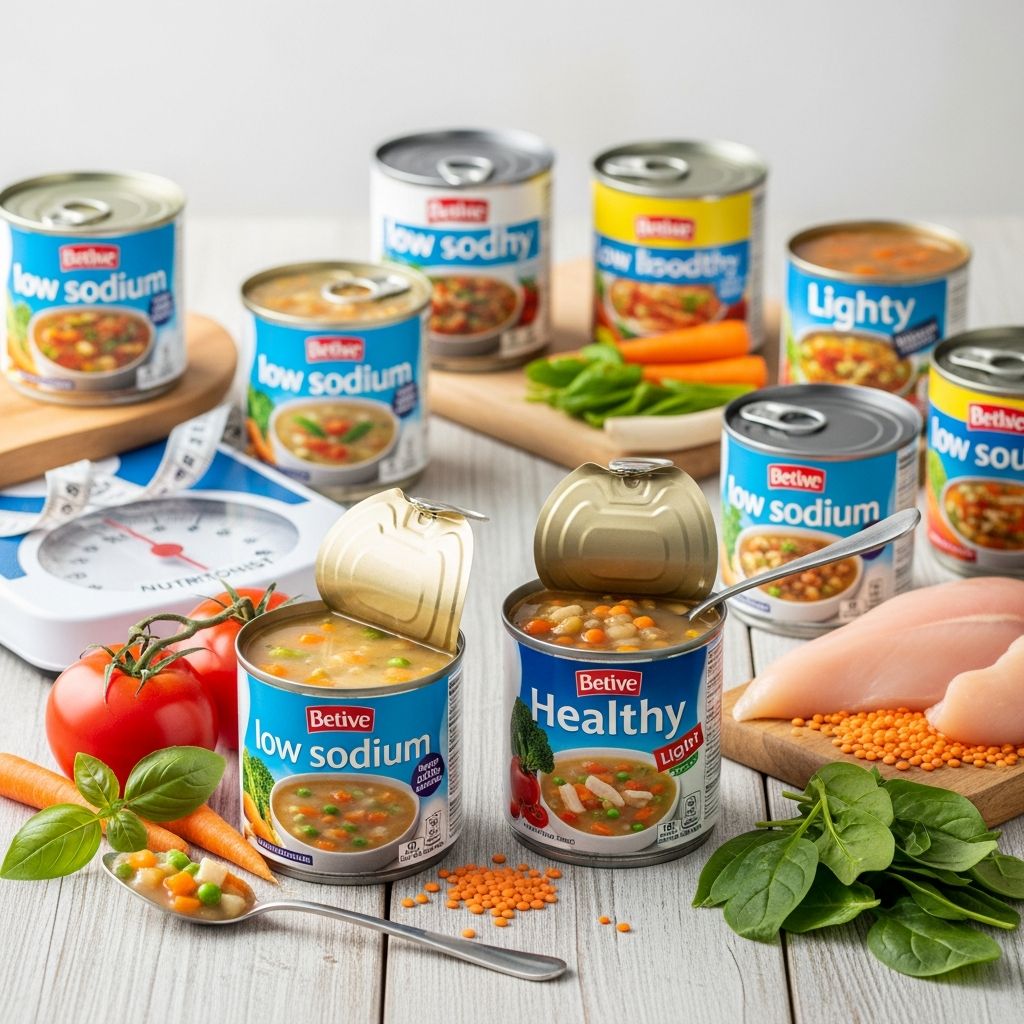
Canned soups offer a convenient way to enjoy nutrient-dense meals that support weight loss when chosen wisely. Dietitians emphasize selecting options high in
protein
andfiber
, low in calories and sodium, and made with recognizable, whole-food ingredients. These soups promote satiety, stabilize blood sugar, and fit seamlessly into calorie-controlled diets without sacrificing flavor or convenience.Soups are particularly effective for weight management because their high water content adds volume and fullness with fewer calories. A study from the Journal of Human Nutrition and Dietetics found that starting meals with soup can reduce overall calorie intake by up to 20%. Prioritize broth-based varieties over creamy ones, check nutrition labels for at least 10g protein and 5g fiber per serving, and aim for under 400mg sodium. Pair with lean proteins or veggies for balanced meals.
Why Canned Soups Can Aid Weight Loss
Canned soups excel for weight loss due to their portability, long shelf life, and ability to deliver hydration alongside nutrients. Liquid meals are easier to digest, making them ideal during busy days or when appetite control is key. Key benefits include:
- High satiety: Broth, vegetables, and legumes create bulk that curbs hunger.
- Low energy density: More volume per calorie means you feel fuller faster.
- Nutrient boost: Many provide vitamins, minerals, and antioxidants from real ingredients.
- Versatility: Customize by adding fresh toppings like avocado, nuts, or grilled chicken.
However, not all canned soups are equal. Avoid those laden with added sugars, artificial flavors, or excessive thickeners. Opt for organic or low-sodium versions to maximize health benefits.
The 6 Best Canned Soups for Weight Loss
Based on dietitian recommendations and nutritional profiles, here are the top six canned soups that stand out for weight loss. Each offers a balance of macros, clean labels, and taste that rivals homemade.
1. Pacific Foods Organic Soup
Pacific Foods sets the standard with
organic bone or vegetable broth
bases, steering clear of water and starch thickeners. Flavors like Chicken Bone Broth or Lentil Vegetable feature whole ingredients such as carrots, celery, tomatoes, and herbs. A single serving of their Organic Vegetable Lentil Soup delivers 8g protein, 9g fiber, and just 100 calories, making it a powerhouse for fullness.These soups support gut health with prebiotic fibers from legumes and minimal additives. Dietitians note their mild seasoning aids digestion, ideal for recovery or low-appetite days. Pair with a side salad or turkey slices for a complete lunch under 300 calories. Sodium averages 400-500mg per serving—lower than many competitors.
2. Amy’s Organic Soup
Amy’s soups are
vegetable-forward and organic
, mimicking homemade recipes without preservatives. Popular picks like Organic Lentil Vegetable or Light in Sodium Minestrone pack 8-10g protein, 6-8g fiber, and under 200 calories per can. The emphasis on chunks of tomatoes, spinach, and beans provides texture and phytonutrients that enhance satiety.With short ingredient lists—no gums or artificial colors—these are gentle on the stomach. Customize by stirring in quinoa or eggs for extra protein. Dietitians recommend them as a base for meal prep, helping transition to whole-food eating while managing portions effortlessly.
Related Stories



3. Trader Joe’s Canned Soups
Trader Joe’s shines with
short, clean ingredient lists
and straightforward recipes. Their Organic Lentil & Vegetable or Chicken Noodle soups avoid emulsifiers and flavor enhancers, relying on real veggies and simple seasonings. A serving offers 10g protein, 7g fiber, and about 140 calories, promoting steady energy without spikes.These soups benefit gut health through fewer stabilizers and more whole foods. Use as a starter alongside whole grains or protein for sustained fullness. Their affordability and availability make them a practical choice for weekly rotations in weight loss plans.
4. Progresso Light Soup
Progresso Light line is
broth-based and portion-controlled
, with reduced calories yet satisfying flavors. Italian-Style Vegetable or Chicken & Vegetable deliver 5-8g protein, 4-6g fiber, and only 60-100 calories per serving. Recognizable ingredients like green beans, carrots, and pasta keep it wholesome.Ideal for appetite regulation, these prevent hunger rebounds when paired with fiber-rich sides. Dietitians suggest them for quick lunches with a turkey wrap or apple. Lower calorie density supports deficit eating without feeling deprived.
5. Campbell’s Well Yes!
Campbell’s Well Yes! emphasizes
whole vegetables and cleaner labels
, ditching many artificial additives. Varieties like Chicken Noodle with White Meat or Lentil & Vegetable provide 11g protein, 5g fiber, and 130 calories. More veggies mean better volume and micronutrients.A solid bridge for those easing off processed foods, but monitor sodium (around 600mg). Enhance with fresh herbs or spinach. Dietitians praise the protein boost for muscle maintenance during weight loss.
6. Health Valley Organic Soup
Health Valley uses
organic broth and gentle flavors
, perfect for sensitive palates. No Salt Added Vegetable or Lentil soups offer 7g protein, 8g fiber, and 110 calories, with simple seasonings that highlight natural tastes.Mild profiles suit digestive health and customization—add garlic or chili for kick. Great for organic-focused eaters prioritizing minimal processing and low sodium (under 200mg in select varieties).
Nutrition Comparison Table
| Soup Brand | Key Flavor | Calories (per serving) | Protein (g) | Fiber (g) | Sodium (mg) |
|---|---|---|---|---|---|
| Pacific Foods | Lentil Vegetable | 100 | 8 | 9 | 450 |
| Amy’s | Lentil Vegetable | 180 | 9 | 7 | 580 |
| Trader Joe’s | Lentil & Vegetable | 140 | 10 | 7 | 480 |
| Progresso Light | Chicken Vegetable | 80 | 6 | 5 | 410 |
| Campbell’s Well Yes! | Lentil Vegetable | 130 | 11 | 5 | 600 |
| Health Valley | Vegetable | 110 | 7 | 8 | 200 |
Note: Values approximate per 1-cup serving; check labels for exact nutrition.
How to Choose the Best Canned Soups for Weight Loss
Scan labels with these criteria:
- Protein >10g: From beans, lentils, or chicken for muscle support.
- Fiber >5g: From veggies and grains for digestion and fullness.
- Calories <200: Per serving to fit calorie goals.
- Sodium <500mg: Choose low-sodium to avoid bloat.
- Clean ingredients: First items should be broth, veggies—not salt or sugar.
Steer clear of creamy soups high in saturated fats. Broth-based with legumes excel for weight loss.
5 Ways to Incorporate Canned Soups Into Your Weight Loss Plan
- Meal starter: Sip half a can before mains to cut 100-200 calories.
- Lunch hack: Pair with salad or sandwich for balanced 400-calorie meals.
- Dinner base: Add shrimp, kale, or brown rice for volume.
- Snack swap: Replace chips with soup for 150 satisfying calories.
- Prep boost: Use in casseroles or as sauce for lean proteins.
Potential Downsides and How to Mitigate Them
Canned soups can be high in sodium, risking water retention. Counter with potassium-rich foods like bananas or spinach. Some contain BPA in linings—choose BPA-free brands. Always heat gently to preserve nutrients, and vary with fresh soups weekly.
Frequently Asked Questions (FAQs)
Are canned soups healthy for weight loss?
Yes, when selecting low-calorie, high-protein/fiber options with clean ingredients. They aid portion control and satiety.
Which canned soup has the most protein?
Campbell’s Well Yes! varieties often top at 11g per serving, supporting muscle retention.
Can I eat canned soup every day?
Moderation is key due to sodium; rotate brands and pair with fresh produce for balance.
What’s the lowest calorie canned soup?
Progresso Light options clock in at 60-80 calories, ideal for light meals.
Do organic canned soups taste better?
Many do, thanks to real ingredients and less artificial flavors, per dietitians.
References
- Effects of a reduced-glycemic-load diet on weight loss and cardiovascular disease risk markers in obese women — Foster GD et al. Journal of Human Nutrition and Dietetics. 2006-10-15. https://doi.org/10.1111/j.1365-277X.2006.00756.x
- Dietary Guidelines for Americans, 2020-2025 — U.S. Department of Health and Human Services and U.S. Department of Agriculture. 2020-12-01. https://www.dietaryguidelines.gov/sites/default/files/2020-12/Dietary_Guidelines_for_Americans_2020-2025.pdf
- Sodium Intake and Health — World Health Organization. 2023-05-10. https://www.who.int/news-room/fact-sheets/detail/sodium-reduction
- 6 Canned Soups Made Without Junk — Eat This Not That. 2024-08-15. https://www.eatthis.com/canned-soups-made-without-junk/
- Protein and Satiety — Leidy HJ et al. American Journal of Clinical Nutrition. 2015-08-01. https://doi.org/10.3945/ajcn.114.100867
Similar Articles








Read full bio of Sneha Tete