Oats Best Carb To Lower Blood Pressure, Science-Backed Benefits
Discover the top carbohydrate that can help lower blood pressure naturally through expert-backed dietary choices and science.
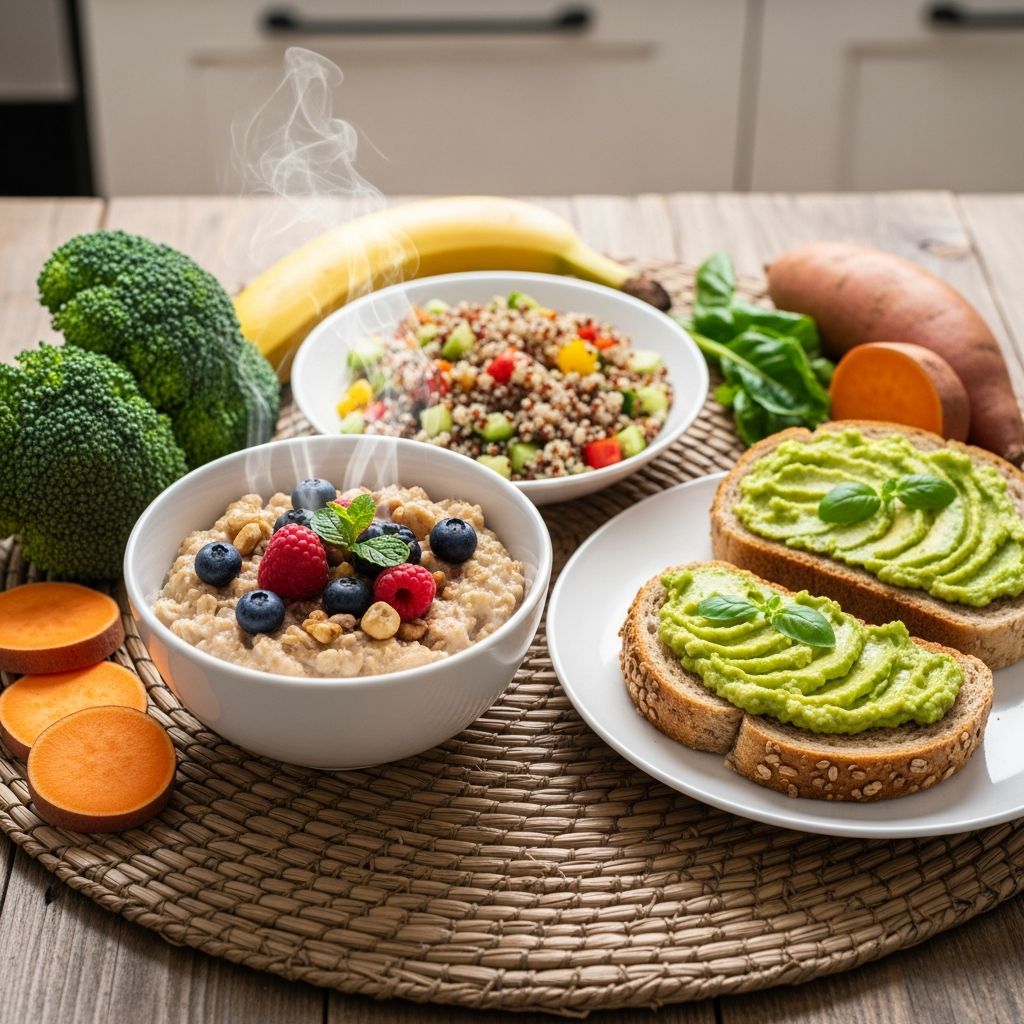
Choosing the right carbohydrates can significantly impact blood pressure management.
Oats
stand out as the best carb for lowering blood pressure due to their high soluble fiber content, particularly beta-glucan, which helps reduce cholesterol and supports vascular health.How Carbohydrates Affect Blood Pressure
Carbohydrates influence blood pressure through their glycemic impact and nutrient profile. Complex carbohydrates, found in whole grains, legumes, fruits, and vegetables, digest slowly, causing gradual blood sugar rises and less strain on blood vessels. Harvard’s Nutrition Source explains that high-fiber complex carbs minimize immediate blood sugar spikes, unlike refined carbs in white bread or potatoes.
Research from a PMC study on dietary carbohydrates and hypertension shows high-quality carbs like whole grains and fruits reduce hypertension risk by combating oxidative stress and improving endothelial function. Conversely, high glucose intake correlates with higher hypertension prevalence, emphasizing carb quality over quantity.
The American Heart Association recommends complex carbs from fruits, vegetables, legumes, and whole grains, which provide sustained energy and essential nutrients without empty calories.
Why Oats Are the Top Choice
**Oats** top the list for blood pressure benefits. Rich in beta-glucan, a soluble fiber, oats lower LDL cholesterol and stabilize blood pressure by enhancing arterial flexibility. Studies indicate oats reduce heart disease risk by lowering cholesterol and blood sugar, crucial for hypertension management.
- Beta-glucan fiber: Forms a gel in the gut, binding cholesterol and toxins for excretion.
- Antioxidants: Avenanthramides in oats reduce inflammation and improve blood vessel function.
- Low glycemic index: Prevents blood sugar spikes that elevate pressure.
Incorporate oats via oatmeal, overnight oats, or oat-based smoothies for daily benefits.
Other Top Carbs for Blood Pressure Control
Beyond oats, several carbs excel in supporting heart health:
- Quinoa: A gluten-free seed packed with protein, fiber, and minerals like magnesium, which relaxes blood vessels.
- Beans and Legumes: Black beans offer fiber that lowers bad cholesterol and stabilizes pressure.
- Bananas: High in potassium, they counter sodium’s effects, directly aiding blood pressure reduction.
- Sweet Potatoes: Potassium-rich starchy veggies support electrolyte balance for vascular health.
- Apples and Berries: Pectin fiber and antioxidants reduce inflammation and improve endothelial function.
| Carb Source | Key Nutrients | Blood Pressure Benefit |
|---|---|---|
| Oats | Beta-glucan, fiber | Lowers cholesterol, stabilizes sugar |
| Quinoa | Protein, magnesium | Improves heart health, blood sugar |
| Bananas | Potassium, vitamin B6 | Reduces pressure via electrolyte balance |
| Black Beans | Fiber, antioxidants | Lowers LDL, supports BP |
| Sweet Potatoes | Potassium, vitamin A | Enhances vascular function |
Understanding Complex vs. Simple Carbohydrates
Complex carbs consist of oligosaccharides and polysaccharides, digested slowly due to fiber, vitamins, and minerals. They promote steady blood sugar, vital for hypertension prevention.
Simple carbs, like refined sugars, cause rapid spikes, increasing oxidative stress and blood pressure. The AHA advises limiting refined grains and sugars, favoring whole forms like brown rice over processed bread.
Factors like ripeness, fat, and acid content modulate glycemic response; high-fiber meals slow carb conversion to sugar.
The Role of Fiber in Blood Pressure Regulation
**Dietary fiber** is pivotal, slowing digestion and blunting blood sugar rises. Soluble fiber in oats and beans binds bile acids, reducing cholesterol absorption and arterial plaque.
Related Stories



PMC research links fiber-rich carbs to lower hypertension risk via appetite control, weight management, and endothelial protection. DASH diet, emphasizing fiber from fruits, veggies, and whole grains, effectively lowers blood pressure.
Incorporating These Carbs into a DASH-Style Diet
The DASH diet, half-filled with fruits and vegetables, quarter whole grains, and lean proteins, mirrors carb recommendations. Mayo Clinic suggests this plate model for optimal BP control.
Sample daily intake:
- Breakfast: Oatmeal with bananas and berries.
- Lunch: Quinoa salad with beans and veggies.
- Dinner: Sweet potato with lean protein and greens.
PCRM advocates 75% calories from complex carbs in whole plant foods for sustained energy and disease prevention.
Scientific Evidence and Mechanisms
Studies confirm: Whole grains, fruits, and legumes reduce BP via antioxidants, flavonoids, and fiber minimizing oxidative stress. Oats lower cholesterol and sugar in type 2 diabetes patients, indirectly aiding BP.
Bananas’ potassium directly counters sodium-induced hypertension. Quinoa and buckwheat support heart health through minerals and antioxidants.
Practical Tips for Choosing and Preparing Carbs
- Opt for whole grains: Brown rice, barley, whole-wheat pasta.
- Avoid refined: Skip white rice, sugary cereals.
- Pair with fats/acids: Add nuts or vinegar to slow digestion.
- Portion mindfully: Focus on quality for satiety.
Potential Risks of Poor Carb Choices
High simple sugar intake, especially glucose, associates with hypertension. Refined carbs promote hyperglycemia, endothelial dysfunction, and weight gain, exacerbating BP.
Frequently Asked Questions (FAQs)
What is the single best carb for lowering blood pressure?
Oats, thanks to beta-glucan fiber that lowers cholesterol and supports arterial health.
Can complex carbs really lower blood pressure?
Yes, high-quality complex carbs like whole grains and fruits reduce hypertension risk by improving endothelial function and reducing oxidative stress.
How much fiber do I need daily for blood pressure benefits?
Aim for 25-30g from sources like oats and beans to support cholesterol reduction and steady blood sugar.
Are bananas good for high blood pressure?
Absolutely; their potassium helps balance sodium and relax blood vessels.
Should I avoid all carbs if I have hypertension?
No, prioritize high-quality complex carbs; avoid refined sugars and grains.
Conclusion: Make Smart Carb Swaps Today
Swapping refined carbs for oats, quinoa, beans, and fruits can transform blood pressure management. Backed by Harvard, AHA, and peer-reviewed studies, these choices promote heart health naturally.
References
- Carbohydrates and Blood Sugar — Harvard T.H. Chan School of Public Health. 2023. https://nutritionsource.hsph.harvard.edu/carbohydrates/carbohydrates-and-blood-sugar/
- The association between hypertension and different types of dietary carbohydrates — PMC/NCBI. 2024-10-15. https://pmc.ncbi.nlm.nih.gov/articles/PMC11913412/
- Carbohydrates — American Heart Association. 2024. https://www.heart.org/en/healthy-living/healthy-eating/eat-smart/nutrition-basics/carbohydrates
- What Are the Healthiest Carbs? — Baptist Health. 2023-05-12. https://www.baptisthealth.com/blog/recipes/what-are-the-healthiest-carbs
- 12 High Carb Foods That Are Incredibly Healthy — Healthline. 2024. https://www.healthline.com/nutrition/12-healthy-high-carb-foods
- The Carbohydrate Advantage — Physicians Committee for Responsible Medicine. 2023. https://www.pcrm.org/good-nutrition/nutrition-information/the-carbohydrate-advantage
- What you eat affects blood pressure — Mayo Clinic Health System. 2024-01-10. https://www.mayoclinichealthsystem.org/hometown-health/speaking-of-health/blood-pressure
Similar Articles








Read full bio of medha deb