Best Carbs For Gut Health: 5 Prebiotic Power Foods
Discover the top carbohydrates that nourish your gut microbiome, promote digestive health, and support overall wellness through fiber-rich foods.
Carbohydrates have long been misunderstood in the world of nutrition, often labeled as villains in weight loss and health journeys. However, not all carbs are created equal. When it comes to
gut health
, certain carbohydrates—particularly those rich in fiber and resistant starch—play a starring role in nurturing a diverse and thriving microbiome. These ”best carbs” act as prebiotics, feeding beneficial gut bacteria, promoting regular digestion, reducing inflammation, and even supporting mental health through the gut-brain axis.The human gut houses trillions of microorganisms that influence everything from immunity to mood. Fiber-rich carbs resist quick digestion in the small intestine, reaching the colon where they ferment into short-chain fatty acids (SCFAs) like butyrate, which strengthen the gut lining and combat harmful pathogens. According to health experts, shifting from refined carbs to these gut-friendly options can transform digestive wellness.
What Makes a Carb Gut-Friendly?
Gut-friendly carbs are primarily
complex carbohydrates
andfibers
that digest slowly. Unlike simple sugars in sodas or white bread, which spike blood sugar and starve gut bacteria, these carbs provide sustained energy and microbial fuel. Key characteristics include:- High soluble and insoluble fiber content: Soluble fiber forms a gel-like substance that softens stool and feeds bacteria; insoluble adds bulk for regularity.
- Resistant starch: Behaves like fiber, resisting breakdown until the large intestine.
- Low glycemic index (GI): Prevents blood sugar crashes that disrupt gut balance.
- Polyphenol companions: Many come bundled with antioxidants that enhance microbial diversity.
Research from institutions like the Mayo Clinic emphasizes that fiber from whole foods supports a healthy gut microbiome, potentially linking to better weight management and insulin sensitivity. Professor Tim Spector highlights how slow-digesting carbs like lentils and rye bread avoid sugar spikes, allowing microbes to flourish and reducing overeating.
1. Whole Grains: The Foundation of Gut Diversity
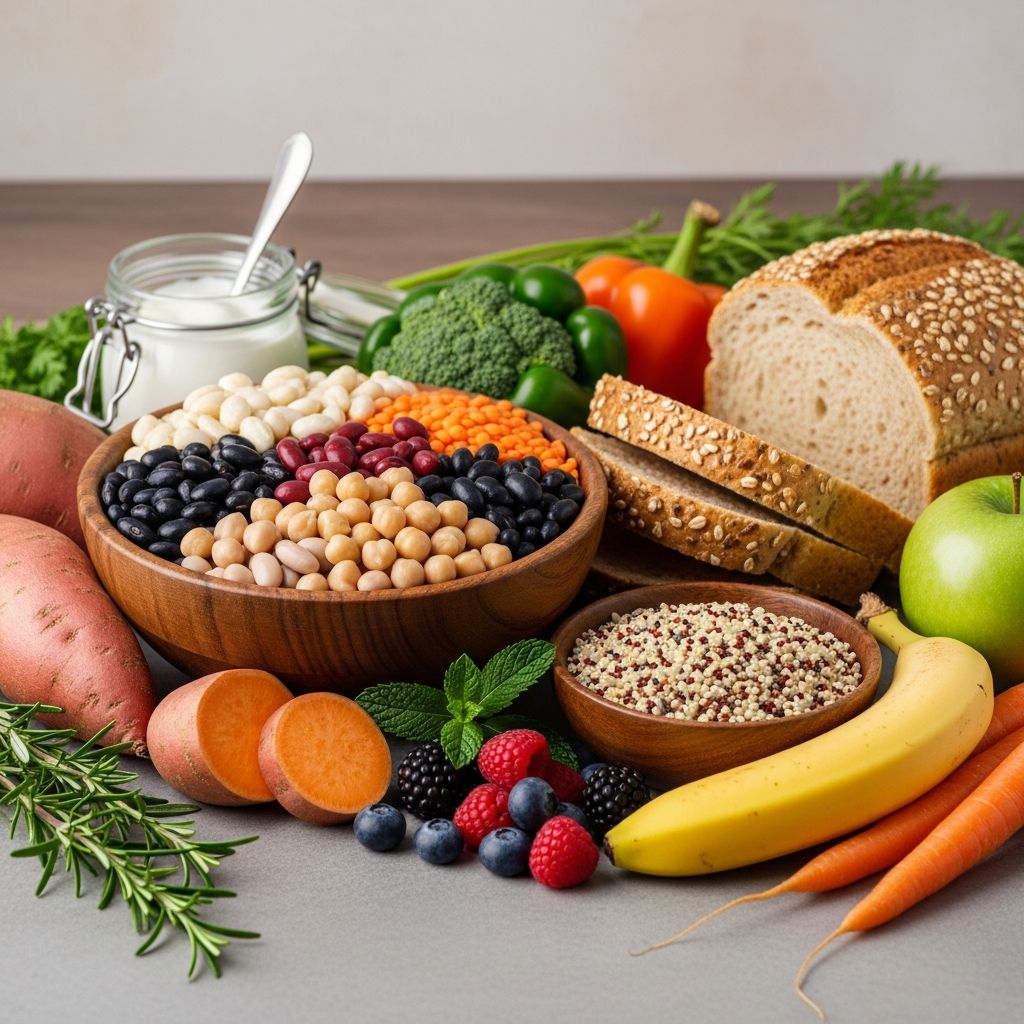
Whole grains top the list of best carbs for gut health because they retain their bran, germ, and endosperm, packing in fiber, B vitamins, and prebiotics. Unlike refined grains stripped of nutrients, whole grains ferment slowly, producing SCFAs that lower colon cancer risk and improve bowel habits.
- Oats: Beta-glucan fiber in oats forms a protective gut barrier and boosts Bifidobacteria. Start your day with overnight oats topped with nuts for 5-10g fiber per serving.
- Barley: Rich in beta-glucan and arabinoxylans, barley reduces inflammation. Try barley risotto or soups.
- Quinoa: A pseudo-grain with all essential amino acids and 5g fiber per cooked cup. Gluten-free and versatile for salads.
- Brown Rice: Higher fiber than white rice (3.5g per cup), supports butyrate production.
- Whole Wheat Products: Choose bread with intact grains; aim for 3g fiber per slice.
Incorporate 3-5 servings weekly. A study-linked insight shows 5g extra daily fiber from grains cuts chronic disease risk.
Related Stories



2. Legumes: Protein-Packed Prebiotic Powerhouses
Beans, lentils, chickpeas, and peas are superstar carbs, offering 7-15g fiber per half-cup alongside plant protein. Their galacto-oligosaccharides (GOS) selectively feed good bacteria like Lactobacillus, enhancing immunity.
- Lentils: Red, green, or black—15g fiber per cup cooked. Slow digestion prevents spikes.
- Black Beans: Antioxidants plus fiber for anti-inflammatory effects.
- Chickpeas: Hummus base; 12g fiber per cup. Roast for snacks.
- Kidney Beans: Resistant starch increases when cooled after cooking.
Tip: Soak and cook thoroughly to minimize bloating. Legumes align with Dietary Guidelines, making up 45-65% of calories from quality sources.
3. Fruits: Sweetness with Soluble Fiber Benefits
Whole fruits deliver fructose bundled with pectin and polyphenols, far superior to juices. They promote microbial diversity and regularity without excess calories.
- Apples: Pectin feeds Akkermansia muciniphila, a mucus-layer protector.
- Bananas (Slightly Green): Resistant starch converts to fuel for butyrate-producers.
- Berries (Blueberries, Raspberries): 8g fiber per cup; low sugar, high antioxidants.
- Kiwifruit: Actinidin enzyme aids digestion; 5g fiber per fruit.
- Pears: 6g fiber, gentle on sensitive guts.
Aim for 2-3 pieces daily, with skin where possible. Whole fruits’ fiber supports satiety and gut health.
4. Vegetables: Low-Calorie, High-Fiber Heroes
Non-starchy veggies provide bulk fiber with minimal carbs, ideal for volume eating. They alkalize the gut and supply inulin-type fructans.
- Artichokes: Top inulin source; prebiotic champion.
- Brussels Sprouts: Sulforaphane for detox; 4g fiber per cup.
- Broccoli: Glucosinolates fight inflammation.
- Sweet Potatoes: Resistant starch when cooled; beta-carotene bonus.
- Carrots: Cooked for better beta-carotene absorption.
Target 5+ cups daily. Slow digestion from veggies like spinach or kale sustains energy without spikes.
5. Nuts and Seeds: Crunchy Fiber Boosters
Though calorie-dense, nuts/seeds offer 2-10g fiber per ounce with healthy fats that slow carb absorption.
- Chia Seeds: 10g fiber/Tbsp; gels for constipation relief.
- Flaxseeds: Lignans and omega-3s; grind for bioavailability.
- Almonds: 3.5g/oz; prebiotic effects.
Portion 1-2 oz daily to avoid excess calories.
How to Incorporate Gut-Healthy Carbs Daily
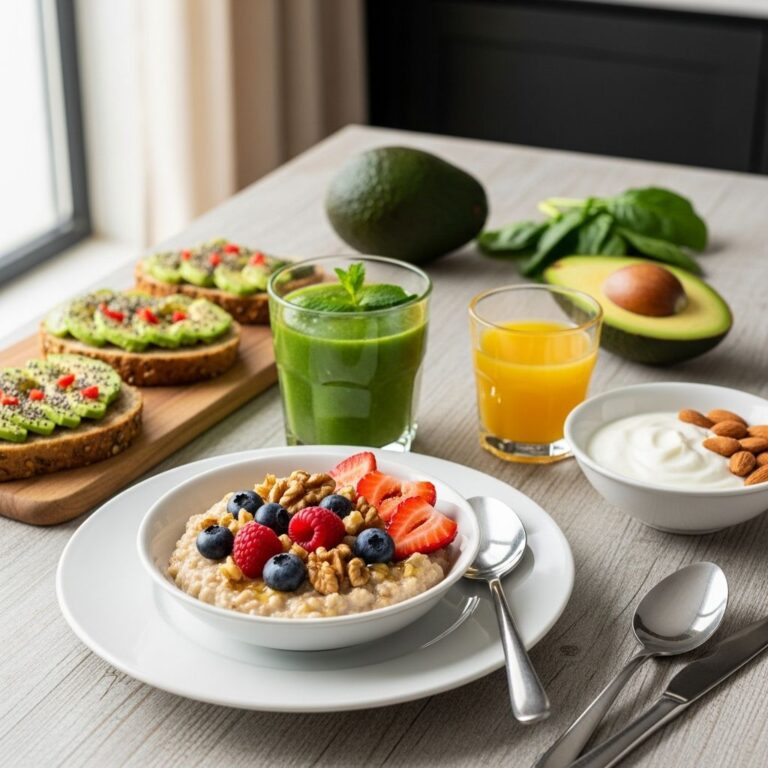
Build meals around these carbs: breakfast oats with berries, lentil soup lunch, quinoa veggie stir-fry dinner. Combine with fats/proteins for balanced glucose response. Gradually increase fiber (25-38g/day) with water to prevent discomfort. Track via apps for diversity—aim for 30+ plant foods weekly.
| Meal | Gut-Healthy Carb Example | Fiber (g) |
|---|---|---|
| Breakfast | Oatmeal + Apple | 10 |
| Lunch | Chickpea Salad | 12 |
| Dinner | Brown Rice + Broccoli | 8 |
| Snack | Chia Pudding + Berries | 9 |
Common Myths About Carbs and Gut Health
- Myth: All carbs are bad. Quality matters—fiber-rich win.
- Myth: Low-carb is best for gut. Diversity requires plant carbs.
- Myth: Fiber causes bloating forever. Body adapts; start slow.
Frequently Asked Questions (FAQs)
What are the best carbs for gut health?
Whole grains (oats, barley), legumes (lentils, beans), fruits (apples, berries), vegetables (artichokes, broccoli), and nuts/seeds top the list due to their prebiotic fibers.
How much fiber do I need for a healthy gut?
Women: 25g/day; men: 38g/day. Increase gradually.
Can carbs improve digestion?
Yes, soluble fibers soften stool; insoluble adds bulk for regularity.
Are oats good for IBS?
Often yes, low-FODMAP when plain; consult a doctor.
Do green bananas help gut bacteria?
Absolutely—high resistant starch feeds beneficial microbes.
Embracing these carbs fosters a resilient microbiome, key to long-term health. Consult professionals for personalized advice.
References
- Which carbs boost energy, support your gut, and reduce overeating — Professor Tim Spector via YouTube. 2023. https://www.youtube.com/watch?v=e095g3GziAo
- Carbohydrates: How carbs fit into a healthy diet — Mayo Clinic Staff. 2023-05-10. https://www.mayoclinic.org/healthy-lifestyle/nutrition-and-healthy-eating/in-depth/carbohydrates/art-20045705
Similar Articles








Read full bio of medha deb