Best Carbs For More Energy: 5 Complex Sources To Fuel Your Day
Discover the best carbohydrates that provide sustained energy, prevent crashes, and support overall health through expert-backed choices.
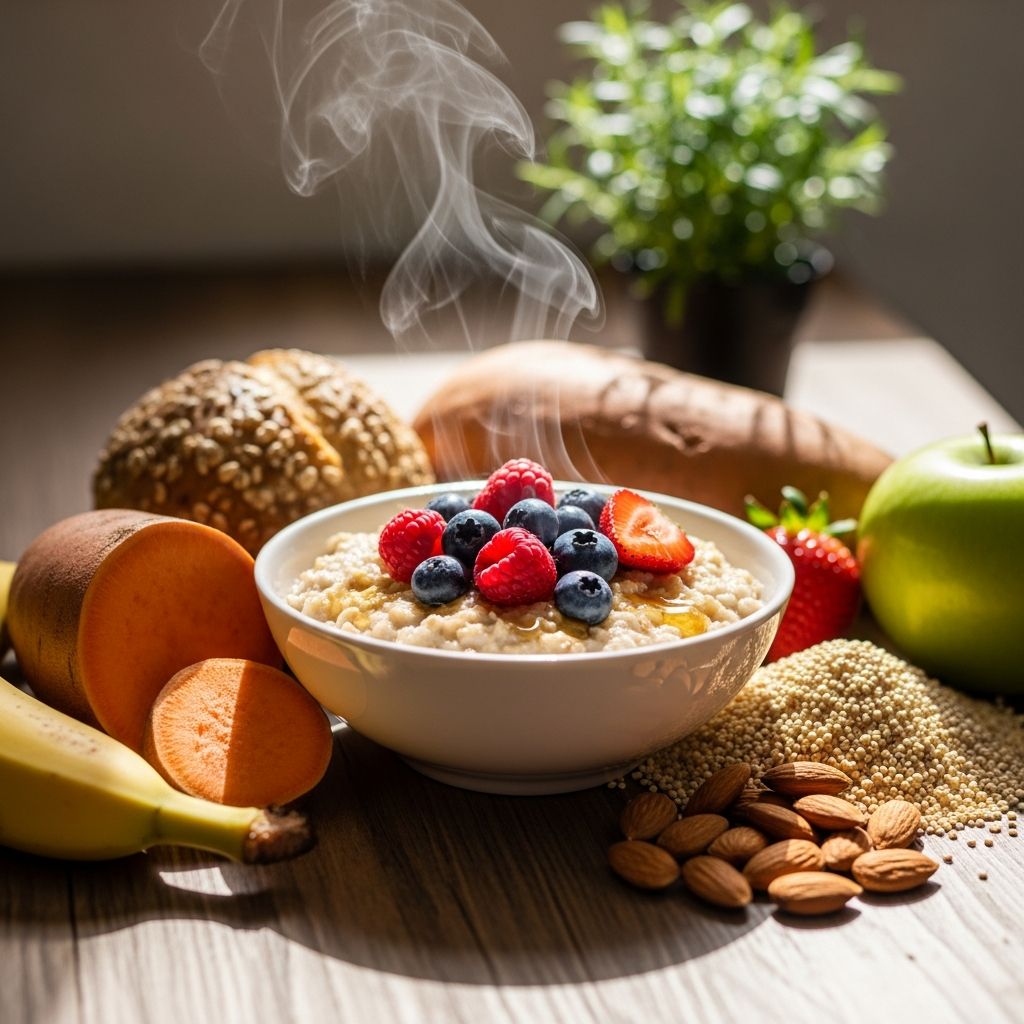
Carbohydrates are your body’s primary fuel source, breaking down into glucose to power daily activities, brain function, and physical performance. Choosing the right carbs—those that are complex, fiber-rich, and paired wisely—can provide steady energy without the crashes associated with simple sugars. This guide covers the best carbohydrates for sustained vitality, drawing from authoritative health sources like the Mayo Clinic and CDC.
What Are the Best Carbs for Energy?
The
best carbs for energy
are complex carbohydrates, which digest slowly due to their fiber content and molecular structure, releasing glucose gradually into the bloodstream. Unlike simple carbs that cause rapid spikes and dips, complex carbs maintain stable blood sugar levels, supporting prolonged energy. Health experts recommend prioritizing whole grains, starchy vegetables, legumes, and fruits for optimal results.Carbohydrates provide about 4 calories per gram and should comprise 45-65% of daily calories, or 225-325 grams on a 2,000-calorie diet, according to Dietary Guidelines cited by Mayo Clinic. At minimum, 130 grams daily fuels basic brain function. Pairing carbs with protein, fats, or fiber further stabilizes energy by slowing digestion.
Why Complex Carbs Beat Simple Carbs for Energy
Simple carbohydrates, like sugary snacks or refined grains, offer quick energy but often lead to fatigue 2-4 hours later due to blood sugar crashes. Complex carbs, with longer chains of sugar molecules and higher fiber, take longer to break down, providing a steady energy supply. Cleveland Clinic emphasizes that complex carbs from fruits, vegetables, and whole grains are less likely to spike blood sugar.
Fiber, an indigestible carb component, slows sugar absorption, preventing energy dips. Adults need 25-30 grams of fiber daily, yet most consume half that amount. Starchy foods like potatoes with skins or wholegrain bread also deliver B vitamins, iron, and calcium alongside energy, as noted by the NHS.
1. Starchy Vegetables
Starchy vegetables are powerhouse complex carbs, rich in fiber, vitamins, and resistant starch that supports gut health and steady energy. They include potatoes, sweet potatoes, corn, peas, and winter squash.
- Sweet potatoes: Packed with fiber and beta-carotene, one medium sweet potato provides sustained energy and stabilizes blood sugar.
- Butternut squash and corn: High in complex carbs and fiber, these veggies release energy slowly.
- Potatoes (with skin): NHS highlights potatoes as low-calorie energy sources with fiber that promotes fullness and bowel health.
Incorporate them baked, roasted, or mashed without added sugars for maximum benefits. CDC recommends starchy veggies for diabetes management due to their minimal blood sugar impact.
2. Whole Grains
Whole grains retain their bran and germ, offering fiber, B vitamins, and minerals for lasting energy. Examples include oats, quinoa, brown rice, and barley.
- Oats: Beta-glucan fiber slows digestion, providing hours of steady fuel ideal for breakfast.
- Brown rice and quinoa: Nutrient-dense alternatives to white rice, with NHS praising their low-fat, high-value profile.
- Barley and bulgur wheat: Versatile grains that support cholesterol reduction and satiety.
Harvard Nutrition Source suggests starting days with whole grains and using them in sandwiches for consistent energy. Aim for wholegrain over refined to avoid energy crashes.
Related Stories



3. Legumes
Beans, lentils, chickpeas, and peas combine complex carbs, fiber, and protein, making them ideal for prolonged energy without spikes.
- Lentils: High in folate and iron, they fuel muscles and prevent fatigue.
- Black beans and chickpeas: Pair perfectly with rice for complete protein and stable blood sugar.
- Green peas: Fiber-rich and versatile in salads or soups.
Legumes’ dual role in carb and protein provision slows energy release, as ZOE notes.
4. Fruits
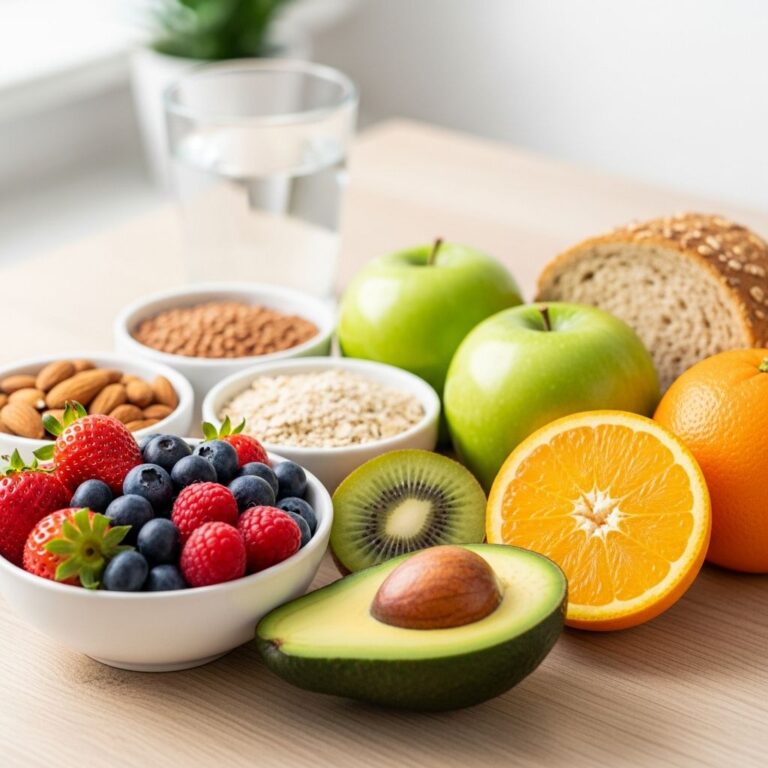
Whole fruits offer fructose with fiber, vitamins, and water for balanced energy. Focus on berries, apples, and bananas over juices.
- Apples and berries: Pectin fiber moderates sugar release; polyphenols in blueberries support gut health.
- Bananas: Potassium-rich for muscle energy during activity.
- Oranges: Hydrating with steady carbs.
Mayo Clinic advises whole fruits over juices to retain fiber benefits.
5. Dairy and Alternatives
Yogurt, milk, and kefir provide lactose (a carb) paired with protein and calcium for sustained release.
- Greek yogurt: Thick texture and probiotics enhance energy and gut function.
- Milk: Natural sugars with casein protein for steady fuel.
Opt for unsweetened, low-fat varieties.
How to Pair Carbs for Optimal Energy
Combining carbs with protein, healthy fats, or fiber prevents crashes. ZOE recommends snacks like apple with almond butter or oats with nuts.
| Carb Base | Pairing | Energy Benefit |
|---|---|---|
| Whole grain toast | Avocado + egg | Slow digestion, fullness |
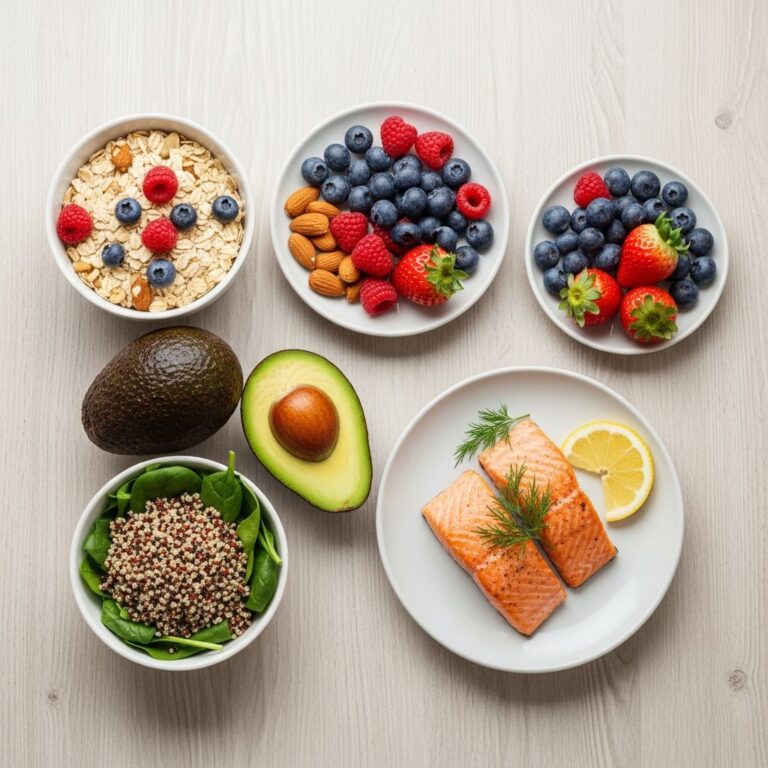
| Oatmeal | Nuts + berries | Stable blood sugar |
| Sweet potato | Black beans | Protein-fiber synergy |
| Quinoa salad | Olive oil + feta | Fat-slowed release |
Healthy fats from avocados, nuts, seeds, and olive oil digest slowly, amplifying carb benefits. Protein from eggs, fish, or tofu extends satiety.
Sample Daily Meal Plan for Steady Energy
- Breakfast: Oatmeal with chia seeds, berries, and Greek yogurt.
- Lunch: Quinoa bowl with chickpeas, spinach, and olive oil dressing.
- Snack: Apple slices with almonds.
- Dinner: Baked sweet potato with salmon and broccoli.
- Evening: Yogurt with a handful of walnuts.
This plan emphasizes complex carbs (60%), balanced with proteins and fats for all-day energy.
Frequently Asked Questions (FAQs)
What are complex carbs?
Complex carbs contain longer sugar chains and fiber, digesting slowly for sustained energy. Examples: whole grains, legumes, starchy veggies.
How many carbs do I need daily for energy?
At least 130g for brain fuel; ideally 45-65% of calories (225-325g on 2,000 calories).
Do all carbs give energy crashes?
No—simple carbs do; complex ones with fiber/protein/fat do not.
Are starchy veggies fattening?
No, gram-for-gram they have half fat’s calories and aid weight management with fiber.
Can fruits boost energy?
Yes, whole fruits’ fiber tempers natural sugars for steady release.
Gut Health and Energy Connection
Gut-friendly foods like polyphenol-rich blueberries, onions, and fiber sources enhance nutrient absorption and energy. Limit ultra-processed foods low in fiber. A healthy gut microbiome optimizes carb metabolism for better vitality.
References
- What Foods Can Improve Your Energy Levels? — ZOE. 2023. https://zoe.com/learn/foods-that-give-you-energy
- Carbohydrates: How carbs fit into a healthy diet — Mayo Clinic. 2023-10-20. https://www.mayoclinic.org/healthy-lifestyle/nutrition-and-healthy-eating/in-depth/carbohydrates/art-20045705
- Starchy foods and carbohydrates — NHS. 2023. https://www.nhs.uk/live-well/eat-well/food-types/starchy-foods-and-carbohydrates/
- Choosing Healthy Carbs — CDC. 2024. https://www.cdc.gov/diabetes/healthy-eating/choosing-healthy-carbs.html
- Carbohydrates: What They Are, Function & Types — Cleveland Clinic. 2023-08-02. https://my.clevelandclinic.org/health/articles/15416-carbohydrates
- Carbohydrates — Harvard T.H. Chan School of Public Health. 2023. https://nutritionsource.hsph.harvard.edu/carbohydrates/
Similar Articles








Read full bio of Sneha Tete