Core Exercises For Older Adults: 4 Essential Moves For Balance
Strengthen your core safely with proven exercises designed for older adults.
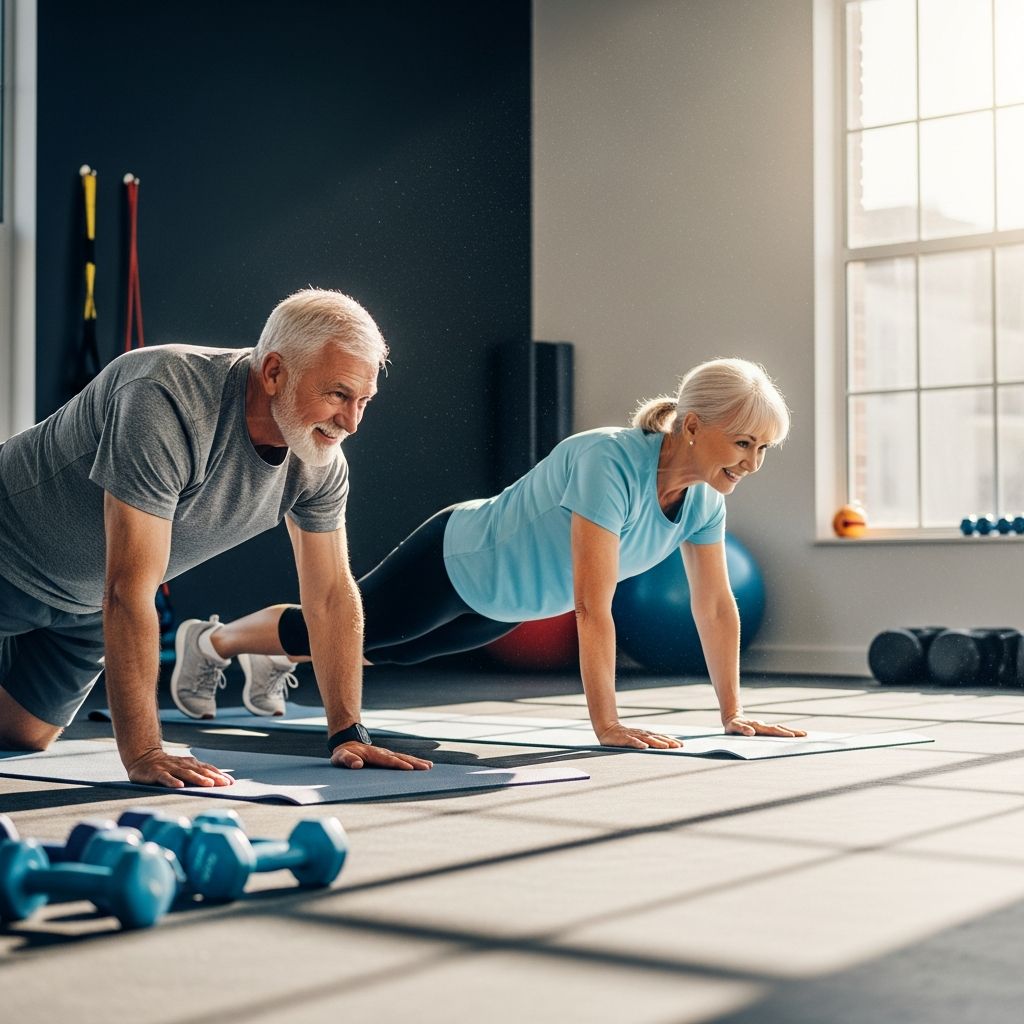
As we age, maintaining core strength becomes increasingly important for overall health, independence, and quality of life. The core muscles—which include your abdominals, back muscles, hips, pelvis, and glutes—are essential for daily activities like walking, standing, bending, and lifting. Many older adults neglect core training, often relying on outdated exercises like sit-ups and crunches that can be uncomfortable or ineffective. However, modern research has identified targeted, functional exercises that are safer and more beneficial for aging bodies.
Core strength is particularly crucial for older adults because it directly impacts balance, posture, and fall prevention. Falls are a leading cause of injury-related deaths among seniors, and a strong core can significantly reduce this risk. Additionally, a well-conditioned core helps alleviate chronic back pain, improves mobility, and supports better posture throughout the day. The good news is that you don’t need expensive equipment or a gym membership to develop core strength—many of the most effective exercises can be performed at home using only your body weight.
Why Core Strength Matters for Aging
Core stability is the foundation of all movement. Unlike isolated abdominal muscles, true core strength involves the coordinated activation of multiple muscle groups that work together to support your spine and maintain balance. For older adults, this integrated approach to core training is far more relevant than traditional crunches, which only target the superficial abdominal muscles.
Research shows that core strength directly correlates with fall prevention, reduced risk of injury, and improved functional independence. When your core muscles are strong, you maintain better posture, move more efficiently, and have greater stability when navigating uneven surfaces or unexpected challenges in your environment. Furthermore, a robust core reduces stress on your lower back, helping to prevent or manage chronic back pain that affects many seniors.
Beyond the physical benefits, maintaining core strength helps older adults preserve their independence and confidence in performing everyday tasks. Whether it’s reaching overhead, picking up groceries, or simply sitting comfortably for extended periods, core strength plays a vital role in quality of life.
The Bridge Exercise
The bridge is one of the most fundamental and effective core exercises for older adults. This exercise activates the glutes, lower back, hips, and abdominal muscles simultaneously, making it exceptionally efficient for building functional strength.
How to Perform the Bridge:
- Lie on your back with your knees bent and feet flat on the floor, positioned hip-width apart
- Place your hands on the bed or floor beside you for support
- Press through your heels and squeeze your glute muscles as you lift your hips toward the ceiling
- Hold the elevated position for 3-5 seconds while maintaining steady breathing
- Lower your hips back down slowly and with control
- Rest briefly and repeat for 10-12 repetitions
Tips for Success: Focus on squeezing your glute muscles rather than straining your lower back. Keep your core engaged throughout the movement. If you need additional stability, place your hands on a chair or bed for support. Perform the bridge 2-3 times per week for optimal results.
Modifications: Beginners can perform the bridge on a bed or with reduced range of motion. For those seeking greater challenge, you can extend one leg while holding the bridge position, or perform the movement more slowly to increase time under tension.
The Plank Exercise
The plank is a comprehensive core exercise that builds strength throughout your entire midsection, including your abdominals, back extensors, shoulders, and hip stabilizers. It’s also excellent for improving posture and spinal stability.
Related Stories



How to Perform the Plank:
- Start on your hands and knees on a mat or bed
- Position your hands directly under your shoulders with wrists straight
- Keep your knees on the ground for the modified plank variation
- Engage your core by tightening your abdominal muscles
- Maintain a straight line from your head to your knees
- Hold this position for 15-30 seconds, breathing steadily
- Rest and repeat for 2-3 sets
Common Mistakes to Avoid: Don’t allow your hips to sag toward the floor or pike upward. Keep your head in a neutral position, looking slightly ahead. Avoid holding your breath; maintain steady, comfortable breathing throughout the exercise.
Progression Options: Begin with the modified plank on your knees, holding for as long as comfortable. As you build strength, progress to a full plank on your toes. For additional challenge, you can lift one foot slightly off the ground while maintaining the plank position.
Alternating Arm and Leg Raises
This dynamic exercise strengthens your core while improving balance and coordination. It engages your abdominals, glutes, lower back, and stabilizer muscles throughout your body.
How to Perform Alternating Arm and Leg Raises:
- Start on your hands and knees with hands directly under shoulders and knees under hips
- Keep your spine neutral and core engaged
- Extend your right arm forward and left leg backward simultaneously
- Hold this position for 2-3 seconds while maintaining balance
- Return to the starting position with control
- Repeat on the opposite side (left arm forward, right leg back)
- Complete 10 repetitions per side for 2-3 sets
Form Tips: Think about lengthening your torso by reaching your extended arm and leg in opposite directions. Keep your hips and shoulders level—don’t allow them to rotate or shift. Move slowly and deliberately rather than rushing through repetitions.
Difficulty Levels: Beginners can perform this exercise with just arm or leg extensions individually. For intermediate practitioners, extend arm and leg on the same side. Advanced exercisers can perform the diagonal pattern, extending limbs to create a clock-like movement.
Squats with Knee Lift and Rotation
This compound movement targets your quadriceps, glutes, core, and obliques while improving functional strength for real-world activities like getting up from a chair or climbing stairs.
Proper Technique:
- Stand with feet hip-width apart and hands at your chest or sides
- Lower your body into a squat position by bending your knees and hinging at the hips
- As you rise from the squat, lift your right knee toward chest level
- Rotate your torso toward the raised leg
- Return to standing and repeat on the opposite side
- Complete 10 repetitions per side
Important Considerations: Keep your chest upright and core engaged. Your knees should track over your toes throughout the movement. Move through the full range of motion without rushing. This exercise is considered moderate to high intensity, so progress gradually.
The Importance of Proper Form and Progression
When beginning a core strengthening program, proper form is more important than quantity or intensity. Performing exercises with correct technique not only maximizes results but also prevents injury and ensures you’re targeting the intended muscle groups effectively.
It’s recommended to start with 1-2 sets of 8-10 repetitions and gradually increase volume as your strength improves. Most older adults should perform core exercises 2-3 times per week with at least one rest day between sessions to allow for recovery.
Listen to your body and progress at your own pace. If an exercise feels uncomfortable or causes pain, modify the movement or consult with a healthcare provider before continuing. Remember that consistency matters more than intensity—regular practice with moderate effort will yield better results than sporadic intense workouts.
Building Your Core Exercise Routine
An effective core routine for older adults should include exercises that target multiple muscle groups and promote functional strength. A sample routine might include:
- Bridge exercise: 2 sets of 10-12 repetitions
- Modified plank: 2 sets of 15-30 second holds
- Alternating arm and leg raises: 2 sets of 10 per side
- Squats with knee lift: 2 sets of 10 per side
Perform this routine 2-3 times per week with at least one rest day between sessions. As your fitness improves, gradually increase the number of repetitions, duration of holds, or difficulty variations.
Safety Considerations and Medical Clearance
Before beginning any new exercise program, consult with your healthcare provider, particularly if you have existing health conditions, joint problems, or have been sedentary. Your doctor can provide personalized recommendations based on your individual health status.
During exercise, stop immediately if you experience sharp pain, dizziness, or shortness of breath. It’s normal to feel muscle fatigue, but pain is a warning signal to modify or stop the exercise.
Maintain proper breathing throughout all exercises—never hold your breath. Exhale during the exertion phase and inhale during the rest phase. This helps maintain oxygen flow and prevents unnecessary pressure buildup.
Frequently Asked Questions
Q: How long does it take to see results from core exercises?
A: Most older adults begin noticing improvements in balance, posture, and daily function within 4-6 weeks of consistent practice. More significant strength gains typically develop over 8-12 weeks of regular training.
Q: Can I do core exercises every day?
A: While core exercises can be performed more frequently than other strength training, most experts recommend 2-3 sessions per week with rest days in between to allow muscle recovery and adaptation.
Q: Do I need any equipment to perform these exercises?
A: No. All the recommended core exercises for older adults can be performed using only your body weight. You can do them on a bed, mat, or carpet without special equipment.
Q: What should I do if an exercise causes pain?
A: Stop the exercise immediately and consult with your healthcare provider or a certified fitness professional. They can provide modifications or alternative exercises that accommodate your specific needs.
Q: Can core exercises help with back pain?
A: Yes. A strong core provides better support for your spine and can help alleviate chronic lower back pain in many cases. However, if you have existing back problems, work with a healthcare provider to ensure exercises are appropriate.
Q: How important is core strength for fall prevention?
A: Very important. Core strength directly improves balance and stability, which are critical factors in preventing falls—a leading cause of injury in older adults.
References
- Core Exercises: Harvard Medical School Special Health Report — Harvard Medical School Publishing. 2023. https://www.health.harvard.edu/staying-healthy/the-best-core-exercises-for-older-adults
- Exercise and Physical Activity for Older Adults — National Institute on Aging, National Institutes of Health. 2024. https://www.nia.nih.gov/health/exercise-physical-activity
- Falls and Fall Prevention — Centers for Disease Control and Prevention. 2024. https://www.cdc.gov/falls/index.html
- The Role of Core Stability in Functional Movement and Athletic Performance — Journal of Physical Activity and Health. 2023. https://pubmed.ncbi.nlm.nih.gov/
Similar Articles








Read full bio of Sneha Tete