Best Dessert for Weight Loss, According to a Dietitian
Discover the top dietitian-recommended dessert that supports weight loss without sacrificing flavor or satisfaction.
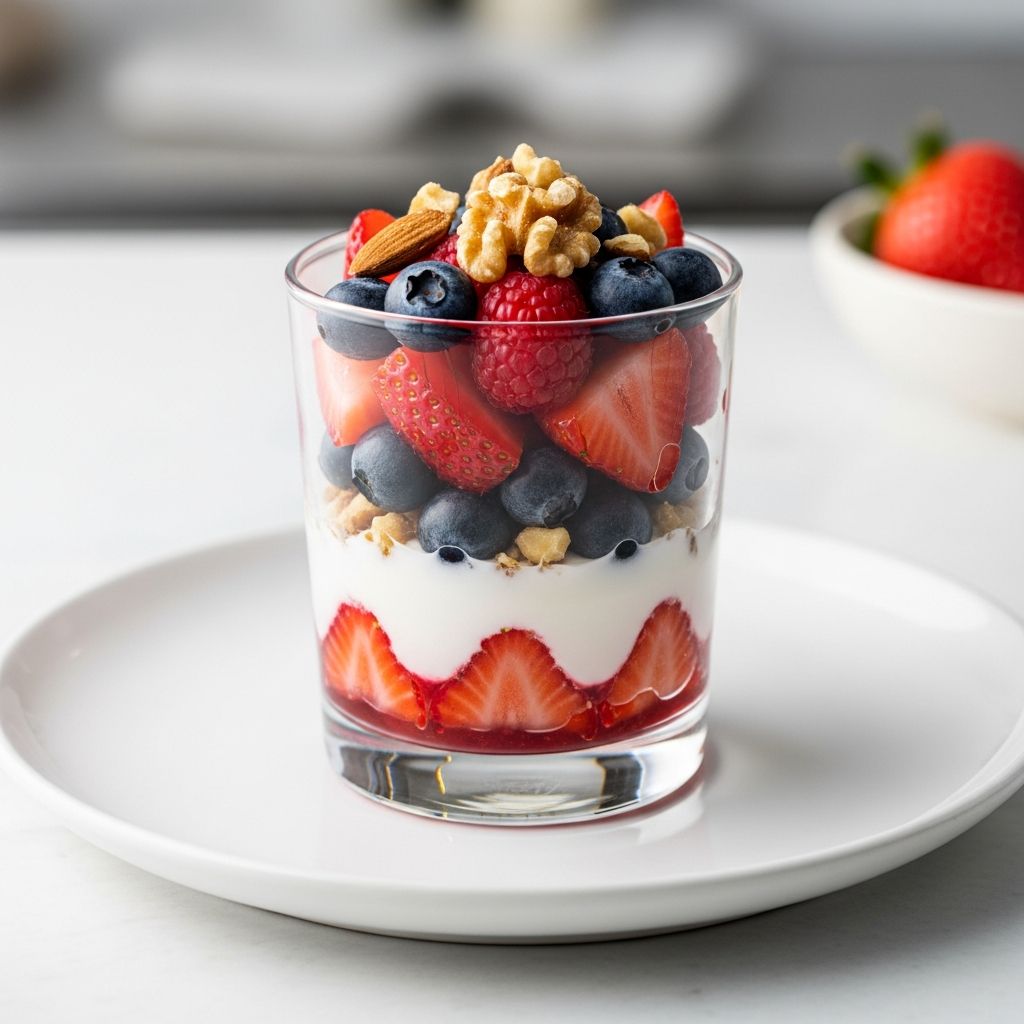
Craving something sweet while trying to lose weight? You’re not alone. The good news is that dessert doesn’t have to derail your progress. According to Toby Amidor, MS, RD, CDN, a registered dietitian and author of Toby’s Menu Makeover, the best dessert for weight loss is fresh fruit.
Why Fresh Fruit Tops the List for Weight Loss Desserts
Fresh fruit stands out among all dessert options because it perfectly balances natural sweetness, essential nutrients, and low calorie density. Unlike processed sweets loaded with added sugars and unhealthy fats, fruit delivers satisfaction without the empty calories that contribute to weight gain.
Amidor explains, “Fresh fruit is naturally sweet and provides vitamins, minerals, fiber and antioxidants, all while being low in calories.” This combination makes it ideal for weight management. A medium apple, for example, contains just 95 calories but 4.4 grams of fiber that promotes fullness.
- Low Calorie Density: Fruit is 80-90% water, allowing you to eat larger portions for fewer calories than cookies or cake.
- High Fiber Content: Soluble fiber slows digestion, stabilizing blood sugar and reducing cravings.
- Nutrient Powerhouse: Packed with vitamins C, K, potassium, and phytonutrients that support overall health.
- Natural Sweetness: Fructose satisfies sweet tooth without blood sugar spikes from refined sugar.
How Fresh Fruit Aids Weight Loss: The Science
Research consistently shows fruit consumption correlates with better weight outcomes. A 2019 meta-analysis in Critical Reviews in Food Science and Nutrition found that higher fruit intake is associated with lower body weight and reduced obesity risk.
The fiber in fruit creates a gel-like substance in the gut that delays gastric emptying, keeping you fuller longer. This reduces overall calorie intake throughout the day. Berries, in particular, shine here—raspberries pack 8 grams of fiber per cup at just 64 calories.
| Fruit | Calories | Fiber (g) | Sugar (g) | Key Nutrients |
|---|---|---|---|---|
| Raspberries (1 cup) | 64 | 8 | 2.7 | Vitamin C, manganese |
| Blackberries (1 cup) | 62 | 7.6 | 4.9 | Vitamin K, fiber |
| Strawberries (1 cup) | 49 | 3 | 7.4 | Vitamin C, folate |
| Apple (medium) | 95 | 4.4 | 18.9 | Pectin, quercetin |
| Watermelon (1 cup) | 46 | 0.6 | 9.4 | Hydration, lycopene |
Why Other Popular Desserts Fall Short
While ice cream, chocolate, and yogurt parfaits tempt us, they don’t match fruit’s weight-loss benefits:
Ice Cream
A half-cup serving averages 200+ calories, mostly from cream and sugar. Even “light” versions add unnecessary calories without nutritional density.
Chocolate
Dark chocolate offers antioxidants, but it’s calorie-dense (170 calories/oz). Portion control is challenging, leading to overconsumption.
Yogurt Parfaits
Store-bought versions often hide 20+ grams of added sugar per serving, negating probiotic benefits.
Fresh fruit avoids these pitfalls entirely while delivering superior satiety.
Delicious Ways to Enjoy Fruit as Dessert
Elevate fruit beyond plain eating with these dietitian-approved preparations:
- Berry Medley with Citrus Zest: Mix strawberries, blueberries, and raspberries. Top with lemon zest and a sprinkle of fresh mint.
- Baked Cinnamon Apples: Core apples, fill with cinnamon and a touch of honey, bake until tender (under 120 calories).
- Frozen Grape “Popcorn”: Freeze red grapes for a candy-like crunch.
- Tropical Fruit Salad: Combine pineapple, mango, and kiwi with lime juice.
- Chilled Melon Soup: Blend cantaloupe with yogurt and ginger for a refreshing treat.
Related Stories



Fruit vs. Dried Fruit vs. Fruit Juice: Key Differences
- Fresh Fruit: Best choice—retained water content promotes fullness.
- Dried Fruit: Concentrated sugars (dates: 66g sugar/cup) make it easy to overeat calories.
- Fruit Juice: Lacks fiber, spikes blood sugar (8oz OJ: 26g sugar, minimal satiety).
Expert Tips for Successful Fruit Dessert Integration
“Eat fruit when you’re hungry, not when you’re bored. Pair it with protein or healthy fat for balanced blood sugar.” — Toby Amidor, MS, RD, CDN
- Choose whole fruit over processed forms
- Opt for lower-sugar fruits (berries > bananas > grapes)
- Practice mindful eating—savor each bite
- Pre-portion to prevent mindless munching
- Experiment with seasonal varieties for variety
Frequently Asked Questions (FAQs)
Is fruit really fattening because of natural sugars?
No. Fruit’s fiber matrix slows sugar absorption, preventing insulin spikes. Studies show fruit eaters have lower body weights than non-consumers.
What’s the best time to eat fruit for weight loss?
Anytime hunger strikes. Post-meal fruit can curb evening cravings better than processed desserts.
Can I eat fruit at night while dieting?
Absolutely. Low-calorie, high-fiber fruit won’t disrupt sleep or digestion like heavy desserts.
Are there fruits I should avoid when losing weight?
No fruit is “bad,” but prioritize lower-calorie options like berries over dried fruit or juice when calories count most.
How much fruit can I eat daily on a weight loss plan?
2-3 cups provides optimal fiber (25-30g) without excess calories. Listen to hunger cues.
Sample 3-Day Fruit Dessert Menu for Weight Loss
| Day | Dessert | Calories | Fiber (g) |
|---|---|---|---|
| Monday | Mixed berries with lemon zest | 85 | 6 |
| Tuesday | Baked cinnamon apple | 110 | 4.5 |
| Wednesday | Frozen grapes (1 cup) | 62 | 1 |
| Thursday | Watermelon with feta crumbles | 90 | 1 |
| Friday | Strawberry-chocolate dip (2 squares dark chocolate) | 140 | 3 |
| Saturday | Pineapple with coconut flakes (1 tsp) | 105 | 2.5 |
| Sunday | Baked pear with cinnamon | 100 | 5.5 |
The Bottom Line: Make Fruit Your Go-To Dessert
Fresh fruit earns its crown as the best weight loss dessert through proven science, unmatched nutrient density, and delicious versatility. By swapping traditional sweets for nature’s candy, you satisfy cravings while creating a sustainable calorie deficit. Start tonight—your taste buds and waistline will thank you.
References
- Higher fruits and vegetables consumption is associated with decreased risk of obesity — Allahyari S, et al. Critical Reviews in Food Science and Nutrition. 2019-03-06. https://pubmed.ncbi.nlm.nih.gov/30836712/
- Dietary Guidelines for Americans, 2020-2025 — U.S. Department of Agriculture and U.S. Department of Health and Human Services. 2020-12-01. https://www.dietaryguidelines.gov/sites/default/files/2020-12/Dietary_Guidelines_for_Americans_2020-2025.pdf
- Fruit Consumption and Risk of Type 2 Diabetes: Results from Three Prospective Longitudinal Cohort Studies — Muraki I, et al. BMJ. 2013-08-29. https://www.bmj.com/content/347/bmj.f5001
- Fiber intake predicts weight loss and dietary adherence in adults consuming calorie-restricted diets — Howarth NC, et al. Journal of Nutrition. 2008-10-01. https://pubmed.ncbi.nlm.nih.gov/18842765/
- National Health and Nutrition Examination Survey (NHANES) Fruit and Vegetable Data — Centers for Disease Control and Prevention. 2023-09-15. https://www.cdc.gov/nutrition/data-statistics/fruit-vegetable-consumption.html
Similar Articles








Read full bio of Sneha Tete