Best Dietitian-Approved Healthy Fats for Weight Loss
Discover top healthy fats recommended by dietitians to boost satiety, support metabolism, and promote sustainable weight loss.
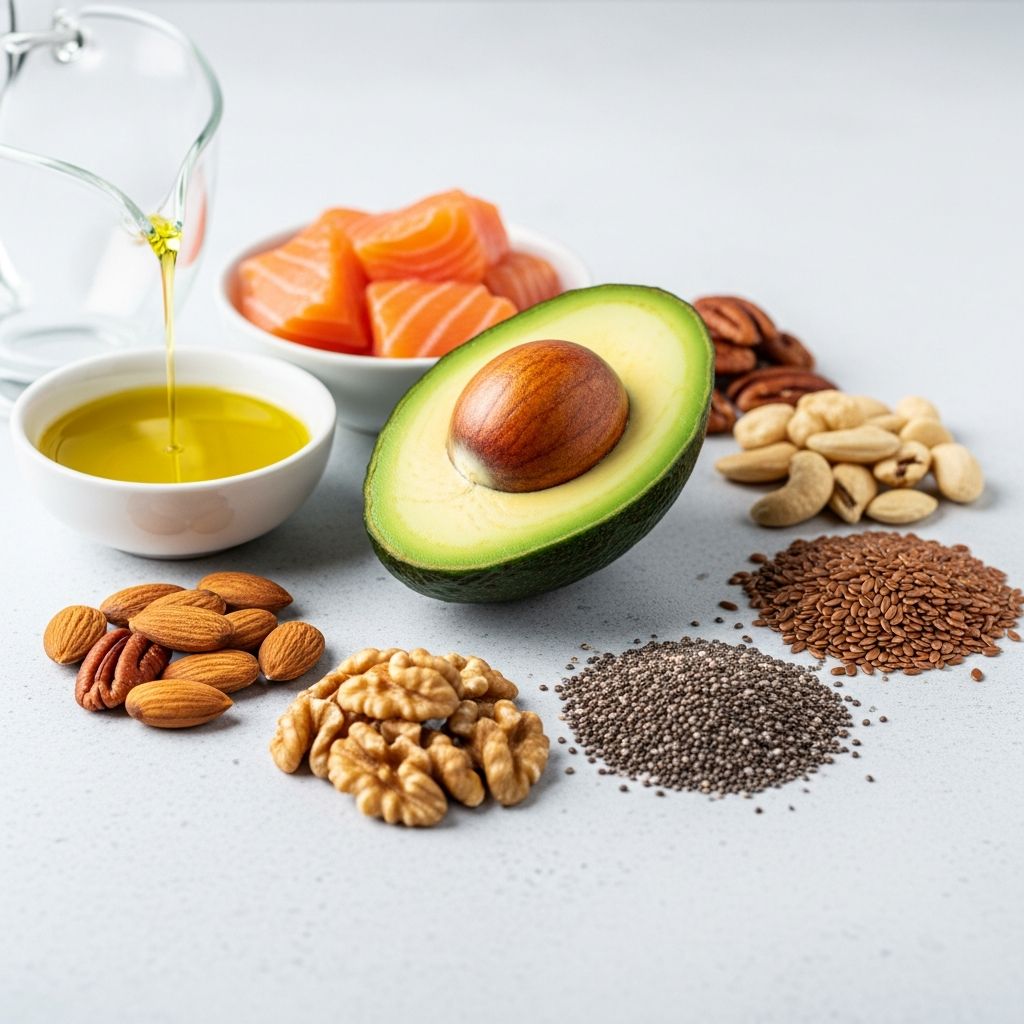
Healthy fats are essential for weight loss, providing sustained energy, promoting fullness, and supporting metabolic health without spiking calorie intake excessively. Dietitians recommend incorporating monounsaturated and polyunsaturated fats from sources like avocados, nuts, olive oil, and fatty fish, as they align with the Dietary Guidelines for Americans, which emphasize nutrient-dense foods over processed options. These fats help regulate hunger hormones, improve insulin sensitivity, and reduce inflammation, making them powerful allies in creating a calorie deficit for fat loss.
Unlike saturated and trans fats, which the CDC advises limiting to prevent chronic diseases, healthy fats enhance nutrient absorption and stabilize blood sugar levels. A balanced approach involves filling half your plate with vegetables and fruits, adding lean proteins, whole grains, and moderate healthy fats for optimal results. This article details the top dietitian picks, their benefits, and practical ways to include them daily.
Why Healthy Fats Support Weight Loss
Healthy fats contribute to weight management by increasing satiety through slower digestion and hormone regulation, such as ghrelin suppression. UC Davis Health guidelines highlight reducing overall fat while prioritizing quality sources like nuts and oils, paired with high-fiber foods. Studies show that replacing carbohydrates with healthy fats can enhance fat oxidation during exercise and improve body composition.
- Satiety boost: Fats slow gastric emptying, keeping you full longer and reducing overall calorie consumption.
- Metabolic benefits: Omega-3s from fatty fish lower inflammation, aiding fat loss.
- Nutrient synergy: Fats improve absorption of fat-soluble vitamins from vegetables.
Portion control remains key; limit fats to 20-35% of daily calories, using tools like food labels to track intake under 3g total fat per serving where possible.
1. Avocados
Avocados top the list of healthy fats for weight loss due to their rich monounsaturated fat content, fiber, and potassium. One medium avocado (about 150g) provides roughly 240 calories, 22g fat (mostly healthy), and 10g fiber, promoting fullness without blood sugar spikes. Dietitians note avocados’ creaminess satisfies cravings for unhealthy fats while supporting heart health.
Benefits include improved cholesterol profiles and reduced belly fat accumulation. Add sliced avocado to salads or toast for 1/4 to 1/2 serving per meal to keep calories in check.
- High in oleic acid, similar to olive oil, for anti-inflammatory effects.
- Fiber content rivals apples, aiding digestion and weight control.
- Versatile: Mash into guacamole or blend into smoothies.
2. Nuts and Seeds (Almonds, Walnuts, Chia Seeds, Pistachios)
Nuts and seeds offer a perfect portable snack for weight loss, combining protein, fiber, and healthy fats. A 1-ounce serving of almonds (23 nuts) has 160 calories, 14g fat, 6g protein, and 3g fiber, curbing hunger effectively. Walnuts provide omega-3 ALA, while chia seeds absorb water to form a gel that expands in the stomach for enhanced satiety.
Pistachios stand out for their lower calorie density and shelling requirement, which slows eating. The Dietary Guidelines endorse nuts as part of protein foods for their heart-protective effects. Limit to 1-2 ounces daily to avoid excess calories.
Related Stories



| Nut/Seed | Serving Size | Calories | Key Benefit |
|---|---|---|---|
| Almonds | 1 oz (23 nuts) | 160 | Vitamin E for skin health |
| Walnuts | 1 oz (14 halves) | 185 | Omega-3s for brain health |
| Chia Seeds | 1 oz (2 tbsp) | 140 | High fiber for digestion |
| Pistachios | 1 oz (49 kernels) | 160 | Antioxidants for metabolism |
3. Extra-Virgin Olive Oil
Extra-virgin olive oil (EVOO) is a Mediterranean diet staple, rich in monounsaturated fats and polyphenols that combat oxidative stress. Use 1-2 teaspoons for cooking or dressings; it has 120 calories per tablespoon but enhances flavor, reducing the need for excess salt or sugar.
Research links EVOO to better adherence to calorie-restricted diets due to its satisfying taste. Drizzle on vegetables or use in vinaigrettes, aligning with low-fat cooking methods like grilling or steaming.
- Anti-inflammatory properties support long-term weight maintenance.
- Improves HDL cholesterol while lowering LDL.
- Choose cold-pressed for maximum antioxidants.
4. Fatty Fish (Salmon, Mackerel, Sardines)
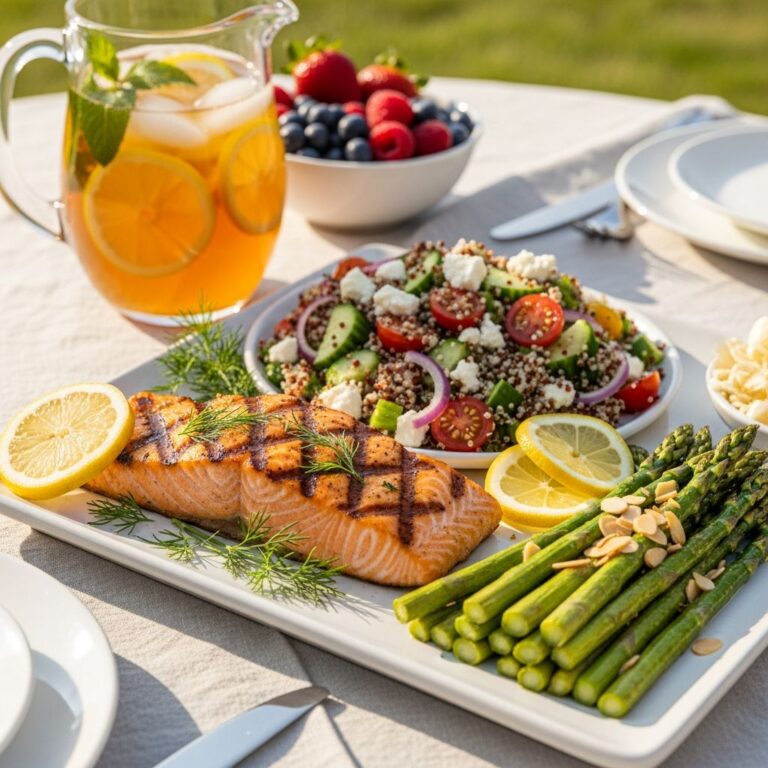
Fatty fish deliver EPA and DHA omega-3s, which reduce hunger and boost fat-burning. A 3-ounce salmon serving offers 150-200 calories, 10g fat, and 20g protein, making it ideal for balanced plates. Aim for 2 servings weekly per CDC recommendations.
Bake or grill to drain excess fat, pairing with whole grains and veggies for a complete meal. These fats also protect against heart disease, a key consideration for sustainable weight loss.
5. Other Stars: Dark Chocolate and Full-Fat Greek Yogurt
Dark chocolate (70%+ cocoa) provides fats with flavonoids that regulate appetite; limit to 1 ounce (150 calories) for a treat. Full-fat Greek yogurt offers probiotics and fats for gut health, superior to low-fat versions for satiety—choose plain, 5-10g fat per serving.
How to Incorporate Healthy Fats into Your Meals
Build balanced plates: half veggies/fruits, quarter protein, quarter whole grains, with fats as accents. Sample day:
- Breakfast: Chia pudding with berries and almonds.
- Lunch: Salad with avocado, olive oil dressing, grilled chicken.
- Dinner: Baked salmon, quinoa, roasted broccoli.
- Snack: Apple with pistachios or Greek yogurt.
Practice portion control: use hand measures (thumb for fats) and read labels to limit sugars under 5g and fats under 3g per serving. Prep meals to avoid fast food.
Frequently Asked Questions (FAQs)
What are the best healthy fats for weight loss?
Avocados, nuts, olive oil, fatty fish, and seeds like chia are top choices for their satiety and nutrient profile.
How much healthy fat should I eat daily for weight loss?
20-35% of calories from fats; about 1-2 tbsp oil or 1 oz nuts/seeds daily, adjusted for your needs.
Can healthy fats make me gain weight?
No, when portion-controlled; they prevent overeating by boosting fullness compared to carbs or sugars.
Are avocados and nuts better than low-fat options?
Yes, full-fat versions promote better adherence and hormone balance for weight loss.
How do I choose quality healthy fats?
Opt for extra-virgin oils, raw unsalted nuts, wild-caught fish, and check labels for minimal processing.
Integrating these fats sustains energy, curbs cravings, and fosters long-term habits. Consult a dietitian for personalized plans.
References
- Eating Well For Weight Loss: A Healthy Food Guide — Prima CARE. 2023. https://www.prima-care.com/blog/eating-well-for-weight-loss-a-healthy-food-guide
- Helpful Guidelines for Successful Weight Loss — UC Davis Health. 2006 (authoritative clinical guidelines). https://health.ucdavis.edu/transplant/PDFs/Helpful%20Guidelines%20for%20Successful%20Weight%20Loss.pdf
- Tips for Healthy Eating for a Healthy Weight — Centers for Disease Control and Prevention (CDC). 2025. https://www.cdc.gov/healthy-weight-growth/healthy-eating/index.html
- 10 Foods You Should Eat Every Week to Lose Weight | Dietitian Q&A — EatingWell (YouTube). 2023. https://www.youtube.com/watch?v=hTbIHTuznJ4
Similar Articles








Read full bio of medha deb