Best Diets For Women Over 50: 5 Top Plans Backed By Science
Discover the top evidence-based diets that support heart health, bone strength, weight management, and vitality for women over 50.
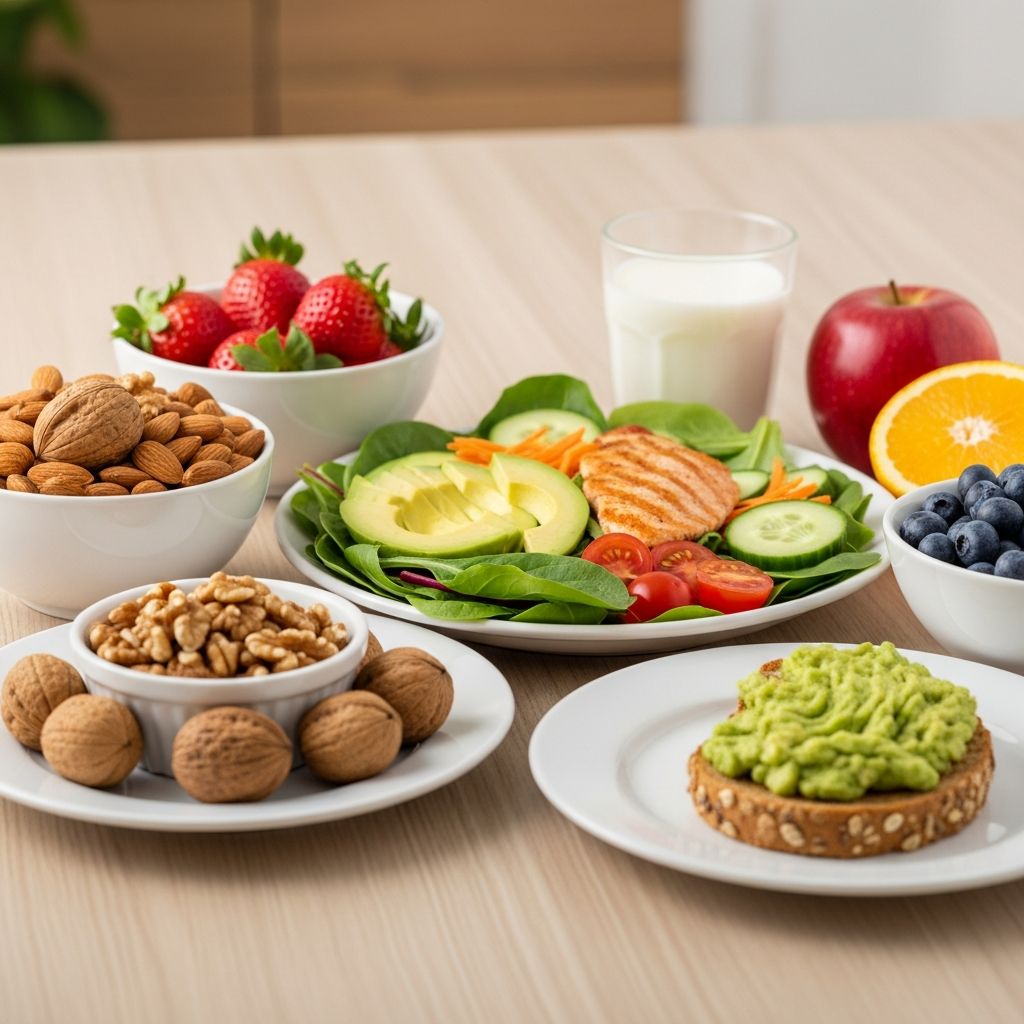
Women over 50 face unique nutritional needs due to hormonal changes, slower metabolism, and increased risks for osteoporosis, heart disease, and cognitive decline. The right diet can help maintain muscle mass, support bone health, manage weight, and boost energy levels. Drawing from established eating patterns like the Mediterranean diet, DASH diet, and others, this guide outlines the top diets backed by research for healthy aging.
Why Diet Matters More After 50
As women enter menopause, estrogen levels drop, leading to accelerated bone loss, muscle reduction, and potential weight gain around the midsection. Calorie needs decrease by about 200 daily, while protein requirements rise to preserve muscle—aim for 1-1.2 grams per kg of body weight. Key nutrients include calcium (1,200 mg/day), vitamin D (800-2,000 IU), magnesium, potassium, fiber, and omega-3s to combat inflammation and support heart and brain health.
Plant-forward diets rich in whole foods provide these essentials while reducing sodium, added sugars, and saturated fats. They lower risks of hypertension, diabetes, stroke, and certain cancers. No one-size-fits-all exists; choose based on preferences, health goals, and sustainability.
1. Mediterranean Diet
The
Mediterranean diet
tops rankings for women over 50, emphasizing plant-based foods, healthy fats, and moderate fish intake. Originating from Mediterranean regions, it prioritizes olive oil, nuts, seeds, fruits, vegetables, whole grains, legumes, and fatty fish like salmon, with limited red meat and sweets.Key Benefits:
- Reduces heart disease risk by improving cholesterol and blood pressure.
- Supports brain health and may prevent cognitive decline.
- Aids weight management through high fiber and healthy fats that promote satiety.
- Anti-inflammatory properties benefit joint health and menopause symptoms.
Sample Daily Meal Plan:
| Meal | Foods |
|---|---|
| Breakfast | Greek yogurt with berries, walnuts, and honey |
| Lunch | Quinoa salad with chickpeas, tomatoes, cucumber, feta, and olive oil dressing |
| Snack | Apple slices with almond butter |
| Dinner | Grilled salmon, roasted vegetables (zucchini, eggplant), and brown rice |
| Dessert | Fresh fruit or dark chocolate square |
Incorporate herbs like oregano and basil for flavor without sodium. Studies show adherence lowers LDL cholesterol and supports longevity.
2. DASH Diet (Dietary Approaches to Stop Hypertension)
The
DASH diet
, developed by the National Institutes of Health, targets blood pressure control through low-sodium (under 2,300 mg/day), nutrient-dense foods. It stresses fruits, vegetables, low-fat dairy, lean proteins, whole grains, nuts, and seeds while limiting sweets and red meats.Key Benefits:
- Lowers systolic blood pressure by 5-10 mmHg in weeks.
- Boosts intake of potassium, magnesium, and calcium for heart and bone health.
- Promotes steady blood sugar and diabetes prevention.
- Supports weight loss with portion control and filling foods.
Sample Daily Meal Plan:
| Meal | Foods |
|---|---|
| Breakfast | Oatmeal with bananas, low-fat milk, and chia seeds |
| Lunch | Turkey wrap with whole-grain tortilla, spinach, tomatoes, and mustard |
| Snack | Low-fat yogurt with strawberries |
| Dinner | Baked chicken, sweet potato, steamed broccoli, and side salad |
Related Stories



Focus on 4-5 servings of fruits/veggies daily. It’s flexible for vegetarians by swapping poultry for beans.
3. MIND Diet (Mediterranean-DASH Diet Intervention for Neurodegenerative Delay)
The
MIND diet
combines Mediterranean and DASH principles, prioritizing brain-boosting foods: leafy greens, berries, nuts, olive oil, whole grains, fish, poultry, beans, and wine (1 glass/day). Limit pastries, red meat, butter, cheese, and fried foods.Key Benefits:
- Slows cognitive decline by 7.5 years on average.
- Protects against Alzheimer’s with antioxidants from berries and greens.
- Enhances heart health and reduces stroke risk.
- High in fiber for gut health and regularity.
Sample Daily Meal Plan:
| Meal | Foods |
|---|---|
| Breakfast | Blueberry smoothie with spinach, kale, banana, and flaxseeds |
| Lunch | Whole-grain bread with hummus, greens, and berries on side |
| Snack | Handful of mixed nuts |
| Dinner | Baked trout, quinoa, kale salad with olive oil, and wine |
Research at Toronto Rehab highlights its role in memory preservation.
4. Flexitarian Diet
The semi-vegetarian
Flexitarian diet
is mostly plant-based (90% of time), with occasional meat. Emphasize veggies, fruits, legumes, whole grains, and dairy/eggs; treat meat as a side dish.Key Benefits:
- Weight loss and easier digestion from fiber-rich plants.
- Lowers chronic disease risks with less saturated fat.
- Budget-friendly and sustainable for beginners.
- Boosts nutrient intake like folate, magnesium, and omega-3s.
Sample Daily Meal Plan:
| Meal | Foods |
|---|---|
| Breakfast | Overnight oats with chia, fruits, and nuts |
| Lunch | Lentil soup with whole-grain roll and salad |
| Snack | Veggie sticks with hummus |
| Dinner | Stir-fried tofu with broccoli, peppers, brown rice (meat optional) |
5. Nordic Diet
The
Nordic diet
uses regional whole foods: root vegetables, berries, fatty fish (herring, mackerel), oats, barley, legumes, low-fat dairy, and rapeseed oil. Limits processed foods and sugars.Key Benefits:
- Improves cholesterol and inflammation markers.
- Supports sustainable weight control.
- Rich in vitamin D from fish for bone health in low-sun areas.
Sample Daily Meal Plan:
| Meal | Foods |
|---|---|
| Breakfast | Rye bread with herring, cucumber, and low-fat cheese |
| Lunch | Barley salad with beets, apples, walnuts |
| Snack | Cloudberries or yogurt |
| Dinner | Baked cod, boiled potatoes, cabbage |
Key Nutrients for Women Over 50
Prioritize these for optimal health:
- Protein: 25-30g/meal from fish, beans, yogurt, eggs to fight sarcopenia.
- Calcium & Vitamin D: Dairy, fortified foods, greens, sunlight for bones.
- Fiber: 25g+ daily from whole plants for gut and cholesterol.
- Omega-3s: Fish, flax for heart/brain.
- Magnesium/Potassium: Nuts, greens, bananas for BP control.
Practical Tips for Success
Start small: Add one veggie serving daily, swap white grains for whole, cook at home. Stay hydrated (9+ cups/day), read labels for low sodium/sugar. Use Canada’s Food Guide plate method: half plants, quarter protein, quarter grains.
- Shop seasonally for budget savings.
- Batch-prep legumes/nuts.
- Programs like SNAP aid affordability.
Frequently Asked Questions (FAQs)
What is the #1 diet for women over 50?
The Mediterranean diet ranks highest for its comprehensive benefits on heart, brain, and weight health.
Can women over 50 eat vegetarian?
Yes, Flexitarian or vegetarian diets work well with B12, protein, and calcium focus.
How much protein do I need daily?
1-1.2g per kg body weight, spread across meals (e.g., 75-90g for 150lb woman).
Does the DASH diet help menopause?
Yes, it stabilizes blood pressure and sugar amid hormonal shifts.
Are berries essential in these diets?
Highly recommended in MIND for antioxidants protecting brain health.
References
- Nutrition Tips for Women over 50 — UHN Toronto Rehab (Fatim Ajwani, Veronica Rouse, Samantha Chabior, Registered Dietitians). 2023. https://www.youtube.com/watch?v=lgnGbw6MauU
- Eating Well After 50: 5 Ways to Make Healthy Food Choices — National Council on Aging (NCOA). 2024. https://www.ncoa.org/article/eating-well-after-50-5-ways-to-make-healthy-food-choices/
- Dietary Guidelines for Americans, 2020-2025 — U.S. Department of Agriculture (USDA) and U.S. Department of Health and Human Services. 2020-12-01. https://www.dietaryguidelines.gov/sites/default/files/2020-12/Dietary_Guidelines_for_Americans_2020-2025.pdf
- MIND Diet and Cognitive Decline — Alzheimer’s & Dementia Journal (Morris et al.). 2015-07-01. https://alz-journals.onlinelibrary.wiley.com/doi/full/10.1016/j.jalz.2015.04.011
- DASH Eating Plan — National Heart, Lung, and Blood Institute (NHLBI), NIH. 2024. https://www.nhlbi.nih.gov/education/dash-eating-plan
Similar Articles








Read full bio of Sneha Tete