Best Exercises for Anxiety and Depression
Discover proven exercises that reduce anxiety and depression symptoms, backed by science for better mental health.
Regular physical activity stands as one of the most effective, accessible ways to combat symptoms of anxiety and depression. Research consistently shows that exercises ranging from aerobic pursuits to mind-body practices can release endorphins, reduce stress hormones, and boost overall mood.
How Exercise Helps Depression and Anxiety
Exercise eases depression and anxiety by triggering the release of feel-good endorphins, natural brain chemicals that enhance well-being and interrupt cycles of negative thoughts. It also improves blood circulation to the brain, influences the hypothalamic-pituitary-adrenal (HPA) axis to lower stress reactivity, and promotes neuroplasticity through new brain cell growth in mood-regulating areas.
Additional benefits include heightened self-esteem from achieving fitness goals, increased social interactions during group activities, and a sense of mastery that counters feelings of hopelessness. Studies, including a 2016 meta-analysis in JAMA Psychiatry, confirm exercise is as effective as antidepressants or cognitive behavioral therapy for many individuals with depression.
Exercise Recommendations
The U.S. Department of Health and Human Services and American Heart Association recommend at least 150 minutes of moderate aerobic activity or 75 minutes of vigorous activity weekly for adults, spread across most days. Even short bursts, like 10-15 minute walks, accumulate benefits and can kickstart mood improvements.
- Moderate aerobic: Brisk walking, gardening, cycling at a casual pace (heart rate elevated but conversation possible).
- Vigorous aerobic: Running, swimming laps, fast cycling (breathing hard, talking limited).
- Combine types: Mix moderate and vigorous for optimal results; include strength training 2+ days weekly.
Consistency matters more than intensity—choose enjoyable activities to sustain long-term adherence.
1. Walking
Walking tops the list as the most accessible exercise for anxiety and depression relief. This moderate aerobic activity increases heart rate mildly while allowing outdoor exposure to nature, which amplifies mental health gains through reduced rumination and enhanced mindfulness.
Studies show regular walking reduces depressive symptoms by promoting endorphin release and shifting focus from worries. A simple 30-minute daily brisk walk can match antidepressant effects in mild-to-moderate cases. It’s low-impact, requires no equipment, and builds confidence through achievable goals like tracking steps.
- Why it works: Improves circulation, lowers cortisol, boosts self-efficacy.
- How to start: Aim for 10,000 steps daily; walk in parks or neighborhoods for social smiles and fresh air.
- Pro tip: Pair with podcasts or music to distract from anxiety; evening walks aid sleep.
2. Jogging or Running
Jogging elevates aerobic exercise benefits, proven to significantly cut anxiety and depression by flooding the body with endorphins—the ‘runner’s high.’ NIH research highlights jogging’s role in alleviating negative mood and social withdrawal.
For those with higher energy, 20-30 minute sessions 3-5 times weekly yield strong results, especially in mild-to-moderate depression. It enhances cognitive function and self-esteem, countering schizophrenia-related vulnerabilities too.
- Benefits: Rapid mood lift, cardiovascular health boost, stress buffer.
- Beginner tips: Alternate jogging/walking intervals (e.g., 1 min jog/2 min walk); build to continuous runs.
- Caution: Proper shoes prevent injury; consult doctor if new to exercise.
3. Swimming
Swimming offers full-body aerobic workout with buoyancy reducing joint stress, ideal for anxiety relief through rhythmic breathing and water’s calming sensory input. Proven to lower depression via HPA axis modulation and endorphin surges.
Related Stories



Research confirms swimming’s efficacy comparable to other aerobics, with added relaxation from water immersion mimicking mild hydrotherapy.
- Key perks: Low-impact, meditative flow state, improves sleep and tension.
- Routine idea: 20-30 minutes of laps or water aerobics 3x/week.
- Accessibility: Public pools make it feasible; group classes add socialization.
4. Cycling
Cycling, whether stationary or outdoor, delivers aerobic benefits while being joint-friendly and scenic for distraction from anxious thoughts. It reduces depression severity by enhancing brain blood flow and neurotransmitter balance.
Moderate rides (10-12 mph) for 30 minutes most days align with guidelines and foster achievement sense.
- Advantages: Customizable intensity, outdoor vitamin D boost, commuter option.
- Getting started: Use apps for routes; spin classes for motivation.
- Mental edge: Steady pedaling promotes mindfulness, cuts rumination.
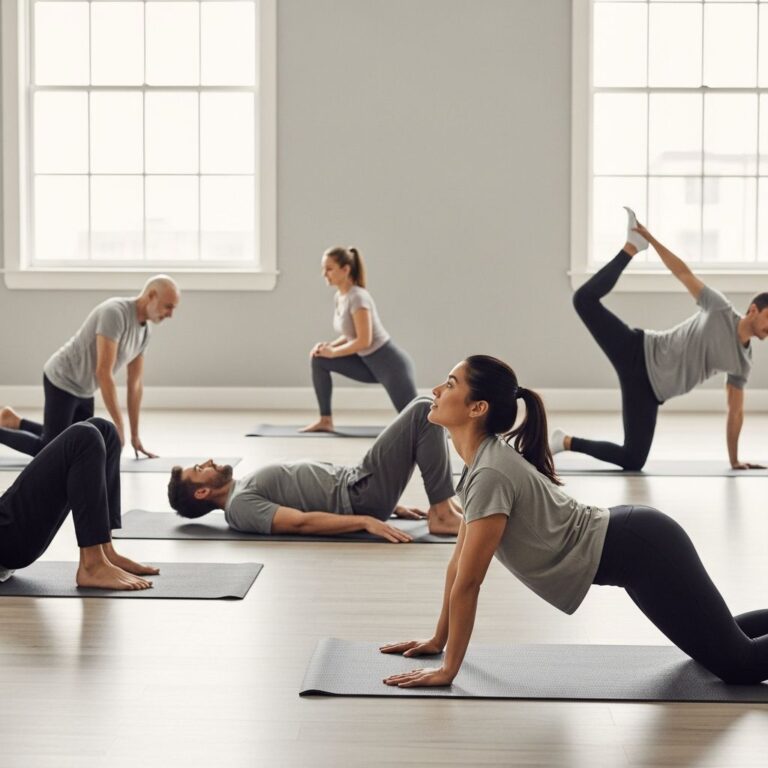
5. Yoga
Yoga combines aerobic elements with mindfulness, stretching, and breathwork to profoundly reduce anxiety and depression. Systematic reviews show strong effects, especially in older adults, via serotonin boosts and stress reduction.
Poses like downward dog and warrior build strength while poses foster body awareness, combating low self-worth.
- Evidence: Alleviates symptoms comparably to meds in some trials.
- Practice: 20-60 min sessions 2-3x/week; Hatha or Vinyasa styles.
- Beginner: Online videos or classes; focus on breath for calm.
6. Strength Training
Resistance training with weights, bands, or bodyweight significantly decreases depressive symptoms, per meta-analyses, by elevating serotonin and building muscle for confidence.
Ideal for those disliking cardio; 2-3 sessions weekly targeting major groups suffice.
- How: Squats, push-ups, rows; 8-12 reps/set.
- Benefits: Mastery feeling, metabolic boost, bone health.
- Safety: Start light, learn form via trainers.
7. Dancing
Dancing blends aerobic exercise with joy and rhythm, proven to slash anxiety/depression via social fun and endorphins. Zumba or ballroom classes enhance mood through expression.
- Appeal: Enjoyable, no gym needed, group energy.
- Try: 30-min sessions; follow YouTube for solo.
8. Tai Chi and Qigong
These mind-body exercises emphasize slow movements and breath, effectively reducing depression in reviews, particularly for seniors. They lower cortisol and promote calm.
- Ideal for: Low-energy days, balance improvement.
- Duration: 10-20 min daily.
9. Gardening
Gardening provides moderate activity with therapeutic nature contact, reducing anxiety via soil microbes boosting serotonin. It’s mindful weeding/pruning distracts from worries.
- Bonus: Sense of accomplishment from growth.
10. Team Sports
Basketball, soccer add social aerobic fun, combating isolation. Endorphins plus camaraderie amplify effects.
Getting Started and Staying Motivated
Start small: 10-min walks, build gradually. Choose enjoyable activities, track progress, pair with friends. Overcome barriers by breaking routines (stairs, farther parking).
| Exercise Type | Duration/Week | Best For |
|---|---|---|
| Aerobic (walk, jog) | 150 min moderate | Mood boost, endorphins |
| Strength | 2-3 days | Confidence, serotonin |
| Mind-body (yoga) | 2-3 sessions | Stress reduction |
Frequently Asked Questions (FAQs)
Is exercise better than medication for depression?
Exercise can be as effective as antidepressants for mild-moderate cases, per meta-analyses, and works well combined.
How soon do I feel benefits?
Some mood lift post-session; full effects in weeks with consistency.
What if I hate gyms?
Home walks, yoga videos, or gardening count fully.
Can exercise worsen anxiety?
Rarely; start gentle, stay hydrated.
Minimum effective dose?
10-min daily activity helps; aim higher for best results.
References
- Exercise for Mental Health — PMC – NIH. 2006-05-31. https://pmc.ncbi.nlm.nih.gov/articles/PMC1470658/
- Depression and anxiety: Exercise eases symptoms — Mayo Clinic Staff. 2023 (updated). https://www.mayoclinic.org/diseases-conditions/depression/in-depth/depression-and-exercise/art-20046495
- The impact of exercise on depression: how moving makes your … — PMC – NIH. 2024. https://pmc.ncbi.nlm.nih.gov/articles/PMC11298280/
Similar Articles








Read full bio of Sneha Tete