Best Exercises For Brain Health: 7 Research-Backed Workouts
Discover the top exercises proven to boost cognitive function, memory, and protect against cognitive decline through physical activity.
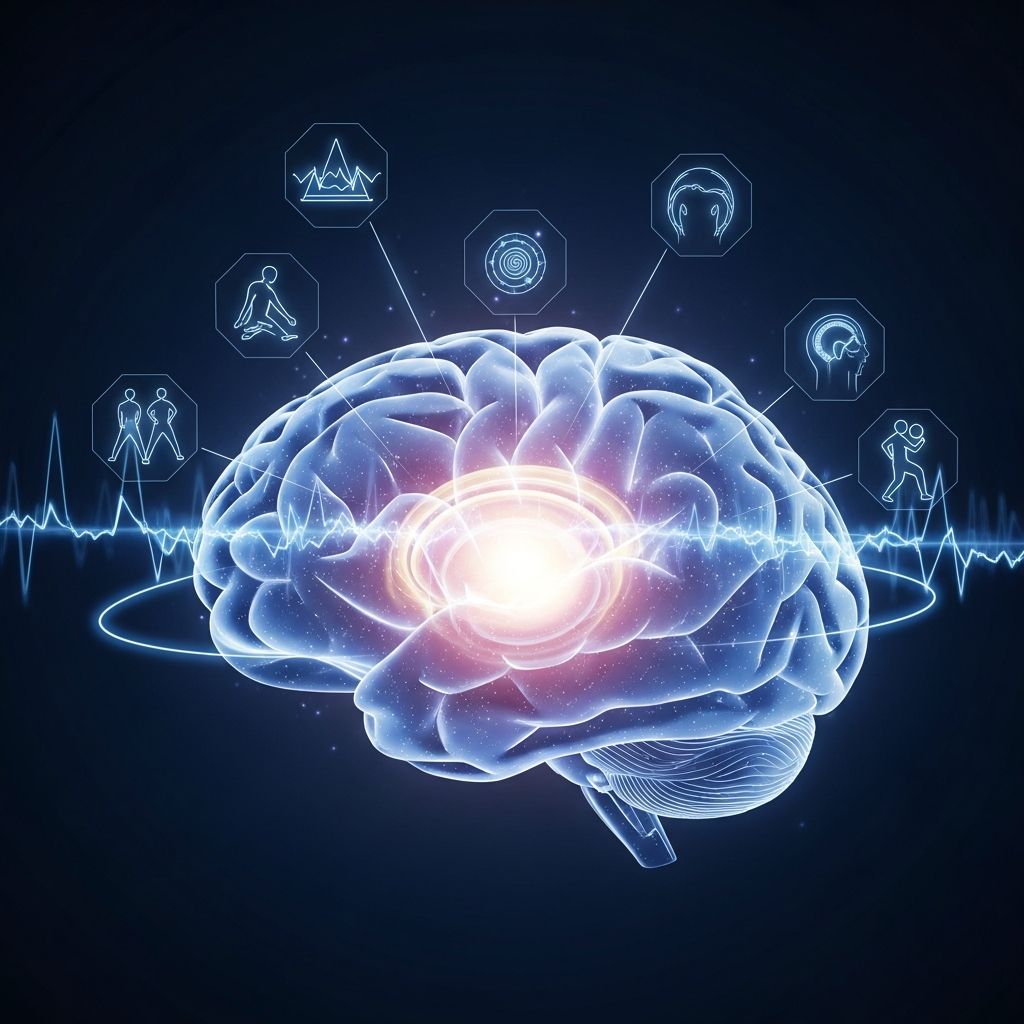
Regular physical activity is one of the most effective ways to maintain and enhance brain health throughout life. Exercise increases blood flow to the brain, promotes the production of brain-derived neurotrophic factor (**BDNF**), a protein essential for neuron growth and synaptic plasticity, and reduces inflammation linked to cognitive decline. Studies show that combining exercise with a healthy diet amplifies these benefits, counteracting age-related mental decline and aiding recovery from brain injuries. This article outlines the best exercises for brain health, drawing from expert recommendations and peer-reviewed research.
How Exercise Benefits Your Brain
Physical activity triggers multiple neuroprotective mechanisms. Aerobic exercise elevates BDNF levels, which supports learning, memory, and hippocampal function—the brain region critical for cognition. It also enhances cerebral blood flow, delivering more oxygen and nutrients to brain cells. Research indicates that regular exercise can reduce dementia risk by up to 30-50%, with vigorous activities showing the strongest effects.
Exercise promotes neurogenesis (new neuron formation) in the hippocampus and counters oxidative stress, a key factor in Alzheimer’s disease. For instance, activities raising heart rate improve executive function, attention, and mood by balancing neurotransmitters like serotonin and dopamine. Even moderate movement, when consistent, builds cognitive reserve, helping the brain resist degeneration.
- Increased BDNF: Stimulates synaptic plasticity and memory formation.
- Better Blood Flow: Enhances oxygen delivery and waste clearance, including beta-amyloid plaques.
- Reduced Inflammation: Lowers chronic inflammation tied to cognitive impairment.
- Stress Reduction: Lowers cortisol, protecting hippocampal neurons.
1. Walking: The Simplest Brain Booster
Brisk walking is accessible, low-impact, and highly effective for brain health. A 30-minute daily walk increases hippocampal volume by 2%, reversing age-related shrinkage, according to studies on older adults. It raises BDNF, improves mood, and sharpens focus without requiring equipment.
Why it works: Walking combines aerobic benefits with rhythmic movement, promoting bilateral brain stimulation. Pair it with nature exposure for added cognitive gains—’green exercise’ reduces rumination and boosts creativity.
- Duration: Aim for 150 minutes weekly at moderate pace (3-4 mph).
- Brain Benefits: Enhanced memory, reduced dementia risk.
- Tip: Use intervals—alternate 3 minutes brisk with 1 minute slow.
2. Swimming: Full-Body Brain Refresher
Swimming engages the entire body while being gentle on joints, making it ideal for all ages. The water’s resistance provides aerobic and strength training, while controlled breathing calms the nervous system, reducing stress hormones that harm brain cells.
Research links swimming to improved executive function and faster processing speed. The hydrostatic pressure enhances circulation, flooding the brain with oxygen-rich blood.
- Frequency: 2-3 sessions of 30-45 minutes per week.
- Variations: Freestyle, breaststroke, or water aerobics for variety.
- Bonus: Builds cardiovascular health, indirectly supporting brain longevity.
3. Dancing: Rhythm for Cognitive Resilience
Dancing uniquely combines aerobic exercise, coordination, and social interaction, making it a powerhouse for brain health. Learning new dance steps challenges memory, spatial awareness, and multitasking—skills that build cognitive reserve.
Related Stories



A landmark study found weekly dance classes reduced dementia risk more than other activities like walking or golf due to its multi-faceted demands. It boosts neuroplasticity and releases endorphins for mood elevation.
- Styles: Ballroom, salsa, Zumba, or line dancing.
- Sessions: 45-60 minutes, 2-3 times weekly.
- Social Perk: Group classes combat isolation, a dementia risk factor.
4. Cycling: Steady State for Sharp Thinking
Whether on a stationary bike or outdoors, cycling delivers sustained aerobic exercise that enhances focus and problem-solving. It increases BDNF more effectively than sedentary activities and supports vascular health, preventing mini-strokes that impair cognition.
Studies show cyclists have larger brain volumes and better memory recall. Commuting by bike yields cumulative benefits.
- Intensity: Moderate (can talk but not sing), 30-60 minutes.
- Indoor Option: Spin classes with intervals for BDNF spikes.
- Progression: Add hills for strength gains.
5. Strength Training: Build Muscle, Protect Brain
Resistance exercises like weightlifting or bodyweight squats preserve muscle mass and boost brain-derived growth factors. They improve insulin sensitivity, countering metabolic issues linked to cognitive decline.
Middle-aged adults doing strength training twice weekly showed slower brain aging on MRI scans. It enhances white matter integrity for faster neural signaling.
| Exercise | Sets/Reps | Brain Benefit |
|---|---|---|
| Squats | 3×10-12 | Boosts executive function |
| Deadlifts | 3×8-10 | Increases BDNF |
| Push-ups | 3×12-15 | Improves mood regulation |
6. Tai Chi and Yoga: Mind-Body Mastery
These practices blend gentle movement, balance, and mindfulness, reducing stress while enhancing brain connectivity. Tai chi improves gait stability, preventing falls that risk head injuries, and grows gray matter in memory centers.
Yoga’s poses and breathing increase gamma-aminobutyric acid (**GABA**), calming overactive brain circuits. Both lower Alzheimer’s biomarkers.
- Tai Chi: Slow flows for proprioception and focus.
- Yoga: Vinyasa or Hatha, 45 minutes 3x/week.
- Evidence: Reduced anxiety, better sleep for brain repair.
7. High-Intensity Interval Training (HIIT): Maximize BDNF
HIIT alternates bursts of effort with recovery, producing the highest BDNF spikes. Short sessions (20-30 minutes) yield outsized brain benefits, ideal for busy schedules.
It’s particularly potent for countering age-related decline, mimicking evolutionary ‘fight or flight’ that wired our brains for survival.
- Example: 30s sprint/90s walk, repeat 8x.
- Caution: Consult doctor if new to exercise.
Combining Exercise with Diet for Optimal Brain Health
Exercise amplifies dietary benefits. Omega-3 fatty acids (from fish) paired with aerobic activity supercharge synaptic plasticity. A Mediterranean diet rich in veggies, whole grains, and healthy fats synergizes with movement to elevate BDNF and curb inflammation.
Avoid saturated fats/sugars, which blunt exercise gains. Hydration and sleep further enhance recovery.
Frequently Asked Questions (FAQs)
Q: How much exercise do I need for brain health?
A: Aim for 150 minutes moderate aerobic + 2 strength sessions weekly, per Alzheimer’s Association guidelines.
Q: Can exercise reverse cognitive decline?
A: It can slow progression and improve function via neuroplasticity, especially early intervention.
Q: Is it too late to start if I’m older?
A: No—benefits accrue at any age; even walking helps build cognitive reserve.
Q: Which exercise is best for memory?
A: Dancing and HIIT excel due to coordination and BDNF boosts.
Q: Does exercise help with stress and brain fog?
A: Yes, via endorphins and better blood flow; yoga/tai chi are particularly effective.
Getting Started: Your Brain Health Plan
Begin with enjoyable activities to ensure adherence. Track progress with a journal noting mood and focus improvements. Consult professionals for personalized plans, especially with health conditions. Consistency trumps intensity—small daily habits compound into profound brain protection.
Integrate variety to challenge your brain: Monday walk, Wednesday dance, Friday strength. This holistic approach maximizes neuroplasticity, fostering a resilient, sharp mind for years to come.
References
- Collaborative effects of diet and exercise on cognitive enhancement — Gomez-Pinilla F. Nutr Health. 2011. https://pmc.ncbi.nlm.nih.gov/articles/PMC3258096/
- 10 Healthy Habits for Your Brain — Alzheimer’s Association. Accessed 2026. https://www.alz.org/help-support/brain_health/10-healthy-habits-for-your-brain
- The Brain Health Method: The Power of Six — Brain Health Network. Accessed 2026. https://brain.health/blog/articles/the-brain-health-method-the-power-of-six/
- 5 Tips for a Fit and Healthy Brain — NASM Blog. Accessed 2026. https://blog.nasm.org/fitness/5-tips-for-how-to-have-a-healthy-brain
Similar Articles








Read full bio of Sneha Tete