Best Exercises For Insomnia Relief: 4 Proven Workouts
Discover the most effective exercises to combat insomnia, improve sleep quality, and promote better rest naturally.
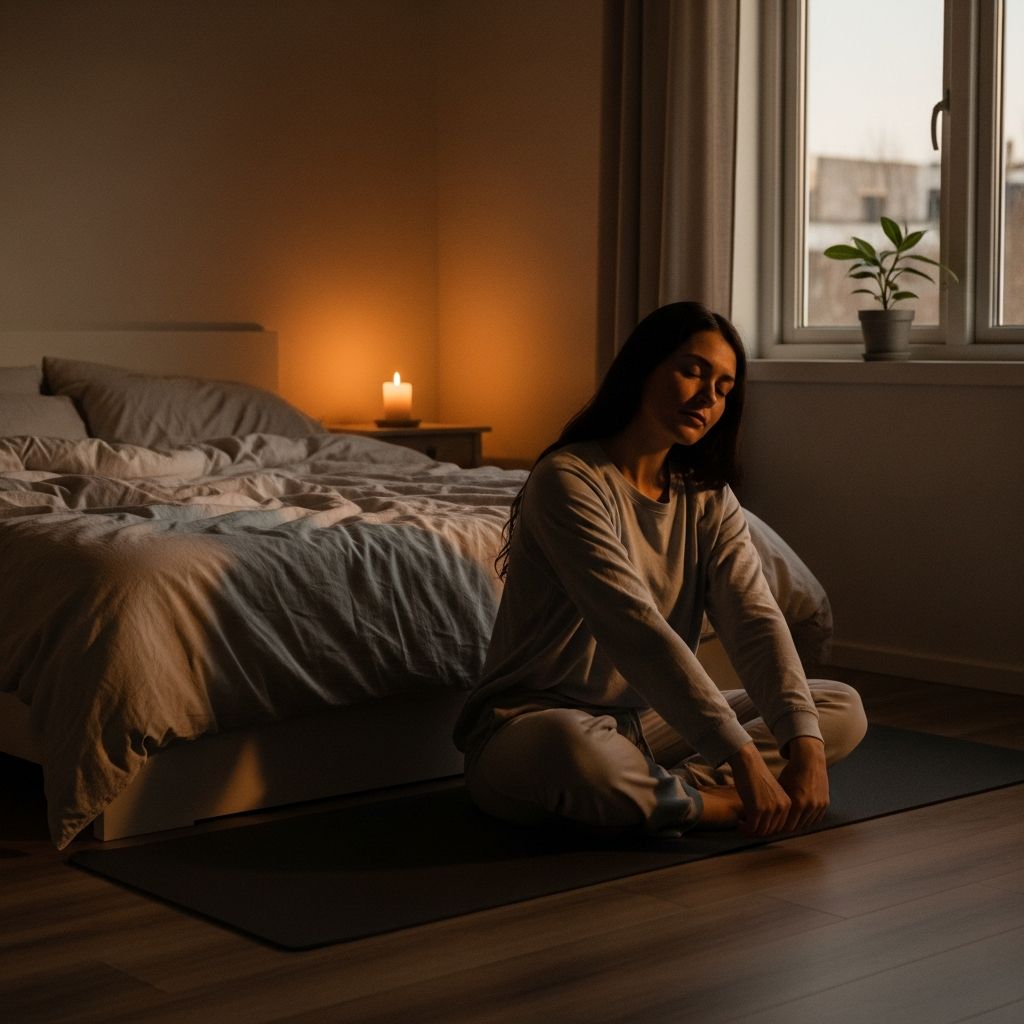
Insomnia affects millions worldwide, disrupting daily life with poor sleep quality and fatigue. Research shows that incorporating specific exercises can significantly improve sleep by reducing anxiety, regulating body temperature, and promoting deeper rest. This article explores the most effective exercises for those struggling with insomnia, drawing from scientific evidence on aerobic, resistance, and mind-body practices.
What Is Insomnia?
Insomnia is a common sleep disorder characterized by difficulty falling asleep, staying asleep, or experiencing restorative sleep, despite adequate opportunity. It leads to daytime impairments like fatigue, mood disturbances, and reduced cognitive function. Chronic insomnia lasts for months and is linked to health risks including cardiovascular disease and mental health issues. Unlike temporary sleep issues, insomnia often stems from hyperarousal, stress, or poor sleep habits.
Prevalence is high, affecting up to 30% of adults, with women and older individuals at greater risk. Effective management includes behavioral strategies, and exercise emerges as a powerful, non-pharmacological tool. Studies confirm regular physical activity correlates with better sleep outcomes, making it a cornerstone for insomnia treatment.
How Exercise Helps with Insomnia
Exercise promotes sleep through multiple mechanisms. It elevates core body temperature during activity, followed by a decline that signals sleep onset, mimicking natural circadian rhythms. This thermogenic effect activates brain regions like the anterior hypothalamus, associated with deep sleep stages.
Additionally, exercise reduces physiological hyperarousal—a hallmark of insomnia involving elevated cortisol, sympathetic nervous system activity, and metabolic rates. Anxiolytic effects lower stress hormones, easing the distress that prevents sleep. Epidemiologic data links light, moderate, or vigorous activity to decreased insomnia risk, while experimental trials show acute and chronic exercise improves sleep efficiency in insomniacs.
Chronic exercise following public health guidelines (150 minutes/week of moderate activity) yields sustained benefits, outperforming sedentary lifestyles. Combining exercise with cognitive-behavioral therapy for insomnia (CBT-I) may offer synergistic effects, though more comparative trials are needed.
Best Types of Exercises for Insomnia
Aerobic exercises of moderate to high intensity prove most effective for insomnia, with resistance training and mind-body practices as strong complements. Here’s a breakdown:
- Aerobic Exercise: Activities like brisk walking, jogging, cycling, or swimming increase cardiovascular endurance and trigger sleep-promoting physiological changes. Studies show both acute sessions (e.g., 30 minutes) and chronic programs (3-5 sessions/week) enhance total sleep time and reduce wakefulness.
- Resistance Training: Weightlifting, bodyweight exercises, or resistance bands build strength while improving sleep. Research indicates chronic strength programs significantly boost sleep quality, particularly for those with comorbid conditions like restless legs syndrome.
- Mind-Body Exercises: Yoga, tai chi, and Pilates combine movement with breathwork and mindfulness, reducing anxiety and hyperarousal. These are ideal for evening routines, promoting relaxation without overstimulating the body.
- High-Intensity Interval Training (HIIT): Short bursts of intense effort followed by recovery can mimic aerobic benefits in less time, though timing matters to avoid evening arousal.
Related Stories



Comparison of Exercise Types
| Exercise Type | Benefits for Insomnia | Duration/Intensity | Best Time |
|---|---|---|---|
| Aerobic | Increases deep sleep, reduces latency | 30-45 min, moderate-vigorous | Morning/Afternoon |
| Resistance | Improves sleep efficiency, strength | 20-40 min, moderate | Midday |
| Yoga/Tai Chi | Lowers anxiety, enhances relaxation | 20-60 min, light | Evening |
| HIIT | Quick sleep improvements | 15-30 min, high | Early Day |
When to Exercise If You Have Insomnia
Timing is crucial. Morning or afternoon exercise aligns with circadian rhythms, maximizing temperature decline by bedtime. Experimental studies refute the myth that evening workouts disrupt sleep for most people; moderate sessions within 2 hours of bed are generally fine.
However, insomniacs may experience HPA axis activation from high-intensity late exercise, delaying sleep onset. Start with morning aerobic sessions to build tolerance. Consistency matters more than perfection—aim for regular bouts rather than sporadic intense efforts.
Sample Exercise Routines for Better Sleep
Here are beginner-friendly weekly plans tailored for insomnia relief:
Beginner Aerobic Routine
- Monday: 30-min brisk walk
- Wednesday: 20-min cycling
- Friday: 30-min swimming or jogging
- Sunday: Light yoga flow (20 min)
Intermediate Strength + Cardio
- Tuesday/Thursday: Resistance circuit (squats, push-ups, rows; 3 sets of 10-12 reps)
- Saturday: 40-min hike or elliptical
Evening Wind-Down (Yoga Focus)
- Daily: 15-20 min poses like child’s pose, legs-up-the-wall, and corpse pose with deep breathing.
Progress gradually, tracking sleep with a journal to refine routines.
Exercise Precautions and Tips
Consult a doctor before starting, especially with underlying conditions. Stay hydrated, avoid overexertion, and listen to your body—fatigue from excessive exercise can worsen insomnia. Pair with sleep hygiene: consistent bedtime, dark room, no screens.
For severe cases, combine with CBT-I, which outperforms medications long-term. Exercise isn’t a cure-all but amplifies other strategies.
Frequently Asked Questions (FAQs)
What is the single best exercise for insomnia?
Aerobic exercise like moderate jogging or walking shows the strongest evidence for improving sleep onset and duration in insomniacs.
Can I exercise right before bed?
Moderate exercise close to bedtime usually doesn’t disrupt sleep, but high-intensity may for insomniacs—opt for morning/afternoon.
How long until I see sleep improvements from exercise?
Acute benefits appear after one session; chronic programs (4-6 weeks) yield lasting gains in sleep quality.
Is yoga effective for insomnia?
Yes, yoga reduces anxiety and promotes relaxation, with studies supporting its role in mind-body interventions for sleep disorders.
Should I exercise every day for better sleep?
Aim for 150 min/week moderate activity; rest days prevent burnout and allow recovery.
Additional Strategies to Complement Exercise
Beyond workouts, adopt good sleep practices: limit caffeine, maintain a cool bedroom (60-67°F), and practice stimulus control (bed for sleep/sex only). CBT-I elements like sleep restriction enhance exercise effects. Track progress and seek professional help if symptoms persist beyond 4 weeks.
Exercise empowers insomnia management, offering benefits like weight control and mood enhancement. Consistency transforms restless nights into restorative sleep.
References
- Behavioral Strategies, Including Exercise, for Addressing Insomnia — Kelly Baron, PhD, MPH; Christopher L. Drake, PhD. 2019-09-01. https://pmc.ncbi.nlm.nih.gov/articles/PMC6715137/
- Physical Exercise and Insomnia: A Systematic Review and Meta-Analysis — Chen LJ, et al. Sleep Medicine Reviews. 2022. https://doi.org/10.1016/j.smrv.2021.101612
- Exercise to Improve Sleep in Insomnia: Exploration of the Bidirectional Effects — National Institutes of Health (NIH). 2024. https://www.nhlbi.nih.gov/health/sleep/insomnia
- American Academy of Sleep Medicine Guidelines on Exercise and Sleep — AASM. 2023-05-15. https://aasm.org/resources/pdf/positions/Exercise-Sleep-Position-Statement.pdf
Similar Articles








Read full bio of Sneha Tete