Best Fast Food Options for People with Diabetes
Navigate fast food menus confidently with diabetes-friendly picks from major chains.
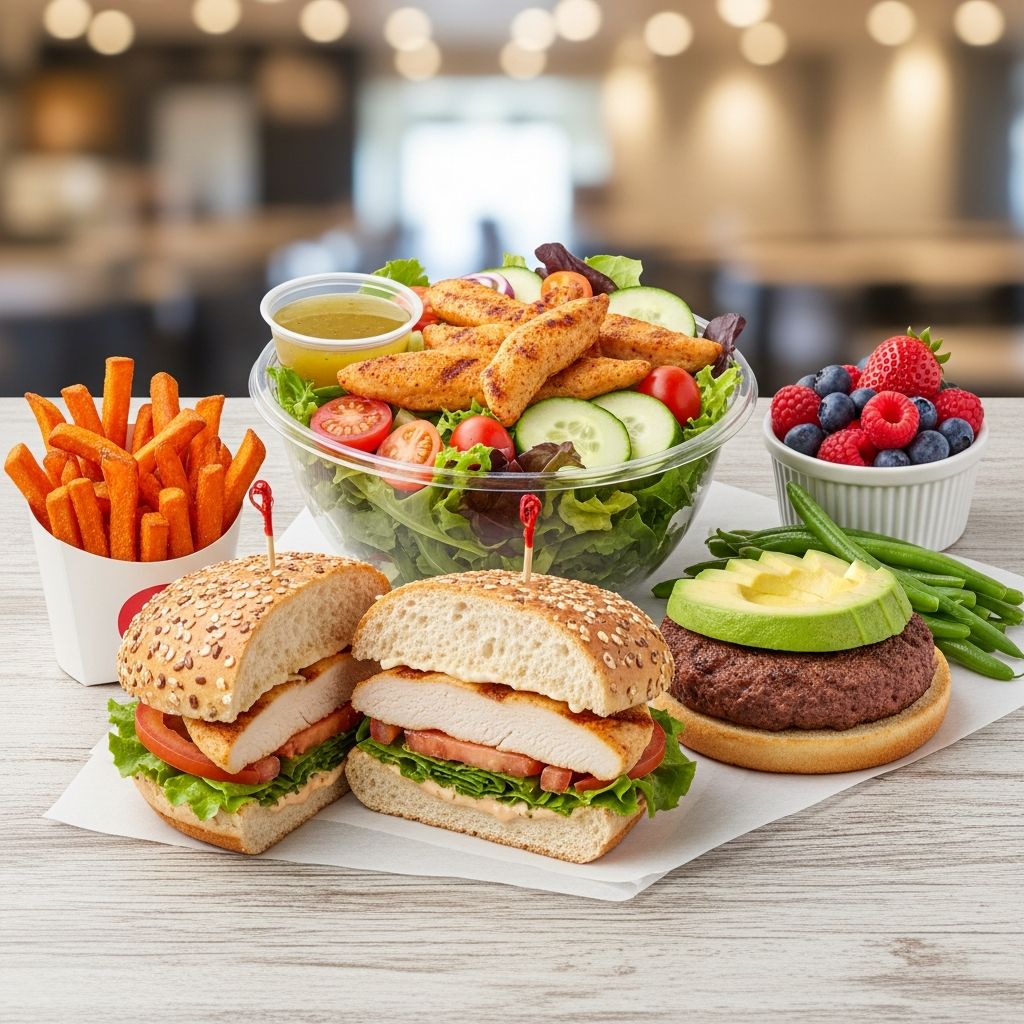
Managing diabetes while maintaining a busy lifestyle often means navigating fast-food restaurants. The good news is that you don’t have to avoid these establishments entirely. Yes, you can eat fast food with diabetes by making mindful choices that minimize blood sugar impact. The key is understanding which menu items support your health goals and learning how to customize orders to fit your nutritional needs.
Fast food doesn’t automatically mean unhealthy, and it’s entirely possible to find options that fit into a balanced diabetes management plan. The trick involves watching portion sizes and focusing on meals that include lean protein, fiber, and healthy fats while limiting refined carbohydrates and sugary beverages. With a little planning and awareness, enjoying quick meals on the go is completely doable.
Understanding Fast-Food Nutrition for Diabetes
When eating at fast-food restaurants, people with diabetes should focus on several key nutritional principles. Balance is essential—checking nutritional labels and making smart substitutions can help maintain stable blood sugar levels while dining out. Taking advantage of nutritional calculators and apps available at most major chains can increase your awareness of what you’re eating and its nutritional values.
The strategy involves selecting meals rich in lean proteins and vegetables while avoiding high-carb sides and sugary drinks. Consider these core guidelines:
- Choose grilled proteins instead of fried options when available
- Select whole grain or lettuce-wrapped options to reduce refined carbohydrates
- Prioritize meals combining lean protein, fiber, and healthy fats
- Avoid sugary drinks and watch portion sizes carefully
- Choose sides that are lower in carbs and higher in fiber or protein
McDonald’s Diabetes-Friendly Options
McDonald’s is known for burgers and french fries, but people with diabetes need to make strategic choices. Fries are not recommended due to their high amounts of carbohydrates, sodium, and unhealthy saturated and trans fats, which can increase the risk of heart disease. However, burgers can be enjoyed in moderation. If you do choose fries, pair them with a source of lean protein to help prevent blood glucose from rising too quickly.
For breakfast, the Sausage Burrito stands out as an excellent option. At only 310 calories with 26 grams of carbs and 12 grams of protein, it hits the low-carb mark while providing protein to slow carb digestion and balance blood sugar levels. McMuffins are another solid choice, offering 30 grams of carbs or less with generous protein from egg and meat combinations.
Use McDonald’s nutrition calculator to find complete nutrition information on their menu items and explore additional options that fit your dietary preferences.
Starbucks Diabetes-Friendly Picks
Starbucks has evolved far beyond coffee and pastries, now offering a full line of sandwiches, breakfast items, and grab-and-go snacks. Skip the bakery display case—especially those giant bagels—and focus on balanced meals and snacks like protein boxes, egg bites, wraps, and sandwiches.
Related Stories



For coffee drinks, stick to regular unsweetened coffee, caffè Americano, or beverages made with sugar-free syrup and low-fat milk. Look for the ‘skinny’ options on the menu for better control over added sugars.
One standout choice is the Egg White and Roasted Red Pepper Egg Bites, which contain just 11 grams of carbs, 12 grams of protein, 5 grams of fat, and 170 calories. This option provides excellent protein-to-carb ratio and satisfying nutrition for blood sugar management.
Taco Bell Customization Strategies
Taco Bell offers seemingly endless customization options, making it surprisingly diabetes-friendly despite its reputation. The size of the menu and customizable nature of most items means you can find suitable choices. Plant-based options are easy to come by and particularly good for people with diabetes due to their lower saturated fat content.
Smart customization tactics include:
- Leaving off sour cream and cheese while adding guacamole to swap unhealthy fats for healthier options
- Ordering tacos and burritos without shells or tortillas for minimal carbs
- Using hot sauces and salsas thoughtfully—counting carbs and sodium before adding them
Strong menu choices include the Black Bean Chalupa with 37 grams of carbs, 10 grams of protein, and 340 calories, or 2 Chicken Soft Tacos providing 32 grams of carbs, 24 grams of protein, and 360 calories.
Subway’s Made-to-Order Advantage
Subway’s customization features allow you to create diabetes-friendly meals aligned with your dietary needs. By customizing your order, you can carefully manage carbohydrate intake—crucial for glucose control.
Key customization strategies for Subway include:
- Opt for lower-carb bread like flatbread or choose a lettuce wrap instead
- Avoid ingredients high in carbohydrates but low in nutritional value (empty calories) like croutons
- Choose lean proteins such as grilled chicken or turkey breast to reduce fat while maintaining protein levels
- Boost your meal with extra vegetables to increase fiber, which helps stabilize blood glucose levels
For breakfast, the Egg and Cheese Sandwich on 3-inch Flatbread offers just 220 calories, 22 grams of carbs, and 9 grams of protein. You can customize this option with egg whites or different cheese varieties to match your preferences.
Fast-Food Breakfast Options
Starting your day with diabetes-conscious choices sets the tone for stable blood sugar throughout the day. Several chains offer excellent breakfast options:
Dunkin Donuts Egg and Turkey Sausage Wake-Up Wrap ranks high with only 240 calories, 15 grams of carbohydrates, and 11 grams of protein. Dunkin lets you choose from eggs or egg whites and bacon, ham, sausage, or turkey sausage. If you can’t resist a donut, stick with a simple Old-Fashioned Donut that hits the recommended maximum of 30 carbs.
Chick-fil-A Hash Brown Scramble Bowl with Nuggets provides all the nugget goodness at 470 calories, 19 grams of carbs, and 29 grams of protein. Chick-fil-A’s advantage lies in easy carb reduction—opting for grilled chicken or sausage reduces carbs to 15 grams, and removing hash browns lowers carb intake to just 1 gram.
Wendy’s Bacon, Egg, and Cheese Biscuit is the best bet for a diabetes-conscious diet, offering the lowest calories at 420, with 28 grams of carbs and 16 grams of protein. The sausage, egg, and cheese option provides similar nutrition but 200 more calories.
Panera Bread Greek Yogurt with Mixed Berries Parfait offers 240 calories, 27 grams of carbs, and 15 grams of protein, topped with honey, maple butter pecan granola, strawberries, and blueberries. This option provides 2 grams of fiber from oats and berries, supporting heart health.
Lunch and Dinner Considerations
When choosing fast-food meals for lunch or dinner, prioritize foods with high amounts of fiber, good fats, healthy carbohydrates, and plenty of lean protein. Look for options featuring grilled chicken, turkey, or fish rather than fried preparations.
Consider choosing sides that support your diabetes management:
- Side salads with vinaigrette dressing
- Apple slices or fresh fruit
- Steamed vegetables
- Avoid or minimize fries and onion rings—if chosen, consider sharing or selecting the smallest size
Salad options can be excellent choices when prepared thoughtfully. Chick-fil-A’s Market Salad with grilled chicken breast, fresh mixed greens, crumbled blue cheese, red and green apples, strawberries, and blueberries provides 550 calories, 42 grams of carbs, 5 grams of fiber, and 28 grams of protein. This combination should keep you satisfied for hours.
Practical Tips for Fast-Food Success
Successfully managing diabetes at fast-food restaurants requires strategic planning:
- Check nutrition information before ordering using restaurant websites or nutrition apps
- Downsize your meal by ordering smaller portions or sharing items
- Look for healthier menu sections many chains now feature these prominently
- Swap items thoughtfully—replace fries with vegetables or salad
- Rethink your drink—choose water, unsweetened tea, or diet beverages instead of sugary drinks
- Take your time eating—this allows your body to properly register fullness signals
- Talk to your healthcare provider about specific meal plans and carbohydrate targets
Building Balanced Meals
The foundation of diabetes-friendly fast-food eating involves understanding meal balance. Each meal should include:
| Component | Purpose | Examples |
|---|---|---|
| Lean Protein | Slows digestion and stabilizes blood sugar | Grilled chicken, turkey, fish, egg whites |
| Fiber-Rich Carbs | Provides sustained energy without blood sugar spikes | Whole grain bread, brown rice, vegetables |
| Healthy Fats | Supports satiety and nutrient absorption | Avocado, olive oil, nuts, seeds |
| Vegetables | Adds volume, fiber, and nutrients with minimal impact | Leafy greens, bell peppers, tomatoes, cucumbers |
Frequently Asked Questions
Q: Can I eat fast food every day with diabetes?
A: While it’s possible to make healthier choices at fast-food restaurants, relying on them daily may make it harder to maintain balanced nutrition and stable blood sugar levels. Occasional fast-food meals with mindful choices are acceptable for most people with diabetes, but aim for variety with home-prepared meals when possible.
Q: How do I know if a fast-food item is diabetes-friendly?
A: Look for items with reasonable carbohydrate content (typically 30-45 grams per meal), at least 10-15 grams of protein, and ideally 3+ grams of fiber. Use restaurant nutrition calculators and apps to check these values before ordering.
Q: What’s the biggest mistake people with diabetes make at fast-food restaurants?
A: Choosing sugary drinks and oversized portions are common pitfalls. Large beverages can contain 50+ grams of carbohydrates from sugar alone, and excessive portion sizes make blood sugar management difficult.
Q: Are plant-based fast-food options good for diabetes?
A: Yes, when prepared thoughtfully. Plant-based options often have lower saturated fat content. However, watch for high carbohydrate content and added oils. Customize by reducing cheese and sour cream while adding vegetables.
Q: How should I adjust my insulin or medication for fast-food meals?
A: Always consult your healthcare provider about medication adjustments based on specific meals. Never adjust medications without professional guidance, as fast-food carbohydrate content can vary based on customizations and preparation.
Conclusion
Managing diabetes doesn’t mean eliminating fast food from your life. By making informed choices, understanding nutrition information, and strategically customizing orders, you can enjoy convenient meals while maintaining stable blood sugar levels. Focus on lean proteins, whole grains, vegetables, and healthy fats while limiting refined carbohydrates and sugary beverages. With the menu options and strategies outlined above, you have numerous choices across major fast-food chains that support your diabetes management goals.
References
- Top Fast Food Options for People with Diabetes — Aeroflow Diabetes. 2024. https://aeroflowdiabetes.com/blog/top-fast-food-options-for-people-with-diabetes
- Best Fast-Food Breakfasts for People With Diabetes — Healthgrades. 2024. https://resources.healthgrades.com/right-care/diabetes/best-fast-food-breakfasts-for-people-with-diabetes
- Can I Eat Fast Food with Diabetes? – Bezzy T2D — Bezzy. 2024. https://www.bezzyt2d.com/discover/diet-and-nutrition-t2d/health-fast-food-options-for-people-with-diabetes/
- Make Healthy Choices at a Fast-Food Restaurant — American Diabetes Association. 2024. https://diabetes.org/food-nutrition/eating-healthy/healthy-choices-fast-food
- Healthy Fast-Food Lunch Ideas for Diabetes — DiabetesTeam. 2024. https://www.diabetesteam.com/resources/healthy-fast-food-lunch-ideas-for-diabetes-tips-for-eating-out
Similar Articles








Read full bio of Sneha Tete