Best Fermented Foods For Brain Health: 8 Science-Backed Picks
Discover top fermented foods that boost brain health through the gut-brain axis, supported by scientific research on cognition and mental wellness.
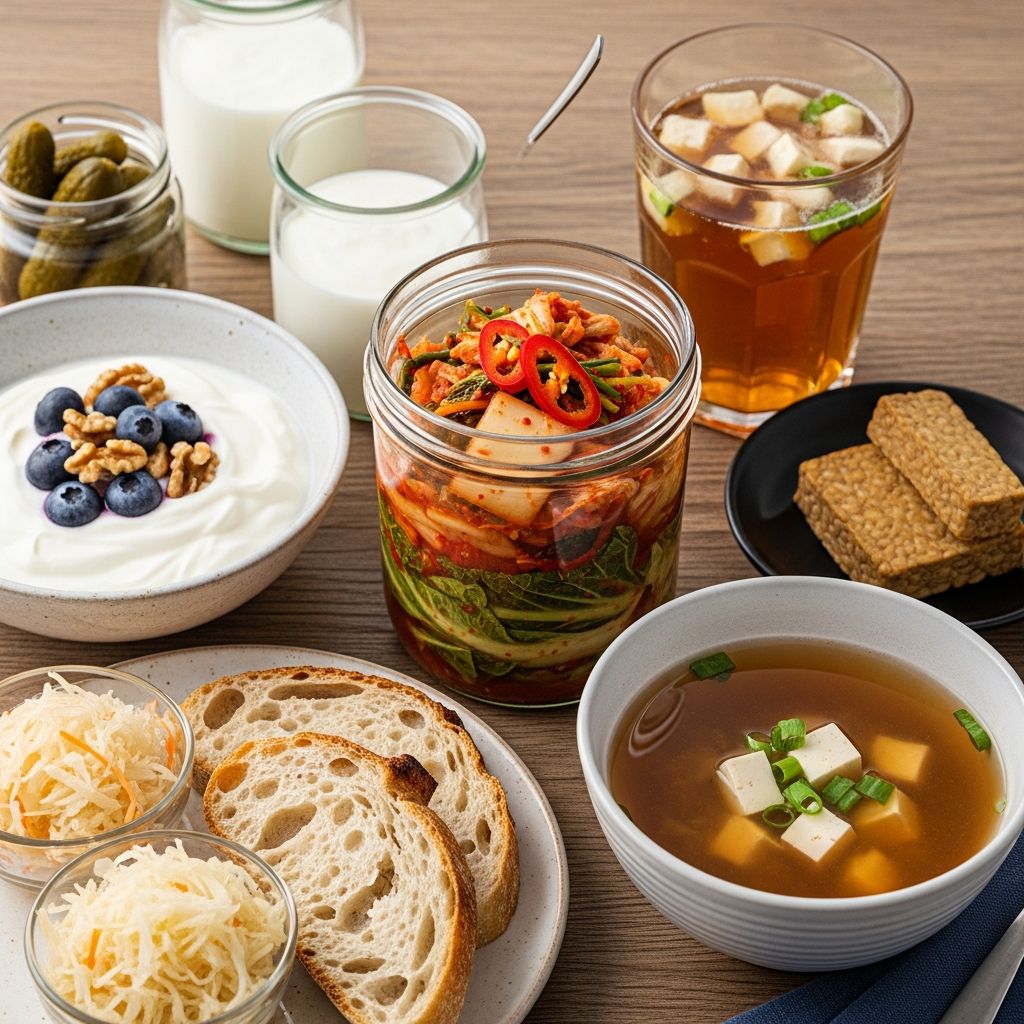
Fermented foods have emerged as powerful allies for brain health, primarily through their influence on the gut-brain axis. Rich in probiotics, prebiotics, and bioactive compounds, these foods foster a diverse microbiome that supports cognitive function, mood regulation, and neuroprotection. Research shows that regular consumption can enhance memory, reduce anxiety and depression, and even slow cognitive decline in older adults.
What Are Fermented Foods?
Fermented foods are produced through the action of microorganisms like bacteria and yeast, which break down sugars and starches into acids, alcohol, or gases. This process not only preserves food but also generates beneficial probiotics, postbiotics, and enhanced nutrients. Common examples include yogurt, kimchi, sauerkraut, kefir, miso, tempeh, and kombucha. These foods strengthen the intestinal barrier, preventing leaky gut and toxin leakage into circulation, which can impair brain function.
The fermentation process increases bioavailability of polyphenols, dietary fiber, and vitamins while producing metabolites that feed healthy gut bacteria. This microbial diversity is crucial for the microbiota-gut-brain axis, a bidirectional communication pathway linking gut health to brain processes like cognition, emotion, and behavior.
How Fermented Foods Support Brain Health
The gut houses trillions of microbes that produce over 90% of the body’s serotonin, a key neurotransmitter for mood and cognition. Dysbiosis—an imbalance in gut bacteria—is linked to depression, anxiety, dementia, and Parkinson’s disease. Fermented foods counteract this by boosting probiotic strains like Lactobacillus and Bifidobacterium, which influence serotonin turnover, GABA, and dopamine levels.
Studies indicate fermented foods impact the enteroendocrine system, regulating hormones such as GLP-1, ghrelin, and neuropeptide-Y, which affect appetite, inflammation, and brain signaling. Animal and human trials show neuroprotective effects against oxidative stress and neurotoxicity, potentially enhancing learning, memory, and BDNF (brain-derived neurotrophic factor) production.
- Gut Barrier Integrity: Prevents endotoxins from triggering systemic inflammation that reaches the brain.
- Neurotransmitter Modulation: Increases serotonin and GABA, reducing anxiety and improving focus.
- Anti-Inflammatory Effects: Lowers cytokines that contribute to cognitive decline.
- Nutrient Absorption: Enhances uptake of brain-supporting vitamins like B12 and K2.
Top 8 Best Fermented Foods for Your Brain
Incorporating these fermented foods daily can optimize gut diversity and brain performance. Aim for 2-3 servings per day, starting small to avoid digestive discomfort.
1. Kimchi
This spicy Korean staple, made from fermented cabbage, radishes, and chili, is packed with Lactobacillus and vitamins A, B, and C. Studies link kimchi intake to improved cognitive scores and reduced dementia risk via enhanced gut microbiota diversity.
- Brain Benefits: Boosts memory recall and lowers oxidative stress.
- How to Eat: Add to salads, rice bowls, or eggs; 1/4 cup daily.
2. Sauerkraut
Fermented cabbage brined with salt delivers probiotics and glucosinolates, which support detoxification. Observational data associates sauerkraut with better mood and decreased anxiety through gut-brain signaling.
- Brain Benefits: Enhances serotonin production and neuroprotection.
- How to Eat: Top sandwiches or serve as a side; choose raw, unpasteurized.
Related Stories



3. Yogurt (Plain, Full-Fat)
Live-culture yogurt provides Bifidobacterium and Lactobacillus strains that cross the blood-brain barrier indirectly via vagus nerve signaling. Human studies show mixed but promising results for cognitive health in older adults.
- Brain Benefits: Improves logical memory and reduces depression symptoms.
- How to Eat: Greek or skyr varieties; 1 cup with berries daily.
4. Kefir
A fermented milk drink with 30+ probiotic strains, kefir outperforms yogurt in microbial diversity. It supports GABA production, aiding relaxation and focus.
- Brain Benefits: Alleviates anxiety and enhances sleep quality.
- How to Eat: Drink plain or in smoothies; water kefir for dairy-free.
5. Miso
Fermented soybean paste rich in Aspergillus oryzae mold and probiotics. Japanese studies link miso to lower stroke risk and better cognitive aging due to isoflavones.
- Brain Benefits: Protects against neurodegeneration.
- How to Eat: In soups or marinades; 1-2 tsp daily, unpasteurized.
6. Tempeh
Fermented soy cake with Rhizopus fungi, offering complete protein and probiotics. It modulates gut microbiota for improved insulin sensitivity, indirectly benefiting brain metabolism.
- Brain Benefits: Stabilizes blood sugar to prevent cognitive fog.
- How to Eat: Grill or stir-fry; 4 oz servings.
7. Kombucha
Fermented tea with yeast and bacteria, providing antioxidants and gluconic acid. Moderate intake supports mental clarity via polyphenol preservation.
- Brain Benefits: Reduces inflammation and boosts energy.
- How to Eat: 8-12 oz daily; low-sugar varieties.
8. Kvass
Traditional Eastern European beet ferment loaded with nitrates and probiotics. Emerging research suggests benefits for blood flow to the brain.
- Brain Benefits: Improves cerebral circulation and cognition.
- How to Eat: Sip as a tonic; 1/2 cup daily.
Scientific Evidence: Fermented Foods and the Gut-Brain Axis
A review in Neuroscience & Behavioral Reviews analyzed fermentation’s impact on the microbiota-gut-brain axis, finding associations with better cognition and lower anxiety. A systematic review of 29 studies confirmed daily fermented food intake slows cognitive decline in the elderly, especially soy and dairy ferments.
PMC research highlights neuroprotective mechanisms, including BDNF upregulation and GABA modulation. Cleveland Clinic experts note microbiome changes from ferments nurture mental health.
| Fermented Food | Key Probiotics | Brain Health Evidence |
|---|---|---|
| Kimchi | Lactobacillus | Improved cognition |
| Yogurt | Bifidobacterium | Reduced depression |
| Kefir | Multiple strains | Lower anxiety |
| Miso | Aspergillus | Neuroprotection |
Practical Tips for Adding Fermented Foods to Your Diet
Start with small portions to build tolerance. Store-bought options should be refrigerated and labeled ‘live cultures.’ Homemade ferments offer maximum potency but require hygiene.
- Breakfast: Yogurt parfait with kefir dressing.
- Lunch: Kimchi in wraps or sauerkraut on salads.
- Dinner: Miso soup or tempeh stir-fry.
- Snacks: Kombucha or kvass shots.
Combine with prebiotic fibers like garlic and onions for synergistic effects. Those with histamine intolerance should consult a doctor, as ferments can trigger symptoms.
Potential Risks and Considerations
While beneficial, overconsumption may cause bloating or excess histamine. Individuals with SIBO or weakened immunity should proceed cautiously. Research gaps include sex-specific effects and long-term human trials.
Frequently Asked Questions (FAQs)
What is the gut-brain axis?
The gut-brain axis is the two-way communication between the gastrointestinal tract and central nervous system, mediated by microbes, nerves, and hormones.
How much fermented food should I eat daily for brain benefits?
2-3 servings (e.g., 1/2 cup total) daily supports microbiome diversity without overload.
Can fermented foods prevent dementia?
They are associated with lower risk and slower decline but not a guaranteed prevention; combine with exercise and sleep.
Are store-bought fermented foods effective?
Yes, if labeled with live cultures and refrigerated; avoid pasteurized versions.
Do vegans have fermented options for brain health?
Absolutely—kimchi, sauerkraut, tempeh, miso, and water kefir are plant-based.
References
- Fermented foods may improve cognitive performance via gut-brain link — Medical News Today. 2023. https://www.medicalnewstoday.com/articles/eating-more-fermented-foods-help-improve-mental-health-gut-microbiome
- A Review of Fermented Foods with Beneficial Effects on Brain and Cognitive Function — PMC (National Library of Medicine). 2016-12-01. https://pmc.ncbi.nlm.nih.gov/articles/PMC5216880/
- The Science-Backed Benefits of Fermented Foods — Equinox. 2023-09. https://www.equinox.com/articles/2023/09/the-science-backed-benefits-of-fermented-foods
- Potential neuroprotective effects of fermented foods and beverages — Frontiers in Nutrition. 2023. https://www.frontiersin.org/journals/nutrition/articles/10.3389/fnut.2023.1170841/full
- Benefits of Fermented Food for your Mental Health — Cleveland Clinic Newsroom. 2024-03-15. https://newsroom.clevelandclinic.org/2024/03/15/benefits-of-fermented-food-for-your-mental-health
Similar Articles








Read full bio of medha deb