Best Foods For Immune System: 15 Essential Nutrient-Rich Picks
Boost your immunity with these nutrient-packed foods rich in vitamins, minerals, and antioxidants to fight off illness effectively.
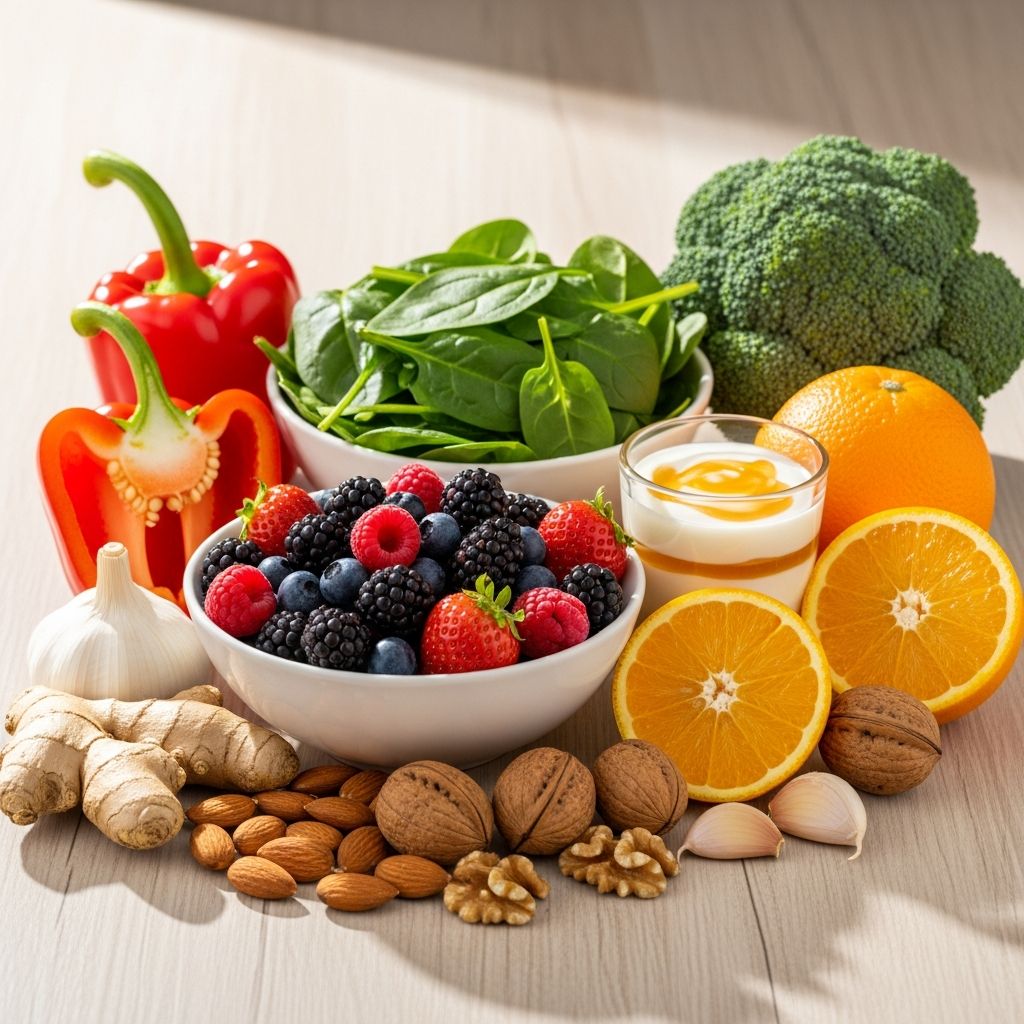
The immune system is your body’s natural defense against infections and diseases. Nourishing it with the right foods provides essential vitamins, minerals, antioxidants, and other bioactives that support immune cell function, reduce inflammation, and promote gut health. A plant-based diet rich in fruits, vegetables, whole grains, nuts, seeds, and some animal products like fatty fish and yogurt can optimize immune responses, as evidenced by studies linking higher fruit and vegetable intake to stronger vaccine responses and lower COVID-19 severity.
Why Diet Matters for Immunity
A balanced diet delivers micronutrients like vitamins C, D, E, zinc, and selenium, along with amino acids, omega-3 fatty acids, beta-glucans, polyphenols, and prebiotics that train and support immune cells. Research shows that 80-90% of immune function relies on gut microbes, which thrive on fiber from fruits, vegetables, whole grains, and fermented foods. Plant-based diets are associated with reduced infection risk, while inadequate nutrition impairs antibody production and increases susceptibility to illness.
Athletes and older adults benefit particularly from immunoprotective eating patterns, as underfueling leads to deficiencies in protein, carbs, iron, and vitamin D, heightening injury and illness risk. Aim for diverse, colorful produce, adequate protein (20-30g per meal), carbs (3-5g/kg body weight daily), and healthy fats to spare protein for immune functions like antibody synthesis.
1. Citrus Fruits
Citrus fruits like oranges, grapefruits, lemons, and limes are powerhouse sources of
vitamin C
, a potent antioxidant that enhances white blood cell production and function. Vitamin C protects against oxidative stress during infections and supports skin barrier integrity, a first line of defense.- One medium orange provides about 70mg of vitamin C, roughly 80% of the daily recommended intake.
- Lemons and limes add flavor to water or meals, boosting hydration and absorption of other nutrients.
- Studies link higher vitamin C intake from fruits to improved immune biomarkers and reduced cold duration.
Incorporate citrus into smoothies, salads, or as snacks. Those with acid sensitivity can opt for low-acid varieties or pair with yogurt to buffer stomach acidity.
2. Yogurt and Fermented Foods
Yogurt with live probiotics introduces beneficial bacteria like lactobacilli and bifidobacteria that modulate gut microbiota, where 80-90% of immune cells reside. Probiotics enhance vaccine responses and reduce respiratory infection incidence by promoting anti-inflammatory cytokines.
- Choose plain, Greek yogurt with at least 10^9 CFU live cultures per serving.
- Kefir, kombucha, sauerkraut, and kimchi offer diverse strains for broader gut support.
- Fermented foods increase short-chain fatty acids that fuel immune cells in the gut lining.
Consume 1-2 servings daily. Pair with berries for synergistic vitamin C and polyphenol effects. Avoid sweetened varieties to prevent microbial imbalances.
3. Garlic
Garlic contains
allicin
, a sulfur compound released when cloves are crushed, with antimicrobial and immune-modulating properties. It activates white blood cells like macrophages and natural killer cells, while reducing inflammation.- Raw garlic maximizes allicin; aged extracts provide stable benefits without odor.
- Studies show garlic supplements cut cold incidence by 63% in frequent sufferers.
- It supports gut health by favoring beneficial bacteria growth.
Related Stories



Add minced garlic to stir-fries, soups, or dressings. For daily intake, aim for 1-2 cloves or 600-1200mg aged extract.
4. Ginger
Ginger’s
gingerols
andshogaols
offer anti-inflammatory and antioxidant effects, inhibiting viral replication and easing respiratory symptoms. It enhances immune cell activity and promotes digestion for better nutrient absorption.- Fresh ginger tea soothes sore throats; powdered form works in recipes.
- Research indicates ginger reduces inflammation markers like CRP.
- Combines well with turmeric for amplified curcumin bioavailability.
Grate 1-2 inches fresh ginger daily into teas, smoothies, or meals.
5. Spinach
This leafy green is loaded with
vitamin C, beta-carotene, and antioxidants
that convert to vitamin A, crucial for maintaining mucosal barriers in lungs and gut. Folate and iron further support immune proliferation.- One cup cooked spinach delivers over 100% daily vitamin A and 30% vitamin C.
- Deep green color signals high phytochemical content for immune training.
- Steaming preserves nutrients better than boiling.
Sauté with garlic or blend into green smoothies. Rotate with kale and Swiss chard for variety.
6. Almonds
Almonds provide
vitamin E
, a fat-soluble antioxidant protecting cell membranes during oxidative bursts in immune responses. They also offer zinc, selenium, and healthy fats.- A 1-ounce handful (23 almonds) meets 37% daily vitamin E needs.
- Fiber and polyphenols support gut microbiota diversity.
- Prefer unsalted, raw or dry-roasted to avoid excess sodium.
Snack on almonds or sprinkle on yogurt. Combine with berries for complete antioxidant synergy.
7. Turmeric
**Curcumin** in turmeric is a potent anti-inflammatory that blocks NF-kB pathways, mimicking corticosteroid effects without side effects. It enhances antibody responses and antioxidant defenses.
- Pair with black pepper for 2000% better absorption.
- Golden milk or curries deliver therapeutic doses (1-3g daily).
- Clinical trials show reduced upper respiratory infections.
Use fresh or powdered root in cooking; supplements ideal for consistency.
8. Green Tea
Rich in
EGCG catechins
, green tea inhibits viral entry and boosts T-cell function. L-theanine promotes relaxed alertness, aiding stress management for immune health.- 3-4 cups daily optimal; matcha concentrates benefits.
- Antioxidants combat exercise-induced immune suppression in athletes.
Brew fresh; avoid sweetened bottled versions.
9. Papaya
Papaya supplies
vitamin C, folate, and papain enzyme
aiding digestion and immune modulation. Lycopene adds antioxidant power against inflammation.- One papaya fruit exceeds daily vitamin C requirements.
- Seeds have antiparasitic properties.
Eat ripe or in salads.
10. Kiwi
Kiwi fruits pack more
vitamin C than oranges
, plus vitamin E, potassium, and fiber for gut-immune axis support.- Two kiwis fulfill adult vitamin C needs.
- Improves sleep, indirectly bolstering immunity.
Skin edible for extra fiber.
11. Poultry
Chicken and turkey deliver
vitamin B6
and protein for antibody production. Selenium in skin-on cuts enhances antiviral responses.- 3oz chicken breast provides 50% B6 daily value.
- Bone broth concentrates nutrients.
Opt for lean, organic sources.
12. Shellfish and Sunflower Seeds (Zinc Sources)
Zinc from oysters, crab, and seeds is vital for immune cell development; deficiency impairs function.
- Oysters: richest source; 1oz exceeds RDA.
- Sunflower seeds: 1oz for 20% RDA.
Moderate intake avoids copper imbalance.
13. Sweet Potatoes and Red Peppers (Beta-Carotene)
Convert to vitamin A for mucosal immunity.
- Bake sweet potatoes; roast peppers.
14. Mushrooms and Fatty Fish (Vitamin D, Omega-3s)
Mushrooms (UV-exposed) and salmon provide vitamin D and EPA/DHA to regulate inflammation. Aim 250mg DHA/EPA daily if not eating fish.
15. Broccoli and Berries (Antioxidants)
Sulforaphane in broccoli activates Nrf2; berries’ polyphenols train immunity.
Building an Immune-Boosting Diet
Combine foods: yogurt parfait with berries/almonds; salmon spinach salad; ginger-turmeric tea. Prioritize whole foods over supplements, except vitamin D (2000-4000 IU winter). Hydrate, sleep, exercise for synergy.
Frequently Asked Questions (FAQs)
What is the single best food for immunity?
No single food suffices; diverse plant-based intake with proteins/fats optimizes nutrient synergy.
Can supplements replace foods?
Foods provide bioactives supplements lack; use targeted supps like D, omega-3 only.
How much protein for immune health?
20-30g/meal, more plant sources require higher calories.
Do fermented foods really help?
Yes, they enhance gut microbiota and vaccine responses.
Best diet pattern for immunity?
Plant-based with fruits/veggies (5+ servings), whole grains, fatty fish.
References
- Foods to deliver immune-supporting nutrients — Calder PC et al. PMC. 2021-11-24. https://pmc.ncbi.nlm.nih.gov/articles/PMC8702655/
- The Athlete’s Kitchen: Optimizing Your Immune Response — American College of Sports Medicine (ACSM). 2023-10-01. https://acsm.org/athletes-kitchen-optimizing-immune-response/
Similar Articles








Read full bio of medha deb