Best Foods For Low Blood Pressure: 5 Science-Backed Choices
Discover nutrient-rich foods and dietary strategies to naturally raise low blood pressure and boost energy levels effectively.
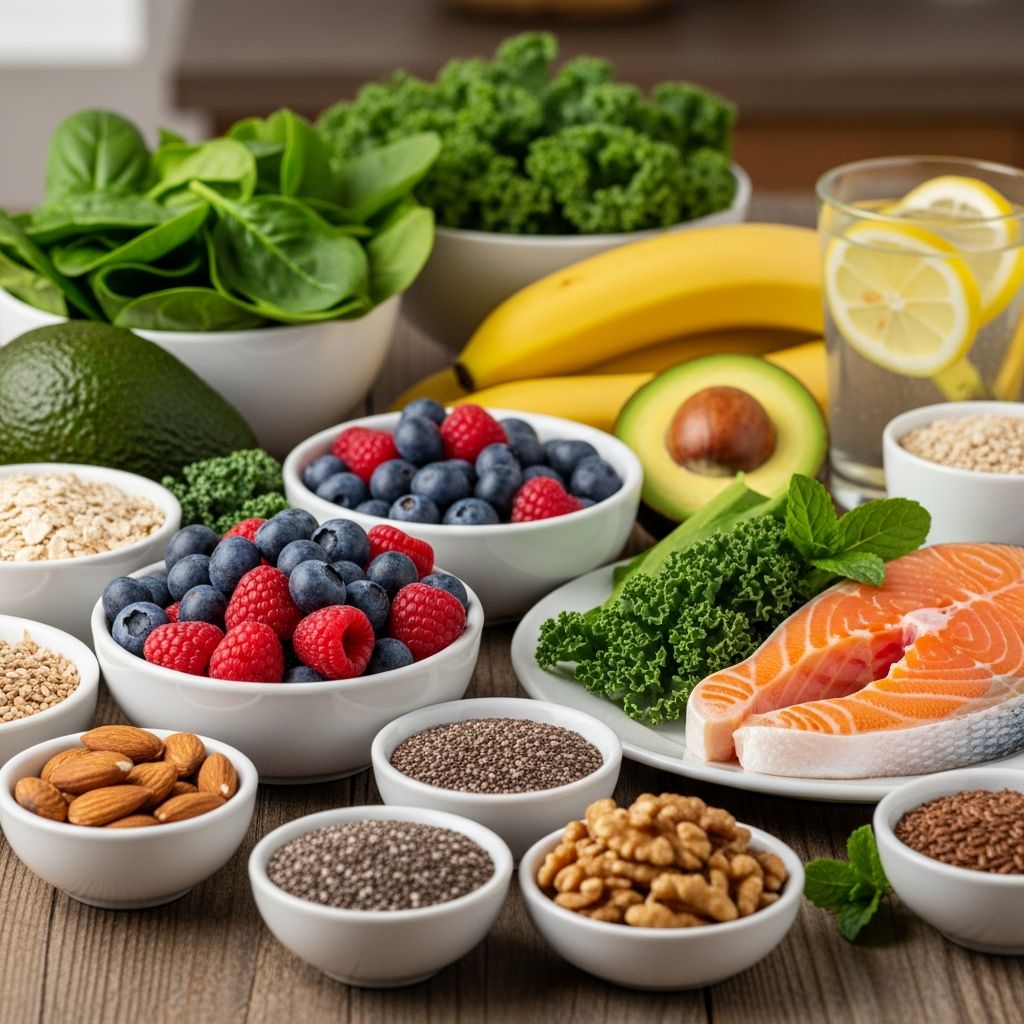
Low blood pressure, or hypotension, affects millions and can cause dizziness, fainting, fatigue, and blurred vision. While medication may be necessary in severe cases, dietary changes play a crucial role in raising blood pressure naturally. Incorporating
salty foods
,iron-rich options
,B-vitamin-packed foods
, and staying hydrated can help counteract symptoms effectively. This guide outlines the best foods, backed by health experts, to support better blood flow and energy levels.What Is Low Blood Pressure?
Low blood pressure is defined as a reading below 90/60 mm Hg. It occurs when blood flows through arteries at lower-than-normal rates, often due to dehydration, anemia, heart issues, or endocrine problems. Common symptoms include lightheadedness upon standing, nausea, and concentration difficulties. Unlike high blood pressure, which requires sodium reduction,
low blood pressure benefits from moderate sodium increases
to constrict blood vessels and retain fluids. Always consult a doctor before major diet changes, especially if symptoms persist.Understanding the Role of Diet in Managing Low Blood Pressure
Diet influences blood pressure by affecting fluid balance, red blood cell production, and vascular tone. Key strategies include:
- Increasing sodium: Sodium helps the body hold water, expanding blood volume.
- Boosting iron and B12: These combat anemia-related hypotension by improving oxygen transport.
- Choosing complex carbs: Avoid quick-digesting processed carbs that cause post-meal drops; opt for steady-energy sources.
- Staying hydrated: Water with electrolytes prevents dehydration-induced lows.
Experts from the British Heart Foundation recommend nutrient-dense, salty whole foods over processed junk. Combining these with small, frequent meals stabilizes levels throughout the day.
Best Foods to Raise Low Blood Pressure
Focus on these categories for targeted benefits. Aim for balanced meals with a mix to maximize efficacy.
1. Salty Foods
Sodium is the cornerstone for raising low blood pressure. It prompts kidneys to retain water, increasing blood volume. Add
1/2 teaspoon extra salt daily
, but monitor with a doctor to avoid excess.- Olives: A handful provides 300-500mg sodium; snack or add to salads.
- Cottage cheese: Low-fat versions offer protein and 400mg sodium per cup.
- Canned tuna or soup: Rinse less to retain natural salts; choose low-sugar varieties.
- Anchovies and smoked fish: Tiny portions pack flavor and sodium punch.
- Pickles and sauerkraut: Fermented options aid gut health too.
2. Iron-Rich Foods
Anemia from iron deficiency causes many hypotension cases. Iron builds hemoglobin for better oxygen delivery, stabilizing pressure. Pair with vitamin C for absorption.
- Pork liver: 15mg iron per 100g; pan-fry thinly.
- Lean meats and shrimp: Beef, chicken deliver heme iron efficiently.
- Fish and eggs: Salmon and boiled eggs for versatile meals.
- Legumes: Lentils, chickpeas as plant-based boosts.
3. B-Vitamin Powerhouses (B12 and Folate)
Vitamin B12 and folate prevent megaloblastic anemia, a hypotension trigger. Deficiencies mimic low-pressure symptoms like fatigue.
- Liver and milk: Organ meats top B12 lists; dairy adds folate.
- Asparagus and broccoli: Folate-rich veggies for sides.
4. Raisins and Licorice Root
Related Stories



Traditional remedies:
Raisins
support adrenals; soak 30-40 overnight and eat empty-stomach.Licorice root tea
normalizes cortisol-driven lows, but limit to 1 cup daily to avoid side effects.5. Complex Carbohydrates and Proteins
Steer clear of processed carbs; choose oats, quinoa, nuts for sustained energy without crashes. Proteins like nuts stabilize meals.
Sample Meal Plan for Low Blood Pressure
This 1-day plan (approx. 2,000 calories) incorporates top foods. Adjust portions as needed.
| Meal | Foods | Key Benefits |
|---|---|---|
| Breakfast | Oatmeal with raisins, milk, and salted almonds | Carbs, B-vits, sodium |
| Mid-morning Snack | Cottage cheese with olives and tomato | Sodium, protein |
| Lunch | Grilled chicken liver salad with asparagus, olive oil dressing | Iron, folate, healthy fats |
| Afternoon Snack | Licorice tea + handful salted nuts | Cortisol support, sodium |
| Dinner | Baked salmon, quinoa, broccoli with added salt | Omega-3s, complex carbs, iron |
| Evening | Yogurt with pickles | Probiotics, sodium |
Drink 8-10 glasses of water, adding a pinch of salt to 2-3 for electrolyte boost.
What to Avoid with Low Blood Pressure
- Low-salt diets: Counterproductive; skip DASH fully.
- Processed carbs: Cause spikes/drops.
- Excess alcohol/caffeine: Dehydrate, worsening lows.
- Large meals: Opt for 5-6 small ones.
Lifestyle Tips Beyond Food
- Stand slowly to prevent orthostatic hypotension.
- Compression stockings improve circulation.
- Exercise lightly: walking, yoga.
Frequently Asked Questions (FAQs)
Q: How much salt is safe for low blood pressure?
A: Aim for 2,300-3,000mg daily from whole foods; consult a doctor for personalization.
Q: Can dehydration cause low blood pressure?
A: Yes; drink salted water proactively.
Q: Are raisins effective for hypotension?
A: Yes, daily soaked raisins support adrenal function.
Q: Should I avoid all fruits?
A: No, but pair with salt/protein to balance sugars.
Q: When to see a doctor?
A: If fainting, chest pain, or persistent symptoms occur.
References
- What To Eat To Help Raise Low Blood Pressure — Manhattan Cardiology. 2023. https://manhattancardiology.com/blog/what-to-eat-to-help-raise-low-blood-pressure/
- Dietary guidelines for individuals with low blood pressure — Vinmec. 2024. https://www.vinmec.com/eng/blog/diet-for-people-with-low-blood-pressure-en
- 5 tips to try if you have low blood pressure — British Heart Foundation. 2025-01-15. https://www.bhf.org.uk/informationsupport/heart-matters-magazine/medical/how-to-treat-low-blood-pressure
- Your Guide to Lowering Your Blood Pressure with DASH — National Heart, Lung, and Blood Institute (NHLBI), NIH. 2022. https://www.nhlbi.nih.gov/files/docs/public/heart/new_dash.pdf
Similar Articles








Read full bio of Sneha Tete