Best Foods To Boost Your Energy: Essential Guide For Vitality
Discover the top nutrient-packed foods that deliver sustained energy, combat fatigue, and keep you powered all day long without crashes.
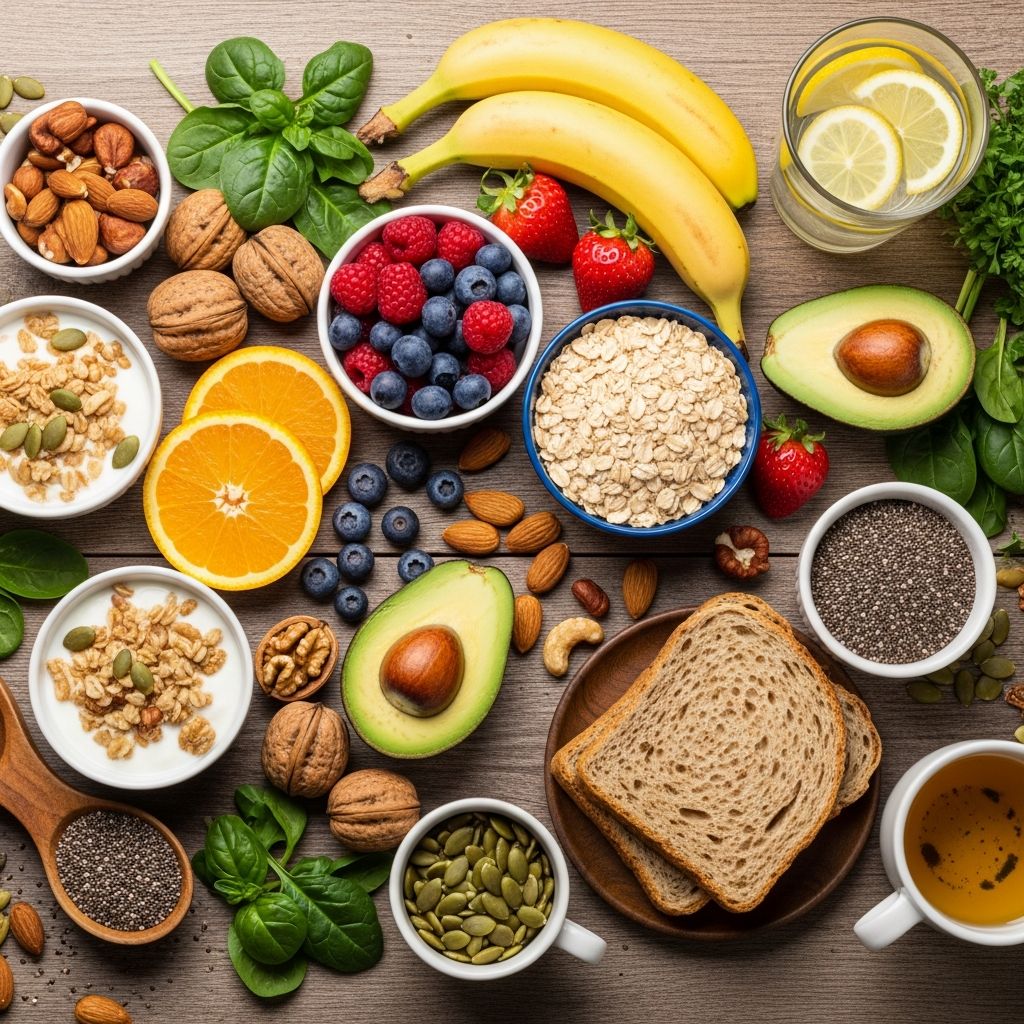
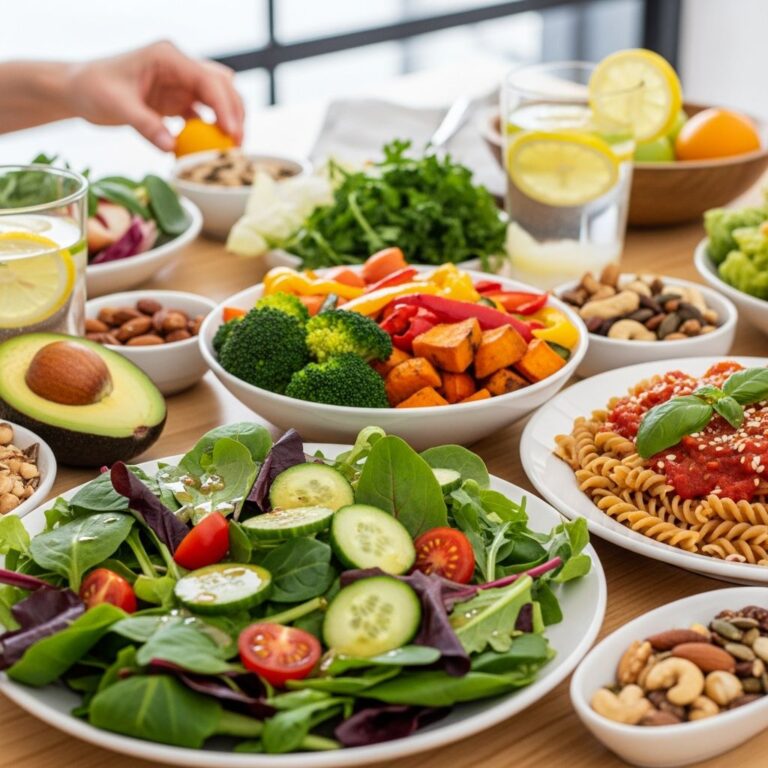
Feeling drained midday? The right foods can provide steady, long-lasting energy without the crashes from sugary snacks. Nutrient-dense options like complex carbohydrates, lean proteins, healthy fats, fruits, vegetables, dark chocolate, and Greek yogurt fuel your body efficiently by stabilizing blood sugar and supporting overall vitality.
Complex Carbohydrates: The Key to Sustained Energy and Stamina
Complex carbohydrates serve as the body’s primary energy source, releasing glucose slowly into the bloodstream for consistent fuel throughout the day. Unlike simple sugars that spike and crash energy levels, these fiber-rich foods promote steady stamina, making them ideal for maintaining focus and productivity.
Harvard T.H. Chan School of Public Health emphasizes that complex carbs help regulate blood sugar, preventing fatigue associated with rapid drops. Incorporating them into meals ensures prolonged energy for daily activities, workouts, and mental tasks.
- Whole grains like oats, quinoa, brown rice, and whole-wheat bread: These are packed with B vitamins and fiber, supporting energy metabolism and digestion.
- Sweet potatoes and starchy vegetables: High in complex carbs and potassium, they provide sustained fuel while aiding muscle function.
- Legumes such as beans, lentils, and chickpeas: Rich in protein and fiber, they offer dual benefits for satiety and steady energy release.
To maximize benefits, start your day with oatmeal topped with fruits or swap white rice for quinoa in lunches. This approach keeps energy levels balanced, reducing the need for caffeine boosts.
Lean Proteins: Fuel Your Body for Longer-lasting Energy
Lean proteins are crucial for stabilizing blood sugar and curbing hunger, ensuring energy doesn’t wane between meals. They support muscle repair and neurotransmitter production, vital for mental alertness.
According to the National Institutes of Health, proteins slow digestion, providing a steady energy supply that combats midday slumps. Pairing them with carbs enhances absorption and prolongs effects.
- Chicken breast, turkey, and lean cuts of beef: Low-fat options that deliver high-quality protein without excess calories.
- Fish like salmon and tuna: Omega-3 fatty acids add anti-inflammatory benefits, boosting brain function and endurance.
- Plant-based proteins such as tofu, beans, and lentils: Versatile for vegetarians, combining protein with fiber for optimal energy.
Incorporate grilled chicken salads or tuna wraps for lunches. Snacks like hard-boiled eggs or edamame keep protein intake steady, powering you through afternoons.
Healthy Fats: Slow-release Fuel to Keep You Energized
Healthy fats offer calorie-dense, slow-burning energy that sustains you longer than carbs alone. They help maintain hormone balance and reduce inflammation, key for overall vitality.
The American Heart Association notes that monounsaturated and polyunsaturated fats stabilize energy by slowing gastric emptying, preventing hunger spikes. They’re especially useful for high-activity days.
- Nuts and seeds (almonds, chia seeds, flaxseeds): Portable snacks loaded with omega-3s and magnesium for energy production.
- Avocados: Creamy texture with heart-healthy fats that enhance nutrient absorption from other foods.
- Olive oil and coconut oil: Use for cooking or dressings to add flavor and sustained fuel.
Related Stories



Drizzle olive oil on veggies or blend avocado into smoothies. A handful of almonds mid-morning curbs cravings while providing hours of energy.
Fruits and Vegetables: Natural Energy Boosters for Your Body
Fruits and vegetables deliver quick yet sustained energy through natural sugars, vitamins, and minerals. They’re low-calorie powerhouses that hydrate and alkalize the body, fighting oxidative stress.
- Bananas: Potassium-rich for muscle support and quick carbs; ideal pre-workout.
- Leafy greens like spinach and kale: Iron combats anemia-related fatigue, per Mayo Clinic.
- Berries such as blueberries, strawberries, and blackberries: Antioxidants reduce inflammation, enhancing mitochondrial function for better energy, as per Harvard Health Publishing.
Aim for five servings daily: smoothies with spinach and berries or banana slices with nut butter. Their high water content also aids hydration, amplifying energy effects.
Hydration: The Unsung Hero of Energy Maintenance
Dehydration causes fatigue faster than hunger, as even mild fluid loss impairs focus and strength. Proper hydration transports nutrients and regulates temperature for peak performance.
- Water: Essential base; aim for half your body weight in ounces daily.
- Herbal teas like peppermint or ginger: Caffeine-free refreshers with digestive benefits.
- Coconut water and infused water: Electrolyte replenishment for active days.
Sip throughout the day; infuse with fruits for flavor. Hydration pairs perfectly with energy foods, maximizing their impact.
Dark Chocolate: A Sweet Boost for Quick Energy
Dark chocolate (70% cocoa+) contains caffeine, theobromine, and flavonoids for alertness without jitters. It improves blood flow and mood, offering a guilt-free pick-me-up.
Mayo Clinic recommends moderation: 1-2 squares provide sustained lift via antioxidants that support endothelial function. Melt into yogurt or eat plain for instant vitality.
Greek Yogurt: A Protein-packed Snack to Keep You Energized
Greek yogurt’s strained process yields double the protein, plus probiotics for gut health, which influences 90% of serotonin production tied to energy and mood.
Top with berries, honey, or nuts for a balanced snack sustaining 3-4 hours. Its calcium and B12 further aid metabolism.
Pre- and Post-Workout Nutrition for Optimal Energy
Timing fuels workouts effectively. Pre-workout: carbs + protein 30-60 minutes prior. Post: recovery mix within 30 minutes.
- Pre-workout: Banana with peanut butter.
- Post-workout: Protein shake with fruit.
Tips for Maximizing Your Energy Throughout the Day
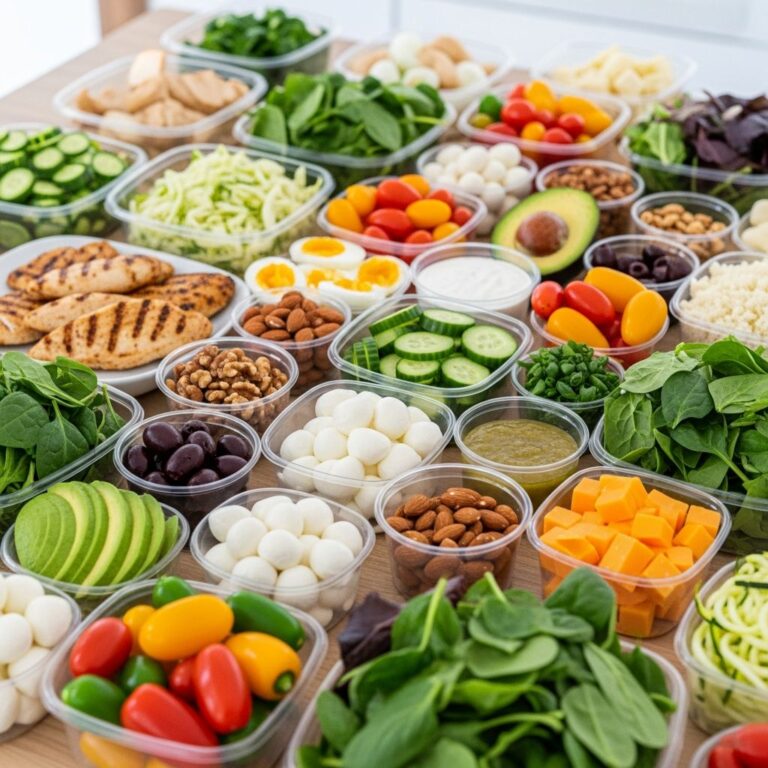
- Eat smaller, balanced meals: Every 3-4 hours to stabilize blood sugar.
- Combine food groups: Protein + fats + carbs for synergy.
- Limit processed snacks: Choose whole foods to avoid crashes.
- Snack smart: Yogurt parfaits or nut mixes.
Frequently Asked Questions (FAQs)
What are the best foods for quick energy?
Bananas, dark chocolate, and berries provide rapid yet sustained boosts due to natural sugars and stimulants.
Can dehydration cause low energy?
Yes, even 2% fluid loss impairs performance; hydrate consistently with water or electrolyte drinks.
How much protein do I need for energy?
0.8-1.2g per kg body weight daily, spread across meals, per NIH guidelines.
Are nuts good for sustained energy?
Absolutely; their healthy fats and protein prevent spikes and crashes.
What’s a perfect energy-boosting breakfast?
Oatmeal with Greek yogurt, berries, and nuts combines all key macronutrients.
References
- Stop Feeling Tired: Power Foods to Boost Energy — Hydrocephalus Association. 2023. https://www.hydroassoc.org/stop-feeling-tired-power-foods-boost-energy/
- Nutrition and Energy Balance — National Institutes of Health (NIH). 2024-10-15. https://www.nih.gov/news-events/news-releases/nih-study-finds-protein-intake-key-energy-balance
- Carbohydrates and Blood Sugar — Harvard T.H. Chan School of Public Health. 2025-03-01. https://www.hsph.harvard.edu/nutritionsource/carbohydrates/
- Iron Deficiency and Fatigue — Mayo Clinic. 2024-11-20. https://www.mayoclinic.org/diseases-conditions/iron-deficiency-anemia/symptoms-causes/syc-20355034
- Healthy Fats and Heart Health — American Heart Association. 2025-01-10. https://www.heart.org/en/healthy-living/healthy-eating/eat-smart/fats/healthy-cooking-oils
Similar Articles








Read full bio of Sneha Tete