9 Best Foods for an Upset Stomach According to Doctors
Expert-approved foods to soothe your stomach and ease digestive discomfort naturally.
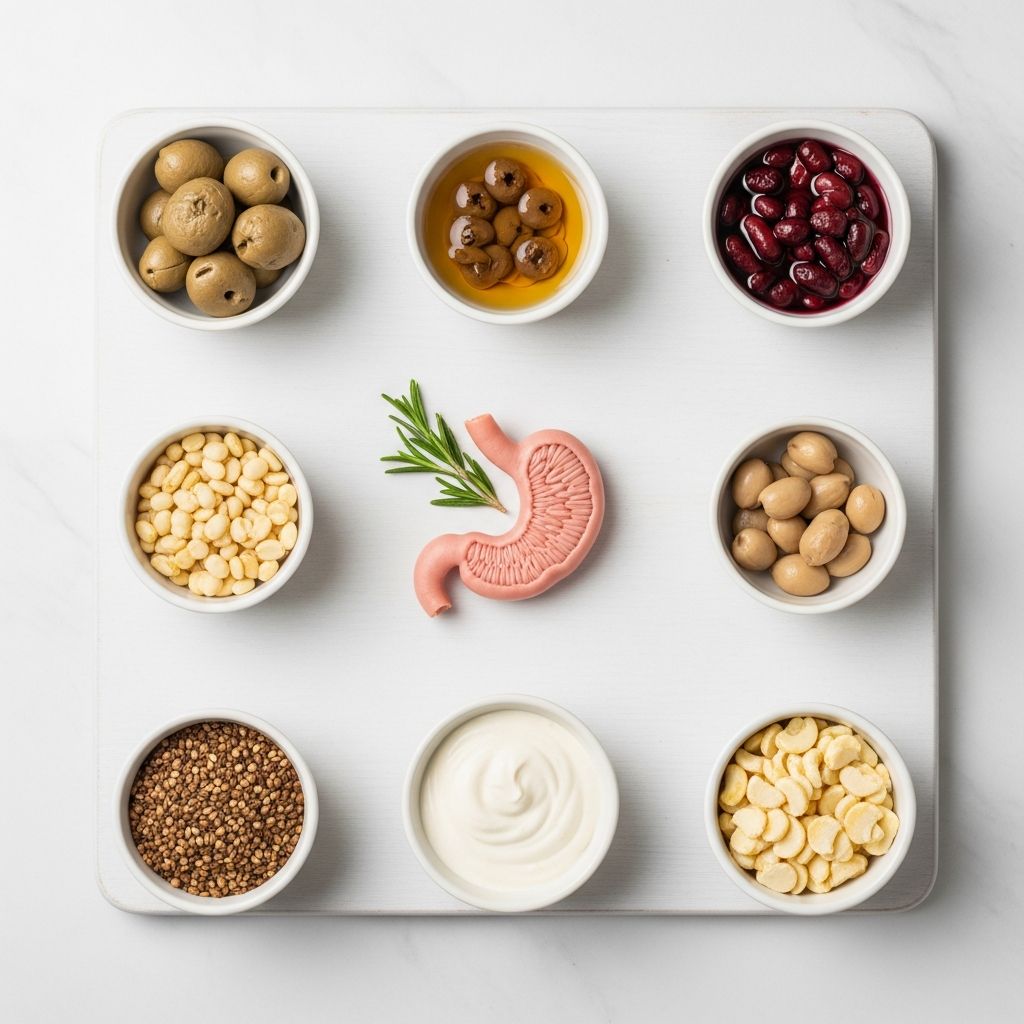
An upset stomach can range from mildly uncomfortable to debilitating, affecting your ability to work, exercise, and enjoy daily activities. Whether caused by food poisoning, viral gastroenteritis, stress, or dietary changes, stomach distress is one of the most common health complaints. Rather than immediately reaching for medication, many gastroenterologists recommend starting with dietary modifications, as the right foods can significantly ease symptoms and promote faster recovery.
The key to managing an upset stomach through diet is choosing foods that are easy to digest, gentle on the gastrointestinal tract, and unlikely to trigger additional symptoms like nausea or cramping. This guide explores the nine best foods for upset stomach relief, as recommended by medical professionals, along with practical advice for when to eat each option.
Understanding Upset Stomach and Dietary Management
When your digestive system is compromised, it struggles to break down complex foods efficiently. High-fat, high-fiber, and heavily processed foods require more digestive effort, potentially worsening symptoms like bloating, nausea, and cramping. By contrast, foods that are already partially broken down or naturally easy to digest place minimal stress on your system, allowing your stomach to heal.
Different stomach issues require different dietary approaches. Diarrhea, constipation, nausea, and cramping each benefit from specific food choices. Understanding which foods address your particular symptoms ensures you’re making the most effective dietary choices for recovery.
The BRAT Diet: A Foundation for Upset Stomach Relief
The BRAT diet—an acronym for bananas, rice, applesauce, and toast—remains one of the most widely recommended dietary approaches for upset stomachs, particularly when diarrhea is involved. These four foods form the cornerstone of gentle gastrointestinal nutrition because they share common characteristics: they’re bland, easily digestible, and naturally binding.
According to gastroenterologists, the BRAT diet is especially helpful when traveling or in situations where access to medical care is limited. The starch content in these foods works to bind food together in the digestive tract, creating firmer stools and reducing the frequency of bowel movements associated with diarrhea.
White Rice
White rice is refined and processed, meaning the fiber that makes brown rice and whole grains more difficult to digest has been stripped away. This makes white rice significantly easier on your stomach compared to its whole-grain counterparts. Serve it plain, without butter or oil, to maintain its gentle digestive profile.
White Bread and Toast
Like white rice, white bread has had its fiber removed during processing, making it far easier to digest than whole-wheat or whole-grain varieties. While fiber is essential for overall health on normal days, when your stomach is compromised, refined carbohydrates provide needed calories without taxing your digestive system. Plain toast is ideal, though crackers and unsalted pretzels also work well in this category.
Related Stories



Bananas
Ripe bananas are superior to under-ripe ones when dealing with stomach issues. As bananas ripen and develop brown spots, their resistant starches—which are difficult to digest—convert into simple sugars that your gut can process effortlessly. Additionally, bananas can be naturally constipating, making them particularly beneficial for diarrhea. They also provide potassium, an electrolyte often lost during gastrointestinal distress.
Applesauce
Applesauce is considered “predigested” because it’s already broken down into a form your stomach doesn’t have to work hard to process. Unlike whole apples, which contain fiber and require significant digestive effort, applesauce delivers nutrition in an accessible form. It’s sweet enough to be palatable when you’re not feeling well, making compliance with a bland diet easier.
Protein Options for Upset Stomach Recovery
Lean Chicken and Turkey
When selecting protein sources during stomach distress, lean options like chicken and turkey are ideal. The key is preparation method—avoid frying and sautéing, which add fat that can exacerbate nausea. Instead, opt for baking or boiling these proteins. Fish can also be appropriate, but avoid oily varieties like mackerel and sardines, which may be too heavy for a compromised digestive system.
Eggs
Hardboiled eggs are the preferred preparation method because they require only water and achieve complete cooking. They provide protein and nutrients without excessive fat or preparation complexity. If you prefer scrambled eggs, prepare them with minimal butter to maintain their gentle digestive profile.
Hydrating and Nourishing Foods
Watermelon
Watermelon is primarily composed of water, making it exceptionally light on the digestive system. Because watermelon contains minimal fiber, it absorbs easily through the digestive tract, placing little demand on your stomach. This high water content also aids hydration during episodes of diarrhea, when fluid loss is significant. The minimal fiber means less material reaches the colon for processing, reducing digestive strain.
Sweet Potatoes
Sweet potatoes offer more flavor and nutrition than many bland stomach-friendly foods. They’re high in potassium, a mineral often depleted during gastrointestinal illness. However, eat only the insides without the skin, as the skin’s higher fiber content can trigger symptoms. Bake sweet potatoes and scoop out the interior for a nutrient-dense, easily digestible meal.
Porridge
Soft, plain porridge serves as an excellent carbohydrate source when your stomach is upset. Its smooth, easily digestible texture requires minimal effort to break down, and it can be made bland or mildly flavored depending on your tolerance.
Natural Remedies and Supportive Foods
Ginger
Ginger possesses significant anti-inflammatory properties that help soothe an upset stomach. Beyond inflammation reduction, ginger contains compounds that accelerate stomach contractions, moving troublesome foods through your system more quickly. Research demonstrates that pregnant individuals experiencing nausea consumed just under 1 gram of ginger daily for four days and reported five times less nausea and vomiting. Ginger can be consumed as a chew, supplement, tea, or added to beverages. Studies show that ginger may be more effective than placebo for pregnancy-related nausea and vomiting, possibly because it accelerates stomach emptying.
Applesauce (Repeated for Emphasis)
Its predigested nature makes it one of the most accessible foods during stomach upset, combining nutritional benefit with digestive ease.
Beverages and Electrolyte Replacement
When experiencing nausea and vomiting, electrolyte drinks and sports drinks become essential. These beverages replace sodium, potassium, and other minerals lost through fluid loss. Additionally, peppermint and chamomile tea offer natural relief by relaxing digestive tract muscles and reducing cramping and intestinal spasms.
Addressing Specific Digestive Issues
For Diarrhea
The BRAT diet serves as the primary recommendation for diarrhea management. Beyond these foundational foods, avoid acidic fruits, alcohol, caffeine, dairy products, fried and spicy foods, and excess sugar. These substances either stimulate excess bowel movements or introduce compounds your system cannot handle while compromised.
For Constipation
Constipation requires the opposite approach. Soluble fiber breaks down in the digestive tract and acts as a natural stool softener. Include vegetables, fruits, prune juice, apple juice, quinoa, and whole grains. Avoid fast food, frozen meals, and packaged snacks, which lack the fiber needed for healthy bowel movements.
For Nausea and Vomiting
Beyond electrolyte replacement through sports and electrolyte drinks, ginger stands as the most researched natural remedy. Avoiding non-bland foods is essential, as complex flavors and heavy textures can trigger additional nausea.
For Menstrual Cramping
Doctors recommend a high-fiber, low-fat diet to lower inflammation and estrogen levels—the hormone responsible for menstrual cramping. Choose beans, fruit, prune juice, vegetables, and whole grains while avoiding animal products, fatty foods, processed items, and refined grains. If cramping intensifies or is accompanied by alarming symptoms, seek medical attention promptly.
Foods to Avoid During Stomach Upset
Certain foods universally trigger or worsen stomach distress. High-fat foods require excessive digestive effort. Spicy foods irritate inflamed tissues. Overly processed foods and those low in fiber provide inadequate nutrition while still demanding digestive work. Acidic fruits, caffeine, and alcohol further stress a compromised system.
Quick Reference: Foods by Stomach Condition
| Stomach Issue | Foods to Eat | Foods to Avoid |
|---|---|---|
| Diarrhea | Bananas, white rice, applesauce, white toast | Acidic fruits, alcohol, caffeine, dairy, fried foods, spicy food, sugar |
| Constipation | Vegetables, fruits, prune juice, apple juice, quinoa, whole grains | Fast food, frozen meals, packaged snacks |
| Nausea and Vomiting | Sports drinks, electrolyte drinks, ginger | Non-bland foods, heavy or spicy items |
| Menstrual Cramping | Beans, fruit, prune juice, vegetables, whole grains, Metamucil | Animal products, fatty foods, processed foods, refined grains |
When to Seek Medical Attention
While most stomach upset resolves with dietary modifications and time, certain symptoms warrant professional evaluation. Seek urgent care if you experience alarming symptoms accompanying cramping and pain, or if pain becomes sharp and increases in frequency, intensity, or duration. Persistent vomiting leading to dehydration, blood in stool, or unexplained weight loss also require medical attention.
Frequently Asked Questions
Q: How long should I follow the BRAT diet?
A: The BRAT diet typically helps within 24-48 hours for acute diarrhea. Once symptoms improve, gradually reintroduce other foods to avoid nutritional deficiencies, as the BRAT diet lacks certain nutrients needed for long-term health.
Q: Can I eat fiber when I have an upset stomach?
A: It depends on your specific issue. For diarrhea, avoid high-fiber foods initially. For constipation, soluble fiber is beneficial. For other stomach issues, gradually introduce easily digestible fiber sources like applesauce rather than raw vegetables or whole grains.
Q: Is ginger safe for everyone with stomach upset?
A: Ginger is generally safe and well-tolerated. However, those taking blood thinners or with bleeding disorders should consult healthcare providers before consuming large amounts. Pregnant individuals should stick to small amounts (under 1 gram daily), as research supports this dosage for nausea relief.
Q: Why is white rice better than brown rice for upset stomachs?
A: White rice has had its fiber removed during processing, making it significantly easier to digest. Brown rice’s fiber, while healthy under normal circumstances, requires more digestive effort when your stomach is compromised.
Q: Can I eat dairy products with an upset stomach?
A: Dairy should generally be avoided during acute stomach upset, particularly with diarrhea, as lactose can worsen symptoms. Once symptoms improve, you can gradually reintroduce dairy through easily digestible options like plain yogurt or mild cheese.
Q: Are there any foods that help with nausea beyond ginger?
A: Electrolyte drinks help maintain hydration during nausea and vomiting. Peppermint and chamomile tea relax digestive tract muscles and reduce cramping. Bland, easily digestible foods like toast, bananas, and applesauce are also easier to tolerate when nauseous.
References
- Foods for Upset Stomach: What To Eat and Avoid — Cleveland Clinic. 2024. https://health.clevelandclinic.org/foods-for-upset-stomach
- 11 Foods to Eat When You Have an Upset Stomach, From a Doctor — Women’s Health Magazine UK. 2024. https://www.womenshealthmag.com/uk/food/a61947986/easy-to-digest-foods/
- 8 Natural Remedies for Upset Stomach — Baptist Health. 2024. https://www.baptisthealth.com/blog/gastroenterology/8-natural-remedies-for-upset-stomach
Similar Articles








Read full bio of Sneha Tete