Best Foods For Vitamins And Minerals: Comprehensive Guide
Discover nutrient-dense foods that naturally provide essential vitamins and minerals for optimal health.
The Best Foods for Vitamins and Minerals: A Comprehensive Guide to Optimal Nutrition
Vitamins and minerals are essential nutrients that your body needs to function properly, yet cannot produce in sufficient quantities on its own. These micronutrients perform hundreds of vital roles in your body, from strengthening bones and healing wounds to boosting your immune system and converting food into energy. While supplements can play a role when dietary needs aren’t met through food alone, obtaining these nutrients from whole foods remains the gold standard for optimal health.
Understanding which foods are rich in specific vitamins and minerals empowers you to make informed dietary choices that support your long-term wellness. Rather than relying on expensive multivitamin supplements, a diet abundant in fruits, vegetables, whole grains, lean proteins, and healthful fats naturally delivers the micronutrients your body requires.
Understanding Vitamins and Minerals: The Basics
Despite their similar roles in maintaining health, vitamins and minerals differ fundamentally in their chemical composition. Vitamins are organic compounds that can be broken down by heat, air, or acid during cooking and storage. Minerals, by contrast, are inorganic and maintain their chemical structure regardless of cooking methods or environmental exposure. This distinction matters significantly because it affects how your body absorbs and utilizes these nutrients.
Your body requires at least 30 different vitamins, minerals, and dietary components to function optimally. These micronutrients work together in intricate ways—sometimes cooperatively and sometimes competitively—to maintain your health. For instance, vitamin D enables your body to absorb calcium from food sources, while vitamin C facilitates iron absorption. However, vitamin C can also block copper absorption, and excess manganese can worsen iron deficiency, demonstrating the complex interplay of these essential compounds.
Water-Soluble Vitamins: B Complex and Vitamin C
Water-soluble vitamins include the B-complex vitamins and vitamin C. These vitamins dissolve in water and are not stored in body fat, which means they need to be replenished regularly through diet. However, recent research has challenged the assumption that these vitamins must be consumed daily. Your liver can store several years’ worth of vitamin B12, and stores of folic acid and vitamin C can last more than a couple of days, functioning as time-release micronutrients in your system.
B Vitamins: The Energy Converters
The B-complex vitamins play crucial roles in converting food into usable energy and maintaining healthy tissues. These include thiamine (B1), riboflavin (B2), niacin (B3), pantothenic acid (B5), pyridoxine (B6), biotin (B7), folate (B9), and cobalamin (B12). Each vitamin serves specific functions in metabolism, nerve function, and red blood cell formation. Good dietary sources of B vitamins include whole grains, legumes, leafy greens, eggs, poultry, and dairy products.
Vitamin C: The Immune Support Nutrient
Vitamin C is a powerful antioxidant that supports immune function, collagen synthesis, and wound healing. Since your body cannot store large amounts of this water-soluble vitamin, regular consumption through food sources is essential. Citrus fruits, berries, bell peppers, broccoli, and kiwi are excellent natural sources of vitamin C that provide both the vitamin and beneficial dietary fiber.
Fat-Soluble Vitamins: A, D, E, and K
Fat-soluble vitamins dissolve in dietary fat and are stored in your body’s fatty tissues and liver. Because your body can accumulate these vitamins over time, it’s possible to develop toxic levels, particularly through supplementation. However, obtaining excessive amounts from whole foods alone is rare. These four vitamins work synergistically to maintain vision, bone health, immune function, and cellular protection.
Related Stories



Vitamin A: Vision and Immune Health
Vitamin A exists in two forms: preformed vitamin A (retinol) found in animal products and provitamin A (beta-carotene) found in plant-based foods. This vitamin quartet helps keep your eyes, skin, lungs, gastrointestinal tract, and nervous system in good repair. Rich sources include liver, sweet potatoes, carrots, spinach, kale, and other orange and dark leafy vegetables. The natural form of beta-carotene in foods can be converted to vitamin A as your body needs it, providing a natural safety mechanism against toxicity.
Vitamin D: The Sunshine Vitamin
Vitamin D is unique because your body can synthesize it when skin is exposed to sunlight. However, many people have insufficient sun exposure, making dietary sources important. Fatty fish such as salmon and mackerel, egg yolks, mushrooms exposed to sunlight, and fortified dairy products provide dietary vitamin D. This vitamin is essential for calcium absorption and bone health, making it particularly important as we age.
Vitamin E and K: Antioxidant and Clotting Support
Vitamin E functions as a powerful antioxidant, protecting cells from damage. Nuts, seeds, vegetable oils, and leafy greens are excellent sources. Vitamin K, essential for blood clotting and bone metabolism, is abundantly found in cruciferous vegetables like broccoli and Brussels sprouts, as well as leafy greens like spinach and kale.
Major Minerals: Building Blocks of Health
Major minerals are those your body needs in larger quantities. These include calcium, phosphorus, magnesium, sodium, chloride, and potassium. While not more important than trace minerals, they are present in your body in greater amounts and serve critical structural and regulatory functions.
Calcium and Phosphorus: Bone Architecture
Calcium and phosphorus work together to build and maintain strong bones and teeth. Dairy products like milk, yogurt, and cheese are classic sources, but also consider leafy greens, fortified plant-based milks, and fish with edible bones like sardines and canned salmon. Adequate calcium intake throughout life, particularly during adolescence and early adulthood, establishes peak bone mass and reduces osteoporosis risk later.
Magnesium: The Metabolic Master
Magnesium participates in over 300 enzymatic reactions in your body, making it essential for muscle and nerve function, energy production, and bone health. Leafy greens, nuts, seeds, whole grains, and legumes are magnesium-rich foods that also provide other beneficial nutrients.
Electrolytes: Sodium, Potassium, and Chloride
These three minerals maintain proper fluid balance and support nerve transmission and muscle contraction. While sodium is often overconsumed in processed foods, potassium may be under-consumed. Bananas, sweet potatoes, spinach, beans, and avocados provide potassium without excess sodium, supporting cardiovascular health.
Trace Minerals: Small But Mighty
Trace minerals are required in smaller quantities but are equally vital for health. These include iron, zinc, copper, iodine, selenium, manganese, and chromium. Each plays specific roles in immune function, thyroid health, energy metabolism, and antioxidant defense.
Iron: Oxygen Transport and Energy
Iron exists in two forms: heme iron from animal sources and non-heme iron from plants. Heme iron is more readily absorbed by your body. Red meat, poultry, fish, beans, lentils, and fortified cereals all provide iron. Consuming vitamin C-rich foods alongside iron-rich foods enhances absorption significantly.
Zinc: Immune Function and Wound Healing
Zinc supports immune function, wound healing, and protein synthesis. Oysters contain exceptionally high zinc levels, while beef, poultry, nuts, seeds, and legumes provide reliable amounts. Plant-based sources contain compounds that inhibit zinc absorption, making varied dietary sources particularly important for vegetarians.
Selenium and Iodine: Thyroid Support
Selenium and iodine are essential for thyroid function and metabolism. Brazil nuts are exceptionally rich in selenium, while sea vegetables, fish, dairy products, and iodized salt provide iodine. These minerals also function as antioxidants, protecting cells from oxidative damage.
Antioxidant Foods: Protection at the Cellular Level
Antioxidant compounds in foods help protect your cells from damage caused by free radicals. Carotenoids like lycopene in tomatoes and lutein in kale, flavonoids such as anthocyanins in blueberries and catechins in green tea, and vitamins C and E all provide antioxidant protection. Research suggests that consuming higher levels of these antioxidants through whole foods offers greater health benefits than supplements, with people consuming antioxidant-rich diets showing lower disease risk.
Top Nutrient-Dense Foods to Include in Your Diet
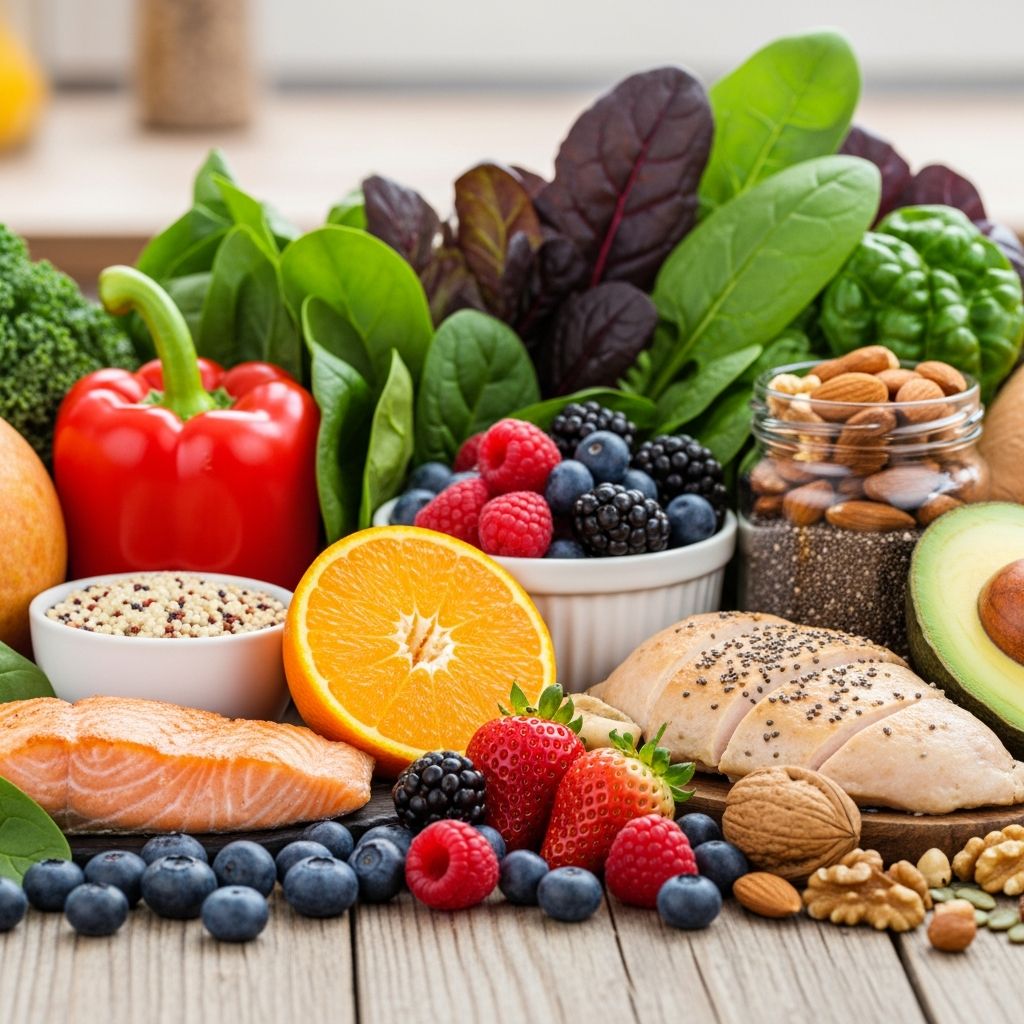
Rather than memorizing individual vitamin and mineral content, focus on consuming a variety of nutrient-dense whole foods. These foods naturally provide multiple vitamins and minerals in bioavailable forms:
Leafy Greens
Spinach, kale, collard greens, and other dark leafy vegetables are nutritional powerhouses, providing vitamins A, C, K, folate, calcium, magnesium, and iron. Their high nutrient density relative to calories makes them an excellent foundation for any health-focused diet.
Fatty Fish
Salmon, mackerel, sardines, and other fatty fish provide vitamin D, selenium, and omega-3 fatty acids alongside high-quality protein. The combination of nutrients in fish supports cardiovascular, bone, and brain health.
Nuts and Seeds
Almonds, walnuts, flaxseeds, and chia seeds deliver vitamin E, selenium, magnesium, and beneficial fats. A small handful of nuts or seeds daily can significantly boost your micronutrient intake.
Legumes
Beans, lentils, and chickpeas provide iron, zinc, folate, magnesium, and plant-based protein. Their fiber content further supports digestive and metabolic health.
Colorful Vegetables and Fruits
Orange vegetables like carrots and sweet potatoes provide beta-carotene, red tomatoes offer lycopene, berries contain anthocyanins, and citrus fruits deliver vitamin C. The variety of colors indicates different phytonutrients, so eating the rainbow ensures broad nutritional coverage.
Whole Grains
Brown rice, quinoa, oats, and whole wheat bread provide B vitamins, magnesium, and selenium. Choosing whole grains over refined versions preserves these heat-sensitive nutrients.
Maximizing Nutrient Absorption
Simply consuming nutrient-rich foods isn’t enough; your body must actually absorb these nutrients. Several strategies enhance bioavailability:
Combine foods strategically: Eat vitamin C-rich foods with iron sources to enhance iron absorption. Include fat-rich foods when consuming fat-soluble vitamins. Pair calcium-rich foods with vitamin D sources.
Minimize nutrient loss: Since vitamins can be degraded by heat, light, and air, store vegetables properly and use minimal cooking time when possible. Steaming vegetables preserves more nutrients than boiling.
Consider food preparation: Lightly cooking some vegetables like carrots and tomatoes actually increases carotenoid bioavailability. Raw vegetables aren’t always superior—it depends on the specific nutrient.
When Supplements May Be Necessary
While whole foods should form the foundation of your nutrition, certain populations may benefit from supplementation. Pregnant women often need additional folic acid to prevent birth defects. Older adults with limited sun exposure may need vitamin D supplements. Vegans and vegetarians may require vitamin B12 supplementation, as this vitamin is primarily found in animal products. People with certain medical conditions or taking medications that interfere with nutrient absorption may also require supplemental support.
The key principle is that multivitamins should complement, not replace, a healthy diet. A diet including plenty of fruits, vegetables, whole grains, lean proteins, and healthful fats should provide most nutrients needed for optimal health.
The Historical Context: From Discovery to Modern Understanding
The story of vitamins began in the late 1800s and early 1900s when epidemiologists, physicians, chemists, and physiologists discovered that certain diseases resulted not from infections or toxins but from nutritional deficiencies. In 1912, biochemist Casimir Funk first coined the term “vitamin,” derived from “vita” meaning life and “amine” referring to nitrogenous substances essential for survival. Funk is considered the father of vitamin therapy for identifying missing nutritional components in diseases like scurvy (vitamin C deficiency), beriberi (vitamin B1 deficiency), pellagra (vitamin B3 deficiency), and rickets (vitamin D deficiency). By 1948, all vitamins had been discovered.
Commercial vitamin supplements became available in the 1930s, with the U.S. government beginning to fortify foods with specific nutrients during this period. Iodine was added to salt to prevent goiter, and folic acid was added to grain products to reduce birth defects. This public health approach significantly reduced deficiency diseases, making supplementation an important tool in disease prevention.
Frequently Asked Questions
Q: Can I get all necessary vitamins and minerals from food alone?
A: Yes, most people can obtain sufficient vitamins and minerals through a varied diet rich in fruits, vegetables, whole grains, lean proteins, and healthy fats. However, certain populations may benefit from supplementation under medical guidance.
Q: Are organic foods more nutrient-dense than conventional foods?
A: Research shows minimal nutritional differences between organic and conventional produce. The most important factor is consuming adequate amounts of diverse fruits and vegetables, regardless of production method.
Q: Is it possible to get too much of a vitamin from food?
A: Excessive intake of fat-soluble vitamins can potentially occur with supplements, but is extremely rare from food sources alone due to natural regulatory mechanisms in food composition.
Q: Should I take a multivitamin as insurance?
A: Rather than viewing multivitamins as insurance, focus on establishing healthy eating patterns. Supplements work best as targeted interventions for specific deficiencies identified by healthcare providers.
Q: How can I ensure I’m getting enough antioxidants?
A: Consume a variety of colorful fruits and vegetables daily. Research suggests whole food sources of antioxidants offer greater health benefits than supplements.
Q: Does cooking destroy all the vitamins in vegetables?
A: Some heat-sensitive vitamins like vitamin C may be reduced through cooking, but other nutrients like lycopene become more bioavailable when cooked. Use minimal cooking time and retain cooking liquids when possible.
References
- Vitamins and Minerals — The Nutrition Source, Harvard T.H. Chan School of Public Health. 2024. https://nutritionsource.hsph.harvard.edu/vitamins/
- Dietary Reference Intakes — National Academies of Sciences, Engineering, and Medicine. 2024. https://www.nap.edu/
- Semba RD. The discovery of the vitamins — International Journal of Vitamin and Nutrition Research. 2012 Oct 1;82(5):310-5. https://pubmed.ncbi.nlm.nih.gov/
- Vitamins and Minerals: What You Need to Know — HelpGuide.org. Updated September 30, 2024. https://www.helpguide.org/wellness/nutrition/vitamins-and-minerals
Similar Articles








Read full bio of medha deb