6 Best Frozen Fruits For Gut Health, Per Gastroenterologists
Gastroenterologists reveal top frozen fruits that nourish your gut microbiome, reduce inflammation and promote digestive health year-round.
Your gut and brain are deeply connected through the gut-brain axis, influencing mood, immunity and overall health. A balanced gut microbiome—home to trillions of microbes—supports efficient digestion, nutrient absorption, pathogen defense and immune regulation. Gastroenterologist Andrew Boxer, M.D., from Gastroenterology Associates of New Jersey, emphasizes: “A healthy gut breaks down food efficiently, absorbs nutrients, protects against harmful pathogens and maintains a balanced immune response.” Meanwhile, Samuel Akinyeye, M.D., from The Ohio State University Wexner Medical Center, notes that regular bowel movements are essential for eliminating waste and preventing toxin buildup.
Fresh fruits provide vital fiber and antioxidants, but seasonality, cost and shelf life make them impractical. Frozen fruits, harvested at peak ripeness and flash-frozen, retain superior nutrients at a lower price, making them ideal for gut health. Below, experts recommend the top six frozen fruits, explaining their benefits for digestion, inflammation reduction and microbiome diversity.
1. Berries (Especially Blueberries and Raspberries)
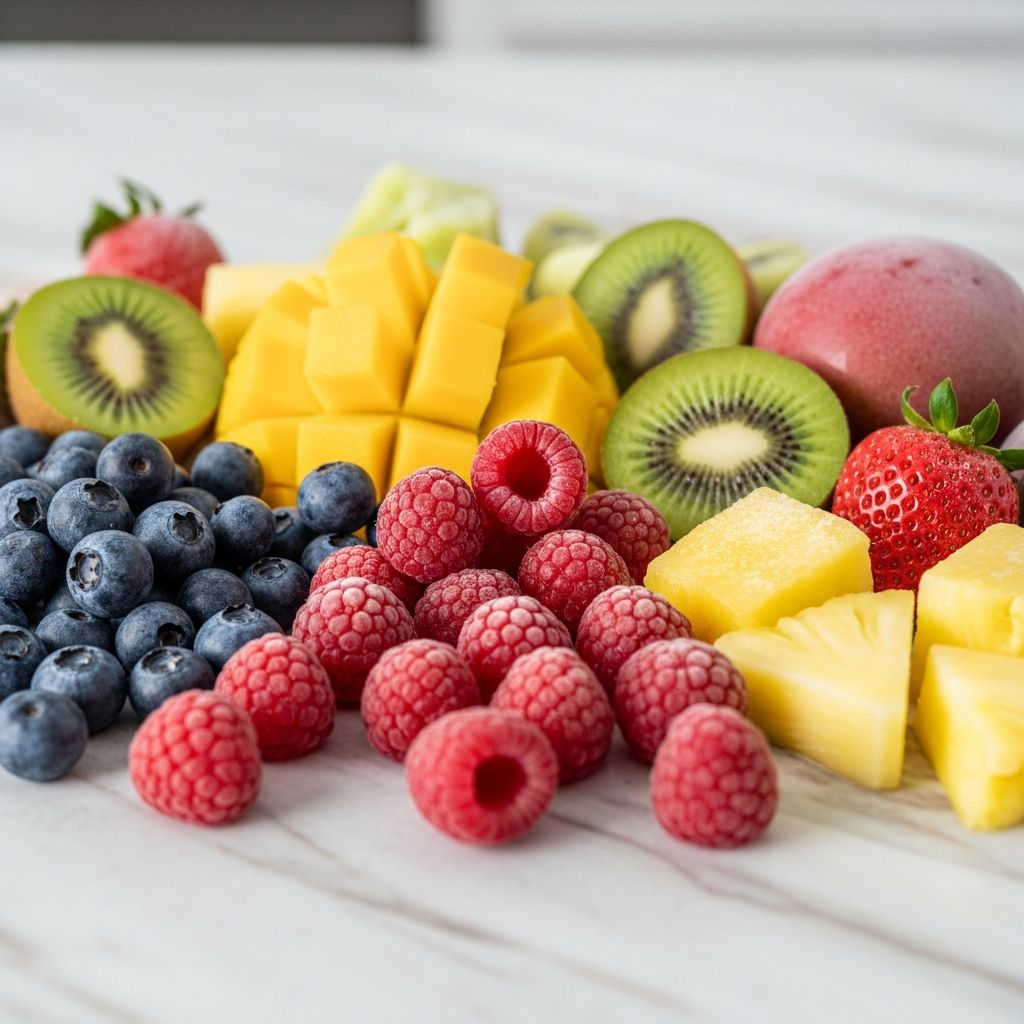
You can’t go wrong with frozen berries—blueberries and raspberries top the list for gut health. Blueberries are rich in antioxidants like polyphenols that act as prebiotics, feeding beneficial gut bacteria and reducing inflammation, according to Akinyeye. Boxer adds that these compounds help probiotics flourish, promoting microbial balance.
Raspberries shine with high fiber content (about 8 grams per cup), aiding digestion and regularity. They’re particularly beneficial for constipation-predominant irritable bowel syndrome (IBS-C), as Boxer notes, by softening stool and easing passage. Both berries combat oxidative stress in the gut, where 80% of immune cells reside, supporting immunity.
- Fiber boost: Soluble and insoluble fibers promote short-chain fatty acid production, nourishing colon cells.
- Anti-inflammatory: Polyphenols like anthocyanins tame gut irritation.
- Versatile use: Blend into smoothies, top yogurt or bake into muffins.
Studies confirm berries enhance microbiome diversity, with frozen varieties preserving these benefits equivalently to fresh.
References
- Dietary Guidelines for Americans, 2020-2025 — U.S. Department of Agriculture and U.S. Department of Health and Human Services. 2020-12-01. https://www.dietaryguidelines.gov/sites/default/files/2020-12/Dietary_Guidelines_for_Americans_2020-2025.pdf
2. Cherries
Frozen cherries add sweetness and substantial gut support to smoothies. Rich in fiber and polyphenols, they foster microbial diversity essential for gut resilience, per Boxer. Anthocyanins—their signature antioxidants—exhibit antimicrobial effects, protecting against harmful bacteria while preserving beneficial ones.
With the gut housing most immune cells, cherries’ anti-inflammatory properties help modulate responses, reducing risks of infections and chronic issues. One cup delivers 3 grams of fiber plus vitamins for overall digestive motility.
- Microbial diversity: Polyphenols encourage a varied microbiome.
- Immune support: Antimicrobial action targets pathogens.
- Recipe idea: Cherry smoothie with yogurt for probiotic synergy.
3. Mangoes
Tropical frozen mangoes are easier to source than fresh and pack gut-friendly punch. Boxer highlights their fiber and polyphenols, which positively influence gut bacteria and curb gastrointestinal inflammation. Mangoes provide prebiotic compounds that ferment into beneficial metabolites.
Approximately 3 grams of fiber per cup, plus vitamin C, supports mucosal integrity and motility. Ideal for those seeking anti-inflammatory fruits without seasonal limits.
Related Stories



- Polyphenol power: Reduces gut tract swelling.
- Bacteria balance: Feeds good microbes.
- Tips: Thaw slightly for sauces or eat straight.
4. Bananas (Prefer Slightly Green)
Opt for frozen green bananas over fully ripe ones for superior gut benefits. Resistant starch—a prebiotic fiber—nourishes beneficial bacteria and bolsters colon health, says Boxer. Less ripe bananas are gentler on sensitive digestion, suiting IBS or gastritis sufferers.
Resistant starch resists upper digestion, reaching the colon to produce butyrate, which fuels cells and reduces inflammation. Riper bananas offer soluble fiber but lack this potency.
- Prebiotic star: Resistant starch for colon support.
- Gentle digestion: Low FODMAP-friendly when green.
- Usage: Smoothie base or baked goods.
5. Pineapples
Frozen pineapple delivers bromelain, a proteolytic enzyme aiding protein breakdown and alleviating bloating. Boxer recommends it for digestive ease, plus 2 grams of fiber per cup for regularity.
Bromelain reduces gut inflammation and enhances nutrient absorption. Paired with fiber, it promotes smooth motility and microbial health.
- Enzyme aid: Bromelain fights bloating.
- Fiber content: Supports daily BMs.
- Pairing: With yogurt or in salads.
6. Dragon Fruit
Frozen dragon fruit boosts fiber intake for regularity. Akinyeye reports patients experiencing constipation relief, attributing it to high soluble fiber that softens stool and speeds transit.
Low-calorie with vivid nutrients, it adds microbiome diversity. One cup offers 5-7 grams fiber.
- Constipation relief: High fiber prevents hardening.
- Colorful addition: Smoothie bowls shine.
- Patient-proven: Real-world digestive wins.
Why Choose Frozen Fruit for Gut Health?
Frozen fruits lock in peak-season nutrition, often surpassing out-of-season fresh options. Flash-freezing preserves fiber, polyphenols and enzymes better than prolonged storage. Cost-effective and long-lasting, they’re perfect for weekly gut support.
| Frozen Fruit | Key Gut Benefit | Fiber per Cup (g) | Best For |
|---|---|---|---|
| Berries | Prebiotics, anti-inflammation | 4-8 | IBS-C, immunity |
| Cherries | Microbial diversity | 3 | Antimicrobial protection |
| Mangoes | Polyphenols | 3 | Inflammation reduction |
| Green Bananas | Resistant starch | 3 | Colon health, IBS |
| Pineapple | Bromelain enzyme | 2 | Bloating relief |
| Dragon Fruit | Soluble fiber | 5-7 | Constipation |
Easy Ways to Incorporate Frozen Fruits
- Smoothies: Blend with yogurt for probiotics.
- Yogurt parfaits: Layer for breakfast.
- Baked oats: Thaw and mix in.
- Smoothie bowls: Top with nuts/seeds.
- Sauces: Puree for desserts.
Additional Gut Health Tips
Beyond frozen fruits:
- Stay hydrated: Water aids fiber function.
- Probiotic foods: Yogurt, kefir pair well.
- Exercise: Promotes motility.
- Diverse plants: 30+ weekly for microbiome.
- Limit processed: Prioritize whole foods.
Frozen fruits aren’t a cure-all but integrate seamlessly into a gut-focused diet for sustained benefits.
Frequently Asked Questions (FAQs)
What makes frozen fruit better for gut health than fresh?
Frozen at peak ripeness, it retains more nutrients and fiber than off-season fresh fruit, which loses quality during transport.
Can frozen fruits help with IBS?
Yes, options like green bananas and raspberries ease symptoms by providing gentle prebiotics and fiber.
How much frozen fruit for gut benefits?
2-3 servings daily (1-2 cups) alongside varied diet supports microbiome.
Are there downsides to frozen fruit?
Minimal; watch added sugars in blends. Pure frozen is best.
Best frozen fruit for constipation?
Dragon fruit and raspberries for high soluble fiber.
References
- Dietary Guidelines for Americans, 2020-2025 — U.S. Department of Agriculture and U.S. Department of Health and Human Services. 2020-12-01. https://www.dietaryguidelines.gov/sites/default/files/2020-12/Dietary_Guidelines_for_Americans_2020-2025.pdf
- National Health and Nutrition Examination Survey (NHANES) — Centers for Disease Control and Prevention. 2023-01-15. https://www.cdc.gov/nchs/nhanes/index.htm
- Position of the Academy of Nutrition and Dietetics: Health Implications of Dietary Fiber — Journal of the Academy of Nutrition and Dietetics. 2015-10-01. https://doi.org/10.1016/j.jand.2015.09.003
- Gut Microbiota for Health: Fiber and Polyphenols — World Gastroenterology Organisation. 2024-05-20. https://www.worldgastroenterology.org/gut-microbiota-for-health
- USDA FoodData Central: Berries Nutrient Profile — U.S. Department of Agriculture. 2023-11-10. https://fdc.nal.usda.gov/
Similar Articles








Read full bio of Sneha Tete